

The quest for the perfect vocal capture is paramount for any voiceover artist, whether they are just beginning their journey or are seasoned professionals seeking to refine their toolkit. Selecting the right microphone is not merely a matter of preference; it is a critical decision that directly impacts the quality of audio, the clarity of delivery, and ultimately, the success of an audition or project. This comprehensive guide delves into the nuances of voiceover microphones, offering insights into various types, technical considerations, and a curated list of exceptional options tailored to different budgetary constraints. Understanding these elements empowers aspiring and established voice actors to make informed choices, ensuring their voice resonates with the intended impact.
Establishing the Foundation: Essential Voiceover Recording Equipment
Before diving into specific microphone recommendations, it’s crucial to understand the foundational elements of a voiceover recording setup. A well-rounded budget should encompass not only the microphone itself but also ancillary equipment that ensures optimal performance. This basic setup is designed to facilitate high-quality voice recordings, enabling the creation of compelling demo reels and successful auditions.
For newcomers to the voice acting industry, a preliminary self-assessment is vital. Determining if one’s vocal qualities align with the demands of the professional voiceover market is the initial step. Once this is established, the focus shifts to the technical aspects of audio capture.
Understanding Microphone Technology: A Deeper Dive
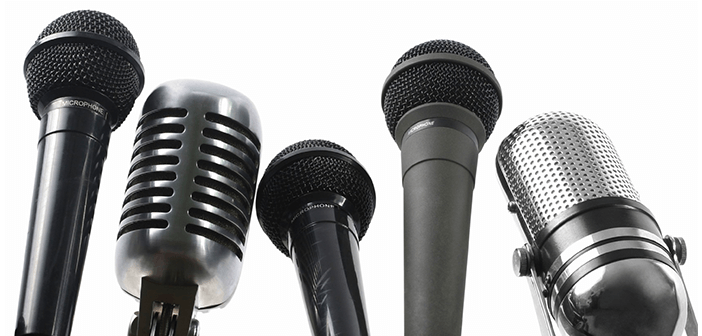
The cornerstone of any recording setup is the microphone, and understanding its fundamental types is essential. Three primary categories dominate the voiceover landscape: USB microphones, dynamic microphones, and large-diaphragm condenser microphones. Each possesses distinct characteristics that make them suitable for different applications and user needs.
Phantom Power: The Unseen Force in Audio Capture
Many professional microphones, particularly condenser microphones, require an external power source to operate. This is known as "phantom power." It is a direct current (DC) voltage, typically +48V, that is sent from the audio interface or mixer through the same XLR cable that carries the audio signal. Phantom power is crucial for condenser microphones as it energizes the internal circuitry, enabling the diaphragm to vibrate and convert sound waves into electrical signals. While the term "phantom power" might sound intimidating, its implementation is straightforward and is a standard feature on most modern audio interfaces. Users should not be deterred by this technical requirement; it is a fundamental aspect of high-quality audio recording.
The USB Microphone: Convenience Meets Accessibility
USB microphones have surged in popularity due to their plug-and-play simplicity. They connect directly to a computer via a USB port, eliminating the need for separate audio interfaces or preamplifiers. This makes them an attractive option for beginners and those with limited technical expertise.
-
USB Microphone Pros:
- Simplicity and Ease of Use: Direct connection to a computer via USB, requiring minimal setup.
- Cost-Effectiveness: Often more affordable than traditional XLR setups, especially for entry-level models.
- Portability: Ideal for on-the-go recording or temporary setups.
- All-in-One Solution: Combines microphone and audio interface functionality.
-
USB Microphone Cons:
- Limited Upgrade Path: Often tied to the computer’s audio processing capabilities, offering less flexibility for future expansion.
- Sound Quality Limitations: While improving, they may not achieve the same level of sonic detail and nuance as higher-end XLR microphones.
- Potential for Latency: Depending on the computer and software, latency can be an issue during real-time monitoring.
- Less Professional: Generally considered less professional for high-stakes studio environments compared to XLR setups.
Dynamic Microphones: Robust and Reliable
Dynamic microphones are known for their durability and their ability to handle high sound pressure levels (SPLs) without distortion. They work on the principle of electromagnetic induction, where a coil of wire attached to a diaphragm moves within a magnetic field, generating an electrical current.
-
Dynamic Broadcast Voiceover Mic Pros:
- Durability and Robustness: Built to withstand rigorous use and are less susceptible to damage.
- High SPL Handling: Ideal for loud sound sources, though less relevant for typical voiceover work.
- No Phantom Power Required: Simpler setup as they do not require external power.
- Excellent for Aggressive or Loud Vocals: Can handle more forceful vocal delivery without clipping.
- Less Sensitive to Room Acoustics: Their focused pickup pattern can help mitigate issues in untreated rooms.
-
Dynamic Broadcast Voiceover Mic Cons:
- Lower Sensitivity: Generally require more gain from the preamplifier, which can introduce noise if the preamp is of lower quality.
- Less Detail and Nuance: May not capture the subtle nuances and high-frequency detail as effectively as condenser microphones.
- Can Sound "Muddy" if Not Properly EQ’d: Their frequency response might require more post-processing.
Large Diaphragm Condenser Microphones: The Standard for Vocal Clarity
Large diaphragm condenser microphones (LDCs) are the workhorses of professional voiceover studios. Their larger diaphragms are more sensitive to sound waves, allowing them to capture a wider frequency range and greater detail, resulting in a richer, more nuanced sound.
-
Large Diaphragm Condenser Pros:
- Exceptional Detail and Clarity: Capture subtle vocal inflections and nuances with remarkable fidelity.
- Wide Frequency Response: Reproduce a broad spectrum of sound, from deep lows to sparkling highs.
- Natural and Open Sound: Often preferred for their smooth, natural, and detailed vocal reproduction.
- High Sensitivity: Require less gain from the preamplifier, leading to cleaner recordings.
-
Large Diaphragm Condenser Cons:
- Require Phantom Power: Necessitate an audio interface or mixer capable of providing phantom power.
- More Sensitive to Room Acoustics: Their sensitivity means they can pick up more background noise and room reflections, requiring a treated recording space.
- More Fragile: Generally more delicate than dynamic microphones and require careful handling.
- Higher Cost: Typically more expensive than dynamic or entry-level USB microphones.
Polar Patterns: Directing the Microphone’s Focus
A crucial aspect of microphone design is its polar pattern, which dictates the directionality of sound pickup. Understanding these patterns is key to minimizing unwanted noise and optimizing vocal capture.
- Omnidirectional: Picks up sound equally from all directions. Useful for capturing ambient sound or multiple sources in a perfectly treated room, but generally not ideal for focused voiceover work.
- Bidirectional (Figure-8): Picks up sound equally from the front and rear, with rejection from the sides. Often used for interviews where two people speak into opposite sides of the microphone.
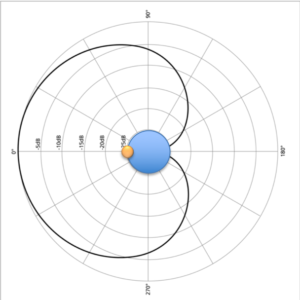
- Cardioid: The most common pattern for voiceover work. It picks up sound primarily from the front, with significant rejection from the rear and sides. This focused pickup helps isolate the voice and reduce ambient noise and room reflections.
- Supercardioid/Hypercardioid: Narrower than cardioid, offering even greater side rejection. However, they have a small lobe of sensitivity directly at the rear, which can pick up specific rear noises if not managed.
The cardioid pattern is the essential standard for voice actors. It provides a focused pickup from the front of the microphone, minimizing the capture of room sound and potential plosives (bursts of air from "p" or "b" sounds) when positioned correctly. Some high-end microphones, like the Neumann U87, offer switchable polar patterns, providing versatility for various recording scenarios. For voiceover, ensuring the microphone has at least a cardioid pattern is paramount.
[Insert Diagram of Cardioid Polar Pattern Here]
(Image depicting a top-down view of a microphone showing the cardioid pickup pattern, illustrating sound being captured from the front and rejected from the sides and rear.)
Understanding Pads and Filters: Fine-Tuning Your Sound
Microphones may also feature built-in pads and high-pass filters, which are valuable tools for signal management.
-
Pads: These are attenuation switches that reduce the input signal level by a set amount (e.g., -10dB or -20dB). They are primarily used to prevent clipping and distortion when recording very loud sound sources, such as close-miking a guitar amplifier. For typical voiceover recording, which involves moderate vocal levels, pads are generally not necessary unless the microphone is exceptionally sensitive or the vocalist has an extremely powerful voice.
-
High-Pass Filters (HPF): Also known as a low-cut filter, this feature attenuates frequencies below a certain point (e.g., 80Hz or 100Hz). This is incredibly useful in voiceover for reducing low-frequency noises such as microphone handling rumble, stage vibrations, HVAC system hum, or plosives. Many microphones designed for voiceover include an HPF to help clean up recordings.
Connectors: The Bridge Between Microphone and Audio Interface
The type of connector a microphone uses is critical for its functionality and the quality of the signal.
-
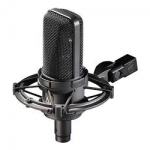
XLR Connectors: These are the standard for professional microphones, particularly those requiring phantom power. XLR cables are 3-pin connectors that not only carry the audio signal but can also transmit phantom power. Crucially, XLR cables utilize a balanced audio system. This balanced configuration employs a sophisticated noise-cancellation technique, where any electrical interference picked up by the cable is effectively canceled out, resulting in a cleaner, higher-fidelity audio signal. For optimal sound quality in any professional audio setup, balanced cables (XLR) should be utilized wherever possible.
-
Jack Connectors (TS/TRS): While common in other audio applications, standard 1/4-inch jack connectors (often unbalanced TS cables) are generally not used with professional voiceover microphones. If a microphone’s primary output is a jack connector, it may indicate a less professional or consumer-grade device, and it’s advisable to seek alternatives that utilize XLR for superior audio performance and connectivity.
Choosing the Right Microphone: Key Considerations for Voice Acting
Selecting the optimal microphone for voice acting hinges on achieving the best possible sound quality with minimal technical complications. This involves considering your unique vocal characteristics and the specific type of voiceover work you aim to pursue.
It’s important to recognize that microphones are not universally equal. Some are engineered with a "flat" frequency response, meaning they reproduce sound accurately without altering it. Others have a modified frequency response, intentionally boosting or cutting certain frequencies to impart a particular sonic character. For instance, a microphone with an artificial boost in the high frequencies might make female voices sound unnaturally sibilant. The ideal microphone for your voice will complement its natural tone rather than impose an artificial one.
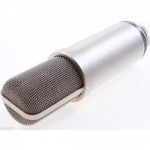
Ultimately, the most effective microphone for your needs isn’t necessarily the most expensive. Setting a realistic budget and exploring the best options within that range is a pragmatic approach.
A Spectrum of Voiceover Microphones: Recommendations by Budget
The following list presents a curated selection of microphones, ranging from budget-friendly options for beginners to professional-grade tools for advanced users. These microphones are recognized for their quality and suitability for voiceover work.
Mid-Range Excellence (Approximately $250 – $500)
-
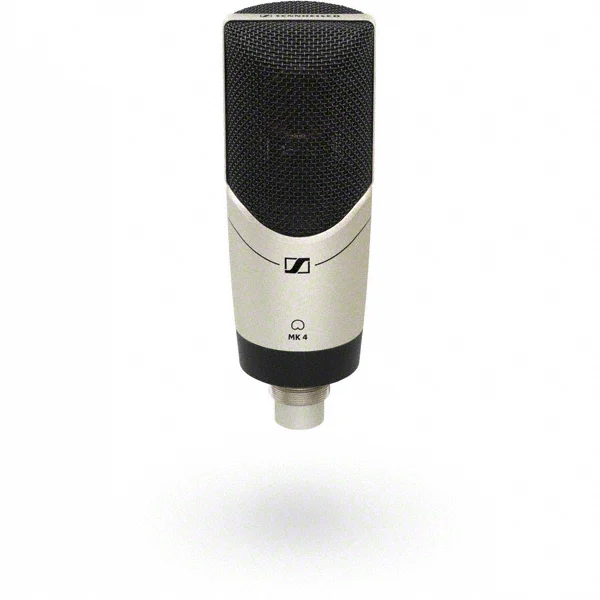
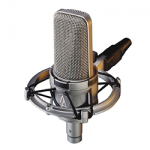
#1 – Sennheiser MK4 (~$350/£300)
The Sennheiser MK4 stands out as a top recommendation for dedicated voice artists. A lesser-known fact is Sennheiser’s ownership of Neumann, and the MK4’s diaphragm capsule was designed by the same team responsible for the renowned Neumann U87. This cardioid-only microphone, lacking a pad, delivers exceptional sound quality for both male and female voices. Its robust build, durability, and reliability make it a superior value proposition compared to other microphones in its price bracket, offering outstanding performance and sound quality. -
#2 – Rode NT1/NT2 (~$249/£200)
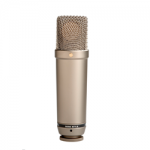
The Rode NT1 and NT2 are excellent choices for those entering the voiceover field. They provide good resonance and a frequency response comparable to other voiceover microphones. Known for their quiet operation and neutral sound profile, they produce high-quality recordings with a wide dynamic range. While a trained ear might detect a characteristic "Rode sound" that some might find less transparent than other microphones, for newcomers, it represents a solid and accessible option. -
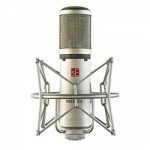
#3 – sE Electronics sE2200a II C ($299)
The sE2200a II C offers a high-quality, upfront sound and is a versatile condenser microphone well-suited for aspiring voice actors. Its integrated high-pass filter and 10dB pad provide valuable sound-shaping capabilities, coupled with low self-noise for clean recordings. -
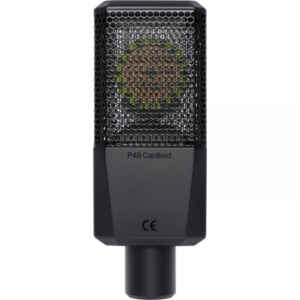
#4 – Lewitt LCT 440 Pure (£245)
A more recent entrant to the voiceover microphone market, the Lewitt LCT 440 Pure is a large-diaphragm cardioid condenser microphone. Its distinctive design features an open front, a magnetic pop shield, and an included shock mount. In testing, it has demonstrated a clear and crisp sound produced by its 1-inch condenser capsule, making it a compelling option at its accessible price point.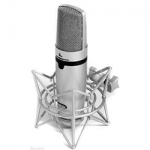
-
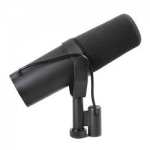
#5 – Shure SM7B ($349)
The Shure SM7B is a highly regarded cardioid dynamic microphone, a staple in both radio and sound studios. It delivers an exceptionally clear sound while maintaining presence and warmth. Its broad frequency response can be adjusted if necessary, with a high-boost switch for added presence. The SM7B is particularly well-suited for home studio environments due to its integrated swing-mount for precise positioning. While more commonly found in radio studios, its quality makes it a strong contender for voiceover. -
#6 – Audio-Technica AT4033 ($399)
The Audio-Technica AT4033 is recognized for its excellent transient response and clean output signals. This cardioid microphone features an 80Hz high-pass filter, with a switchable option between a flat frequency response and a low-end roll-off to mitigate ambient noise and plosives during close vocal recording. -
#8 – Rode NTK ($529)
The Rode NTK is another strong contender for voiceover artists, offering rugged construction and a warm, clear sound signature. Its reliability and sonic characteristics make it a popular choice. -
#9 – Audio Technica 4047 ($699)
The Audio Technica 4047 is part of a range of microphones designed for diverse applications. Its transformer-coupled output and a specifically tuned element emulate the sonic characteristics of early F.E.T. studio microphones. It boasts low self-noise, a wide dynamic range, and high SPL capability. The precision-machined brass acoustic element enhances stability and sensitivity.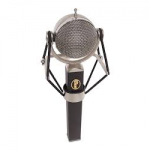
-
#10 – Miktek C7 ($899)
The Miktek C7 is a large-diaphragm FET condenser microphone celebrated for its pleasing sound. It offers remarkable versatility with three selectable pickup patterns: cardioid, omnidirectional, and bidirectional. The bidirectional pattern is particularly useful for capturing dual sources, making it suitable for interviews and general voiceover work. -
#11 – Blue Dragonfly
The Blue Dragonfly is one of Blue Microphones’ more affordable offerings, delivering a sweet sound reminiscent of vintage Neumann and AKG microphones. Its distinctive sonic signature and the ability to precisely angle the capsule relative to a sound source provide significant creative opportunities for voiceover artists.
Professional Grade (Approximately $1,000 and above)
-
#12 – Neumann TLM 103 ($1,099)
While the TLM series was not initially designed specifically for voice work (TLM stands for Transistorless Microphone), the TLM 103 is widely recommended by professional voice actors. It operates with a transformerless circuit, resulting in low self-noise and a broad dynamic range. Its cardioid polar pattern capsule is finely tuned for acoustic balance and effective phase cancellation of sounds from the rear. A potential consideration is its inherent high-frequency lift, which can sometimes make higher-pitched female voices sound slightly sibilant.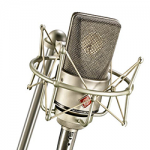
-
#13 – AKG 414 ($1100)
The AKG 414 is a microphone of exceptional quality, featuring a brilliant pickup range and a desirable flat frequency response. Positioned as a mid-range professional option, it is a robust and reliable tool for any working voice artist. Its switchable polar patterns and pad setting offer significant flexibility for various recording scenarios. -
#14 – Blue Yeti Pro ($249.00)
The Blue Yeti Pro is a USB microphone that serves as an excellent starting point for budget-conscious individuals entering the voiceover career. It is available in two versions: the standard Yeti and the Yeti Pro, with the Pro offering higher bit recording and the option for XLR output. Among USB microphones, it is considered one of the superior options, though XLR-based systems are generally preferred for professional studio environments. -
#15 – Neumann U87 ($3180/£2500)
The Neumann U87 is the industry standard in most professional recording studios worldwide. It has long held a reputation as one of the finest microphones for voice recording, reflected in its exceptional build quality, performance, and premium price tag. This microphone features switchable polar patterns and a pad, a flat response, and performs admirably with both male and female voices. While an investment, it represents the pinnacle of vocal capture. As a more accessible alternative offering comparable quality for a fraction of the price, the Sennheiser MK4 is frequently cited. -
#16 – Sennheiser MKH 416 (Circa $700/£550)
The Sennheiser MKH 416 is one of the most prevalent voiceover microphones globally. It is a hypercardioid microphone, which necessitates careful attention to on-axis positioning to avoid unwanted artifacts. Consequently, it is often less favored for highly expressive character work where performers may move more. While not originally designed for voiceover, its unique design, when positioned correctly, delivers an impressive, punchy commercial sound. Its exceptional ruggedness and durability also make it an ideal travel microphone. Many professional voice actors who own a 416 also maintain a large-diaphragm condenser microphone to cover all recording eventualities.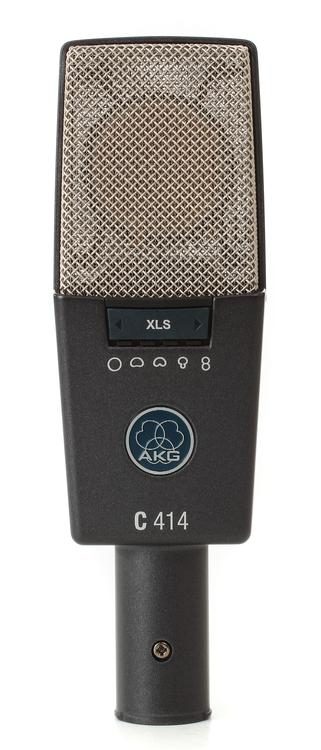
Summary and Strategic Decision-Making
When embarking on the journey to select the best microphone for voice acting, the initial and most critical step is to establish a clear budget. Following this, consider the type of microphone that best aligns with your needs and technical comfort level. The microphones listed above are widely recognized within the industry for their quality and performance.
For those seeking to deepen their understanding of microphone technology and studio setup, comprehensive resources are available. Courses dedicated to home recording studio setup and operation can provide invaluable knowledge for aspiring voice actors.
[V1.6 Updated on 6th Jan 2026]
(Call to Action Block – as per original article, integrated for context)
FREE EBOOK and MINI COURSE
Download Our FREE EBOOK on how to create your own voiceover business and take our FREE mini course. Start using your natural talent to earn money.
