

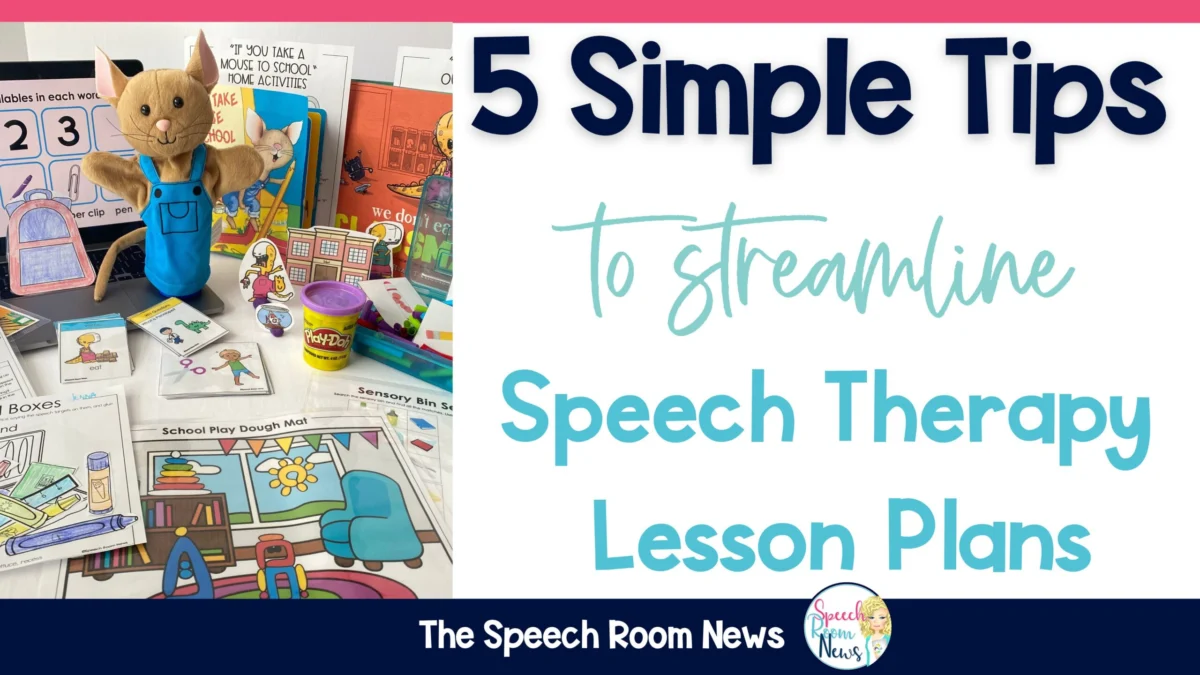
The demanding landscape of school-based speech-language pathology necessitates highly efficient and adaptable lesson planning strategies to effectively serve diverse student populations. Speech-Language Pathologists (SLPs) often manage extensive caseloads, requiring them to cater to a multitude of individualized education program (IEP) goals across varying age groups and communication needs. The traditional approach of crafting 50 distinct lessons per student each week is not only unsustainable but also detracts from crucial direct therapy time and contributes to professional burnout. Recognizing this systemic challenge, experienced SLPs and educational researchers have developed and refined several integrated planning methodologies designed to optimize resource allocation, enhance therapeutic impact, and foster stronger connections with the broader curriculum. These strategies move beyond isolated worksheets to embrace holistic, repeatable, and adaptable frameworks that support both the SLP’s well-being and the students’ progress.
The Imperative for Efficiency in School-Based Speech Therapy
School-based Speech-Language Pathologists operate within a complex educational ecosystem, balancing direct intervention with indirect services, assessments, consultations, and administrative duties. Data from the American Speech-Language-Hearing Association (ASHA) frequently highlight the extensive administrative burdens faced by SLPs, with a significant portion of their workweek dedicated to tasks beyond direct student contact. Efficient lesson planning is not merely a convenience; it is a professional necessity that directly impacts the quality of services provided and the sustainability of the profession. When planning is streamlined, SLPs can allocate more time to direct therapy, collaborate more effectively with teachers and parents, and engage in ongoing professional development. This shift from reactive, individualistic planning to proactive, integrated methodologies is crucial for managing large and varied caseloads, which can often exceed 50-60 students, each with unique and complex communication profiles. The goal is to move from a "one-off" activity mindset to a cyclical, resource-rich approach that maximizes the utility of materials and minimizes prep time without compromising therapeutic integrity.
1. Theme-Based Therapy Planning: A Cornerstone of Cohesion
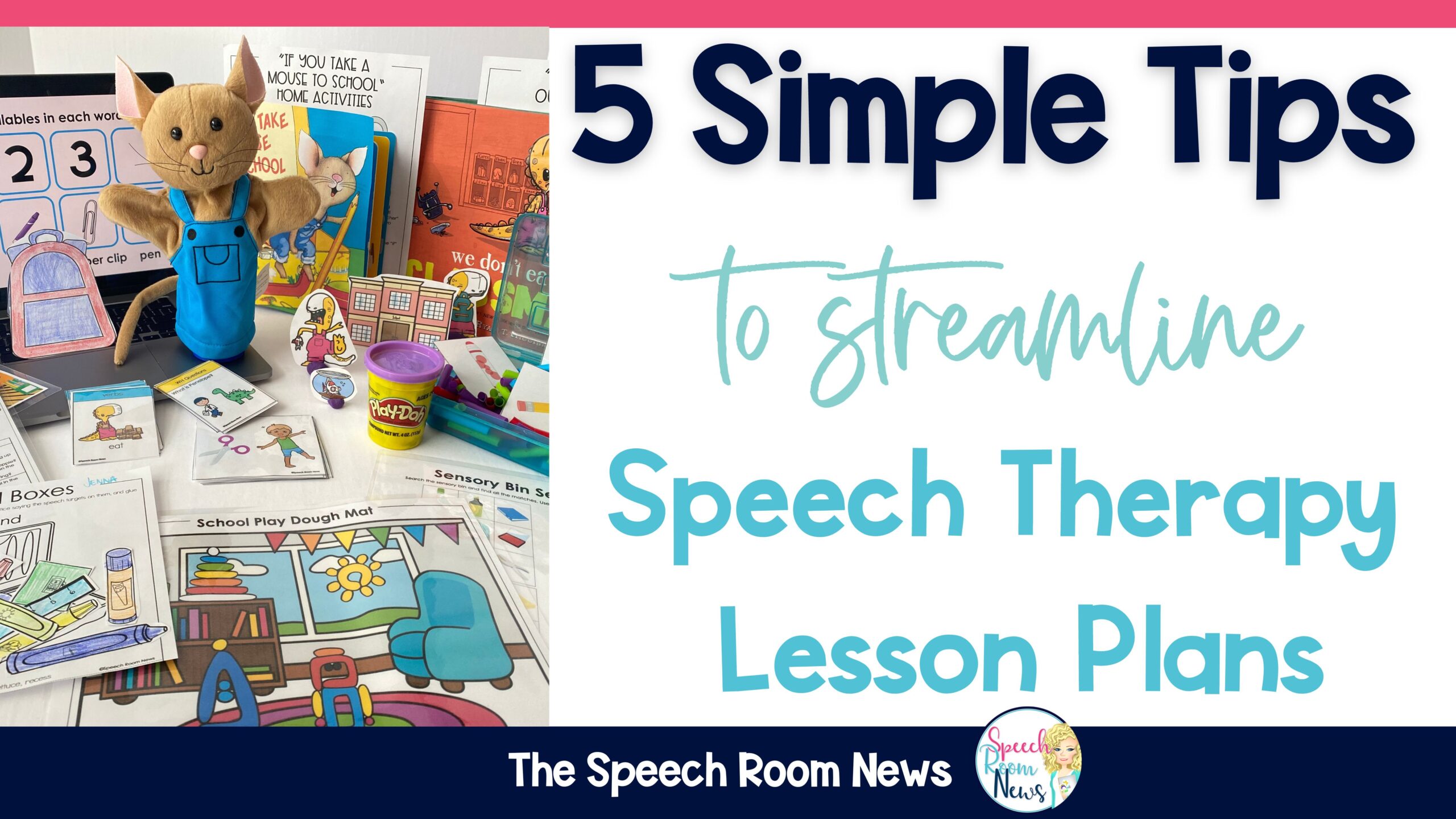
One of the most widely adopted and effective strategies for streamlining speech therapy lesson plans is the implementation of a theme-based therapy approach. This method involves selecting a central theme for a week or month – such as "fall harvest," "ocean animals," "community helpers," or "space exploration" – and then integrating all therapeutic activities and materials around that theme. The power of thematic planning lies in its inherent versatility and capacity to target multiple speech and language goals simultaneously within a cohesive context.
For instance, a "farm animals" theme could be used to address articulation goals (e.g., /f/ in "farm," /p/ in "pig"), vocabulary expansion (e.g., names of animals, sounds, actions), grammar (e.g., "The cow is eating," "He fed the chickens"), narrative skills (e.g., creating a story about a day on the farm), and social language (e.g., role-playing farm scenarios). Materials can be easily coordinated, including books about farms, animal figurines, farm-themed crafts, and worksheets featuring farm imagery.
The major benefit of theme-based lesson plans is their reusability. Once an SLP develops a set of materials and activities for a particular theme, these resources can be recycled and refined year after year. This cyclical process allows SLPs to gradually build a comprehensive library of pre-made, high-quality materials, significantly reducing future planning and preparation time. Furthermore, thematic units often align naturally with classroom curricula, facilitating stronger collaboration with general education teachers and promoting generalization of skills across different learning environments. This curriculum alignment reinforces academic vocabulary and concepts, making speech therapy more relevant and impactful for students. Research consistently supports the use of thematic instruction in promoting deeper understanding and skill generalization by providing a rich, interconnected learning experience.
2. Harnessing Literacy for Comprehensive Intervention: The Book-Based Approach
Integrating picture books into speech and language therapy sessions offers a robust and highly effective method for streamlining lesson plans, particularly for mixed groups with diverse goals. This literacy-based therapy approach leverages the power of storytelling and rich textual content to address a wide array of communication needs, from foundational articulation to advanced language comprehension and social inferencing.
Picture books provide a natural springboard for targeting numerous speech therapy goals. For articulation, specific sounds can be identified within the story’s vocabulary. For language development, books are invaluable for expanding vocabulary (e.g., descriptive words, action verbs), teaching grammatical structures (e.g., sentence formulation, pronoun use), improving comprehension (e.g., identifying main idea, sequencing events, making predictions), and developing inferential thinking. Social communication skills can be addressed by discussing character emotions, motivations, and social problem-solving depicted in the narrative.
A typical literacy-based intervention framework often includes:
- Pre-story Knowledge Activation: Engaging students in discussions about the topic, activating prior knowledge, and introducing key vocabulary. This sets the context and builds anticipation.
- Shared Story Reading: Reading the book aloud, modeling fluent reading, and encouraging active participation through questions and comments.
- Focused-Skill Activities: Designing activities directly related to the book that target specific IEP goals. This might involve retelling activities, creating semantic maps of vocabulary, practicing target sounds with words from the story, or answering comprehension questions.
- Post-story Comprehension Discussion: Facilitating deeper understanding through open-ended questions, summarizing, and making connections to personal experiences or other texts.
A significant advantage of this approach is the minimal material preparation required, as the book itself serves as the primary resource. Many pre-made book companions and activities are available online, further reducing prep time. Moreover, by selecting books that align with classroom curricula, SLPs can enhance the relevance of therapy and support students’ academic success, fostering a seamless bridge between specialized instruction and general education. This approach has been shown to improve students’ literacy skills, which are foundational for academic achievement.
3. The Power of Narrative Language Development: Beyond Retell
While closely related to literacy-based therapy, the narrative language approach offers a distinct focus on the structure and generation of stories, which are critical for academic success and social communication. This method centers on teaching storytelling skills alongside the explicit targeting of speech and language objectives. Narrative competence—the ability to understand, retell, and create stories—is a foundational skill for reading comprehension, written expression, and effective social interaction.
In a narrative language intervention, the emphasis shifts from a single book to exploring multiple stories over time, often one per session, that may share similar themes or structures. The core activities typically involve story retell, where students recount events from a heard or read story, and story generation tasks, where students create their own narratives. A significant component of this approach is the explicit instruction of story grammar elements: characters, setting, initiating event, internal response, plan, attempt, consequence, and resolution. Visual aids, such as story grammar icons, are frequently used to help students internalize these components and apply them to both understanding and producing narratives.
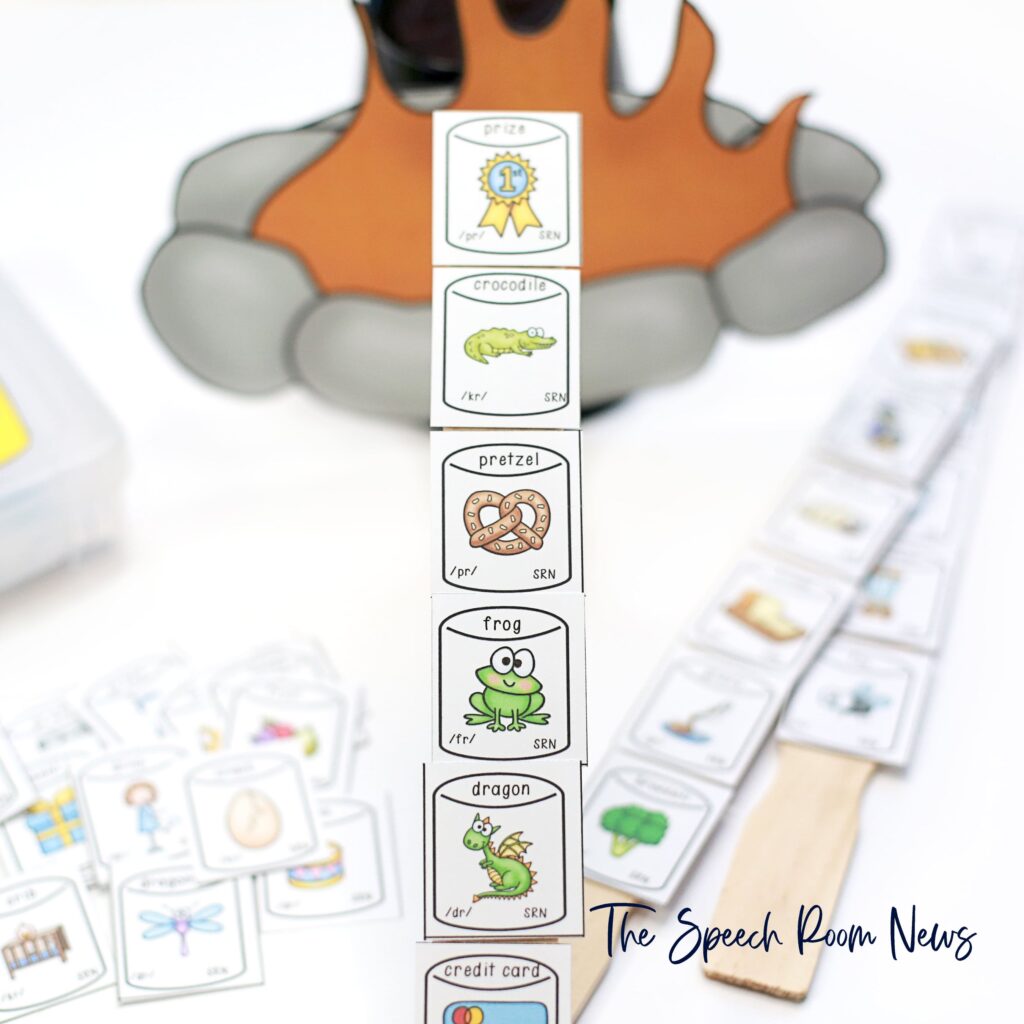
Beyond story grammar, the narrative language approach also places a strong emphasis on developing complex syntax and rich vocabulary within the storytelling context. SLPs guide students to use varied sentence structures, conjunctions, and sophisticated vocabulary to enhance the clarity and expressiveness of their narratives.
The major benefit of this approach is its profound impact on functional communication and academic achievement. By strengthening narrative skills, SLPs not only address target IEP goals but also equip students with a powerful tool for navigating classroom demands (e.g., summarizing texts, answering open-ended questions, writing essays) and social interactions (e.g., sharing personal experiences, explaining events). Research consistently demonstrates a strong correlation between narrative language proficiency and overall academic success, making this a highly impactful intervention strategy that fosters carryover of learned skills into real-world contexts. Professional resources, such as story grammar icons from K Knight Therapy, provide structured frameworks for implementing this complex yet rewarding intervention.
4. Maximizing Impact with Single-Toy/Game Strategies: Play-Based Learning Efficiency
One of the most time-efficient and engaging methods for delivering speech therapy is to utilize a single toy or game to target a multitude of goals across an entire session or even multiple sessions. This strategy minimizes planning and preparation time while maximizing student engagement through play-based learning. The inherent versatility of common toys and games allows SLPs to adapt activities on the fly, catering to the varied needs of mixed groups without requiring an extensive array of specialized materials.
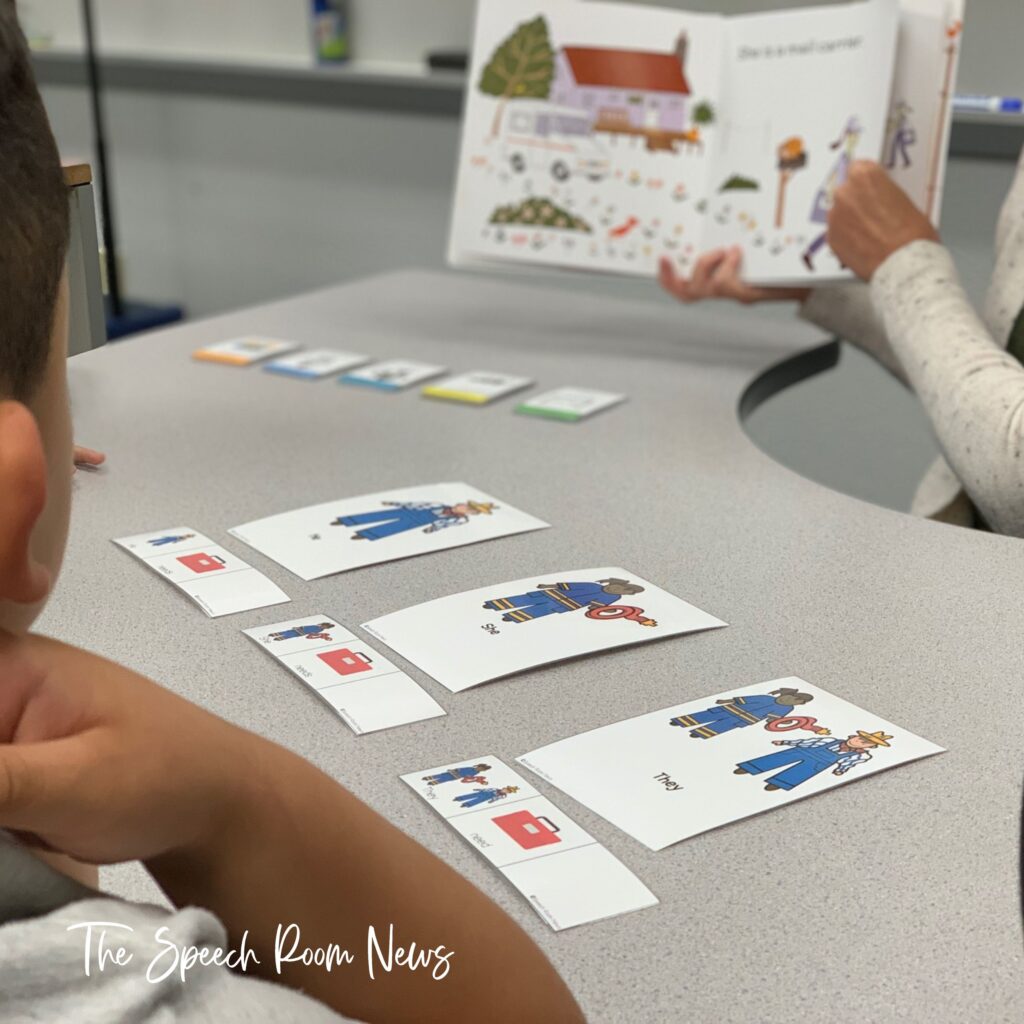
Consider the classic game of Candyland. Beyond its basic gameplay, an SLP can integrate custom cards or prompts to target:
- Articulation: Students must say a target word or phrase a certain number of times before taking a turn.
- Vocabulary: Naming items, categories, or attributes associated with the game board’s colorful squares.
- Grammar: Forming sentences about movements (e.g., "I am moving to the green space," "He went to the gingerbread man").
- Social Language: Practicing turn-taking, requesting (e.g., "My turn, please"), commenting, and expressing emotions related to winning or losing.
- Following Directions: Simple or multi-step directions related to game play.
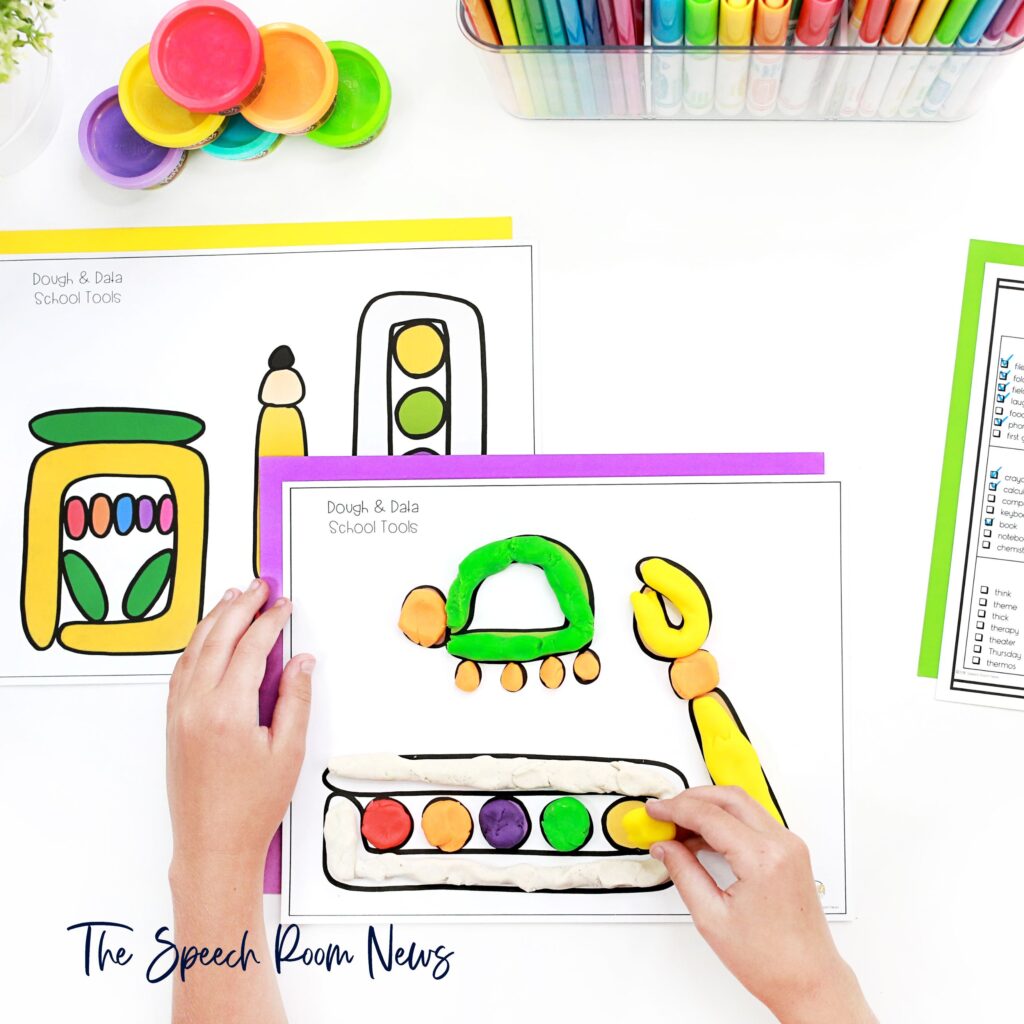
Play-Doh is another highly adaptable tool. Using "Dough and Data Sets," SLPs can integrate fine motor activity with speech and language goals. Students can create shapes while simultaneously practicing articulation words, describing their creations, or following directions. The tactile nature of Play-Doh enhances engagement and provides a multi-sensory learning experience. Similarly, mini objects are invaluable due to their small size, portability, and ability to represent a vast array of vocabulary and concepts. They are ideal for developing phonological awareness, articulation, categorization, describing, and even narrative tasks.
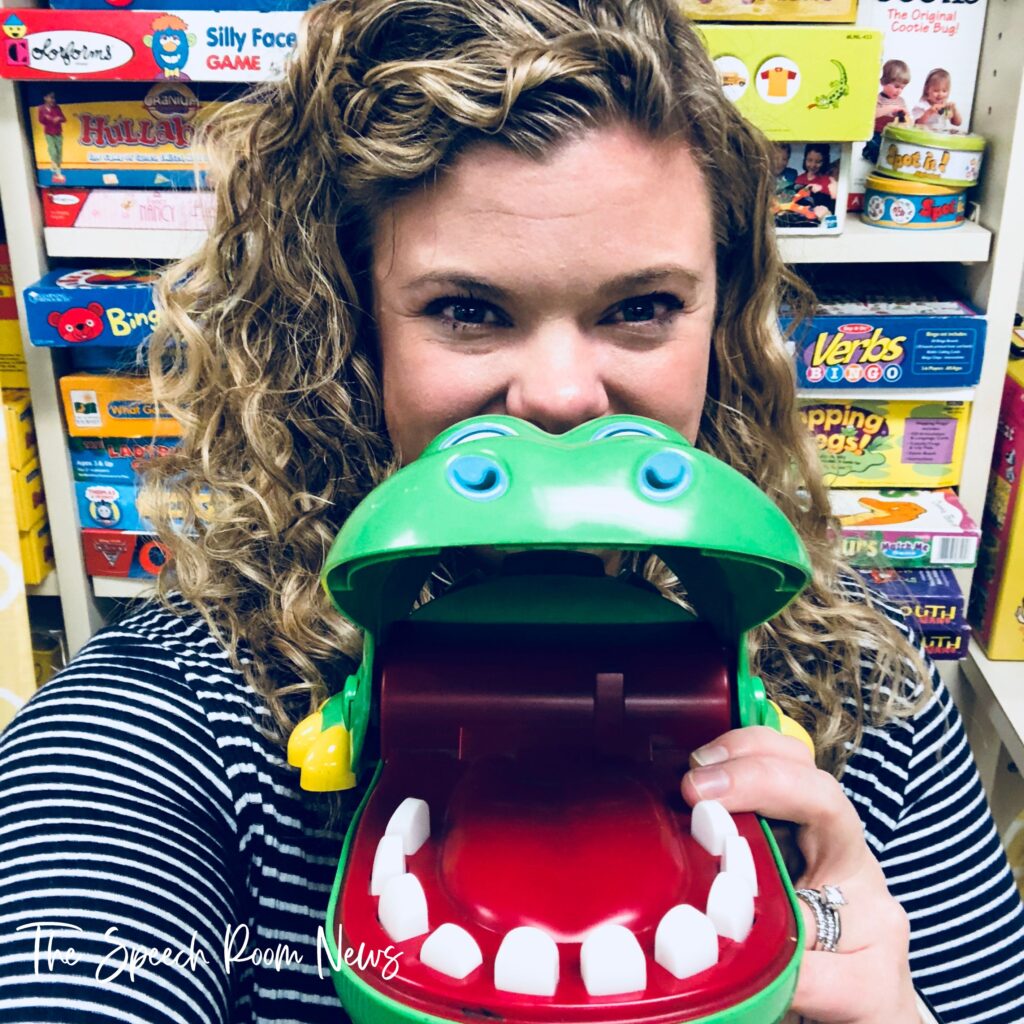
Beyond traditional board games, interactive toys like the "Chomping Crocodile Dentist" game can become thematic anchors. For a dental health theme, this toy can facilitate discussions about teeth, dental hygiene vocabulary, and even serve as a motivator for articulation drills. Paired with themed bingo cards or articulation activities, it transforms into a comprehensive, engaging lesson. Similarly, an "Ice Cream Shop" playset offers endless opportunities for language development, including vocabulary (flavors, toppings), requesting, polite social phrases ("May I have…?"), sequencing (steps to make an ice cream cone), and descriptive language. Such toys are particularly effective for preschool evaluations, providing a naturalistic context to assess a child’s spontaneous language and interaction skills. The core principle is that a single, versatile item can become a dynamic tool for addressing diverse therapeutic objectives, making sessions both effective and enjoyable.
5. Empowering Communication Through AAC Core Word Integration
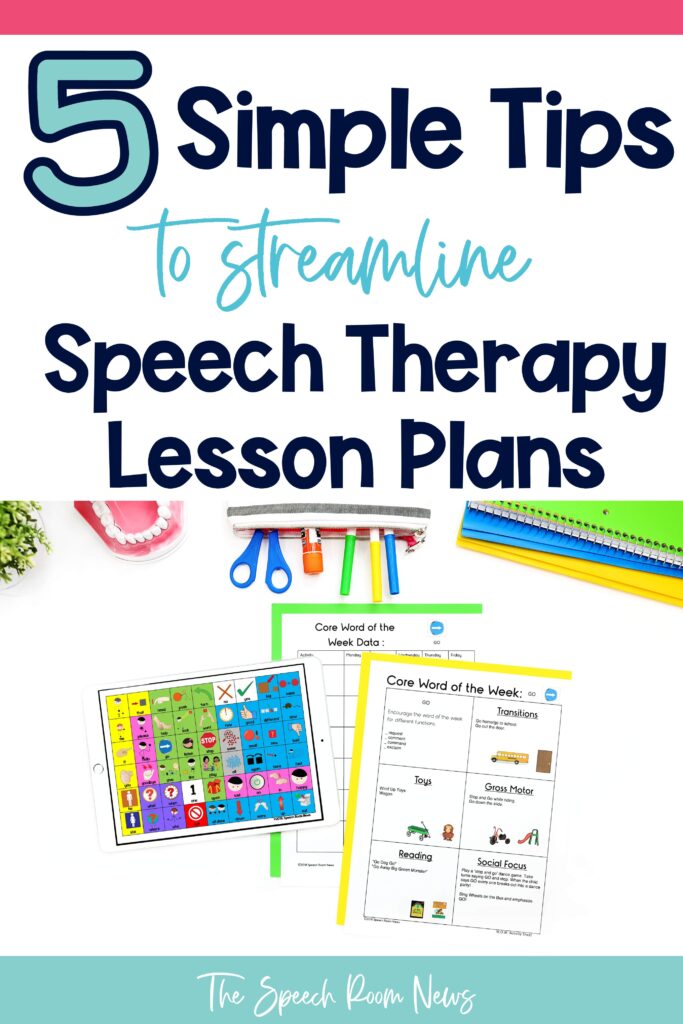
For students who utilize Augmentative and Alternative Communication (AAC) systems, a systematic approach to teaching core vocabulary is paramount for fostering functional and spontaneous communication. The "AAC Core Word of the Week (WOW) Lessons" strategy provides a structured and efficient framework for planning and delivering instruction to AAC users, promoting consistency across all communication partners. Core words are a small set of high-frequency words (e.g., "go," "want," "more," "stop," "in," "out") that are applicable across various contexts and communication functions.
This strategy involves focusing on a select group of core words (e.g., 3-4 words) each week or month. The structured lesson plans typically include:
- Introduction and Modeling: Explicitly introducing the core words and demonstrating their use within the AAC system.
- Targeted Activities: Designing activities that provide multiple opportunities for students to practice using the core words in meaningful contexts.
- Generalization Strategies: Planning for how the core words can be used across different settings and with various communication partners.
A significant benefit of the AAC Core Word of the Week approach is the establishment of a consistent routine and shared understanding among all members of the student’s IEP team, including teachers, paraprofessionals, and parents. By providing a clear framework, the lesson plans ensure that everyone involved in the student’s education is aware of the target words and strategies for modeling and prompting their use. This collaborative effort promotes consistent input and opportunities for output, which are crucial for AAC acquisition and generalization.
The availability of comprehensive bundles, such as the "AAC Core Word of the Week Mega Bundle," offers ready-to-use materials that can be easily printed, assembled, or customized. These resources often include visual supports, activity ideas, signs for classroom doors to promote awareness, and parent letters to facilitate home-school collaboration. By systematically targeting core words, SLPs empower AAC users to develop a robust functional communication system, enabling them to express wants, needs, ideas, and participate more fully in their educational and social environments.
6. The Indispensable Role of "Grab-and-Go" Resources: The Emergency Toolkit
Even with the most meticulously planned thematic or literacy-based units, unexpected situations can arise in a school setting. A student’s mood may shift, a planned activity might prove unsuitable, or an SLP may need to provide services for an unfamiliar student or group due to a schedule change. This is where a well-curated set of "Grab-and-Go" materials becomes an indispensable asset, serving as a vital emergency toolkit that ensures continuity of services and reduces stress for the SLP.
These prepped, ready-to-use materials should cover a range of common speech and language goals and be easily adaptable. Key categories of "Grab-and-Go" resources include:
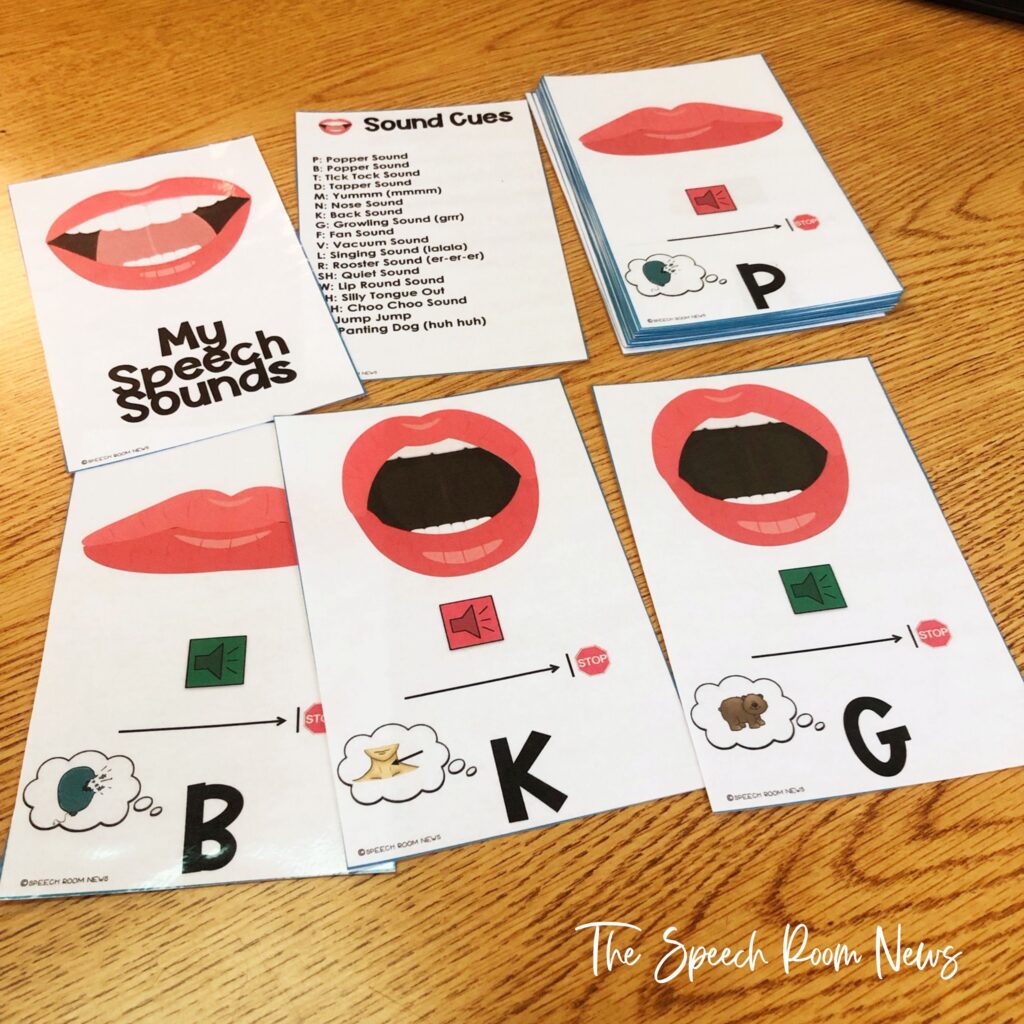
- Articulation Cards: Comprehensive sets of articulation cards for various phonemes at different word positions and levels of complexity (e.g., words, phrases, sentences). These are quick to deploy for individual drills or integrated into games. Visual cues on the cards can further support learning.
- Speech Sound Posters: Visual aids displaying articulatory placements for different speech sounds, useful for quick reminders or teaching new sounds.
- Behavior Supports: Visual schedules, first/then boards, choice boards, and other visual prompts to help manage student behavior, transitions, and attention, ensuring therapy sessions remain productive.
- Language Prompts: Cards or visuals for requesting, commenting, turn-taking, or answering common question types.
- Print-and-Go Home Packets: Ready-made worksheets or activity sheets that can be sent home for practice, ensuring carryover of skills between sessions. These are also excellent for substitute SLPs to utilize.
- Generic Games/Activities: Simple games like Bingo, memory match, or coloring pages that can be easily adapted to target any goal by simply changing the required verbal response or focus.
The primary advantage of "Grab-and-Go" materials is their flexibility and accessibility. They eliminate the need for last-minute preparation, allowing SLPs to maintain therapeutic momentum even in unforeseen circumstances. They are also invaluable for substitute SLPs, providing clear, pre-organized activities that align with common therapy goals. By proactively assembling and organizing these resources, SLPs can significantly reduce daily planning anxieties, ensure consistent service delivery, and maximize direct intervention time.
In conclusion, the modern school-based Speech-Language Pathologist faces complex demands that necessitate a strategic and efficient approach to lesson planning. By moving away from time-consuming individualized lesson creation for every student, and instead embracing integrated methodologies such as theme-based therapy, literacy-based intervention, narrative language approaches, single-toy/game strategies, and systematic AAC core word instruction, SLPs can profoundly enhance their effectiveness. Supplementing these strategies with a robust "Grab-and-Go" resource library further solidifies efficient practice. These methods not only streamline workflow and reduce administrative burden but also promote deeper student engagement, improve generalization of skills, and foster a more collaborative and curriculum-aligned therapeutic environment. Adopting these proven strategies is essential for sustainable practice, ultimately leading to improved outcomes for students with communication disorders.
