

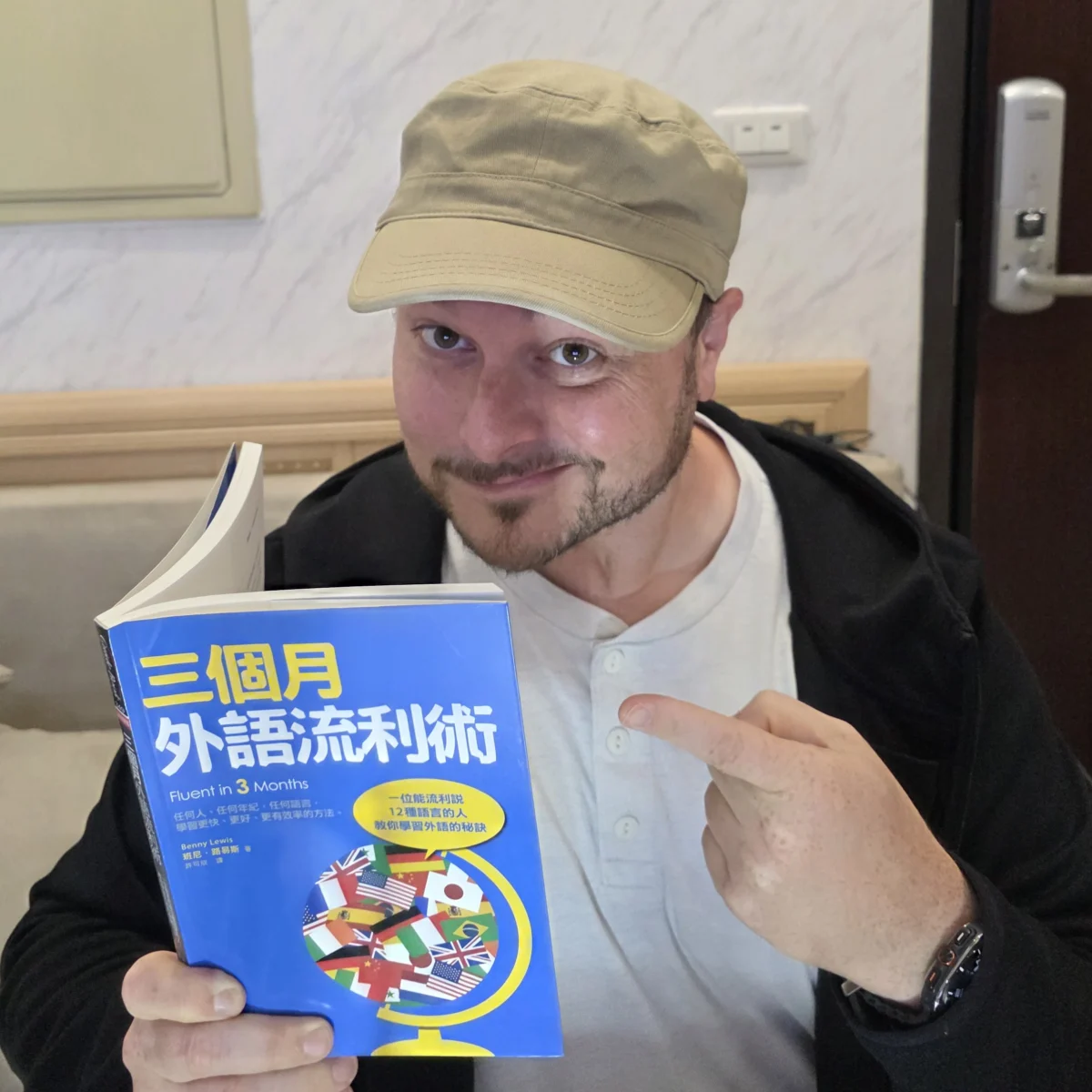
Benny Lewis, the prominent Irish polyglot and founder of the global language-learning platform Fluent in 3 Months, has officially returned to Taipei, Taiwan, to initiate a high-intensity Mandarin Chinese revitalization project. This move marks a significant return to the site of his original 2012 Mandarin mission, an undertaking that remains one of the most documented and debated case studies in the modern independent language-learning community. The current initiative seeks not only to reclaim a B1 (lower intermediate) proficiency level but also to explore the cultural and linguistic depths of Taiwan through a "deep travel" methodology. This strategic pivot follows a decade of fluctuating engagement with the language and a recent period of inspiration sparked by the Chinese diaspora in Southeast Asia.
Historical Context and the 2012 Mandarin Mission
The trajectory of Lewis’s engagement with Mandarin Chinese began in 2012 with a highly publicized three-month intensive program in Taiwan, followed by a two-month exploratory journey through mainland China. During this initial phase, Lewis aimed to demonstrate that Mandarin, often categorized by the U.S. Foreign Service Institute (FSI) as a Category IV "super-hard" language for English speakers, could be acquired to a functional conversational level within a truncated timeframe.
At the conclusion of the 2012 project, Lewis underwent an independent evaluation which placed his spoken proficiency at approximately the B1 level on the Common European Framework of Reference for Languages (CEFR). While the project achieved its goal of functional independence—enabling Lewis to navigate rural fishing villages and conduct interviews with native media personalities—it was not without controversy. Critics within the linguistics community questioned the sustainability of "language hacking" methods for tonal languages, and Lewis himself has recently acknowledged that the high-pressure environment of the 2012 mission led to significant stress and suboptimal learning conditions.
In the intervening twelve years, Lewis’s Mandarin proficiency experienced a period of attrition. Aside from a brief intensive stint while co-authoring the "Language Hacking Mandarin" coursebook, his use of the language was relegated to sporadic interactions at international language exchange events. The return to Taipei represents a formal effort to transition Mandarin from a temporary project into a permanent fixture of his linguistic repertoire.
The Catalyst: Regional Influence and the Malaysian Connection
The decision to re-prioritize Mandarin was catalyzed by Lewis’s recent travels through Malaysia during the first quarter of 2024. Malaysia’s unique demographic profile, which includes a substantial ethnic Chinese population (approximately 22.6% of the national total), provided a fertile environment for linguistic re-awakening.
While initially focused on learning Malay, Lewis reported that frequent interactions with the Chinese diaspora and the influx of mainland Chinese tourists in the region shifted his focus. This regional experience highlighted the utility of Mandarin as a lingua franca across Southeast Asia, prompting the decision to dedicate a two-month residency in Taiwan. Experts in sociolinguistics note that such "incidental immersion" often serves as a powerful motivator for adult learners, providing a practical context that academic study lacks.
Methodology and the Modern Learning Regimen
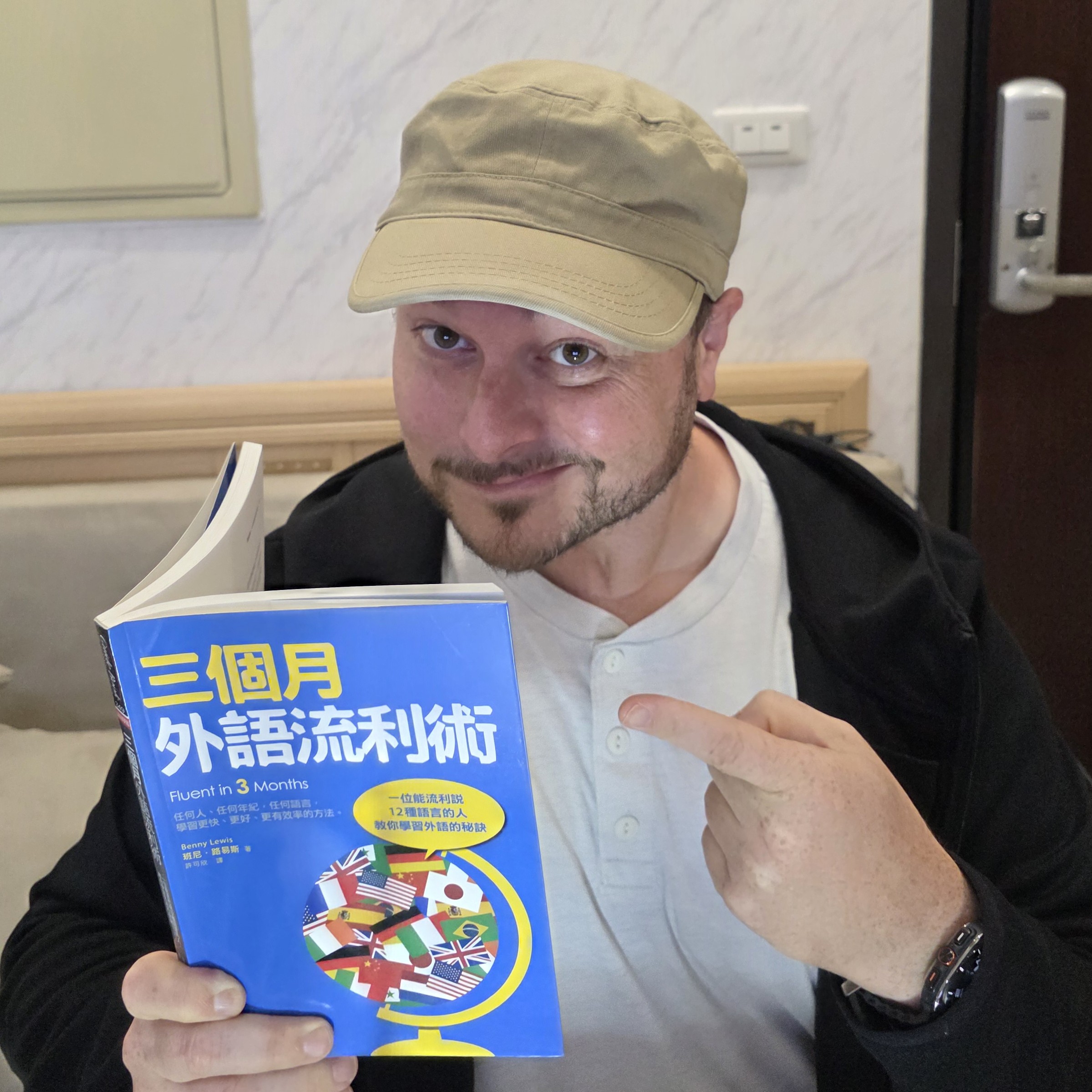
Lewis’s current approach in Taipei deviates from his 2012 strategy by incorporating a more balanced focus on formal grammar and digital tools. His daily routine is structured to address the specific challenges of a "false beginner" or intermediate "re-learner."
1. Structural Analysis and Grammar
Unlike his recommendations for absolute beginners, Lewis has integrated a central focus on formal grammar. He is utilizing specialized texts that accommodate "Taiwanese Mandarin"—a variant of Standard Mandarin influenced by Hokkien and regional usage—while simultaneously teaching both Simplified and Traditional Chinese characters. This dual-script approach is essential for learners navigating the linguistic divide between Taiwan and Hong Kong (Traditional) and Mainland China and Singapore (Simplified).
2. Digital Spaced Repetition Systems (SRS)
A cornerstone of the project involves the recovery and modernization of legacy data. Lewis has successfully retrieved Anki (SRS) flashcard decks originally authored in 2012. These decks, which required technical conversion to function on modern software, contain highly personalized vocabulary gathered during past in-person lessons. Data indicates that personalized vocabulary—terms directly relevant to the user’s life and experiences—has a significantly higher retention rate than generic, pre-made word lists.
3. Hybrid Human-AI Instruction
The project utilizes a hybrid model of instruction, leveraging the platform Preply for multiple weekly sessions with human tutors to foster natural momentum. Additionally, Lewis has incorporated AI-driven conversation tools, reflecting a broader trend in the EdTech industry. Market analysts suggest that AI tutors are increasingly filling the gap for learners who require high-frequency practice but face budgetary constraints.
4. Audio-Visual Immersion
To supplement formal study, Lewis utilizes the ChineseClass101 podcast series during transit, specifically targeting the lower-intermediate level. This "passive-active" learning helps bridge the gap between classroom theory and the rapid-fire speech encountered in public environments.
Physical Health and Cognitive Performance
Parallel to the linguistic goals, Lewis has integrated a rigorous physical fitness component into his Taipei residency. Having lost 25 kilograms (55 pounds) since the COVID-19 pandemic, he currently maintains a daily running regimen of over 90 minutes. Scientific studies frequently correlate cardiovascular health with improved cognitive function and memory retention, suggesting that the physical demands of his routine may be providing a neurological advantage in the acquisition of complex tonal phonology and character recognition.
Challenges of the Taiwanese Linguistic Landscape
Despite his prior experience, Lewis has identified significant hurdles in the current Taipei environment. While Taipei is an international hub, English proficiency is not universal, particularly in service sectors. Lewis noted a specific instance where a failure to recall the Mandarin term for espresso (nóngsuō kāfēi) resulted in a breakdown in communication at a major international coffee chain.

Furthermore, the social environment presents challenges for intermediate learners. Lewis observed that many local language exchange events in Taipei have shifted toward "sit-down" group formats, which are often noisier and less conducive to one-on-one practice for non-native speakers. This environment often forces learners to revert to more comfortable "bridge languages" like Spanish or French, a phenomenon Lewis is actively working to overcome through increased lesson frequency.
The "Deep Travel" Initiative: Beyond Taipei
A primary objective of this mission is the "Taiwan Deep Travel" project. Following his residency in the capital, Lewis plans to spend several weeks traversing the island’s more rural and less-frequented regions. This follows a pattern established in his previous projects in Brazil, the United States, and South Korea, where he sought to visit every state or province.
Deep travel in Taiwan is expected to provide a "no-exit" linguistic environment. In rural areas, the prevalence of English drops significantly, and the influence of the Taiwanese language (Hoklo) increases. This phase of the project will serve as a stress test for the B1 proficiency level, pushing Lewis to handle complex logistical and social interactions entirely in Mandarin.
Industry Implications: Blogging and the Rise of "AI Slop"
The relaunch of the Mandarin project also marks a strategic shift in Lewis’s digital content philosophy. In an era where search engine results are increasingly dominated by AI-generated content—often referred to as "AI slop"—Lewis has announced a return to long-form, narrative-driven blogging.
From 2013 to 2023, the Fluent in 3 Months platform, like many digital publishers, focused on SEO-optimized instructional articles. However, changes in search engine algorithms and the advent of AI "snippets" have diminished the viability of this model. Lewis’s move back to personal, human-centric storytelling reflects a broader industry trend where creators are prioritizing "proof of humanity" and authentic experience over algorithm-friendly formatting. While utilizing AI for grammar correction and rephrasing, Lewis has committed to maintaining the human authorship of his narratives to counter the proliferation of generic digital content.
Conclusion and Future Outlook
Benny Lewis’s return to Mandarin study in Taipei is more than a personal milestone; it is a recalibration of a globally recognized language-learning methodology in the face of new technological and personal realities. By combining legacy data from 2012 with modern AI tools and a "deep travel" itinerary, Lewis aims to demonstrate a sustainable path to fluency that acknowledges the difficulties of maintenance and the necessity of cultural immersion. As he moves toward the "Deep Travel" phase of his project, the results will likely offer fresh insights into the efficacy of adult language acquisition and the evolving landscape of global travel in the digital age. Success in this mission would solidify the B1 level as a robust foundation for lifelong learning, rather than a fleeting achievement of a short-term project.
