

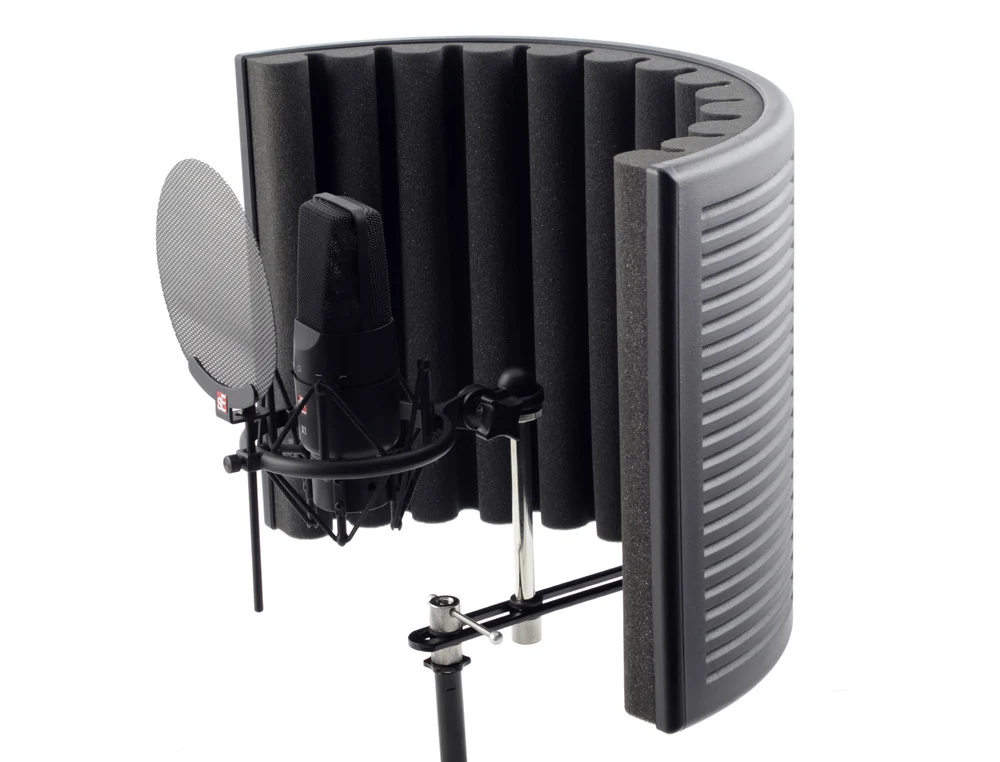
The question of whether a sound reflection filter is a necessary component for home recording studios is a recurring one, particularly for aspiring audio professionals and hobbyists seeking to optimize their recording environments. This in-depth analysis aims to provide a definitive answer by dissecting the fundamental principles of home studio acoustics, microphone technology, and the actual function of these commonly marketed devices.
The Genesis of the Home Recording Studio and the Pursuit of Acoustic Purity
At its core, a home recording studio is designed to create a controlled and consistent acoustic space. This ideal environment aims to achieve three primary objectives: preventing external sounds from entering the recording (sound ingress), ensuring recorded audio does not escape and disturb others (sound egress), and, crucially, minimizing the detrimental effects of unwanted sound reflections within the recording space that can degrade the quality of the captured audio.

The pursuit of acoustic purity is paramount for achieving professional-sounding recordings. In untreated rooms, sound waves generated by a vocalist or instrument bounce off hard surfaces such as walls, ceilings, floors, and furniture. These reflections arrive at the microphone slightly delayed and altered from the direct sound source, leading to issues like increased reverberation, comb filtering (where certain frequencies are cancelled out or amplified due to phase cancellations), and an overall muddy or unprofessional sonic character. The ultimate goal is to capture a pristine signal of the intended sound source, free from the acoustic signatures of the recording environment.
Understanding Microphone Pickup Patterns: The Crucial Determinant
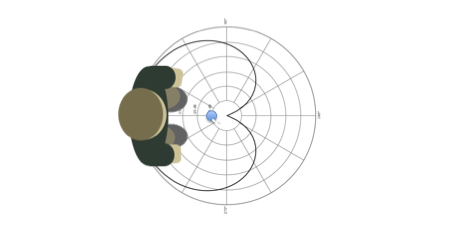
To comprehend the efficacy of reflection filters, a foundational understanding of microphone polar pickup patterns is essential. Microphones, by their design, are not omnidirectional sound receptors. Instead, they exhibit varying degrees of directionality, meaning they are more sensitive to sounds arriving from specific directions. This directional sensitivity is graphically represented by the polar pickup pattern, which illustrates the microphone’s response to sound from all angles relative to its front.
Several common polar pickup patterns exist, each serving different recording purposes:

- Omnidirectional: These microphones pick up sound equally from all directions (360 degrees). While they capture a broad and natural sound, they are highly susceptible to room acoustics and ambient noise, making them generally unsuitable for untreated home studios where minimizing reflections is key.
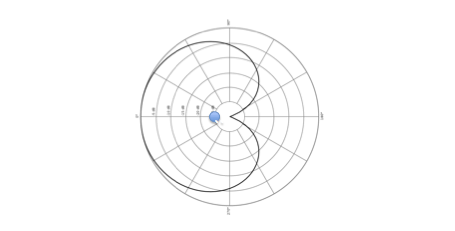
- Cardioid: Named for its heart-shaped pickup pattern, the cardioid microphone is most sensitive to sound from the front and progressively less sensitive to sound from the sides and rear. This directional focus makes it highly effective at isolating the primary sound source and rejecting sounds and reflections from other directions. This is the most common choice for voice-over artists and vocalists in home studios due to its ability to minimize room coloration.
- Supercardioid and Hypercardioid: These patterns are even more directional than cardioid, with narrower front lobes and more pronounced side rejection. However, they also exhibit small "lobes" of sensitivity directly behind the microphone, which can sometimes pick up unwanted rear reflections if not managed carefully.
- Figure-of-Eight (Bidirectional): These microphones pick up sound equally from the front and the rear, with significant rejection from the sides. This pattern is often used for capturing duets or for specific stereo recording techniques.
Many high-end studio microphones, such as the renowned Neumann U87, offer switchable polar patterns, allowing engineers to adapt the microphone’s sensitivity to the specific recording situation. For home studio vocal recordings, the cardioid pattern is overwhelmingly favored precisely because it helps to mitigate the capture of unwanted room reflections. By focusing primarily on the sound originating from directly in front of the microphone, it inherently reduces the likelihood of capturing the sound bouncing off the walls.
The Role and Perceived Function of Sound Reflection Filters
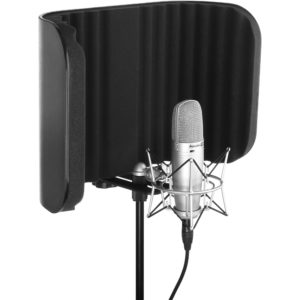
Sound reflection filters, often marketed as portable acoustic treatment solutions, typically consist of a semi-circular or curved baffle made of absorbent material, designed to be mounted around a microphone. The premise behind their design is to create a localized acoustic barrier that absorbs or diffuses sound waves originating from the sides and rear of the microphone, thereby preventing them from reaching the microphone and contributing to unwanted room coloration.
Popular examples include the Auray Sound Reflection Filter and the sE Electronics Reflexion Filter. These devices are visually striking and often appear to offer a straightforward solution to acoustic challenges. The marketing materials and visual representation often suggest that by enclosing the microphone, these filters effectively "clean up" the sound by blocking out the room.
Deconstructing the Reflection Filter’s Effectiveness: A Scientific Perspective
Despite their prevalence and intuitive appeal, rigorous analysis and practical testing reveal a critical limitation in the effectiveness of most commercially available sound reflection filters when it comes to their purported primary function: eliminating unwanted sound reflections. The core of this limitation lies in the interplay between the filter’s design and the microphone’s inherent pickup pattern.
When a microphone is set to a cardioid pattern, its primary sensitivity is directed forward. While reflections from the sides and rear of the microphone are indeed attenuated by the cardioid pattern, the reflection filter’s design often fails to address the most significant acoustic issues. The filter primarily blocks sound that would reach the microphone from its immediate sides and rear. However, sound reflections are not confined to these areas; they emanate from all directions within the room.
Consider the path of sound waves in a typical home studio environment. A vocalist speaks into the microphone, and their voice directly hits the microphone diaphragm. Simultaneously, sound waves from their voice travel outwards and reflect off the walls, ceiling, and any other surfaces in the room. These reflected waves then travel towards the microphone from various angles, including the front, sides, and rear.
The cardioid pickup pattern, by its very nature, already significantly rejects sound arriving from the sides and rear. The reflection filter, when placed around the microphone, primarily intercepts reflections that are already being minimized by the microphone’s polar pattern. While it might offer some marginal reduction in side and rear reflections, it does little to address reflections arriving from the front or those that might still diffract around the filter’s edges.
Crucially, the sound that contributes most significantly to room coloration is often that which arrives at the microphone from the front, albeit delayed. A reflection filter, by its very placement, cannot effectively block sound originating from the direction the vocalist is facing. Therefore, its ability to fundamentally alter the perceived acoustic character of the room is severely limited.
Empirical Evidence and Expert Consensus
Numerous audio engineers and experienced voice-over artists have conducted practical tests comparing recordings made with and without reflection filters. The results, often reported in industry forums and educational resources, consistently show a minimal, if any, discernible difference in the audio quality. This lack of significant improvement suggests that the substantial cost of these filters may not be justified by their actual acoustic performance.
The visual impact of a reflection filter can be misleading. Its presence suggests an acoustic barrier, leading to an assumption of improved sound isolation. However, the physics of sound propagation and microphone directivity indicate that the filter’s impact is often superficial in the context of truly problematic room acoustics.
Why Do Reflection Filters Persist in the Market?
The continued popularity and marketing of sound reflection filters can be attributed to several factors, primarily revolving around inexperience and the allure of a simple solution:
- Misunderstanding of Acoustic Principles: Newer entrants to audio production may not fully grasp the nuances of microphone polar patterns and room acoustics, making them susceptible to believing that any device claiming to "filter reflections" will be effective.
- Visual Marketing and Peer Influence: The prominent display of reflection filters in studio setups, often featured in marketing materials and by influential figures, creates a perception of necessity. Seeing other professionals use them can lead to an assumption that they are essential tools.
- Desire for a Quick Fix: Treating a room acoustically often requires significant effort, space modification, and financial investment. Reflection filters offer a seemingly easy and inexpensive alternative, promising an immediate improvement without the need for extensive room treatment.
- Perceived Benefit: While not eliminating reflections entirely, the filter might offer a slight reduction in certain ambient noises or immediate reflections, which some users might interpret as a significant improvement, especially if their untreated room is not excessively problematic.
The Unanswered Question: If Not a Reflection Filter, Then What?
For those seeking to achieve high-quality audio recordings in a home studio, the answer lies not in superficial accessories but in fundamental acoustic treatment of the recording space. This involves creating an environment that effectively absorbs or diffuses sound reflections.
Effective Strategies for Home Studio Acoustic Treatment:
- Creating a Vocal Booth: The most effective solution is to construct a dedicated vocal booth. This can range from professionally manufactured units to DIY solutions using sound-absorbing materials like acoustic foam panels, bass traps, and thick insulation. The goal is to create an enclosure that minimizes sound entering and leaving, and critically, absorbs internal reflections.
- Adapting Existing Spaces: For those with limited space or budget, strategically treating an existing room is essential. This involves identifying areas of high sound reflection (typically parallel walls, corners, and hard surfaces) and applying acoustic treatment.
- Absorption: Using materials like thick blankets, duvets, acoustic foam tiles, and specialized acoustic panels to absorb sound waves. Placing these on walls, especially at the first reflection points, is crucial.
- Diffusion: Employing diffusers to scatter sound waves, breaking up strong reflections and creating a more even sound field. This is particularly useful in larger spaces.
- Bass Traps: Corners of rooms are notorious for accumulating low-frequency sound waves. Bass traps are designed to absorb these frequencies, preventing muddiness and improving the overall clarity of recordings.
- Strategic Microphone Placement: Even in a treated room, careful microphone placement is vital. Understanding the microphone’s polar pattern and positioning it to capture the direct sound while minimizing the reception of any remaining reflections is an art in itself.
The "How to Build a Home Studio" webinar, available through platforms like Gravy For The Brain, offers comprehensive guidance on these acoustic treatment strategies. This educational resource delves into the practical aspects of creating a viable recording environment, emphasizing that genuine acoustic improvement requires a more substantial approach than simply using a reflection filter.
Conclusion: A Matter of Prioritization
In direct response to the frequently asked question: No, you generally do not need a sound reflection filter for your home studio. While they are not actively harmful to the recording process, their contribution to improving audio quality is, at best, marginal and often negligible when compared to the impact of proper room acoustic treatment. They represent a misdirection of resources that could be better invested in creating a genuinely controlled and acoustically sound recording space. The pursuit of pristine audio recordings in a home studio environment necessitates a commitment to understanding and addressing the fundamental principles of acoustics, rather than relying on devices that offer a superficial solution to a complex problem. The true path to professional-sounding recordings lies in dedicated acoustic treatment, strategic microphone choice and placement, and a deep understanding of how sound behaves in different environments.
