

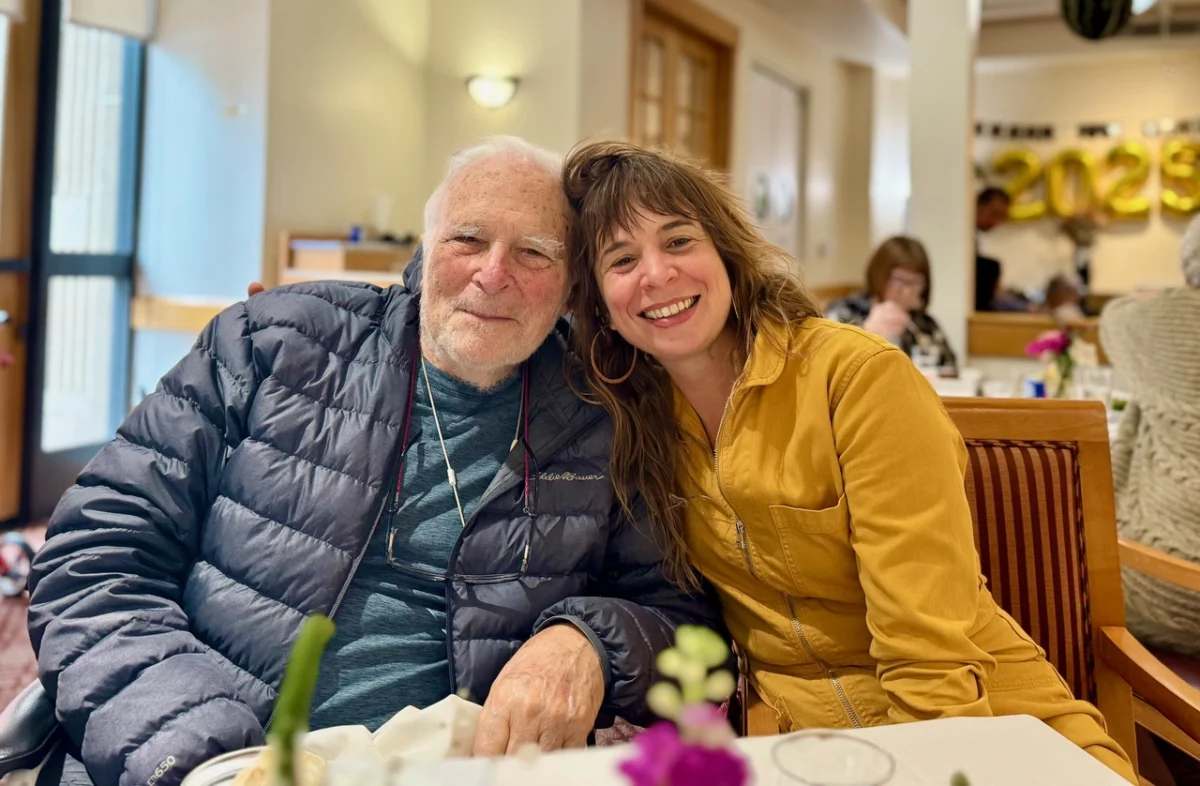
The passing of Dr. Paul Ekman, a pioneering figure in the study of human emotion and facial expression, has prompted a re-examination of his profound contributions to psychology, neuroscience, and beyond. While his groundbreaking work has been widely celebrated and built upon by countless researchers, a recent obituary sparked dialogue regarding the framing of his scientific legacy. This article aims to provide a comprehensive overview of Dr. Ekman’s life and work, highlighting his intellectual journey, personal evolution, and the far-reaching impact of his research, as recounted by his daughter, Eve Ekman.
A Father, A Scientist, A Seeker
Eve Ekman described her father as a man of immense warmth, humor, and an insatiable curiosity for life. His childhood, marked by profound trauma and loss, deeply influenced his academic pursuits, shaping a lifelong dedication to understanding the complexities of human emotion. This early adversity, she noted, fueled his commitment to becoming the father he never had, a role he approached with unwavering presence, love, and support. Beyond his paternal role, Dr. Ekman fostered a unique bond with his children, becoming a trusted friend and collaborator, a "co-conspirator" who championed their endeavors with fierce loyalty and genuine delight.
His teachings extended beyond the personal. Dr. Ekman imparted essential life lessons, emphasizing the importance of maintaining an open heart, engaging in rigorous critical thinking, and dedicating oneself to work that benefits humanity. His passion for music was a constant source of joy, and his practical skills, such as mastering parallel parking on steep San Francisco hills, became fond anecdotes. For 41 years, he shared a deep and loving marriage with his wife, Eve’s mother, who herself was a distinguished academic at UC Berkeley. Her passing in 2020 marked a significant loss, yet Dr. Ekman cherished their life together, forever expressing his gratitude for her taking a chance on him.
The Dharamsala Turning Point: A Shift in Understanding
A pivotal moment in Dr. Ekman’s intellectual and personal journey occurred in the year 2000 during a seminal meeting in Dharamsala, India. This gathering, which brought together Dr. Ekman, His Holiness the Dalai Lama, and a distinguished group of scientists and contemplatives, focused on the theme of "Destructive Emotions." This experience, according to his daughter, profoundly reshaped his understanding of the world and himself.
While many colleagues were aware of his earlier struggles with anger, fewer understood the depth of his subsequent transformation. The Dharamsala meeting, Eve Ekman recounted, provided him with an "unmistakable, embodied sense" of what it meant to live with reduced reactivity and anger. He frequently spoke of this moment, acknowledging its ineffable nature, a testament to its profound impact.
The Dalai Lama’s intention in facilitating such dialogues was not to elevate himself, but to explore how Buddhist practices could alleviate suffering. His Holiness’s vision was to equip individuals with the tools to understand their emotions, cultivate a calm mind, and embrace kindness as the most rational approach in an interconnected world. Dr. Ekman wholeheartedly embraced this philosophy. The scientist within him, driven by an insatiable curiosity and a desire to help others achieve similar liberation, rigorously pursued this path.
Bridging Ancient Wisdom and Modern Science
The collaboration stemming from the Dharamsala meeting transcended mere scientific exploration of emotion and compassion. It represented a meaningful integration of Dr. Ekman’s decades of empirical research with the ancient contemplative traditions he came to deeply respect. Eve Ekman played a crucial role in this period, working alongside her father and carrying forward these synthesized ideas.
Her background as a clinical social worker in a level-one trauma center provided a practical grounding for her commitment to helping individuals not just through scientific theory, but through tangible, everyday applications. Together, they championed and taught "Cultivating Emotional Balance" (CEB), an evidence-based training program on emotion and compassion developed by Dr. Ekman and Alan Wallace following the historic 2000 meeting. CEB has since been offered globally, demonstrating its wide-reaching efficacy.
Further solidifying their collaborative efforts, they later co-created the "Atlas of Emotions," a free online resource designed to enhance emotional literacy by providing a comprehensive vocabulary for describing our emotional experiences. Commissioned by the Dalai Lama in 2016, the Atlas is slated for a significant relaunch on its ten-year anniversary, a testament to its enduring relevance and impact. Both CEB and the Atlas of Emotions embody Dr. Ekman’s ultimate aspiration in his later years: to empower individuals to understand their emotions, thereby reducing suffering for themselves and for others.
Addressing Scientific Discourse and Legacy
The framing of Dr. Ekman’s work in a recent New York Times obituary, which emphasized "controversy" by centering on a single scientist’s dissenting opinion, prompted a strong response from Eve Ekman. She articulated that this perspective misrepresented the vast body of peer-reviewed research that has consistently replicated, expanded, and refined the field he helped establish.
Disagreement, she acknowledged, is an inherent and valuable aspect of scientific progress, a sentiment Dr. Ekman himself welcomed. However, she argued that presenting his life’s work through the lens of a single, selective critique, rather than acknowledging the hundreds of studies and dozens of laboratories that built upon his foundational findings, distorts both his scientific contributions and the broader landscape of emotion research. This narrow focus, she believes, overlooks the undeniable truth that his work significantly advanced global understanding of human emotion across diverse disciplines, including psychology, neuroscience, medicine, anthropology, national security, animation, and everyday life.
A Life Dedicated to Reducing Suffering
Dr. Paul Ekman’s life was a testament to his dedication to science in the service of reducing human suffering. This commitment was expressed not only through his meticulous research but also through a genuine desire to foster self-understanding in others. He achieved this by openly sharing his own vulnerabilities, actively repairing relationships, and evolving into a man characterized by joy, open-heartedness, and generosity. His capacity for deep, meaningful connections remained strong until the final months of his life, a testament to his enduring humanity.
The narrative of Dr. Ekman encompasses more than just his scientific influence. It is the story of a father who rebuilt himself from painful beginnings, a man who underwent profound and visible personal transformation, and a collaborator who masterfully bridged ancient wisdom with modern scientific inquiry. Ultimately, he was a human being who dedicated his final decades to studying, practicing, and embodying a life characterized by reduced anger and increased compassion.
While acknowledging his complexities and imperfections, as is true for all individuals, Eve Ekman emphasized his kindness, bravery, humor, and boundless curiosity. Her hope is that this fuller picture – one of both immense scientific impact and profound personal transformation – will be recognized and held alongside other narratives. Above all, it is the story of a human being who devoted his life to understanding emotion and expanding compassion, a journey marked by a continuous learning process in the art of loving well.
The outpouring of well wishes from near and far following his passing has been deeply inspiring, underscoring the profound and widespread impact of Dr. Ekman and his work on countless individuals. This collective recognition serves as a powerful affirmation of a life dedicated to unraveling the complexities of the human heart and mind, leaving an indelible mark on our understanding of ourselves and our shared humanity.
