

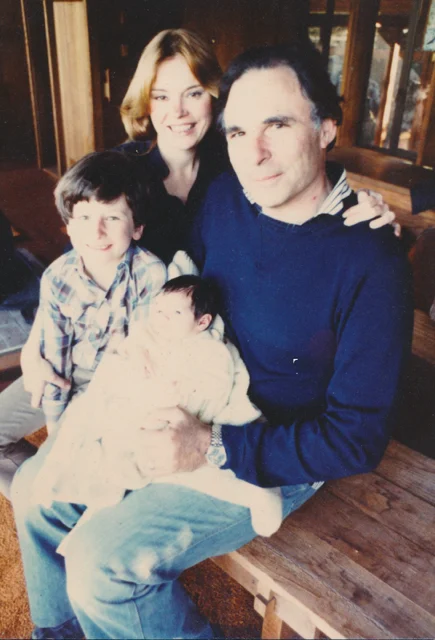
San Francisco, CA, November 17, 2025 – The world of psychology and affective science has lost one of its most influential figures. Dr. Paul Ekman, a renowned psychologist whose groundbreaking research irrevocably shaped our understanding of human emotion, facial expression, deception, and compassion, passed away peacefully at his home at the age of 91, surrounded by his family. His passing marks the end of an era for a field he not only advanced but, in many ways, defined.
Dr. Ekman’s illustrious career, spanning over six decades, was characterized by an unyielding curiosity and a rigorous scientific approach. His work transcended the boundaries of traditional psychology, forging crucial links with anthropology, neuroscience, and even popular culture. He is widely credited with establishing the scientific study of facial expressions as a legitimate and vital field of inquiry, demonstrating the universality of certain emotional expressions across diverse cultures and even among pre-literate societies. This discovery alone revolutionized the way scientists and the public alike perceived and interpreted human communication.
The genesis of Dr. Ekman’s seminal work can be traced back to the mid-20th century, a period when the prevailing scientific view often posited that emotional expressions were largely culturally determined. Dr. Ekman, however, embarked on a series of ambitious cross-cultural studies that would systematically challenge this notion. His expeditions to remote corners of the globe, including Papua New Guinea, where he studied the Fore people, provided compelling evidence for the existence of universal facial expressions associated with basic emotions. These findings, published in landmark papers and his influential book "Emotion in the Human Face," laid the foundation for a more unified understanding of human emotional experience.
"Paul brought his remarkable intellect, observational skills, and unflagging energy to illuminate the ways we express and feel our emotions and how they are embodied in our physiology," stated Dr. Robert W. Levenson, Ph.D., of the Department of Psychology at the University of California, Berkeley. "His research, theorizing, and ideas for how emotions could be harnessed in service of the greater good galvanized what was a small niche area of research into a vibrant and thriving research area that will continue to be hugely influenced by his work and vision."
A cornerstone of Dr. Ekman’s scientific legacy is the development of the Facial Action Coding System (FACS). Created in collaboration with Wallace Friesen, FACS is a comprehensive, anatomically based system for describing all observable facial movements. It meticulously breaks down facial expressions into their constituent muscle actions, providing an objective and quantifiable method for analyzing emotional displays. This system became an indispensable tool for researchers worldwide, enabling precise measurement and comparison of facial expressions across different contexts and individuals. The subsequent development of Micro Expression Training Tools, derived from FACS, democratized the ability to detect fleeting, involuntary facial signals of emotion, which often betray concealed feelings. These tools have found widespread application in fields ranging from law enforcement and security to clinical psychology and interpersonal communication training.
Dr. Ekman’s intellectual curiosity and his commitment to applying scientific knowledge to real-world problems led him to explore the complex domain of deception. His research on the subtle cues that can indicate a lie, often referred to as "microexpressions," became particularly influential. His book "Telling Lies" remains a seminal work in the field, offering insights into the psychology of deception and the behavioral indicators that can accompany it. This work also formed the basis for the highly popular television series "Lie to Me," which brought the science of microexpressions and deception detection to millions of viewers globally, sparking widespread public interest in the nuances of human behavior. Dr. Ekman served as a scientific advisor for the show, ensuring its portrayal of psychological principles was grounded in scientific evidence, albeit dramatized for entertainment.
Beyond the scientific community, Dr. Ekman fostered a deep engagement with broader ethical and humanitarian issues, most notably through his profound friendship and collaborations with His Holiness the Dalai Lama. Their shared interest in the cultivation of positive emotions and the alleviation of suffering led to significant joint projects. A key outcome of this collaboration was the development of the interactive online tool, the Atlas of Emotions, co-created by Dr. Ekman and his daughter, Dr. Eve Ekman. This ambitious project, inspired by the Dalai Lama’s teachings, aims to provide individuals with a greater understanding of their emotional lives, offering a framework for navigating the complexities of feelings and fostering emotional literacy. Furthermore, their work together on "Cultivating Emotional Balance" (CEB) has provided scientifically informed training programs that integrate contemplative practices with psychological insights to enhance emotional regulation and well-being.
Dr. Eve Ekman, Ph.D., director of the Paul Ekman Group and a contemplative social scientist, reflected on her father’s multifaceted legacy: "My dad’s commitment to rigorous science, love of discovery, and dedication to alleviating pain from destructive emotions were at the very core of his brilliant mind and accomplishments. However, his huge heart and ability to vulnerably share his own struggles with emotions were what made him beloved by so many. He was an incredibly loving dad – a lover of life and unrelentingly curious."
Dr. Ekman’s influence also extended to the realm of children’s education and entertainment. He served as a scientific advisor for Pixar’s critically acclaimed animated film "Inside Out," which beautifully illustrated the concept of emotions as distinct entities within a young girl’s mind. His expertise was instrumental in shaping the film’s portrayal of core emotions, making complex psychological concepts accessible and engaging for audiences of all ages. This collaboration underscored his lifelong dedication to bridging the gap between scientific research and public understanding.
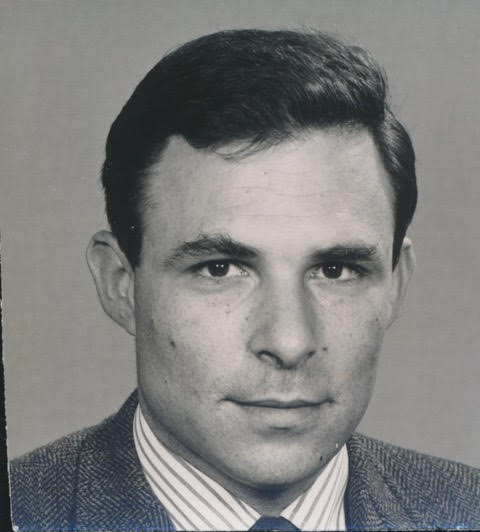
The Paul Ekman Group, now under the leadership of Dr. Eve Ekman, will continue to advance his mission. The organization is committed to making emotional awareness, empathy, and truthfulness accessible worldwide through science-based education and training. Dr. Ekman’s passing leaves an immeasurable void, but his extensive body of work, his influential theories, and his profound impact on both academic research and public consciousness ensure that his legacy will endure.
Dr. Ekman’s prolific output includes numerous academic publications, seminal books such as "Emotions Revealed," and contributions to a wide array of professional journals and popular media. His research has been cited tens of thousands of times, underscoring the vast reach and enduring relevance of his contributions. The chronological arc of his career illustrates a remarkable progression from foundational cross-cultural studies of emotion to sophisticated applications in areas like deception detection, emotional regulation, and compassionate action.
The scientific community has responded with profound sadness and deep respect. Tributes have poured in from psychologists, anthropologists, neuroscientists, and professionals from diverse fields who have been touched by his work. Many have highlighted his unique ability to translate complex scientific findings into understandable and actionable insights, making his contributions accessible to a broad audience.
The broader implications of Dr. Ekman’s work are far-reaching. His research on universal facial expressions has provided a foundation for understanding nonverbal communication across cultural divides, facilitating improved intercultural relations and diplomacy. His work on deception detection has informed criminal justice practices and enhanced our understanding of interpersonal trust. Furthermore, his later focus on compassion and emotional balance has offered practical tools for individuals and societies seeking to foster greater well-being and reduce conflict.
In the coming months, a documentary celebrating Dr. Ekman’s life and scientific legacy is slated for completion, offering a comprehensive exploration of his remarkable journey and enduring impact. Those wishing to contribute to the film’s final production can find more information and donation opportunities online. The Paul Ekman Group is also actively collecting reflections, stories, photographs, and messages of appreciation from colleagues, students, and readers worldwide to be featured on a dedicated memorial page, creating a collective tribute to his influential life.
Dr. Ekman is survived by his children, Eve Ekman and Tom Ekman, and a large, loving community of friends who considered him family. His intellectual rigor, his deep humanity, and his unwavering dedication to understanding and improving the human emotional experience have left an indelible mark on the world.
Timeline of Key Contributions and Milestones:
- Mid-20th Century: Early academic career, laying the groundwork for cross-cultural research on emotion.
- 1960s-1970s: Groundbreaking cross-cultural studies demonstrating the universality of basic facial expressions of emotion in various global populations. Publication of seminal research findings.
- 1970s: Development of the Facial Action Coding System (FACS) with Wallace Friesen, providing a standardized method for analyzing facial movements.
- 1980s: Continued research on microexpressions and deception detection. Publication of influential books such as "Telling Lies."
- 1990s-2000s: Expansion of work into the application of emotional science, including collaborations with His Holiness the Dalai Lama. Development of Micro Expression Training Tools.
- 2000s-2010s: Advising on popular media productions like "Lie to Me" and Pixar’s "Inside Out." Co-creation of the Atlas of Emotions and Cultivating Emotional Balance programs.
- 2010s-2020s: Continued leadership and advocacy for emotional intelligence and well-being through the Paul Ekman Group.
Dr. Ekman’s passing is a profound loss, but his scientific insights and his vision for a more emotionally intelligent and compassionate world will continue to inspire and guide future generations.
