

Curriculum Night, a cornerstone event in the academic calendar, serves as a vital platform for fostering collaboration between schools and families, offering parents a crucial glimpse into their child’s educational journey. For Speech-Language Pathologists (SLPs), this evening represents a unique and invaluable opportunity to transcend traditional service delivery models, connect directly with parents, demystify the complexities of speech and language therapy, and underscore their indispensable role within the broader educational ecosystem. Far from being a mere informational session, a well-executed Curriculum Night presentation by an SLP can significantly empower parents, cultivate deeper understanding, and ultimately enhance student outcomes in communication and academic performance.
Understanding the Evolution of Curriculum Night and the SLP’s Integral Role
Historically, Curriculum Night, sometimes known as "Open House" or "Back-to-School Night," originated as a chance for parents to meet teachers and briefly understand classroom expectations. Over the decades, its scope has broadened considerably, evolving into a more comprehensive educational showcase where specialists, including SLPs, play an increasingly prominent role. This shift reflects a growing recognition of the interconnectedness of various educational services and the understanding that student success hinges on a holistic support system. For SLPs, whose work often takes place in specialized settings or pull-out sessions, Curriculum Night offers a rare chance to step into the spotlight and articulate the profound impact of their interventions.
The role of an SLP extends far beyond addressing articulation errors; it encompasses a vast spectrum of communication disorders, including language delays, fluency disorders, voice disorders, and social communication challenges, all of which directly affect a child’s ability to learn, interact, and thrive in school. According to the American Speech-Language-Hearing Association (ASHA), approximately 1 in 12 children aged 3-17 years in the U.S. has had a disorder of voice, speech, language, or swallowing in the past 12 months. This statistic alone underscores the prevalence and critical need for SLP services within schools. Curriculum Night becomes a public relations event, allowing SLPs to educate parents on early identification, intervention strategies, and the critical link between communication skills and literacy, academic achievement, and social-emotional development.
Strategic Approaches for Maximizing SLP Engagement at Curriculum Night
To effectively leverage Curriculum Night, SLPs must adopt a strategic approach that is informative, engaging, and directly responsive to parental needs. The following five pillars form the foundation of a successful SLP presentation, transforming it from a routine obligation into a powerful advocacy and educational event.
1. Responsive Programming: Addressing Parental Queries and Practical Needs
The cornerstone of an impactful Curriculum Night presentation lies in its ability to address the genuine concerns and common challenges parents face regarding their child’s speech and language development. Rather than offering a generic overview of services, SLPs should prioritize topics that resonate directly with families and provide actionable solutions. This requires foresight and potentially pre-event surveys to gauge parental interest or common questions.
Topics such as "Early Language Milestones: What to Watch For and How to Support Them at Home," "Effective Strategies for Encouraging Communication in Non-Verbal Children," "Understanding the Link Between Speech Sounds and Reading," or "Navigating Social Communication in the Digital Age" are often highly pertinent. For instance, addressing common difficulties like "How to Reduce Screen Time’s Impact on Language Development" or "Strategies for Encouraging Conversational Turn-Taking at Family Dinners" can immediately provide parents with tangible steps. Dr. Elena Rodriguez, a leading expert in pediatric speech pathology, emphasizes, "Parents are seeking practical, implementable strategies. When an SLP can offer clear, evidence-based techniques that families can integrate into their daily routines, it builds trust and demonstrates the direct relevance of therapy beyond the school walls." This problem-solving orientation ensures that parents leave with a sense of empowerment and clear action steps, rather than just abstract information.
2. Bridging the Jargon Gap: Communicating Effectively with Families
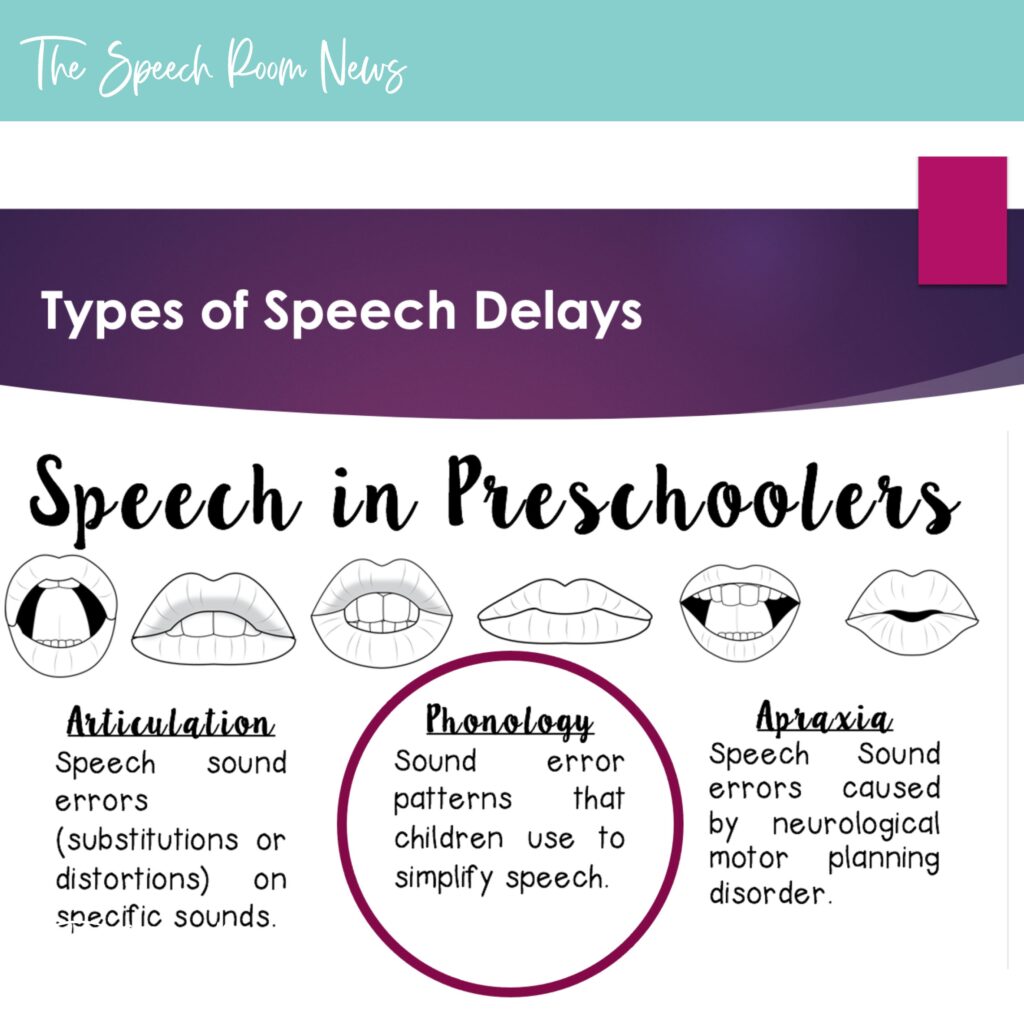
The field of special education, and speech-language pathology in particular, is replete with specialized terminology and acronyms (e.g., IEP, FAPE, phonological processes, receptive/expressive language, AAC). While these terms are essential for professional communication, they can be overwhelming and alienating for parents who are often new to the "speech and language world." A fundamental principle for SLPs at Curriculum Night is to translate complex concepts into accessible, parent-friendly language.
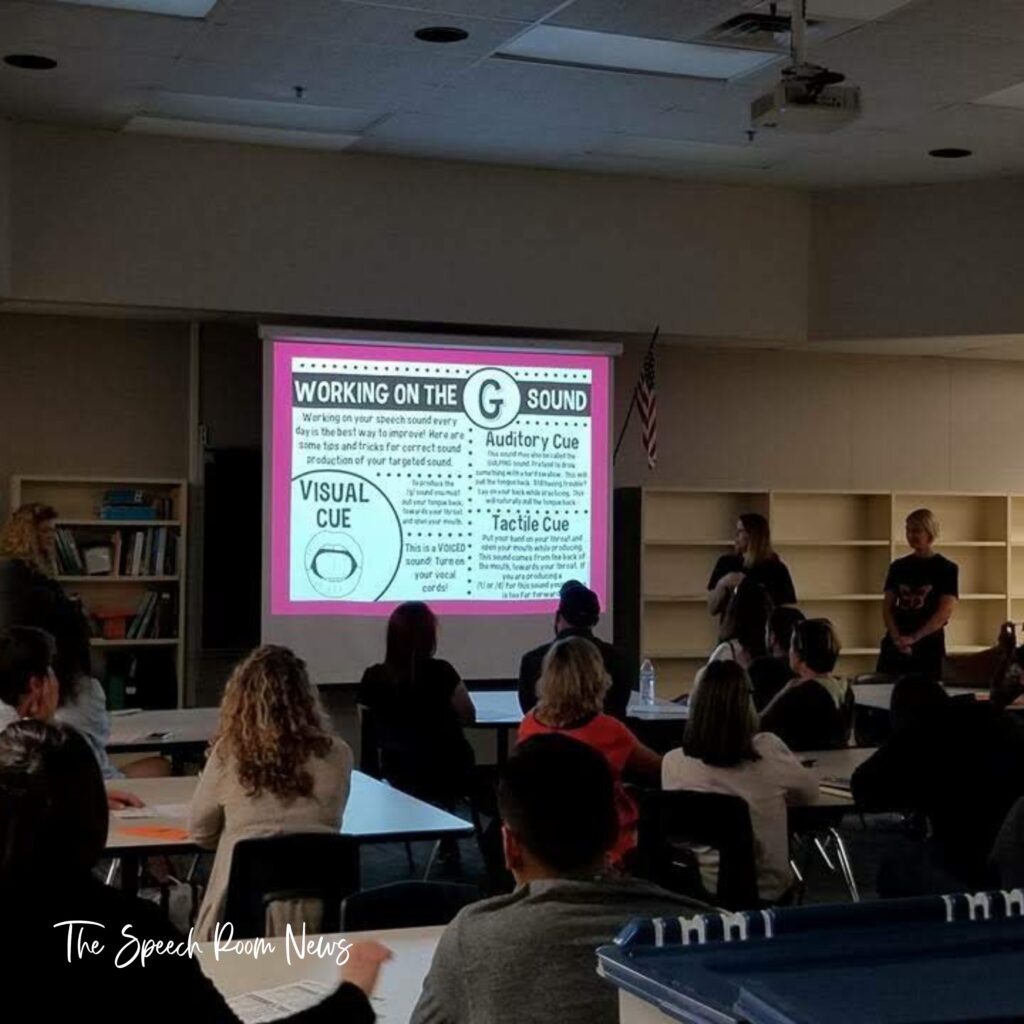
This means consciously avoiding jargon, explaining technical terms simply, and using relatable analogies. For example, instead of discussing "phonological processes," an SLP might explain "patterns of sound errors children make as they learn to talk." Visual aids, such as simple diagrams illustrating the speech production process or charts depicting language development milestones, can be invaluable. A spokesperson for the American Speech-Language-Hearing Association (ASHA) noted, "Clear and transparent communication is paramount. When professionals simplify complex information, it not only fosters understanding but also strengthens the collaborative partnership between home and school, reducing anxiety and increasing parental engagement." The goal is to ensure that every parent, regardless of their background or prior knowledge, feels informed and understood, fostering a sense of partnership rather than confusion.
3. Fostering Active Participation: Interactive Workshops and Tangible Resources
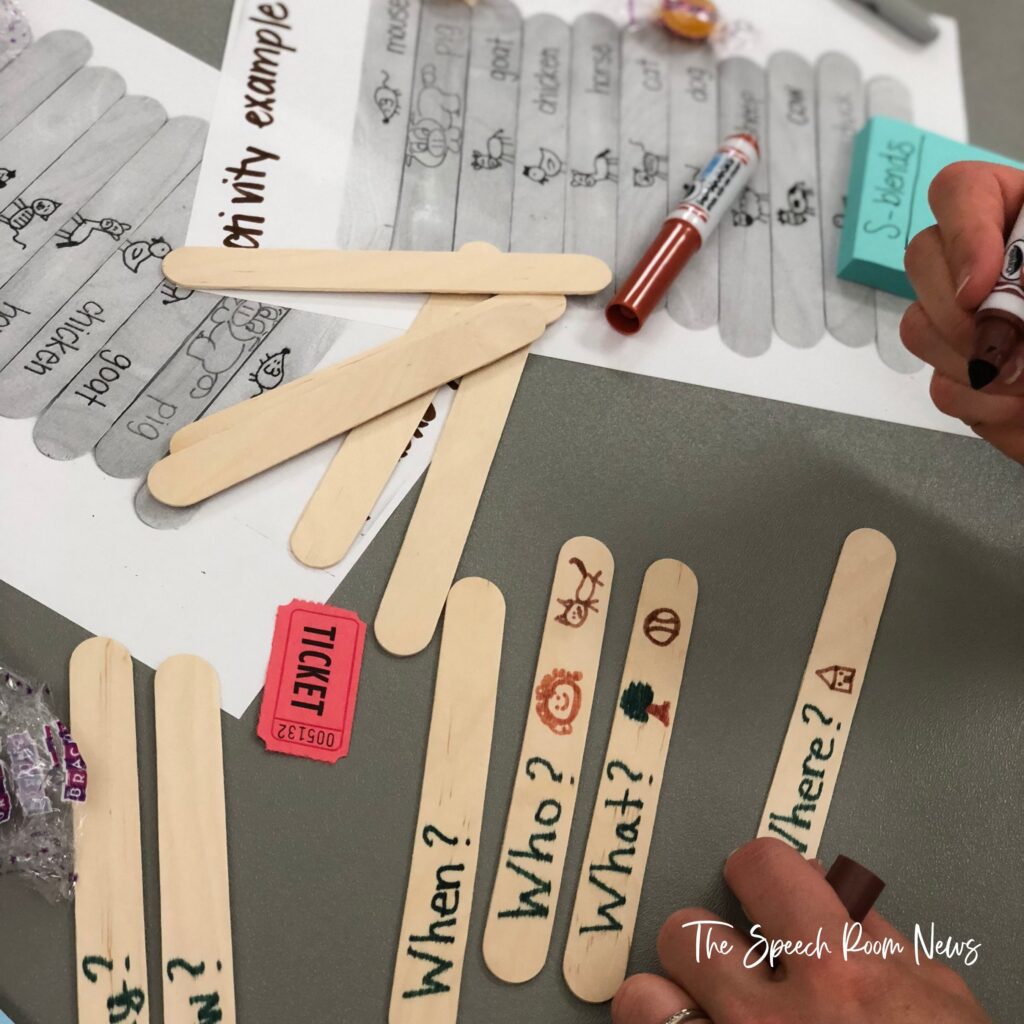
To move beyond passive listening, incorporating an interactive "Make and Take" activity can significantly enhance engagement and provide parents with practical tools for home use. This hands-on approach taps into adult learning principles, promoting deeper understanding and immediate application of strategies. Research in adult education consistently shows that experiential learning leads to higher retention rates and a greater sense of ownership over the material.
Examples of effective "Make and Take" activities for SLPs include:
- Creating Simple Communication Boards: Using pictures or symbols for common requests, empowering parents to support early communicators.
- Crafting Visual Schedules: Helping parents design personalized daily schedules with visuals to support children with routines and transitions.
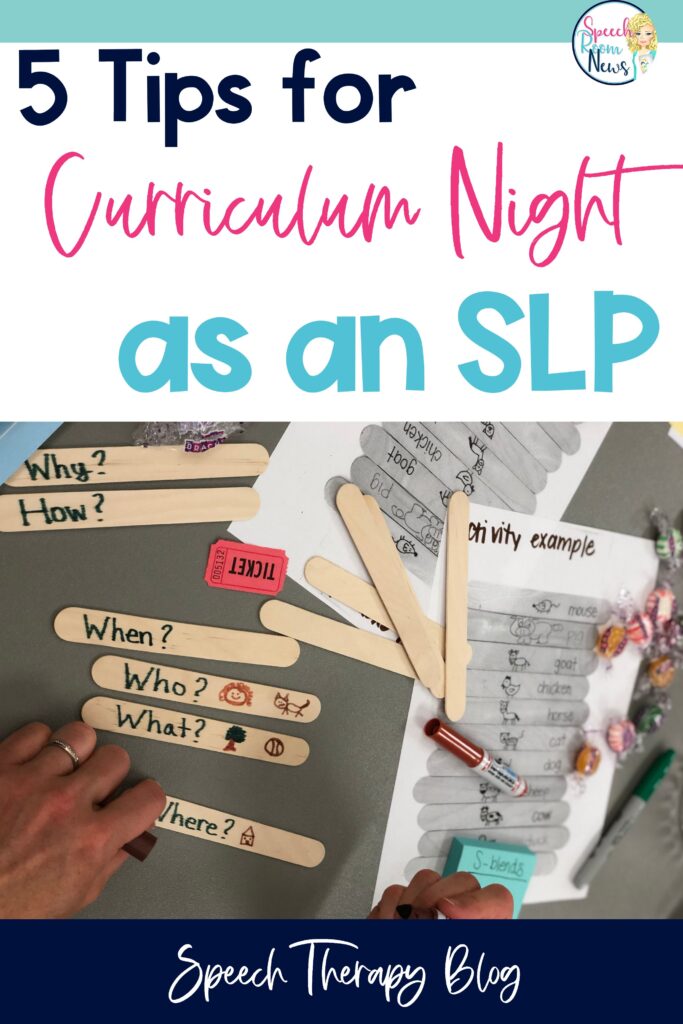
- Developing Articulation Practice Games: Showing parents how to create simple games using household items (e.g., "sound bingo" with common objects, "wh-question sticks") to practice target sounds or language concepts.
- Building Social Story Strips: Guiding parents in creating short, personalized stories to prepare children for new social situations or teach desired behaviors.
These activities not only provide parents with tangible resources but also reinforce the importance of their active role in their child’s therapeutic process. A local parent advocate, Mrs. Sarah Chen, remarked, "The ‘Make and Take’ session was incredibly helpful. I left with a visual schedule I made myself, and it’s something I actually use every day. It felt like I was learning practical skills, not just being lectured."
4. Extending Learning Beyond the Event: Comprehensive Handouts and Digital Resources
The information presented during Curriculum Night can be extensive, and parents may struggle to recall all the details. Providing informative handouts is a simple yet powerful strategy to ensure key takeaways are remembered and can be referenced later. These resources serve as a bridge between the presentation and ongoing parental support.
Effective handouts should be concise, well-organized, and visually appealing. They should summarize key points, provide a list of practical strategies discussed, and include contact information for the SLP and other relevant school personnel. Additionally, incorporating QR codes that link to online resources—such as reputable websites for communication development, videos demonstrating specific techniques, or district-specific portals—can greatly extend the reach of the information. Providing recommended reading materials, local support groups, or community-based therapy options further solidifies the SLP’s role as a comprehensive resource. This approach demonstrates a commitment to sustained support and equips parents with a valuable toolkit to refer back to in the days and weeks following the event, reinforcing their capacity as active partners in their child’s educational journey.
5. Cultivating Collaboration: The SLP as a Partner in Education
Beyond the immediate goal of informing parents, a well-executed Curriculum Night presentation by an SLP serves a broader, more systemic purpose: cultivating a strong, collaborative partnership between families and the entire educational team. When parents feel informed, supported, and heard, their engagement with the school increases, leading to more consistent home-school communication, improved follow-through on therapeutic strategies, and a greater sense of shared responsibility for the child’s progress.
This collaborative spirit can significantly impact a child’s educational trajectory. Data from various educational studies consistently indicates that high levels of parental involvement correlate with improved academic achievement, better social skills, and reduced behavioral issues. By effectively communicating their role and offering tangible support, SLPs contribute directly to this vital parent-school synergy. Furthermore, these events raise awareness among other educators and administrators about the specialized expertise SLPs bring to the school environment, fostering a more integrated approach to student support services.
Broader Impact and Future Implications
The strategic engagement of Speech-Language Pathologists at Curriculum Night has far-reaching implications. It not only empowers individual families but also elevates the perception and understanding of the SLP profession within the broader community. Increased awareness can lead to earlier identification of communication disorders, facilitating timely intervention that is crucial for optimal developmental outcomes. Early intervention has been shown to significantly mitigate the long-term impact of communication challenges on academic success, social integration, and overall quality of life.
Looking ahead, the landscape of parental engagement may continue to evolve. The integration of virtual or hybrid Curriculum Night formats, spurred by recent global events, presents new opportunities for accessibility and broader participation, particularly for parents with demanding schedules or transportation barriers. SLPs can leverage these digital platforms to reach an even wider audience, perhaps through pre-recorded presentations, live Q&A sessions, or interactive online workshops, further cementing their role as essential partners in the comprehensive support of student communication development.
In conclusion, Curriculum Night is more than just an annual school event; it is a critical juncture for Speech-Language Pathologists to connect, educate, and empower. By thoughtfully selecting topics, simplifying complex information, fostering interactive engagement, providing lasting resources, and embracing their role as collaborative partners, SLPs can transform this evening into a powerful demonstration of their vital contribution to student success and family well-being. The benefits ripple outward, strengthening school-home partnerships, enhancing community understanding of communication disorders, and ultimately, ensuring that every child has the opportunity to find their voice and thrive.
