


Curriculum Night stands as a cornerstone event in the academic calendar, a crucial opportunity for schools to forge connections with families and illuminate the educational journey awaiting students. For Speech-Language Pathologists (SLPs), this evening transcends a mere introduction; it is a vital platform to showcase the profound impact of speech and language therapy, demystify complex concepts, and foster invaluable home-school collaboration. In an increasingly integrated educational landscape, the effective engagement of parents by SLPs during Curriculum Night is not just beneficial but essential for optimizing student outcomes and enhancing the overall educational experience.
Understanding Curriculum Night: A Foundational Overview
Traditionally, Curriculum Night has served as an open house for parents to meet classroom teachers, understand academic expectations, and gain insights into the pedagogical approaches for the upcoming year. It’s a structured event, typically held early in the school year, designed to immerse parents in their child’s learning environment. The format often involves brief presentations in classrooms, followed by opportunities for questions. Its core purpose is to inform, engage, and build a partnership between home and school, ensuring parents feel involved and well-informed about their child’s educational trajectory.
Over the decades, the scope of Curriculum Night has expanded beyond core academic subjects to include specialist educators. This evolution reflects a growing understanding of holistic child development, acknowledging that academic success is intertwined with various support services, including special education, counseling, and speech-language pathology. For SLPs, this inclusion represents a significant acknowledgment of their integral role within the educational ecosystem, moving beyond a purely clinical perception to one of a key contributor to overall student well-being and academic readiness.

The Indispensable Role of Speech-Language Pathologists in Education
Speech-Language Pathologists in schools are far more than just "speech teachers." They are highly trained professionals who diagnose and treat communication disorders that affect a child’s ability to learn, socialize, and express themselves. Their expertise spans a wide array of areas, including articulation, fluency, voice, receptive and expressive language, social communication, and feeding/swallowing disorders. The American Speech-Language-Hearing Association (ASHA) reports that approximately 1 in 12 children aged 3-17 in the U.S. have had a disorder of speech, voice, or language in the past 12 months, underscoring the prevalence and critical need for SLP services within educational settings.
The integration of SLPs into the school fabric ensures that students with communication challenges receive timely and appropriate support, directly impacting their academic performance, social interactions, and long-term life success. By improving communication skills, SLPs empower students to better access the curriculum, participate in classroom discussions, build friendships, and advocate for their needs. Curriculum Night offers SLPs a unique opportunity to articulate this multifaceted role to parents, who may otherwise have limited understanding of the breadth and depth of speech and language therapy.
Strategic Engagement: Core Principles for SLPs at Curriculum Night
To maximize the impact of their presence at Curriculum Night, SLPs must adopt a strategic approach that prioritizes clarity, relevance, and actionable insights for parents. The following principles, drawn from best practices in parent engagement and educational communication, provide a robust framework:

1. Focusing on Parent-Identified Needs: Solving Real-World Problems
A cornerstone of effective parent engagement is addressing their immediate and tangible concerns. Instead of merely outlining services, SLPs should frame their presentations around common challenges parents face regarding their child’s communication development. This approach transforms a descriptive session into a problem-solving dialogue. For instance, parents often worry about their child’s difficulty making friends, struggles with reading comprehension, or frustration when trying to express themselves. These are direct consequences of underlying communication challenges that SLPs address.
By proactively identifying these "real problems," SLPs can tailor their topics to resonate deeply. This might involve conducting brief pre-event surveys, reviewing frequently asked questions from previous years, or collaborating with classroom teachers to understand prevalent parent concerns. Topics could range from "Strategies for Enhancing Early Language Development at Home" for preschool parents, to "Supporting Social Communication Skills in Elementary School" or "Navigating Academic Language Demands for Middle Schoolers." When parents perceive that the SLP is directly addressing their anxieties and offering practical solutions, trust is built, and engagement deepens. Research consistently shows that parental involvement, particularly when it addresses specific learning needs, correlates positively with improved academic outcomes and student motivation.
2. Bridging the Jargon Gap: The Imperative of Parent-Friendly Language
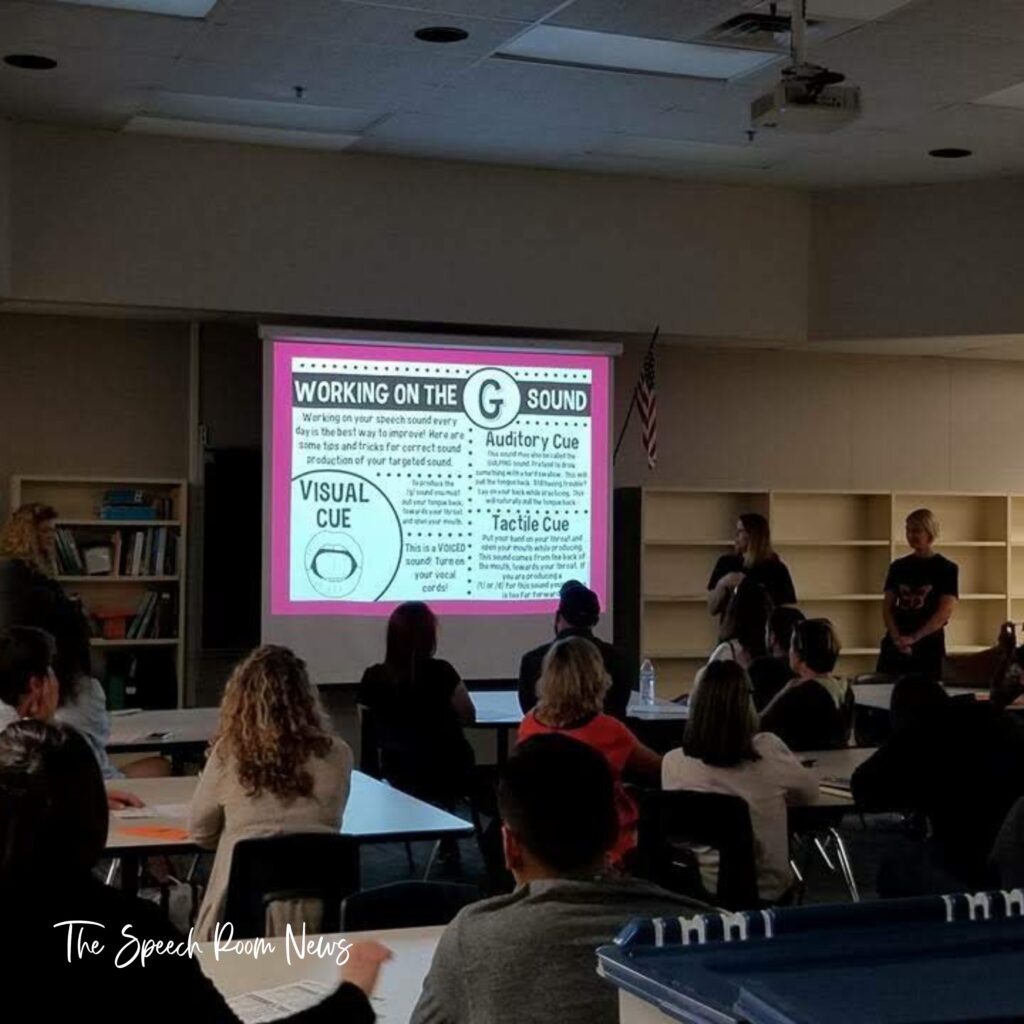
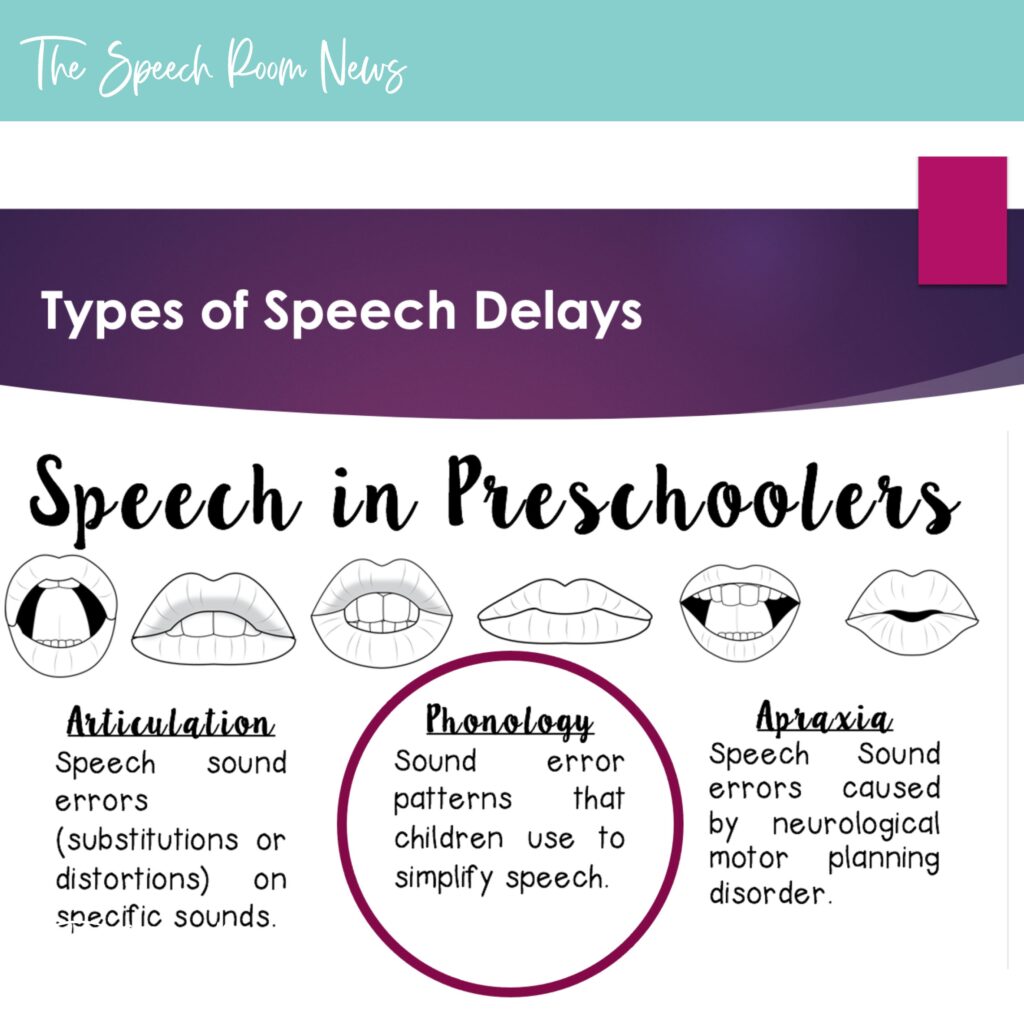
The field of speech-language pathology, like many specialized disciplines, is rich with technical jargon and acronyms (e.g., phonological processes, receptive-expressive language disorder, AAC, IEP, FAPE). While these terms are essential for professional communication, they can be bewildering and alienating for parents, many of whom are encountering these concepts for the first time. The goal of Curriculum Night is to inform and empower, not to overwhelm or confuse.
SLPs must consciously translate complex clinical terminology into accessible, everyday language. As one practitioner aptly puts it, "Explain it as if you’re talking to a fifth grader." This means using simple sentences, avoiding abbreviations without clear explanations, and employing relatable analogies. For example, instead of discussing "auditory processing disorder," an SLP might describe it as "difficulty understanding spoken information, especially in noisy environments, much like trying to hear someone clearly when there’s a lot of background chatter." Visual aids, concrete examples of typical communication development, and brief case studies (anonymized) can further enhance comprehension. The objective is to ensure parents leave with a clear understanding of their child’s needs and the therapeutic process, rather than feeling lost in a sea of unfamiliar terms. This empathetic communication approach is vital for establishing a collaborative partnership.
3. Empowering Through Action: The Value of "Make and Take" Activities
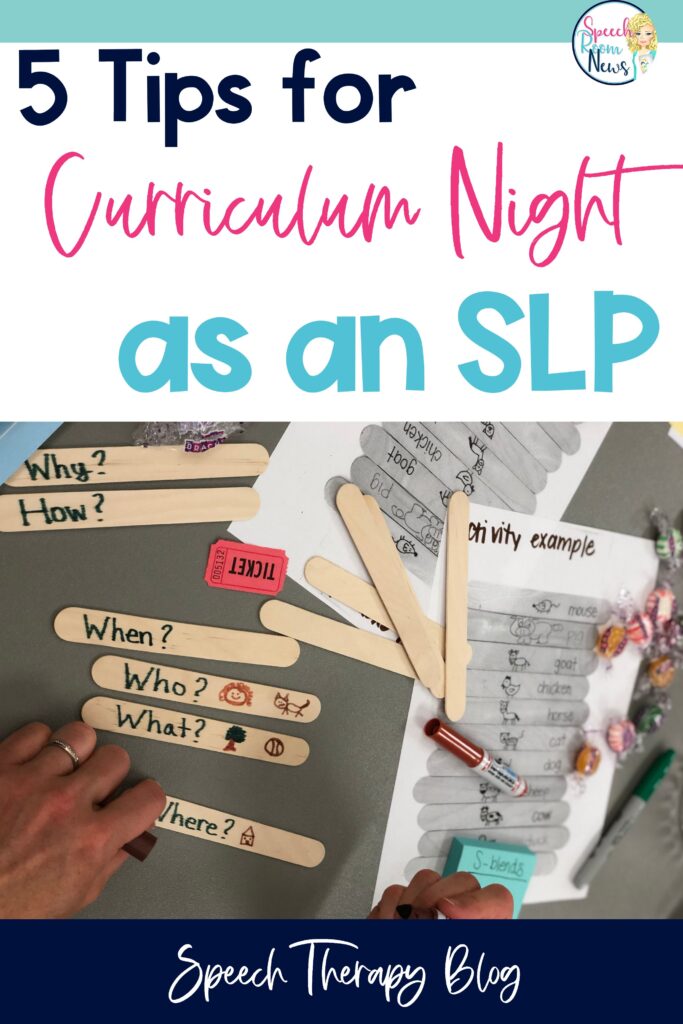
An interactive "Make and Take" component can transform a passive presentation into an engaging, hands-on learning experience. This strategy capitalizes on adult learning principles, which suggest that active participation enhances retention and application of new information. By creating a tangible tool, parents not only learn a strategy but also leave with a ready-to-use resource for home practice.
Examples of effective "Make and Take" activities are diverse and can be tailored to various age groups and communication goals:
- For Early Language: Crafting simple picture communication boards (e.g., "I want," "more," "all done"), creating personalized "Wh-question sticks" (e.g., sticks with "who," "what," "where" prompts), or assembling a mini-book of high-frequency words.
- For Articulation: Developing sound-specific practice cards with target words and pictures, or creating a "speech sound scavenger hunt" list.
- For Social Skills: Building a simple visual schedule for daily routines, or designing "emotion cards" to help children identify and express feelings.
The "Make and Take" activity reinforces the importance of consistent home practice, which is a critical factor in the generalization of learned skills. It empowers parents by giving them concrete, practical tools and demonstrates how therapy principles can be integrated into everyday family life. This direct application fosters a sense of agency and reinforces their vital role in their child’s therapeutic journey.
4. Sustained Support: The Indispensable Role of Informative Handouts
While a compelling presentation and an engaging activity are crucial, the information shared during Curriculum Night can be extensive. Providing parents with well-designed, informative handouts ensures that the key takeaways are not lost once they leave the school building. These handouts serve as a valuable reference guide, allowing parents to revisit concepts, strategies, and resources at their own pace.
Effective handouts should be:
- Concise and Organized: Summarize key points, strategies, and developmental milestones in an easy-to-read format. Use bullet points, clear headings, and ample white space.
- Actionable: Include specific, practical tips for supporting speech and language development at home. For example, "Model correct pronunciation," "Engage in shared book reading," or "Encourage descriptive language during play."
- Resource-Rich: List recommended books, websites, apps, or community resources that parents can explore for further support.
- Contact Information: Clearly state the SLP’s contact details (email, phone number) for any follow-up questions or concerns. This reinforces open lines of communication and builds a trusting relationship.
Handouts are not merely a summary; they are an extension of the SLP’s commitment to ongoing parent support. They bridge the gap between the brief Curriculum Night interaction and the continuous effort required to support a child’s communication development. Many SLPs find valuable, pre-made parent handouts through professional resources and online platforms, allowing them to focus on personalization and delivery.
Broader Impact and Implications: Fostering a Collaborative Ecosystem
The diligent application of these strategies by SLPs at Curriculum Night yields far-reaching benefits beyond individual parent interactions:
- Enhanced Student Outcomes: When parents are informed, equipped, and engaged, they become powerful allies in the therapeutic process. Consistent practice at home, reinforced by parental understanding, leads to more rapid progress and better generalization of skills. Early identification and intervention, often sparked by heightened parent awareness, can significantly mitigate long-term communication challenges.
- Strengthened Home-School Partnerships: Effective communication from SLPs fosters trust and mutual respect between families and the school. Parents feel valued as partners in their child’s education, leading to greater collaboration, reduced misunderstandings, and a more unified support system for the student. This collaboration is particularly crucial in special education, where individualized education plans (IEPs) require close coordination.
- Increased Visibility and Appreciation for SLP Services: A well-executed Curriculum Night presentation elevates the professional profile of SLPs within the school community. It educates parents, teachers, and administrators about the vital and diverse contributions SLPs make, often dispelling misconceptions about their role and highlighting the specialized expertise they bring. This increased understanding can lead to better resource allocation and integration of SLP services across the curriculum.
- Community Awareness and Advocacy: When parents understand speech and language development, they become informal advocates, sharing knowledge within their social networks. This can lead to earlier recognition of potential communication delays in other children and timely referrals, ultimately benefiting the wider community.
Looking Ahead: The Evolving Landscape of Parent Engagement
As educational technology advances, the methods for parent engagement at events like Curriculum Night continue to evolve. SLPs might explore integrating QR codes on handouts linking to video demonstrations of home strategies, creating interactive online portals with resources, or utilizing virtual reality tours of therapy rooms for remote attendees. The core principles, however, remain constant: clarity, relevance, practicality, and sustained support.
Curriculum Night offers a unique and invaluable opportunity for Speech-Language Pathologists to connect with parents, demystify their essential work, and empower families with the knowledge and tools necessary to support their child’s communication development. By embracing strategic communication, offering actionable solutions, and fostering genuine partnerships, SLPs can ensure that their presence at this crucial event is not just informative, but transformative for students and their families. The success of a child’s educational journey is a shared responsibility, and SLPs stand ready to lead the way in strengthening that crucial home-school collaboration.
