

In early intervention speech therapy, picture books serve as indispensable resources to support language development and enhance communication skills in young children. These carefully selected literary tools are not merely entertainment; they are strategically employed by Speech-Language Pathologists (SLPs) to target specific speech and language goals, creating an engaging, multi-sensory learning experience that lays a robust foundation for future academic and social success. The intentional integration of picture books into therapeutic sessions has been consistently shown to accelerate language acquisition, improve communicative competence, and foster critical cognitive abilities in children from birth to approximately three years of age.
Understanding Early Intervention Speech Therapy

Early intervention (EI) in speech therapy represents a proactive and critical approach to addressing speech and language difficulties as soon as they are identified in infancy and early childhood. This specialized field focuses on children from birth to around three years old, a period widely recognized by neuroscientists and developmental psychologists as a critical window for brain development and language acquisition. During these formative years, children’s brains exhibit remarkable plasticity, meaning they are highly adaptable and responsive to environmental stimuli. Early intervention aims to capitalize on this developmental window, implementing targeted strategies to mitigate delays or disorders in communication skills. The primary goal is to support and enhance a child’s communication abilities as early as possible, thereby maximizing their developmental potential and preventing more significant challenges later in life.
Speech-language pathologists collaborate extensively with parents and caregivers, who are active participants in the therapeutic process. This collaborative model ensures that individualized treatment plans are not confined to clinic sessions but are seamlessly integrated into daily routines and natural environments, such as the home. This "carryover" is crucial, as consistent exposure and practice in familiar settings amplify the therapy’s effectiveness. Early identification and intervention are paramount, as research indicates that children receiving timely support demonstrate significantly improved outcomes compared to those whose difficulties are addressed later. For instance, studies published in journals like the Journal of Speech, Language, and Hearing Research frequently highlight the long-term benefits of early phonological awareness and vocabulary building, directly impacting literacy rates and academic achievement. The American Speech-Language-Hearing Association (ASHA) consistently advocates for early screening and intervention, underscoring its pivotal role in improving developmental trajectories for children with communication disorders, which affect an estimated 8-12% of preschool-aged children.
The Scientific Basis: Why Books are Potent Therapeutic Instruments
The efficacy of incorporating picture books into speech therapy is underpinned by extensive research in child development, cognitive science, and linguistics. Books are far more than simple narratives; they are dynamic platforms for learning that engage multiple cognitive functions simultaneously.
-
Promoting Language and Vocabulary Development: Picture books expose children to a rich and diverse lexicon that extends beyond everyday conversation. Through repeated readings and guided discussions, SLPs can introduce new words, reinforce concepts, and encourage the nuanced use of expressive language. This contextual learning, where new words are encountered within a meaningful story, facilitates deeper comprehension and retention. SLPs employ techniques such as modeling (demonstrating correct pronunciation and grammar), expansion (rephrasing and adding to a child’s utterance), and recasting (correcting a child’s utterance while maintaining its meaning) to build both receptive (understanding) and expressive (producing) language skills. The visual cues in picture books also aid in semantic mapping, helping children connect words to their meanings and build conceptual categories.
-
Enhancing Storytelling and Narrative Skills: Engaging with books is fundamental to nurturing storytelling abilities and developing sophisticated narrative skills. As children follow plots, identify with characters, and understand sequences of events, they learn about story structure, cause-and-effect relationships, and the temporal organization of information. These elements are essential for developing coherent communication, enabling children to recount personal experiences, explain concepts, and participate effectively in conversations. Furthermore, shared reading experiences contribute to phonological awareness—the ability to recognize and manipulate sounds in spoken language—a critical precursor to reading and writing. Regular exposure to narrative structures in books helps children develop an internal framework for organizing their thoughts and conveying them logically, a skill that transcends speech therapy and impacts all areas of learning.
-
Stimulating Imagination and Creativity: Picture books transport children to imaginative worlds, fostering creativity, abstract thinking, and critical analysis. They encourage children to visualize and describe scenes, characters, and events, thereby promoting robust expressive language and descriptive skills. This imaginative play, often sparked by story elements, allows children to explore different perspectives, engage in problem-solving, and develop cognitive flexibility. For instance, discussing "What do you think happens next?" or "How would you feel if you were that character?" encourages inferential thinking and emotional literacy, expanding their capacity for empathy and self-expression.
-
Fostering Social-Emotional Development: Beyond linguistic benefits, shared book reading is a powerful vehicle for social-emotional growth. It naturally promotes joint attention, where the child and therapist or parent focus together on the same object or activity, a foundational skill for social interaction. Turn-taking during reading (e.g., "It’s your turn to point," "My turn to read") models conversational reciprocity. Characters in stories often navigate emotions and social dilemmas, providing opportunities for children to learn about different feelings, develop emotional vocabulary, and understand social cues. The intimate act of sharing a book also strengthens the bond between child and caregiver, creating positive associations with communication and learning.
A Curated Selection: Picture Book Categories for Targeted Therapy
SLPs strategically select books based on a child’s individual needs and developmental stage. Certain categories of picture books offer distinct advantages in early intervention settings due to their design and interactive potential.
-
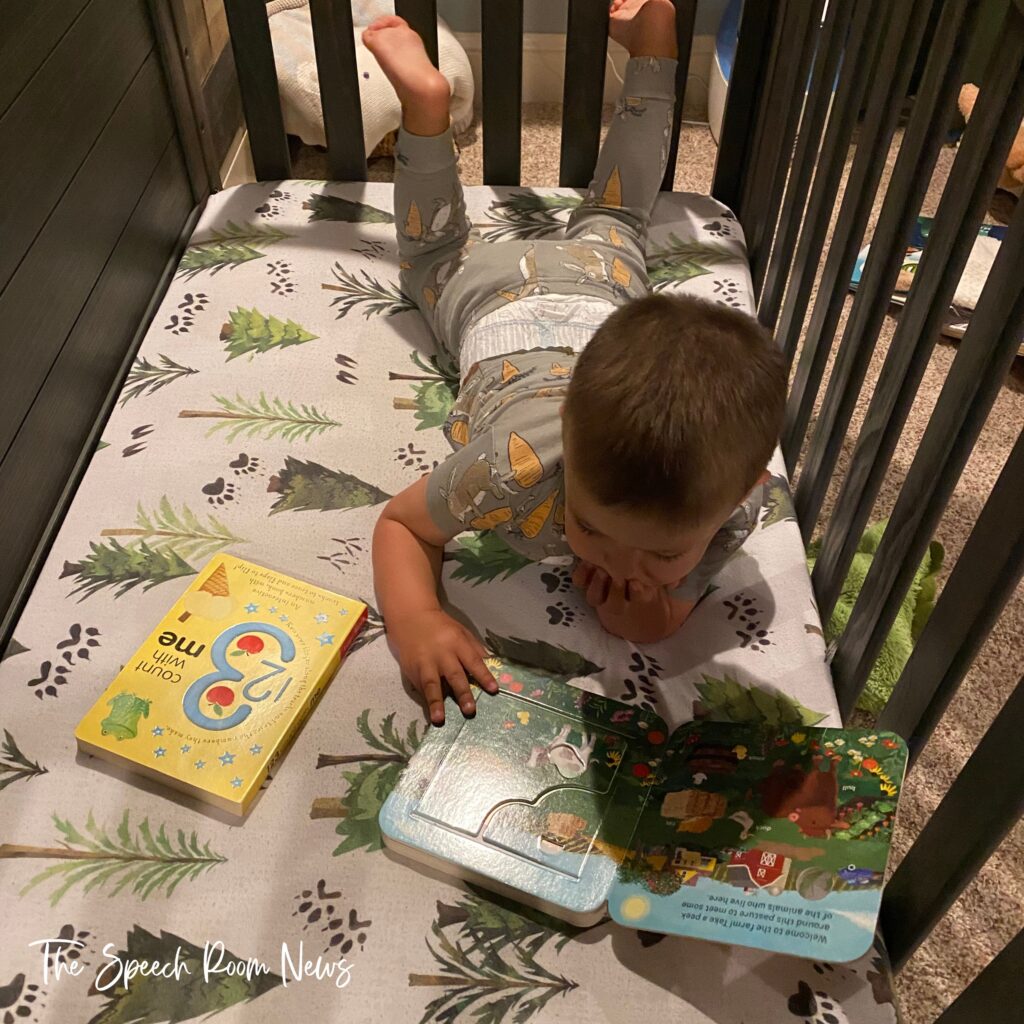
Interactive Books: These books are specifically designed to encourage physical engagement, promoting active participation and multi-sensory learning. They often feature elements like lift-the-flaps, textures (touch-and-feel), pull-tabs, or pop-ups.
- Therapeutic Benefits: Interactive books are excellent for increasing attention span, developing fine motor skills, teaching cause-and-effect, and introducing early vocabulary, particularly action verbs (e.g., "lift," "pull"), prepositions (e.g., "under," "behind"), and adjectives (e.g., "soft," "bumpy"). They also provide natural opportunities for requesting (e.g., "open," "more") and practicing early communicative functions.
- Illustrative Examples:
- "Dear Zoo" by Rod Campbell: A classic lift-the-flap book that encourages guessing, animal sounds, and repetitive language, perfect for practicing requesting and early vocabulary.
- "Pat the Bunny" by Dorothy Kunhardt: A seminal touch-and-feel book that introduces sensory words and encourages interaction, facilitating vocabulary expansion and tactile exploration.
- "Press Here" by Hervé Tullet: While not a traditional "touch-and-feel," this book cleverly guides children to interact with the pages by pressing, shaking, or tilting, stimulating imagination and understanding of simple commands.
-
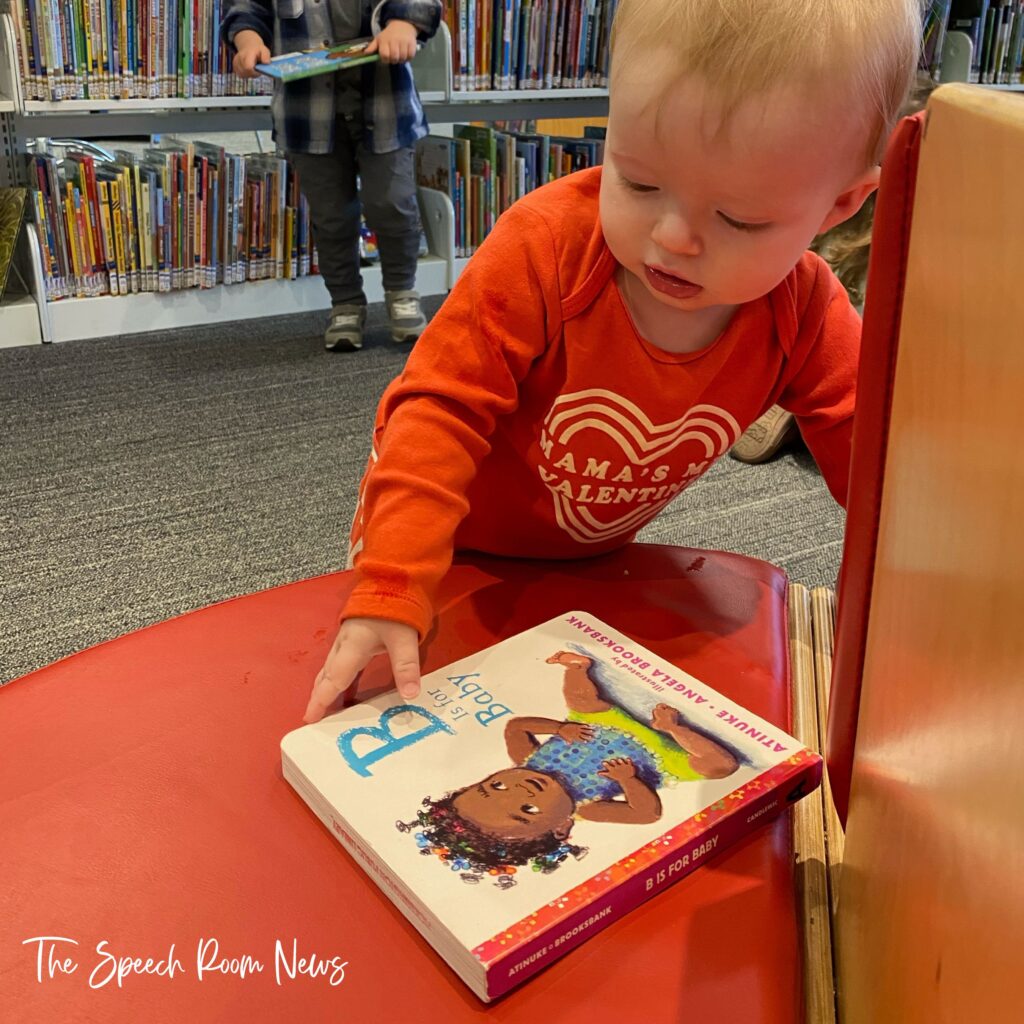
Durable Books: Built to withstand the rigorous handling of young children, durable books are essential for repeated exposure and independent exploration without fear of damage.
- Therapeutic Benefits: Their sturdy construction means children can freely explore, point, and even mouth the books without supervision, fostering independence and repeated engagement with language. They are ideal for developing concepts of print, early book handling skills, and for reinforcing vocabulary through frequent re-readings.
- Illustrative Examples:
- "Brown Bear, Brown Bear, What Do You See?" by Bill Martin Jr. and Eric Carle: Available in robust board book format, its repetitive text and clear illustrations are excellent for color and animal identification, as well as practicing sentence repetition and prediction.
- "The Very Hungry Caterpillar" by Eric Carle: The sturdy board book version allows children to trace the caterpillar’s journey and interact with the die-cut pages, promoting sequencing, counting, and food vocabulary.
-
Board Books: Characterized by their thick, cardboard pages, board books are a staple in early intervention due to their resilience, often repetitive text, engaging pictures, and suitability for incorporating songs and rhymes.
- Therapeutic Benefits: The repetitive text aids in phonological awareness, rhythm, and predictability, which are crucial for early literacy. Their simple narratives and clear illustrations support vocabulary acquisition, concept development (e.g., body parts, actions, emotions), and the development of early communication routines. Many board books lend themselves naturally to singing, adding another layer of auditory engagement.
- Illustrative Examples:
- "Goodnight Moon" by Margaret Wise Brown: Its soothing, repetitive language and detailed illustrations are excellent for expanding vocabulary related to everyday objects and practicing descriptive language.
- "Where Is Baby’s Belly Button?" by Karen Katz: A lift-the-flap board book that encourages body part identification, spatial concepts, and simple question-and-answer routines.
- "From Head to Toe" by Eric Carle: This interactive board book encourages children to mimic animal actions, promoting body awareness, action verbs, and imitation skills crucial for speech development.
The Role of the Speech-Language Pathologist and Family Engagement
The SLP’s role extends beyond merely presenting books; they are experts in adapting and utilizing these resources to meet highly individualized therapeutic goals. This involves selecting books that align with a child’s current developmental level and interests, designing interactive activities around the story, and meticulously collecting data on progress. The SLP models effective reading strategies for parents, demonstrating how to ask open-ended questions, model target language, expand on a child’s utterances, and use gestures or pointing to enhance comprehension.
Family engagement is unequivocally the cornerstone of successful early intervention. Parents and caregivers are trained to become active co-therapists, carrying over learned strategies into the home environment. By creating a language-rich home, consistently engaging in shared reading, and using books as springboards for conversation and play, families provide continuous reinforcement, maximizing the child’s progress. This collaborative model ensures that the therapeutic impact extends far beyond the clinic, embedding language learning into the child’s daily life.
Broader Implications: Long-Term Impact of Early Literacy and Intervention
The investment in early intervention speech therapy, particularly through literacy-rich activities, yields profound long-term benefits that extend far beyond immediate communication improvements. Children who receive effective early intervention are more likely to achieve higher educational outcomes, demonstrating improved reading comprehension, writing skills, and overall academic achievement. This early linguistic proficiency translates into greater ease in school, fostering a positive attitude towards learning.
Socially, enhanced communication skills lead to more successful peer interactions, reduced frustration, and increased confidence in expressing needs and desires. This can significantly improve a child’s social integration and emotional well-being, mitigating potential behavioral challenges often associated with communication difficulties. From a societal perspective, successful early intervention can lead to reduced needs for later, more intensive, and costly educational and therapeutic supports. It empowers individuals to participate more fully in their communities and achieve their full potential, contributing to a more inclusive and productive society.
Conclusion: Building a Foundation for Lifelong Communication
Picture books are far more than simple tools in early intervention speech therapy; they are foundational elements that unlock a child’s communicative potential. By engaging young children through captivating stories, vibrant illustrations, and interactive elements, SLPs and families can foster language growth, stimulate imagination, and build critical cognitive skills. The deliberate selection and strategic application of interactive, durable, and board books cater to the unique developmental needs of infants and toddlers, addressing specific speech and language goals while instilling a lifelong love for reading and learning. Ultimately, the integration of picture books into early intervention provides children with the essential building blocks for effective communication, setting them on a trajectory for academic success, social competence, and personal fulfillment.
