

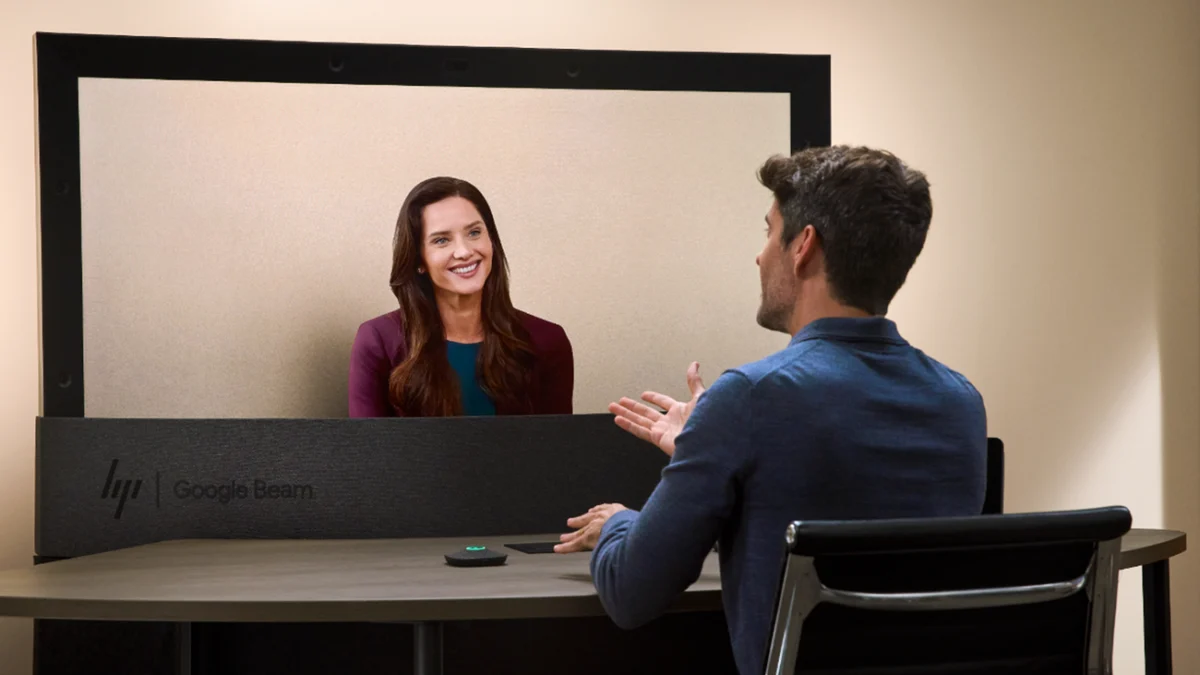
The landscape of corporate communication is undergoing a significant transformation as Google officially announces the broad expansion of Google Beam, its proprietary immersive communication technology. Designed to bridge the gap between remote and in-person interactions, Google Beam is transitioning from a specialized internal project to a globally available enterprise solution. This expansion includes the deployment of hardware to five new international markets, the establishment of a robust network of channel partners, and a strategic collaboration with Industrious to create the first-ever extended network for the technology. By moving beyond the experimental phase, Google is positioning Beam as a critical tool for modern enterprises grappling with the complexities of hybrid work environments.
Global Footprint and Strategic Distribution
The most immediate facet of this announcement is the official expansion of Google Beam’s shipping capabilities. Previously restricted to limited pilot locations, Google Beam units are now shipping to customers across six major economies: the United States, Canada, the United Kingdom, France, Germany, and Japan. This geographic rollout signifies Google’s confidence in the scalability of the hardware and its underlying software infrastructure. To support this massive logistical undertaking, Google has cultivated a global ecosystem of 18 specialized channel partners. These partners, consisting of audiovisual (AV) integrators and distributors, are tasked with the deployment, installation, and ongoing technical support of the units, ensuring that enterprise clients have localized expertise available as they integrate Beam into their office environments.
The hardware itself is being delivered through a flagship partnership with HP, branded as "HP Dimension with Google Beam." This collaboration leverages HP’s extensive manufacturing and enterprise hardware experience to provide a polished, reliable product capable of meeting the rigorous demands of a corporate setting. Recognizing that modern businesses rarely rely on a single communication platform, Google has ensured that Beam integrates seamlessly with industry-standard tools, including Google Meet and Zoom. This interoperability is designed to lower the barrier to entry for organizations, allowing them to elevate their existing meeting cultures without requiring a total overhaul of their digital infrastructure.
Quantifying the Impact of Immersive Connection
Google’s decision to scale Beam is backed by a wealth of internal data collected during extensive testing phases. For several years, Google utilized Beam within its own offices to facilitate communication between its globally distributed teams. The goal was to determine if 3D telepresence could solve the "distance tax"—the loss of nuance and connection that often plagues traditional 2D video conferencing.
An eight-week internal study conducted by Google yielded metrics that suggest a profound impact on workforce dynamics. According to the study, teams using Google Beam reported a 50% increase in their sense of connection to one another. Furthermore, participants found it 33% easier to ensure their feedback and non-verbal cues were clearly understood by their colleagues. Perhaps most significantly from a productivity standpoint, the study recorded a 21% drop in the need for follow-up meetings. These figures suggest that the "copresence" offered by Beam—the feeling of actually being in the same room as another person—leads to more efficient, high-fidelity communication that reduces the ambiguity often found in standard video calls.
Beyond internal metrics, Google is highlighting real-world applications through its early adopters. Bain & Company, a leading global management consulting firm, has been at the forefront of testing the technology for high-stakes human resources and recruiting functions. Bain utilized HP Dimension with Google Beam to transform their campus recruiting and candidate interview processes. In the consulting industry, assessing a candidate’s "client presence"—their ability to read a room, maintain eye contact, and project confidence—is a critical component of the hiring process. Traditionally, this required extensive travel for both recruiters and candidates.
Keith Bevans, Executive Vice President and Partner at Bain & Company, noted that the technology allows for a level of assessment previously impossible via remote means. "One of the most challenging things for us to assess with candidates is how they’ll be with clients," Bevans stated. "There are so many nuances in body language and eye contact, and Google Beam allows us to virtually understand how people will engage in person, which is critically important for their success at Bain and the success of our mission with our clients." This use case demonstrates how Beam can provide a significant return on investment by reducing travel costs while maintaining the integrity of the evaluation process.
The Evolution of Project Starline: A Chronology
The technology now known as Google Beam has its roots in "Project Starline," which was first unveiled at the Google I/O developer conference in 2021. At the time, Project Starline was presented as a breakthrough in computer vision, machine learning, and spatial audio. It utilized a complex array of cameras and depth sensors to create a real-time 3D model of a person, which was then projected onto a specialized light-field display. The result was a "magic window" effect where the person on the screen appeared in life-size three dimensions, complete with accurate shadows and perspective.
In 2022, Google began expanding the project by installing prototypes in the offices of several enterprise partners, including Salesforce and T-Mobile. This phase was crucial for moving the technology out of the lab and into real-world office environments. By 2023, Google announced that it was working to shrink the hardware footprint. The original Starline booths were the size of a small room; the newer iterations were streamlined into a more manageable form factor resembling a large office monitor, making it practical for standard conference rooms.
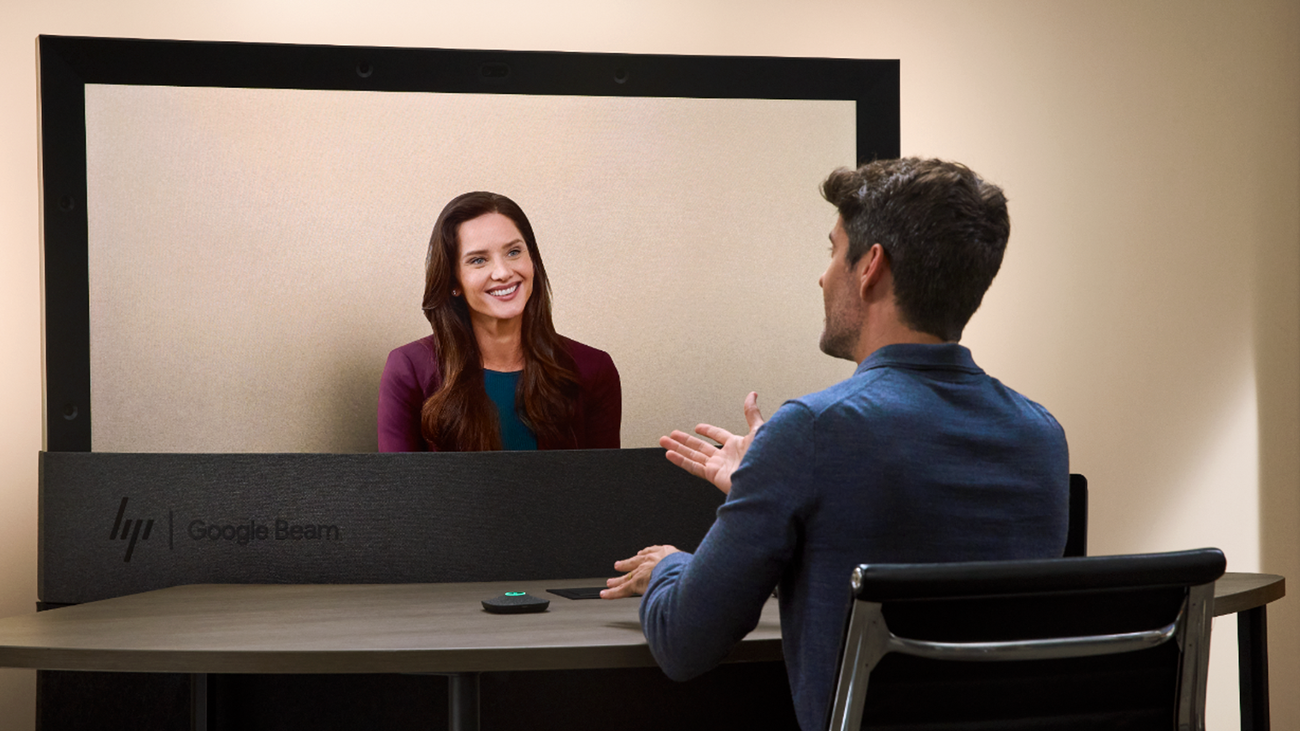
The current announcement represents the culmination of this multi-year journey. By rebranding and partnering with HP for mass production, Google has moved from a research-and-development phase into a full-scale commercial launch. This timeline highlights Google’s methodical approach to solving the technical hurdles of 3D telepresence, including the massive bandwidth requirements and the need for low-latency processing to maintain the illusion of physical presence.
Democratizing Access via the Industrious Partnership
One of the most innovative aspects of the current expansion is the creation of the "Beam extended network" in partnership with Industrious. Industrious is a global operator of premium flexible workspaces, catering to startups, mid-sized businesses, and distributed teams of large corporations. By placing Google Beam units in Industrious locations, Google is making the technology accessible to organizations that may not be ready to invest in permanent hardware for their own offices.
Following a successful pilot program earlier this year, the extended network will officially launch in October. Professionals will be able to book and experience HP Dimension with Google Beam at select Industrious locations in key American business hubs, including New York City, Chicago, Atlanta, and Palo Alto. This "as-a-service" model allows businesses to utilize the technology for critical moments—such as quarterly manager check-ins, high-level client consultations, or final-round interviews—without the capital expenditure of a full purchase.
This partnership is particularly relevant for the "distributed-first" workforce. As companies move away from centralized headquarters toward a hub-and-spoke model, the need for high-quality connection points becomes paramount. The Industrious network provides a physical infrastructure where these connections can happen naturally, bridging the gap between a home office and a traditional corporate campus.
Market Implications and the Future of Work
The broader implications of Google Beam’s expansion are significant for the enterprise technology market. For years, the tech industry has sought a "killer app" for immersive communication. While Virtual Reality (VR) and Augmented Reality (AR) have made strides, the requirement for bulky headsets has remained a significant friction point for professional use. Google Beam offers an "un-headsetted" immersive experience, which may prove more palatable for the average corporate user.
From a competitive standpoint, Google is positioning itself against other major players in the unified communications (UC) space. While Zoom and Microsoft Teams have dominated the 2D video market, the high-end, "telepresence" tier of the market has been relatively quiet since the decline of expensive, room-sized systems from the early 2000s. Google Beam represents a modern, AI-driven revival of the telepresence concept, optimized for the hybrid era.
The expansion also signals a shift in how companies view the value of travel. As sustainability goals become more prominent in corporate agendas, reducing business travel is a high priority. However, the "human element" cannot be entirely sacrificed. Technologies like Beam offer a middle ground: the ability to maintain high-fidelity human connection without the carbon footprint or the time-loss associated with international or transcontinental flights.
Conclusion
As Google Beam reaches more countries and becomes available through both direct sales and flexible workspace networks, the standard for what constitutes a "remote meeting" is likely to rise. The transition from 2D screens to 3D copresence addresses many of the psychological and professional shortcomings of the current video conferencing era. With the backing of hardware giants like HP and the validation of early adopters like Bain & Company and Netflix, Google Beam is no longer a futuristic concept—it is a functional reality of the modern workplace.
The coming months will be a critical test for the technology as it enters diverse global markets. The success of the Industrious partnership, in particular, will be a bellwether for whether immersive communication becomes a standard utility for businesses of all sizes or remains a luxury tool for the Fortune 500. Regardless of the speed of adoption, Google has fundamentally moved the needle on how the world perceives the possibilities of digital connection.
