

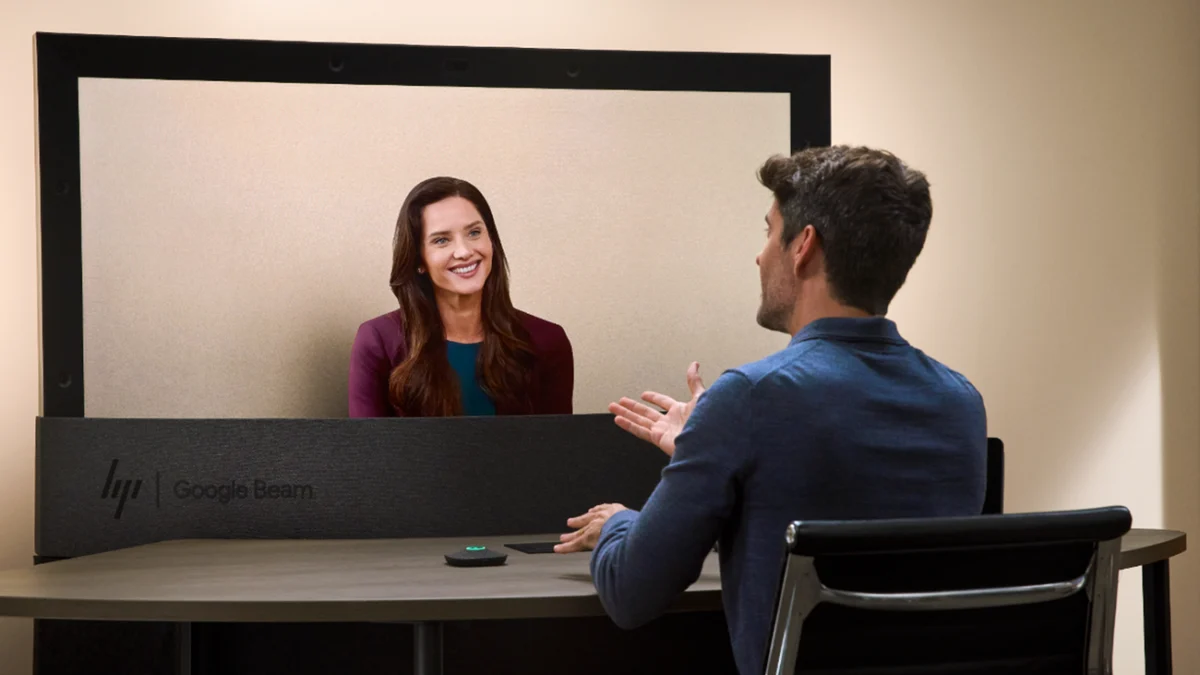
Google has officially announced a significant global expansion of Google Beam, its advanced communication technology designed to facilitate immersive, life-sized video interactions. This development marks a transition from a specialized internal project to a commercially available enterprise solution, with the technology now shipping to customers in six major markets: the United States, Canada, the United Kingdom, France, Germany, and Japan. The expansion is supported by a strategic partnership with HP, a network of 18 global channel partners, and a new collaboration with flexible workspace provider Industrious. By integrating with existing platforms like Google Meet and Zoom, Google Beam aims to bridge the gap between physical and digital presence, addressing the persistent challenges of hybrid work environments.
The Evolution of Copresence Technology
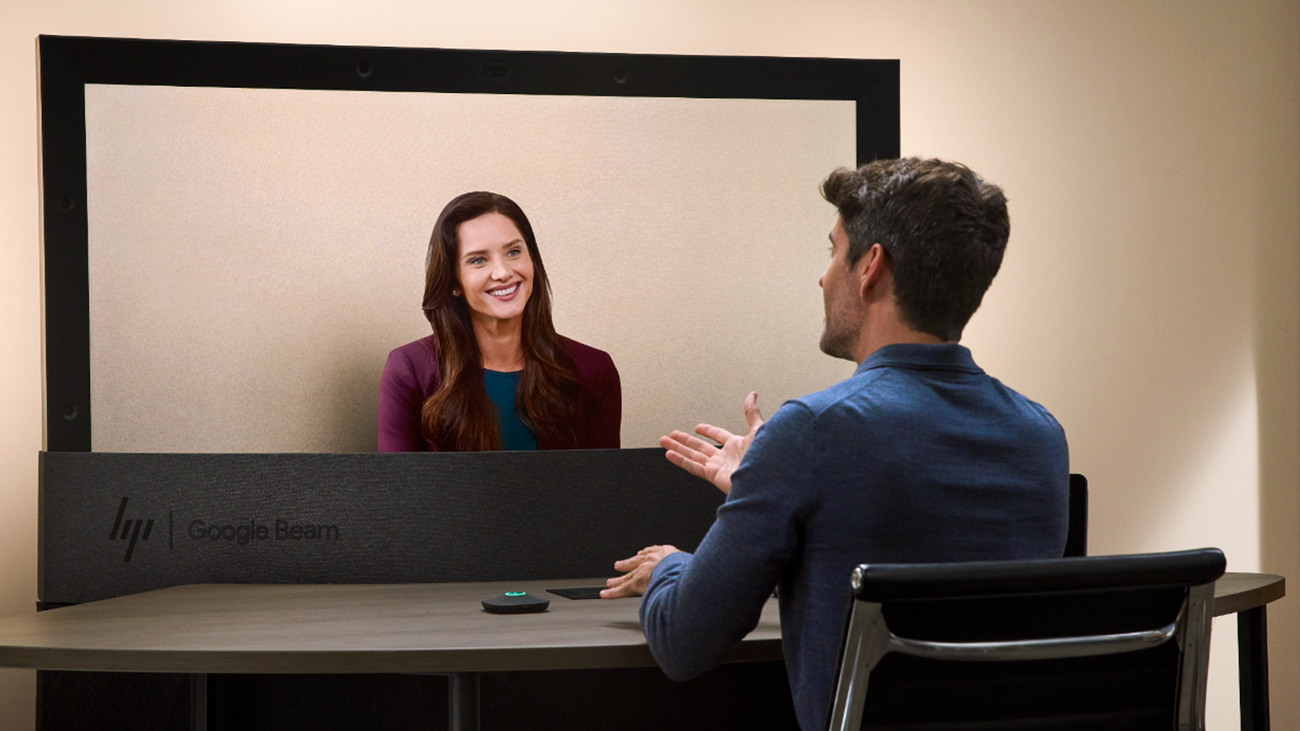
The journey of Google Beam began as a research endeavor, formerly known as Project Starline, which first debuted at Google I/O in 2021. The core objective was to utilize high-resolution cameras, depth sensors, and a specialized light-field display to create a "magic window" through which users could see each other in three dimensions without the need for cumbersome headsets or glasses. Over the past several years, Google has refined the hardware and software, moving from bulky prototypes to the more streamlined HP Dimension with Google Beam.
This commercial iteration, developed in collaboration with HP, is designed for the modern office. It leverages AI-driven computer vision and spatial audio to replicate the nuances of in-person communication, such as eye contact and subtle body language. The move toward commercialization reflects a broader trend in the technology sector where companies are seeking to move beyond traditional 2D video conferencing, which often leads to "Zoom fatigue" and a perceived lack of emotional connection among distributed teams.
Strategic Global Rollout and Partnership Ecosystem
The expansion into five new international markets—Canada, the U.K., France, Germany, and Japan—represents a calculated effort to capture the global enterprise market. To facilitate this rollout, Google has established a robust ecosystem of 18 channel partners. These partners, primarily audiovisual (AV) integrators and distributors, are tasked with the deployment, installation, and ongoing support of Beam units. This infrastructure is critical for enterprise-level adoption, as it ensures that organizations have the technical support necessary to integrate such sophisticated hardware into their existing IT environments.
The partnership with HP is central to this strategy. By branding the flagship hardware as "HP Dimension with Google Beam," Google leverages HP’s extensive manufacturing capabilities and enterprise sales network. This collaboration ensures that the technology is not just a niche experimental tool but a scalable product capable of meeting the rigorous demands of global corporations. Furthermore, the integration with both Google Meet and Zoom allows organizations to adopt the technology without overhauling their existing software preferences, providing a layer of flexibility that is essential for diverse corporate landscapes.
Quantifying the Impact: Data-Driven Success
A critical component of Google’s expansion announcement is the release of internal data demonstrating the technology’s efficacy. Google conducted an extensive eight-week internal study to measure how Beam influenced workplace dynamics. The results indicated a transformative shift in how employees interact. According to the study, teams using Google Beam reported a 50% increase in their sense of connection to one another.
Beyond emotional connectivity, the data suggests significant gains in operational efficiency. Participants found it 33% easier to ensure their feedback was clearly understood, a finding that highlights the importance of non-verbal cues in professional communication. Perhaps most notably, Google observed a 21% reduction in the need for follow-up meetings. This suggests that the clarity provided by immersive communication allows for more decisive and comprehensive discussions in a single session, directly impacting organizational productivity.
Corporate Adoption and Real-World Use Cases
Several high-profile organizations have already begun integrating Google Beam into their workflows. Bain & Company, a global management consulting firm, partnered with Google to pilot the technology for campus recruiting and candidate interviews. In a sector where personal rapport and client-facing skills are paramount, Bain utilized Beam to conduct authentic, face-to-face interviews with candidates across the globe without the logistical and environmental costs of extensive travel.
Keith Bevans, Executive Vice President and Partner at Bain & Company, noted that the technology allows for a deeper assessment of a candidate’s presence. "One of the most challenging things for us to assess with candidates is how they’ll be with clients," Bevans stated. "There are so many nuances in body language and eye contact, and Google Beam allows us to virtually understand how people will engage in person, which is critically important for their success."
Other early adopters include streaming giant Netflix and the investment management firm Capital Group. These companies are utilizing the technology to maintain cultural cohesion across global offices and to facilitate cross-functional collaboration that requires a high degree of creative or technical synergy.
The Industrious Partnership and the Extended Network
Recognizing that the cost and space requirements of permanent installations may be a barrier for smaller businesses or startups, Google has partnered with Industrious, a leading operator of premium flexible workspaces. This partnership has led to the creation of the "Beam Extended Network," the first of its kind in the telepresence industry.
Starting in October, HP Dimension with Google Beam units will be available for booking at select Industrious locations in major U.S. hubs, including New York City, Chicago, Atlanta, and Palo Alto. This model allows businesses to experience the technology on an as-needed basis, whether for high-stakes client consultations, manager check-ins, or critical talent interviews. The pilot phase of this partnership earlier this year confirmed that distributed teams highly value the ability to access premium "copresence" tools without the capital expenditure of purchasing the hardware outright.
Chronology of Development
The timeline of Google Beam’s development illustrates a deliberate transition from experimental R&D to a market-ready product:
- May 2021: Project Starline is unveiled at Google I/O as a revolutionary 3D video booth.
- 2022-2023: Extensive internal testing begins at Google offices and with select early-access partners like Salesforce and T-Mobile.
- May 2024: Google announces a partnership with HP to commercialize the technology, moving away from the large "booth" design to a more compact, office-friendly form factor.
- August 2024: Results from internal productivity studies are finalized, proving the link between immersive video and reduced follow-up meetings.
- October 2024: Official expansion to six countries and the launch of the Industrious Extended Network.
Implications for the Future of Work
The broader implications of Google Beam’s expansion extend to environmental sustainability and the evolution of urban real estate. As companies face increasing pressure to reduce their carbon footprints, the ability to conduct "near-physical" meetings without air travel presents a compelling solution. The 21% drop in follow-up meetings observed by Google also suggests that immersive technology could be a key factor in addressing the "meeting overload" that has plagued the corporate world since the shift to remote work in 2020.
Furthermore, the technology may redefine the digital divide in the workplace. While standard video conferencing has often been criticized for being "transactional," tools like Google Beam offer a more "relational" experience. As these tools become more accessible through networks like Industrious, the threshold for what constitutes a "high-quality" remote interaction will likely rise, pushing the entire industry toward spatial and 3D communication standards.
Analysis of the Competitive Landscape
Google Beam enters an increasingly competitive field of spatial communication. While Apple’s Vision Pro and various Meta Quest headsets offer "personified" avatars for meetings, Google’s approach focuses on "glasses-free" immersion, which many enterprise leaders find more conducive to natural professional etiquette. Cisco and Microsoft have also explored holographic and "Front Row" layouts for their respective platforms, but the integration of HP’s hardware and Google’s AI-driven depth reconstruction gives Beam a distinct advantage in terms of visual realism.
The success of this expansion will likely depend on the continued growth of the partner ecosystem and the ability to demonstrate a clear return on investment (ROI) through travel savings and improved talent retention. By focusing on both the high-end enterprise market and the flexible workspace sector, Google is positioning Beam as a versatile tool that could eventually become a standard fixture in the modern boardrooms and co-working spaces of the future.
As the way we work continues to evolve, the demand for genuine human connection remains a constant priority for organizational leaders. Google Beam’s current trajectory suggests that the future of the office may not be defined by where we are, but by how realistically we can appear to be together.
