

The annual Google I/O developer conference has long served as the primary stage for the company’s most significant technological breakthroughs, but the 2026 iteration marked a fundamental shift in how the event itself was conceptualized and executed. Rather than merely presenting AI as a finished product to the global developer community, Google integrated its latest Gemini models into every layer of the production workflow, from the visual identity and cinematic shorts to the interactive installations and on-site logistics. This approach, described by internal teams as "building with the tools we’re putting on stage," aimed to demonstrate the transition of generative AI from a speculative creative partner to a production-grade utility capable of handling high-stakes, large-scale event demands.
A New Paradigm in Creative Workflows
The preparation for Google I/O 2026 occurred during a period of rapid advancement in multimodal AI capabilities. The production team faced the challenge of out-innovating previous years while maintaining a high level of human artistry. The central theme of the event focused on how AI can offload mundane technical tasks, allowing human creators to focus on higher-level conceptual work. By employing a suite of experimental and public models—including Gemini Omni, Nano Banana, and Lyria 3 Pro—the team moved from traditional long-cycle production to real-time prototyping and iterative design.
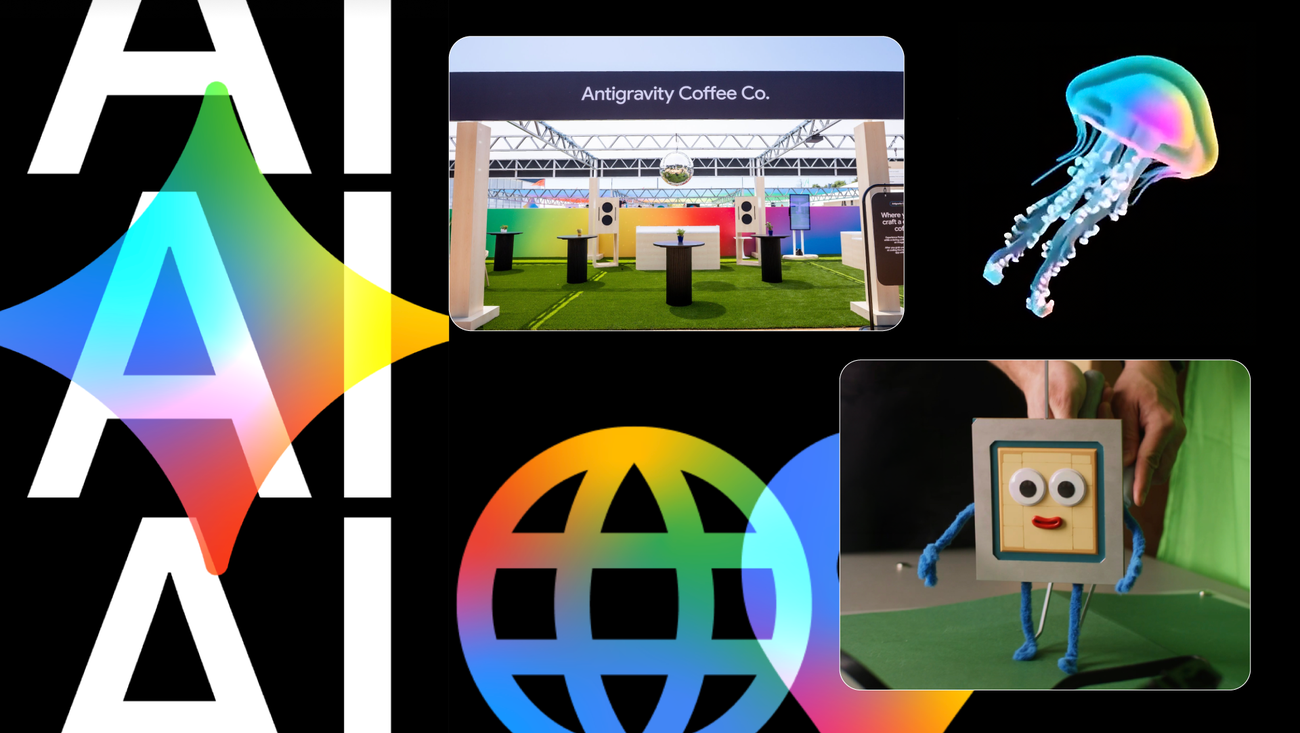
Industry analysts noted that this shift represents a broader trend in the enterprise sector, where AI is being used to compress production timelines by as much as 40% to 60%. At I/O 2026, this was evidenced by the ability to generate complex assets, such as 3D environments and cinematic animations, in a fraction of the time required by traditional rendering pipelines.
AI-Driven Filmmaking: The Case of TPU Training Day
One of the most prominent displays of AI integration was the short film "TPU Training Day," featuring the character "Timmy TPU." Created in collaboration with director Laurie Rowan and Nexus Studios, the project sought to answer whether high-fidelity animation could be derived from the simplest physical materials. The workflow began with puppetry and cardboard models, providing a tactile, human-led foundation for the character performances.
To bridge the gap between physical puppetry and cinematic animation, the team utilized Nano Banana to generate stylized first frames from raw footage. A custom tool developed within Google AI Studio allowed for the testing of these frames at scale, ensuring consistency across the sequence. The final rendering was handled by Gemini Omni and other experimental DeepMind models, which elevated the cardboard aesthetic to a polished, cinematic level without losing the "human imperfections" that define traditional puppet films. This hybrid approach—combining physical craft with AI-driven style transfer—allowed the team to maintain granular control over framing and movement while bypassing the labor-intensive stages of traditional 3D modeling and lighting.
Reimagining Visual Brand Identity Through Iteration
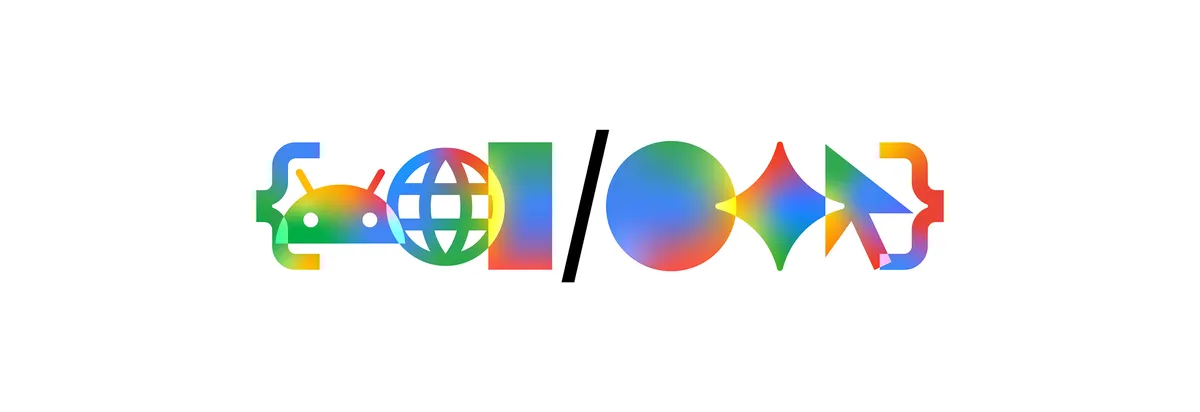
The visual identity of I/O 2026—characterized by a four-color gradient, overlapping transparencies, and interlocking icons—was the result of an intensive collaborative process between human designers and Gemini models. The process began with the ingestion of five years of historical I/O brand guidelines and recaps, which the AI used to establish a baseline for the event’s aesthetic evolution.
Initial outputs required significant refinement, leading the design team to conduct "micro-experiments." By feeding iterative outputs back into Nano Banana with specific feedback, the team explored icon styles that could transition seamlessly between flat 2D designs and hyper-textured 3D assets. This ensured a cohesive brand expression across diverse touchpoints, including the main keynotes, digital applications, and physical signage at the Shoreline Amphitheatre.
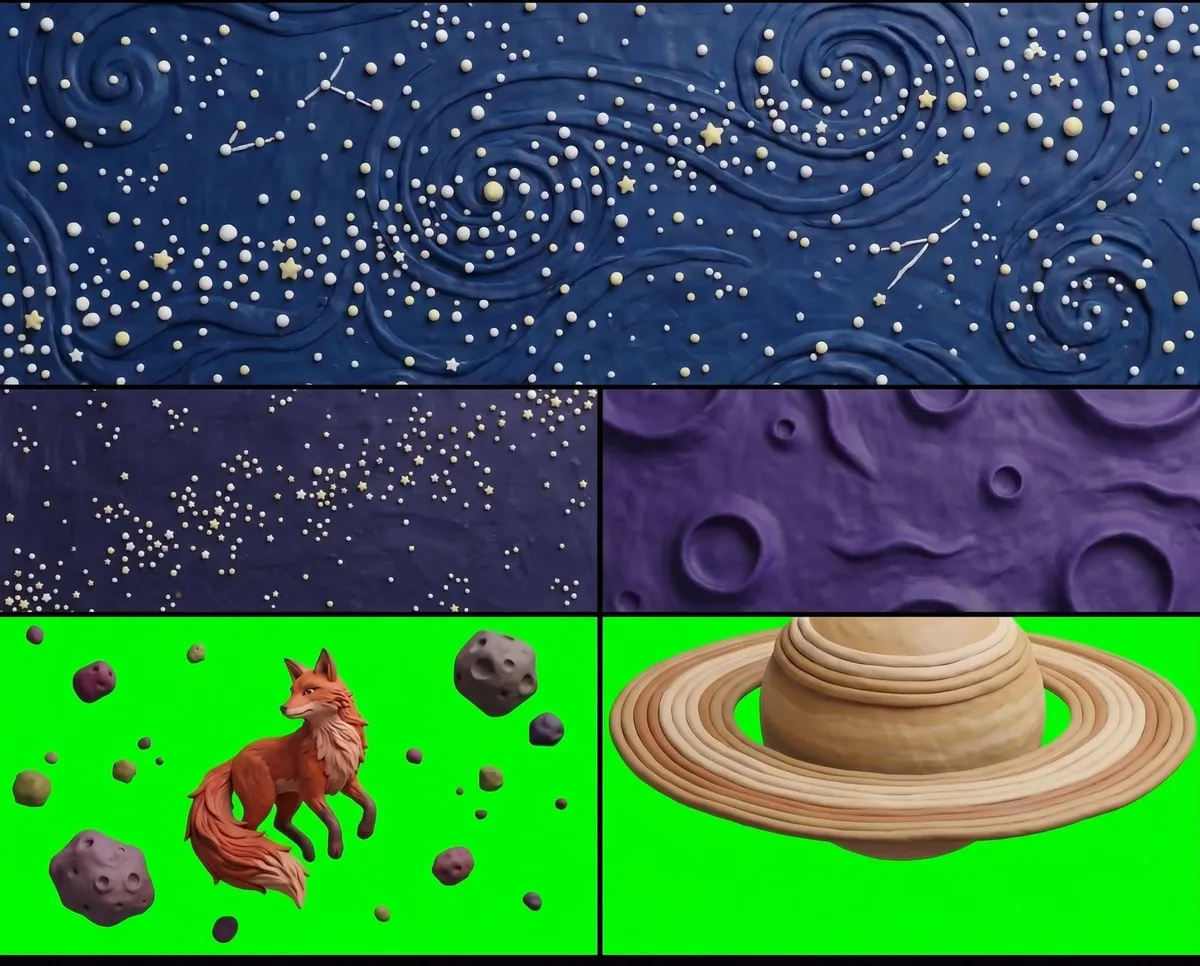
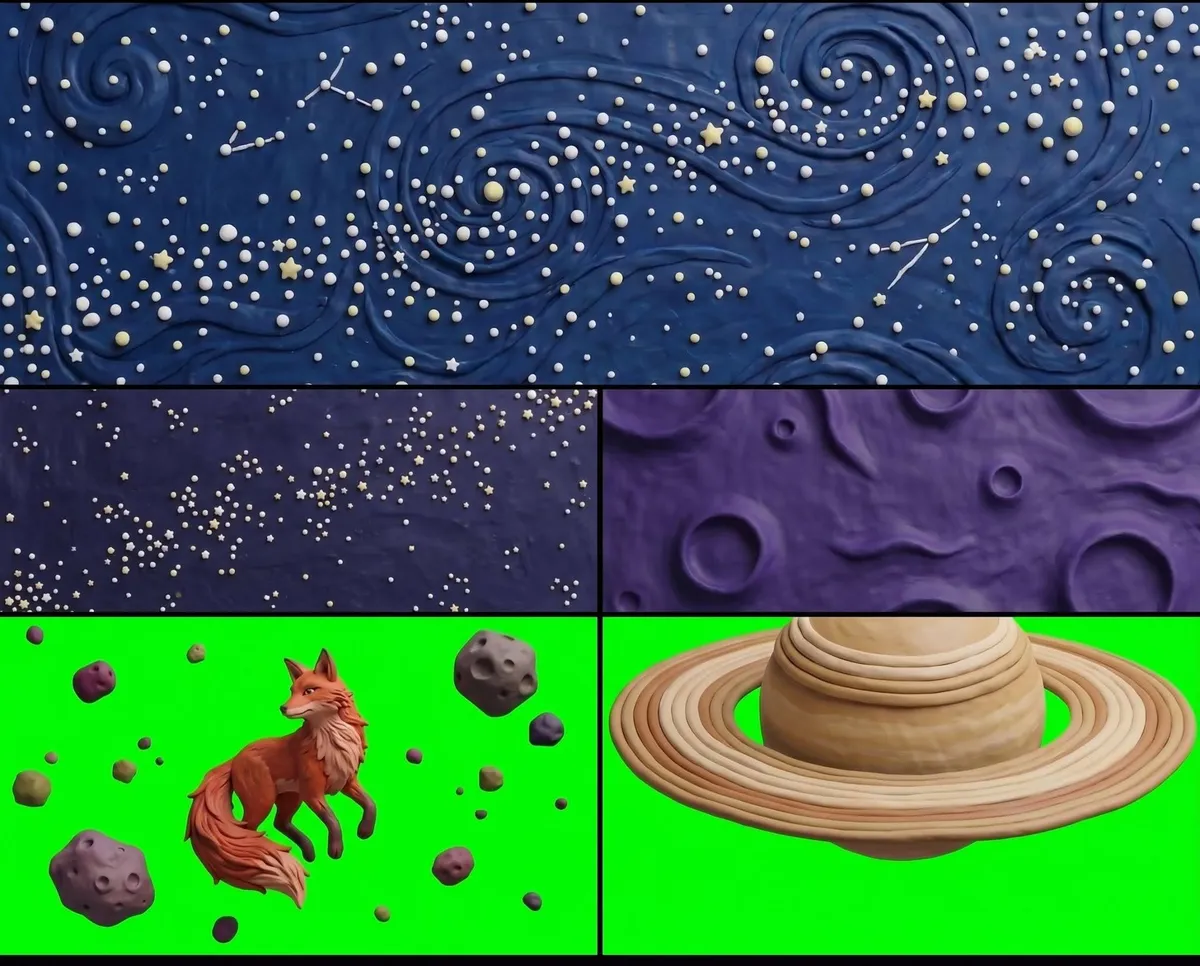
The technical backbone of this process involved complex prompting strategies. For instance, designers used Image-to-Image prompts where one image provided the texture and material while a second provided the pose and lighting. This level of precision allowed the design team to maintain an "immutable" geometry for the iconic "I/O" shapes while experimenting with an infinite variety of surface materials, from cosmic dust to hand-pressed clay.
Immersive Experiences and Real-Time Generation
The I/O 2026 pre-show featured several "generative firsts" that transformed the audience experience from passive viewing to active participation. "Jellectronica," a partnership with the Monterey Bay Aquarium, utilized a YOLO8 model trained in Google Colab and running on Google’s Coral NPU to track the movement of moon jellyfish. These movements were translated into real-time musical data via the Lyria API and Google Flow Music. The density and velocity of the jellyfish directly influenced musical stems, such as bass, chords, and melody, creating a living, breathing soundscape.
Simultaneously, the "Infinite Scaler" game allowed players to generate 3D game levels on the fly using 2D image generation. By leveraging the Gemini API and Nano Banana, the system generated sprite sheets from user prompts, which were then processed to infer depth and texture. These assets were mapped to 3D boxes rendered in WebGL, allowing for the rapid creation of "infinite" worlds. This demonstrated the potential for AI to handle real-time asset generation in gaming, a sector where development costs and timelines have historically been a significant barrier to entry.
Logistics and the Agentic Future of Apps
Beyond creative content, AI played a pivotal role in the logistical and interactive components of the conference. The "Antigravity Coffee Co." pop-up utilized a custom application built with Flutter and the Gemini Enterprise Agent Platform. This app featured a "generative UI" powered by the A2UI protocol, which allowed the interface to adapt in real-time based on user interactions.
Attendees used the app to design custom latte art, which was then printed on-site. More significantly, the app allowed users to engage in "agentic coding," using Google Antigravity to build their own versions of the coffee ordering system. By utilizing Firebase and Google Cloud Functions, the production team was able to provide a zero-latency experience that handled complex reasoning and content generation for thousands of users simultaneously. This implementation served as a practical demonstration of how businesses can move away from static application architectures toward dynamic, AI-driven interfaces.
Personalization at Scale: Speaker Cards and Swag
The theme of personalization was further extended to the speakers and attendees. Each keynote speaker received a custom-generated title card produced using Google Flow and the Veo video generation model. These cards were storyboarded using AI-generated "ingredient reference sheets," which ensured that the character’s appearance remained consistent even when performing complex actions, such as riding a digital "Chrome Dino" or performing a basketball slam dunk.
For the attendees, an interactive sticker game replaced traditional physical swag. Using a web app, players "caught" various prompt categories—such as "lasers," "disco balls," or "gummy bears"—and used Nano Banana to fuse them into unique 3D sticker designs. These designs were printed on-demand, resulting in thousands of one-of-a-kind physical mementos. This level of mass customization, which would have been logistically impossible using traditional design methods, highlighted the efficiency gains provided by a fully integrated AI pipeline.

Broader Impact and Industry Implications
The integration of Gemini into the fabric of Google I/O 2026 serves as a significant case study for the future of event production and creative industries. By moving AI out of the laboratory and into the production booth, Google has provided a roadmap for how organizations can navigate the "strange and exciting" shift in digital creation.
The success of these initiatives suggests several key implications for the tech industry:
- Human-AI Collaboration: The most successful projects, such as "TPU Training Day," were those where AI was used to enhance, rather than replace, human artistry.
- Technical Efficiency: The use of "agentic coding" and real-time asset generation points toward a future where the barrier between idea and execution is significantly lowered.
- Scalable Personalization: Generative AI allows for hyper-personalized experiences at a scale that was previously cost-prohibitive.
As AI tools continue to improve on a monthly basis, the "rules of what can be created" are being rewritten. The 2026 conference proved that when AI is used to offload mundane tasks, teams can reclaim their "best hours" for high-impact innovation. For the global developer community, the message was clear: the question is no longer "What can you do with AI?" but rather "How will you use AI to redefine what is possible?"
