

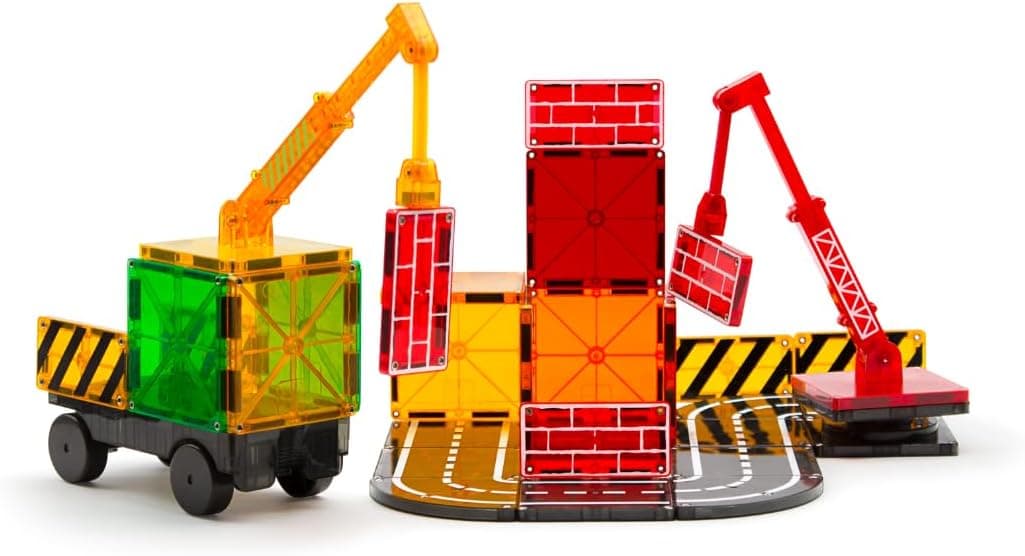
The integration of magnetic construction tiles into speech-language pathology (SLP) sessions is gaining traction as clinicians increasingly seek innovative and engaging methods to address a diverse range of communication goals in young children. These popular developmental toys, widely recognized for their open-ended play potential in homes and classrooms, are now being systematically incorporated into therapeutic environments, demonstrating remarkable efficacy in fostering speech, language, and crucial cognitive-social skills. This shift underscores a broader trend within pediatric therapy towards play-based interventions that enhance engagement and facilitate naturalistic learning, moving beyond traditional drill-based approaches.
The Foundational Shift Towards Play-Based Therapy
For decades, speech therapy primarily relied on structured exercises and direct instruction. However, contemporary understanding of child development and learning principles has propelled a significant paradigm shift. Research consistently highlights the profound impact of play on cognitive, social, and emotional development, particularly in early childhood. Play provides a natural, low-stress environment where children are intrinsically motivated to learn, experiment, and interact. In this context, toys like magnetic tiles, which inherently encourage creativity, problem-solving, and collaboration, present themselves as ideal therapeutic instruments. Their tactile nature, vibrant colors, and geometric shapes appeal to a wide age range, from toddlers developing basic motor skills to preschoolers mastering complex language concepts, making them a long-term investment for both families and clinicians.
Unlocking Communication Potential: Diverse Applications of Magnetic Tiles
The versatility of magnetic tiles allows for their application across a spectrum of speech and language objectives, seamlessly integrating therapeutic goals into enjoyable play. This adaptability is key to maintaining student engagement, which is often a significant challenge in therapy settings.
-
Fostering Social Cooperative Work: Magnetic tiles excel in promoting collaborative play, a cornerstone for developing social communication skills. When children work together to construct a shared structure, they naturally engage in back-and-forth communication. This involves negotiating ideas, assigning roles ("You hold that piece," "I’ll find a blue one"), offering and receiving instructions, and problem-solving as a team. Such interactions provide rich opportunities for practicing conversational turn-taking, active listening, and expressing needs and preferences, all vital components of effective social language. Clinicians can guide these interactions, prompting specific language use or facilitating conflict resolution, thereby nurturing essential social skills alongside speech development.
-
Mastering Prepositional Concepts: Abstract spatial concepts like "on," "under," "beside," "between," "above," and "below" can be challenging for young learners. Magnetic tiles offer a concrete, hands-on medium for teaching these prepositions. By physically manipulating the tiles to place one "on top" of another, or building a tunnel to go "under," children gain a tangible understanding of spatial relationships. This kinesthetic learning experience reinforces the verbal labels, making these concepts more accessible and easier to recall. Therapists can issue commands ("Put the triangle beside the square") or ask questions ("Where is the red tile now?"), ensuring active participation and immediate feedback.
-
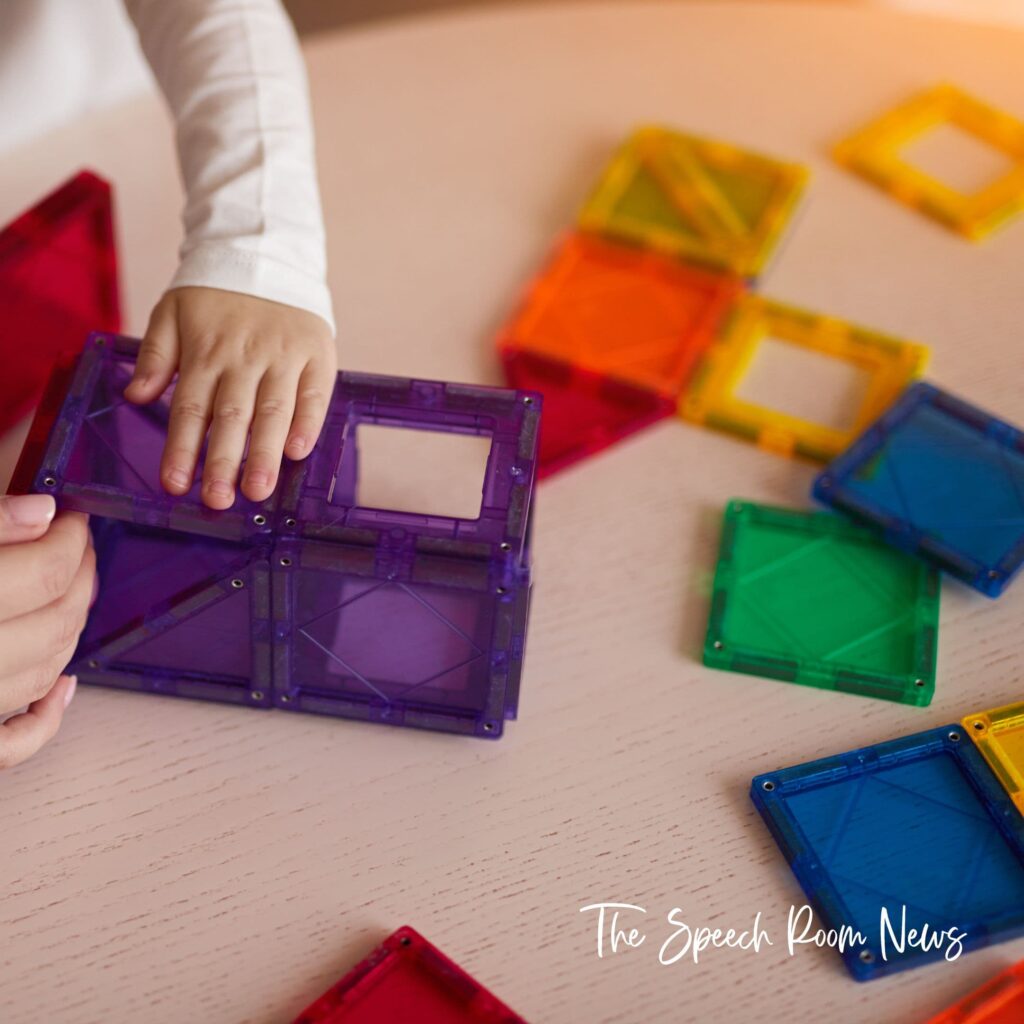
Enhancing Cognitive Skills through Sorting and Classification: Magnetic tiles come in various shapes (squares, triangles, rectangles, pentagons) and colors, making them excellent tools for sorting and classification activities. Directing students to "group all the red tiles" or "find all the squares" helps them develop foundational cognitive skills such as categorization, differentiation, and attribute identification. Beyond simple sorting, children can construct "sorting bins" from the tiles themselves, adding an extra layer of engagement and creativity to the task. As they sort, they verbally describe their actions and the characteristics of the tiles, thereby strengthening their expressive language, vocabulary, and descriptive skills.
-
Targeted Articulation Practice: Integrating specific speech sounds into magnetic tile play transforms repetitive articulation drills into dynamic, meaningful activities. For example, a child targeting the /k/ sound might be encouraged to build a "castle," a "kitchen," or a "car," while consciously practicing the target sound within these contextually relevant words. Each placement of a tile can be linked to a word containing the target sound, prompting repeated, purposeful articulation. This method helps generalize sounds from isolated practice into conversational speech, making the therapy process more natural and enjoyable.
-
Navigating Irregular Verbs: Irregular verbs, which do not follow standard conjugation rules (e.g., "build" becomes "built," not "builded"), are often a hurdle for language learners. Magnetic tiles provide an excellent platform for practicing these verbs through narrative creation. Students can build a scene (e.g., a tower that "fell," a character who "ran" through a doorway they "made"), then narrate the actions using past tense irregular verbs. The visual and kinesthetic input aids in memory retention, and the storytelling aspect makes the practice meaningful and engaging.
-
Developing Executive Functioning Skills: Executive functions—a set of cognitive processes that enable goal-oriented behavior—are critical for academic and life success. Magnetic tile construction tasks naturally engage these skills. Children must plan their designs, sequence steps, manage materials, and adapt their strategies if a structure doesn’t hold. Imposing constraints, such as a time limit or specific design parameters ("Build the tallest tower in five minutes"), further challenges their planning, organization, impulse control, and problem-solving abilities. The verbalization of their thought processes during construction also provides therapists with insights into their cognitive strategies and offers opportunities for guided learning.
-
Reinforcing Regular Plurals: Understanding and using regular plurals (e.g., "one square" becomes "two squares") is a fundamental grammatical concept. Magnetic tiles, with their multiple identical pieces, are perfectly suited for this. As children build patterns or structures, therapists can prompt them to count and describe the shapes: "You used three triangles," "How many rectangles do you have?" This repetitive, contextualized practice helps solidify the concept of pluralization in a fun, interactive manner, integrating numerical and linguistic skills.
-
Answering WH Questions: WH questions (who, what, where, when, why) are essential for both receptive and expressive language. Magnetic tile play provides numerous natural opportunities to practice these questions. Therapists can ask: "Where did you put the blue tile?" "Who helped you build that?" "What are you making next?" or even encourage predictive reasoning: "When do you think the tower will fall?" This not only enhances comprehension and expressive language but also encourages observational skills and critical thinking about the ongoing activity.
-
Mastering the Pronoun "I": Correct usage of the first-person pronoun "I" can be challenging for some children. Magnetic tile activities offer a natural context for practicing this. As children select and place tiles, therapists can prompt them to describe their actions using "I": "I am choosing a yellow square," "I put the roof on," "I need more tiles." This repeated, self-referential language practice helps children internalize and correctly apply the pronoun in their spontaneous speech, fostering a stronger sense of self and agency in communication.
-
Supporting AAC Core Words: For children utilizing Augmentative and Alternative Communication (AAC) systems, magnetic tiles can be powerful tools for reinforcing core words—high-frequency words that are essential for functional communication. Words like "more," "on," "off," "up," "down," "help," "want," "that," and "this" can be naturally integrated into magnetic tile play. A child might use their AAC device to request "more" tiles, indicate "up" for building a tower, or ask for "help" connecting pieces. This provides authentic, meaningful contexts for practicing AAC core words, bridging the gap between device usage and spontaneous interaction.
The Evolving Landscape of Therapeutic Tools
The widespread adoption of magnetic tiles in therapy rooms mirrors a broader recognition of the value of high-quality, open-ended toys. Unlike single-purpose toys, magnetic tiles grow with the child, offering new complexities and possibilities as their developmental stage progresses. This longevity makes them a cost-effective and sustainable resource for therapists and families alike. While the initial investment for a robust set of magnetic tiles can be notable, their durability and endless utility often justify the expense, positioning them as a staple in pediatric developmental toolkits. Many clinicians leverage grants, wish lists, or parent-teacher organization funding to acquire these valuable resources, underscoring their perceived therapeutic worth.
Expert Perspectives and Broader Implications
Leading speech-language pathologists and developmental educators emphasize that the effectiveness of magnetic tiles lies not just in their physical properties, but in their capacity to facilitate a child-led, interactive learning environment. "These aren’t just toys; they’re dynamic platforms for communication," states Dr. Anya Sharma, a pediatric SLP with over 15 years of experience. "They invite conversation, spark imagination, and most importantly, they keep children engaged, which is half the battle in therapy. When a child is having fun, their brain is more receptive to learning and retaining new information."
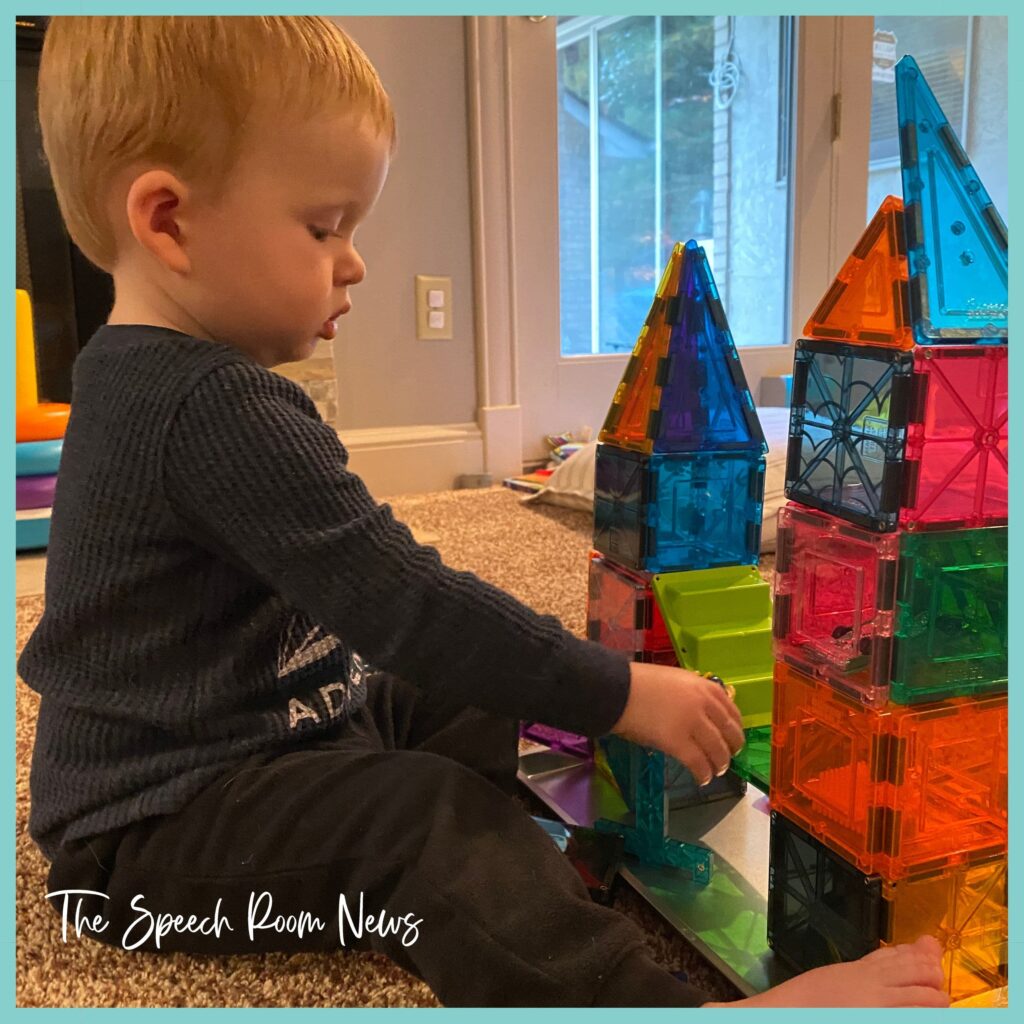
The implications of integrating such versatile tools are far-reaching. For children with diverse learning needs, magnetic tiles offer a multi-sensory approach that can cater to different learning styles—visual, auditory (through verbal interaction), and kinesthetic. For therapists, they provide a flexible resource that can be adapted on the fly to target multiple goals within a single session, optimizing therapy time. Furthermore, the familiarity of magnetic tiles from home environments can create a sense of comfort and predictability for children in therapy, reducing anxiety and promoting a more positive therapeutic experience.
The trend also highlights the increasing collaboration between educators, therapists, and toy manufacturers to design and recommend resources that are not only entertaining but also developmentally enriching. As research continues to validate the benefits of play-based learning, the role of materials like magnetic tiles will likely expand, becoming even more central to comprehensive pediatric developmental support.
In conclusion, magnetic tiles represent more than just a popular toy; they are a testament to the evolving understanding of how children learn and communicate. Their proven versatility, capacity for engagement, and broad applicability across numerous speech and language goals solidify their position as an invaluable resource in modern speech-language pathology, promising continued innovation in child-centered therapeutic practices.
