

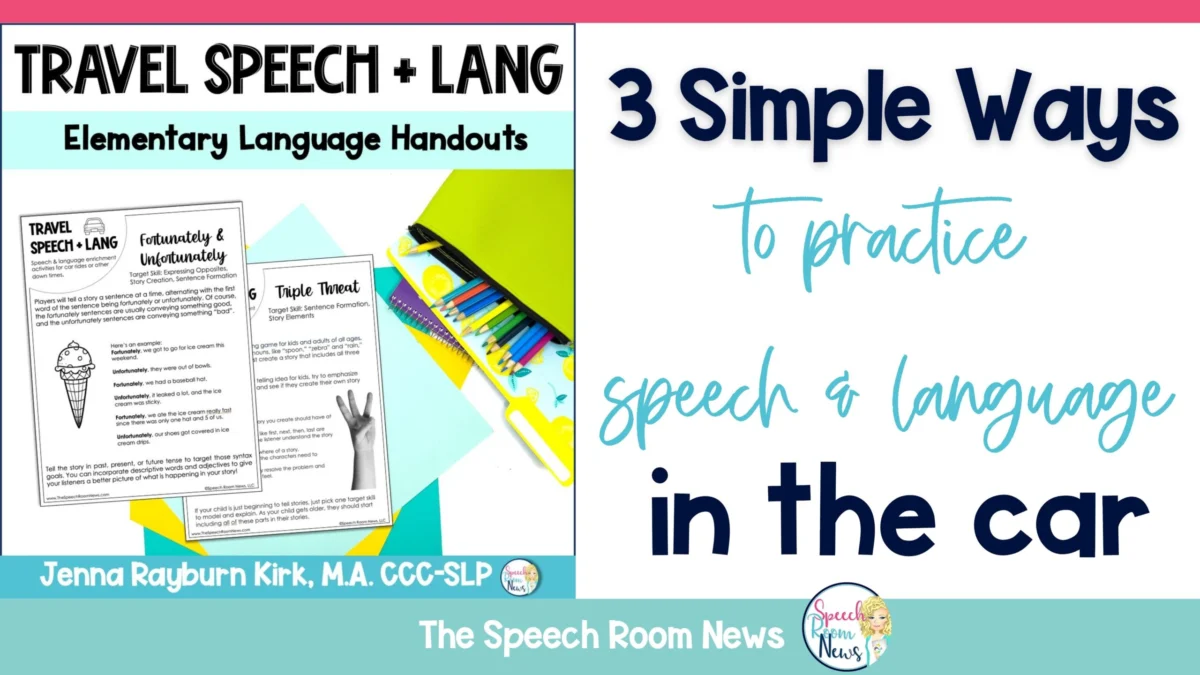
The increasing pace of modern life often leaves parents scrambling to find dedicated time for their children’s developmental needs, particularly in areas like speech and language. However, a growing number of experts and parents are recognizing the daily commute as an invaluable, often overlooked, opportunity to foster crucial communication skills. Far from being merely a means of transportation, the car can transform into an engaging, distraction-reduced learning environment, offering a practical solution for parents seeking to integrate therapeutic practices into their busy routines.
The Crucial Role of Early Language Development
Speech and language development are foundational pillars of a child’s overall growth, impacting everything from cognitive abilities and academic performance to social interaction and emotional regulation. Delays in these areas can have profound, long-lasting consequences if not addressed early. According to the American Speech-Language-Hearing Association (ASHA), approximately 1 in 12 children aged 3-17 years in the U.S. has a disorder related to voice, speech, language, or swallowing. Many of these disorders manifest as difficulties with articulation, understanding language (receptive language), or expressing thoughts and ideas (expressive language).
The early years, particularly from birth to age five, represent a critical window for language acquisition. During this period, children’s brains are highly plastic, rapidly forming neural connections that underpin communication skills. While formal therapy with a Speech-Language Pathologist (SLP) is often essential for children with diagnosed delays, daily reinforcement and practice within natural contexts are equally vital for solidifying progress and promoting generalization of skills. Parents are, in essence, their child’s primary language teachers, and their consistent engagement significantly influences developmental trajectories.
The Untapped Potential of the Automobile
For many families, car rides constitute a significant portion of daily life, whether for school drop-offs, errands, or longer journeys. Traditionally viewed as downtime, or often filled with passive entertainment like screens, these commutes present a unique opportunity for intentional, interactive engagement. The enclosed, often predictable environment of a car offers several distinct advantages for speech and language practice:
- Reduced Distractions: Unlike a bustling home or classroom, the car’s interior inherently limits external stimuli, creating a more focused setting for auditory processing and conversational turn-taking. Children are less likely to be sidetracked by toys, siblings, or other household activities, allowing for deeper engagement with verbal interactions.
- Natural Conversational Flow: Car rides naturally encourage back-and-forth dialogue. Parents can initiate conversations about passing scenery, upcoming activities, or imaginative scenarios, fostering a dynamic rhythm of communication that mirrors real-world social exchanges. This helps children practice pragmatic language skills, such as initiating topics, maintaining conversation, and taking turns speaking.
- Vocabulary Expansion in Context: The moving environment provides a rich tapestry for vocabulary development. Road signs, landmarks, different types of vehicles, and natural surroundings offer tangible prompts for naming objects, describing actions, and discussing concepts. For instance, a simple drive can introduce words like "intersection," "pedestrian," "overpass," or "construction."
- Alleviating Boredom: For many children, car rides can be monotonous. Integrating engaging language games transforms this potentially dull time into a fun and productive learning experience, reducing reliance on screens and promoting active mental stimulation.
Leading speech-language pathologists frequently emphasize the importance of making therapy functional and integrated into daily life. "The car ride is a prime example of an everyday setting that can be leveraged for significant developmental gains," states Dr. Evelyn Reed, a pediatric communication specialist. "It allows for consistent, low-pressure practice that complements formal therapy without feeling like ‘work’ for the child."
A Chronology of Skill Development and Car-Based Activities
The types of speech and language skills that can be targeted effectively in the car evolve with a child’s age and developmental stage. Understanding this progression allows parents to tailor activities for maximum impact.
-
Infancy to Toddlerhood (0-3 Years):
- Focus: Pre-linguistic skills, early vocabulary, sound imitation, joint attention.
- Car Activities: Narrating the drive ("We’re going fast! Look at the big truck!"), singing simple songs, imitating animal sounds, pointing out objects, and responding to babbles. Even simple peek-a-boo games during stops can reinforce turn-taking.
- Inference: While direct game-playing might be limited, consistent verbal interaction from the parent is crucial for laying the groundwork for language acquisition.
-
Preschool Years (3-5 Years):
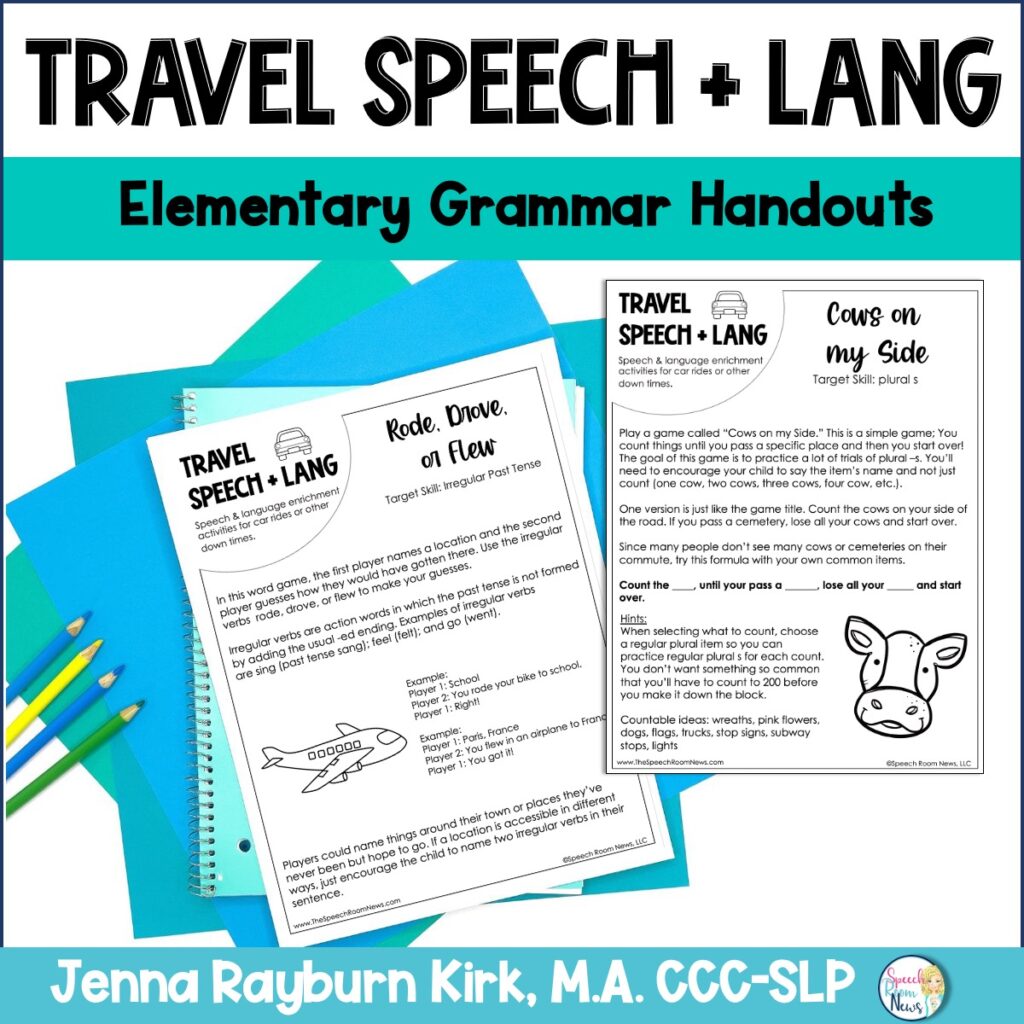
- Focus: Expanding vocabulary, basic sentence structure, question formation, articulation of common sounds, early narrative skills.
- Car Activities: This age group is ideal for the introduction of structured yet fun games. The "Grocery Game" (detailed below) is excellent for question formation, while simple "I Spy" helps with descriptive language and categorization.
- Inference: Children at this stage are developing their understanding of grammar and syntax. Games that subtly reinforce these rules are highly beneficial.
-
Early Elementary (5-8 Years and Beyond):
- Focus: Complex sentence structures, advanced articulation, narrative complexity, understanding abstract concepts, social language (pragmatics).
- Car Activities: Games like "Red Light Race" (for articulation) and "Triple Threat" (for story creation) become highly effective. Discussions about current events, books, or future plans further develop higher-level language and critical thinking.
- Inference: As children mature, the activities can become more cognitively demanding, fostering not just language mechanics but also creative expression and logical reasoning.
Practical Strategies: Three Engaging Car Games
The following three simple yet powerful activities exemplify how parents can transform mundane car rides into dynamic speech and language practice sessions. These games are designed to be low-prep, require no materials, and are easily adaptable to various skill levels.
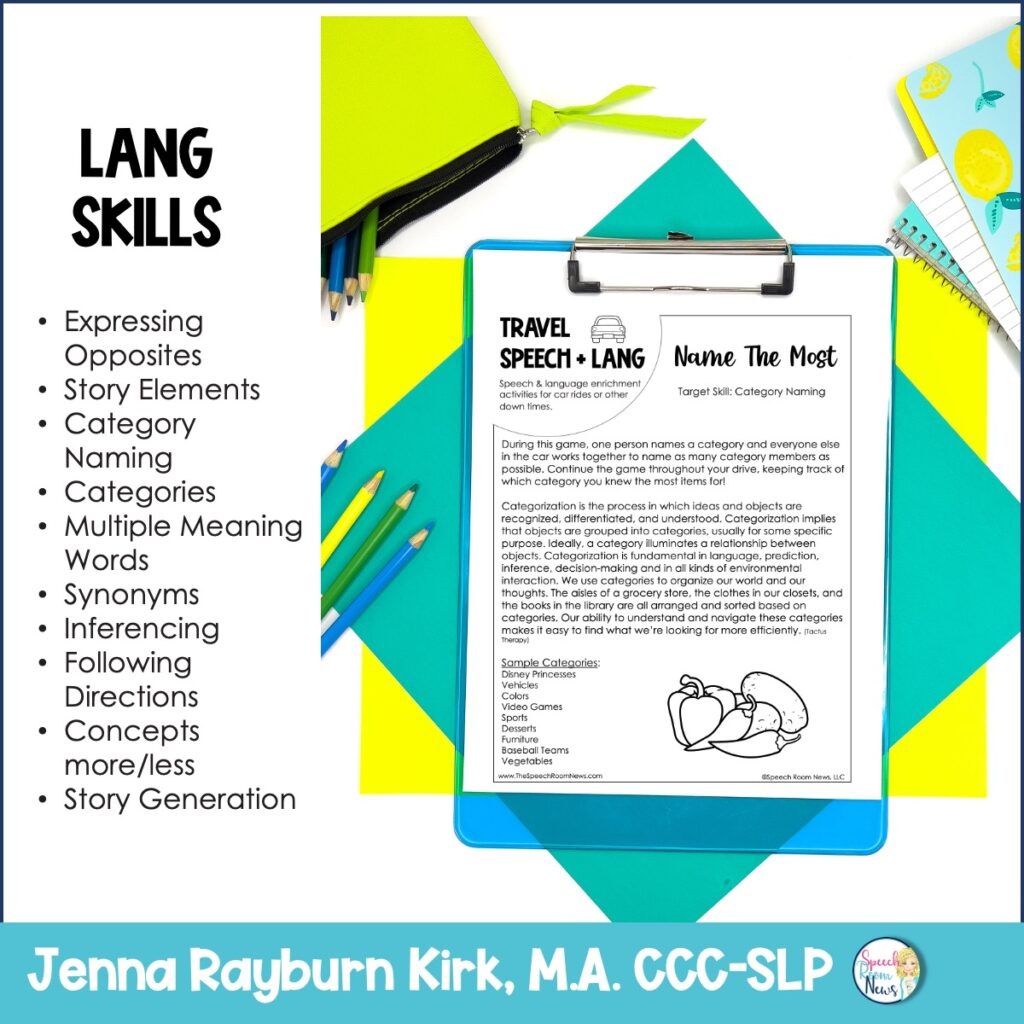
1. The Grocery Game: Mastering Question Formation
This game is an excellent tool for targeting question formation, a fundamental aspect of both receptive and expressive language. Children with language delays often struggle with the correct syntax and semantics required to ask effective questions.
- How to Play: One player (the "thinker") secretly chooses an item typically found in a grocery store. The other players (the "questers") take turns asking yes/no questions to guess the item.
- Examples of Questions:
- "Is it in the produce aisle?" (Category, location)
- "Is it a type of fruit?" (Categorization)
- "Do you drink it?" (Function, action)
- "Is it green?" (Attribute)
- "Can you eat it for breakfast?" (Function, time)
- "Will it melt if it gets warm?" (Properties, cause-effect)
- Targeted Language Skills:
- Question Formulation (Grammar/Syntax): Directly addresses the correct word order and use of auxiliary verbs (is, do, can, will).
- Categorization: Encourages understanding and using categories (fruits, vegetables, dairy, frozen).
- Attributes: Promotes the use of adjectives to describe characteristics (color, size, texture).
- Functions/Actions: Connects items to their uses or associated actions.
- Inferencing and Problem-Solving: Children must use the answers to previous questions to narrow down possibilities, enhancing their logical reasoning.
The adult’s role in this game is crucial for modeling correct question structures. By consistently demonstrating well-formed questions, parents provide valuable auditory input, known as auditory bombardment, which helps children internalize the patterns of English grammar.
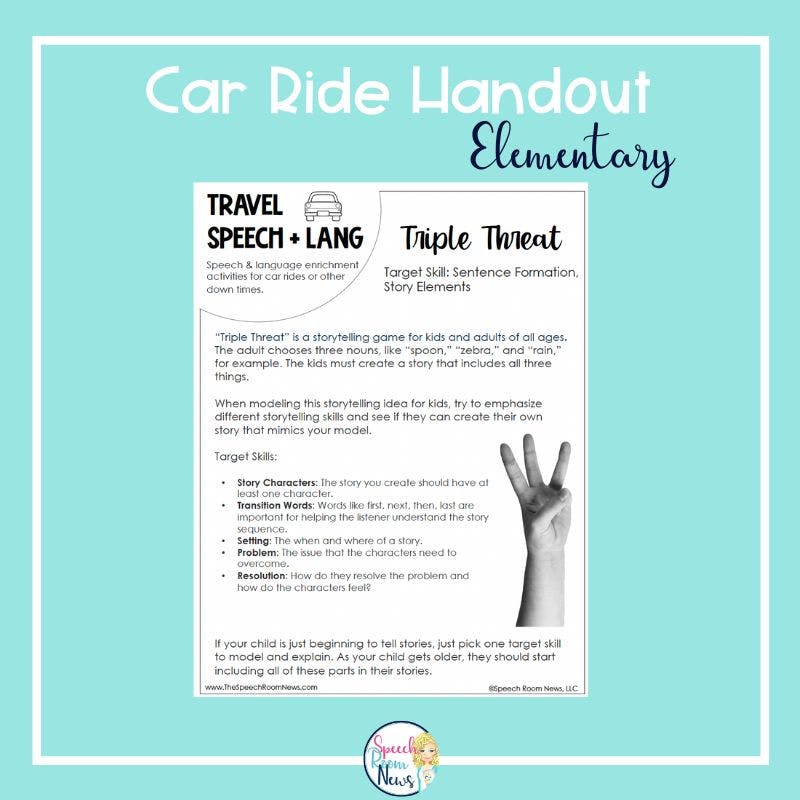
2. Red Light Race: Articulation in Action
For children working on specific speech sounds (articulation), the "Red Light Race" offers a fun, low-pressure way to practice target sounds in a repetitive, engaging manner.
- How to Play: Each time the car stops at a red light, players take turns naming as many items as possible that contain a chosen target sound (e.g., /s/, /r/, /th/). One person names, the other counts. The adult should model the target sound clearly and consistently.
- Example for Target Sound /s/:
- Category: Animals: "Snake," "seal," "spider," "squirrel," "sheep."
- Category: Food: "Soup," "salad," "sandwich," "strawberries," "sausage."
- Category: Things we see in the car: "Steering wheel," "seatbelt," "street sign," "speedometer," "sun."
- Targeted Speech Skills:
- Articulation Practice: Provides high-frequency repetition of target sounds in various word positions.
- Auditory Bombardment: The adult’s modeling helps the child’s ear become attuned to the target sound, improving their ability to hear and produce it correctly.
- Vocabulary Retrieval: Encourages quick thinking and accessing words within specific categories.
- Phonological Awareness: Helps children recognize and isolate specific sounds within words.
The beauty of this game lies in its flexibility. Parents can choose any sound the child is working on and adapt categories to suit their interests. The competitive element (counting items) adds a layer of motivation without undue pressure.
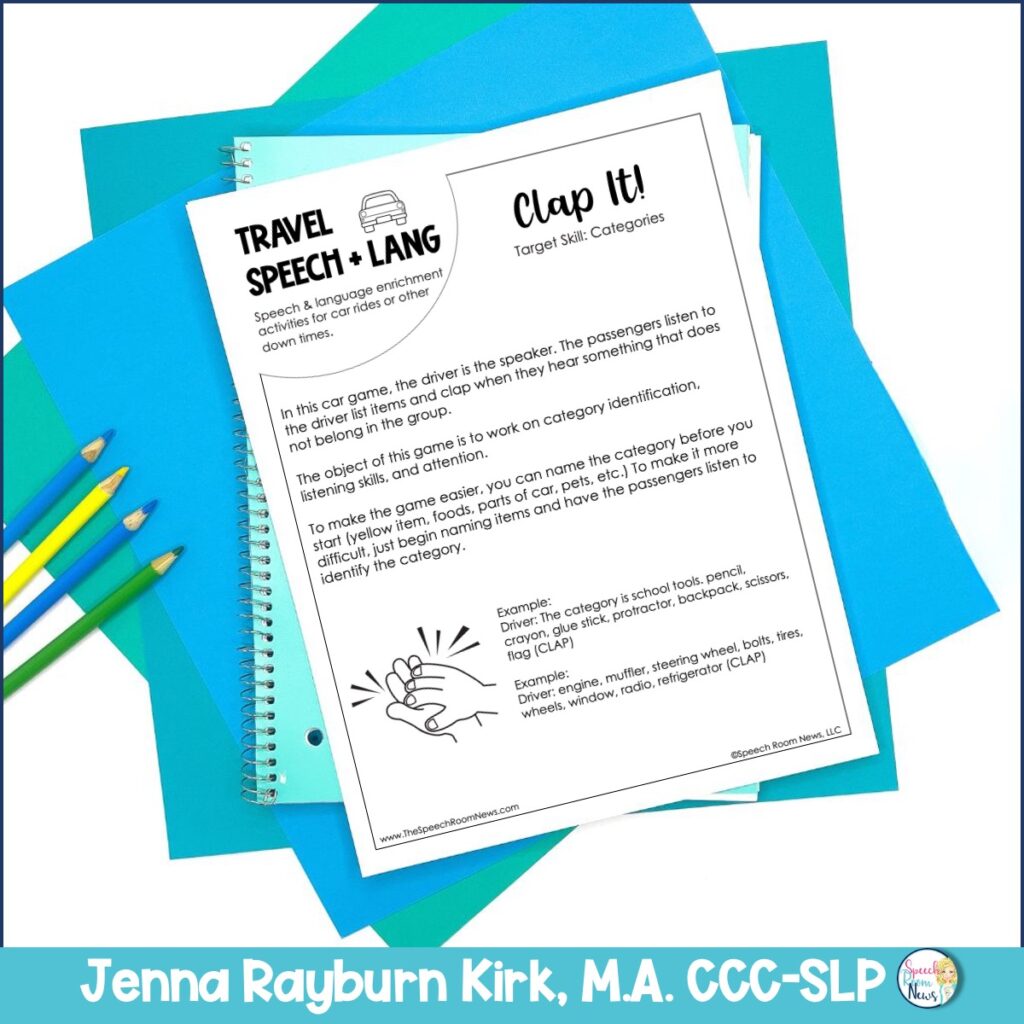
3. Triple Threat: Cultivating Narrative and Sentence Structure
This imaginative game is designed to enhance narrative skills, sentence formation, and creative thinking, all essential components of advanced language development.
- How to Play: The adult presents three unrelated nouns (e.g., "dog," "milk," "bike"). The child then has to create a short story that incorporates all three items. The sillier the story, the better!
- Example Prompt: "Dog, Milk, Bike"
- Child’s Story: "A fluffy dog loved to ride his little bike. One day, he rode it all the way to the store to buy some chocolate milk. But he spilled it all on the way home!"
- Targeted Language Skills:
- Sentence Formation (Syntax): Encourages the construction of grammatically correct and increasingly complex sentences.
- Narrative Skills: Develops the ability to sequence events, introduce characters, settings, and plots, and create a coherent story.
- Vocabulary Integration: Challenges children to use given words meaningfully within a narrative context.
- Creativity and Imagination: Fosters divergent thinking and imaginative play.
- Story Retell: Can be extended by having the child retell the story or having another player add to it.
This game can be adapted for different age groups. Younger children might focus on forming simple sentences that include the words, while older children can be challenged to create more elaborate plots with a clear beginning, middle, and end.
Beyond the Games: Broader Implications and Support
The integration of speech and language practice into daily car rides extends beyond just these specific games. It represents a broader shift in parental mindset, transforming passive travel time into active engagement. This approach has several significant implications:
- Parental Empowerment: It provides parents, particularly those whose children are receiving formal therapy, with concrete, actionable strategies to support their child’s progress outside of therapy sessions. This can reduce feelings of helplessness and foster a sense of active participation in their child’s development.
- Reduced Screen Time: By offering engaging alternatives, these activities naturally reduce children’s reliance on tablets and smartphones during travel, promoting active rather than passive consumption of information. This aligns with recommendations from pediatric associations regarding limiting screen exposure.
- Holistic Development: Beyond speech and language, these interactions foster critical thinking, problem-solving, creativity, and stronger parent-child bonds. The shared experience of play strengthens emotional connections and creates positive memories.
- Accessibility and Cost-Effectiveness: These methods are entirely free and require no special equipment, making high-quality developmental support accessible to all families regardless of socioeconomic status.
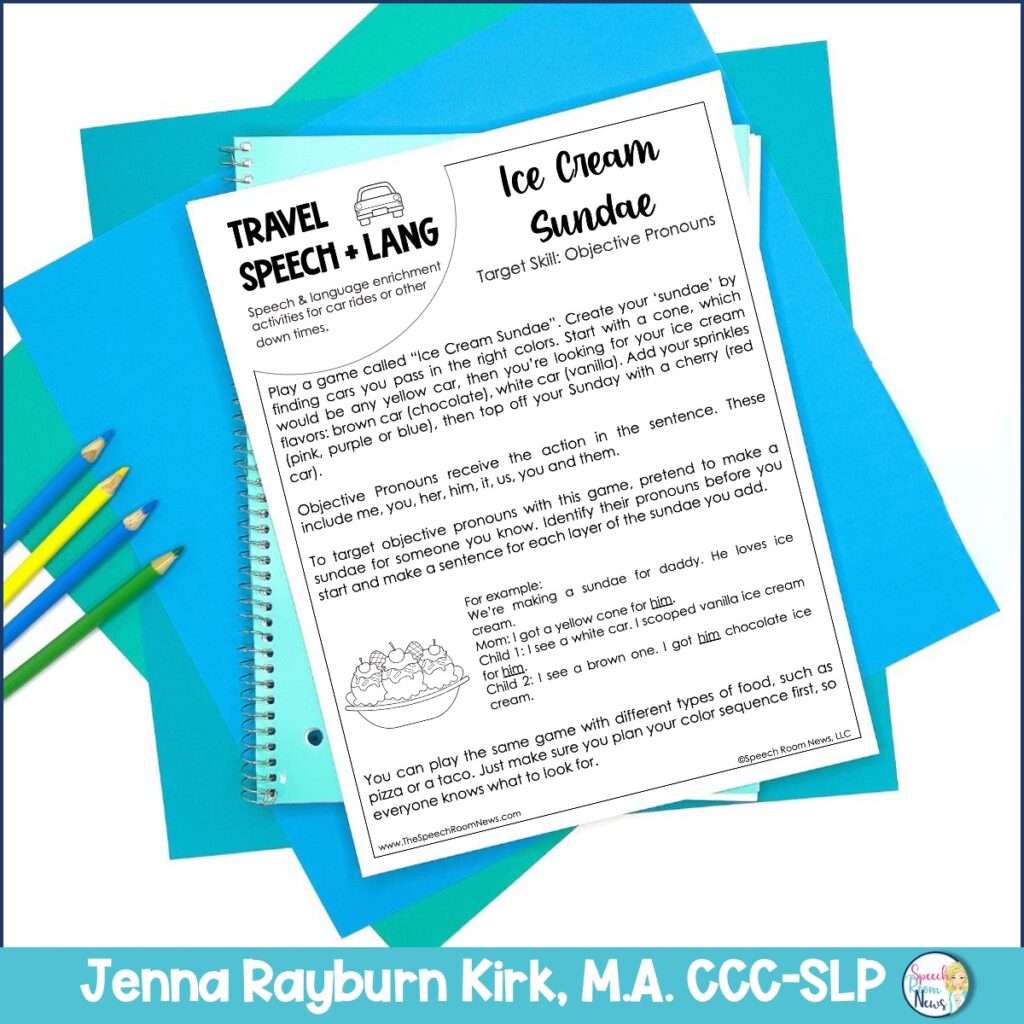
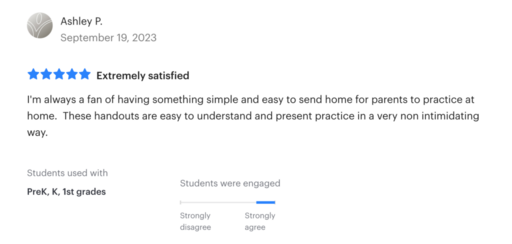
Speech-language pathologists play a crucial role in educating parents about these home-based strategies. Many SLPs are now actively providing parents with handouts, tips, and resources that outline how to incorporate language-rich activities into everyday routines, including car rides. These resources often include practical examples and explanations of the developmental benefits, bridging the gap between clinical therapy and daily life. As one SLP reviewer of a popular resource bundle noted, "These handouts are perfect to post on your bulletin board or send home with families on your caseload. This encourages valuable and practical ways to practice speech skills with their child throughout the hustle and bustle of everyday life and shows parents ways to support their child in a practical way." This direct support from professionals validates and empowers parents in their efforts.

In conclusion, the daily car commute, often perceived as a challenge in a busy schedule, holds immense, largely untapped potential for fostering children’s speech and language development. By embracing simple, engaging games and intentional conversation, parents can transform these routine journeys into powerful learning experiences. This proactive approach not only complements formal therapy and aids in addressing developmental delays but also enriches family interactions, reduces screen time, and lays a stronger foundation for a child’s overall communication and cognitive success. The road ahead, it seems, is paved with opportunities for growth.
