

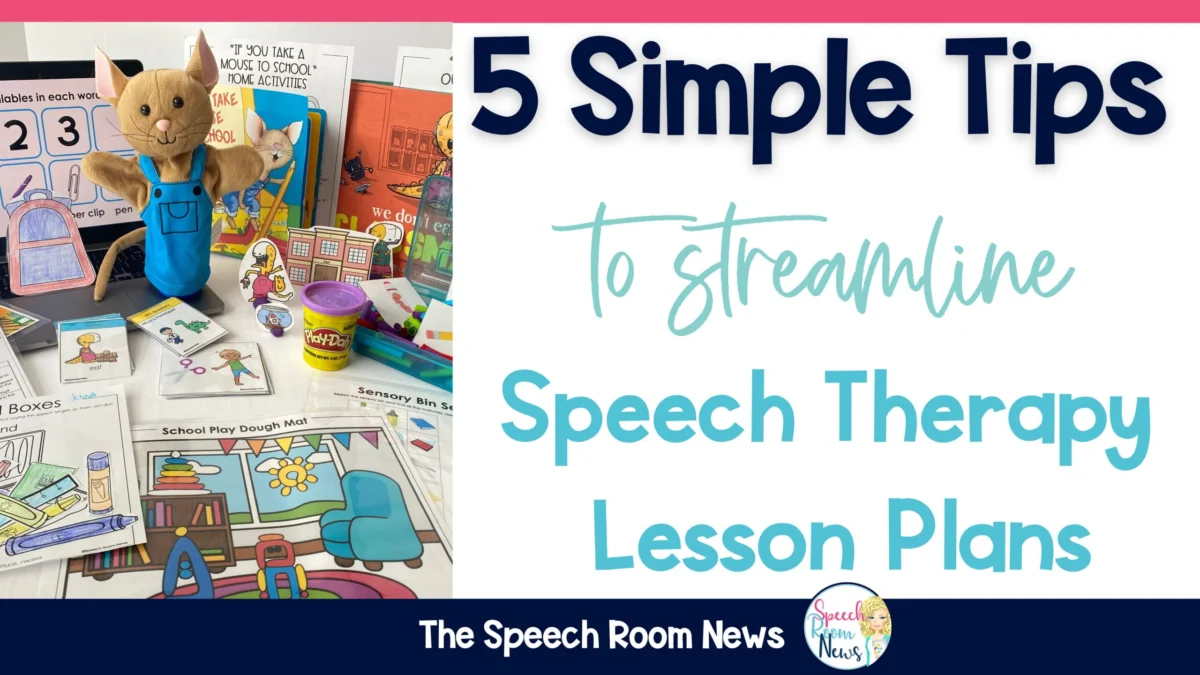
School-based Speech-Language Pathologists (SLPs) across the nation are increasingly seeking innovative methodologies to manage demanding caseloads while delivering high-quality, individualized therapy. The traditional approach of crafting dozens of unique lesson plans weekly for a diverse student population, each with distinct communication goals, has proven unsustainable and often leads to professional burnout. A new paradigm, focusing on efficiency without compromising therapeutic effectiveness, is emerging, driven by practical strategies designed to optimize preparation time and maximize intervention impact. This shift is critical as SLPs navigate an ever-growing demand for services, with an estimated one in twelve children experiencing a speech, language, or swallowing disorder, according to the National Institute on Deafness and Other Communication Disorders (NIDCD).
The administrative burden on SLPs is substantial. Beyond direct intervention, their roles encompass comprehensive assessments, Individualized Education Program (IEP) development and compliance, data collection, consultation with teachers and parents, and ongoing professional development. In many districts, caseloads frequently exceed the recommended limits set by professional organizations like the American Speech-Language-Hearing Association (ASHA), making efficient lesson planning not merely a convenience but a professional imperative. The challenge intensifies for newly credentialed SLPs entering the field, often confronted with large, unfamiliar caseloads and a steep learning curve in resource management. Recognizing this systemic pressure, experienced SLPs are advocating for and implementing streamlined planning approaches that leverage thematic content, literacy integration, narrative development, high-utility tools, and systematic Augmentative and Alternative Communication (AAC) strategies. These methods not only reduce preparation time but also enhance student engagement and facilitate greater generalization of learned skills.
The Foundational Shift: Moving Beyond Individualized Daily Plans
The core of this transformative approach lies in shifting away from creating 50 distinct lesson plans for 50 different students each week. Instead, SLPs are adopting overarching frameworks that allow for the targeting of multiple goals across various students within a single, cohesive activity or unit. This strategic consolidation addresses the inherent variability of mixed groups, a common reality in school-based therapy settings, where students with diverse needs—from articulation to language comprehension to social communication—may be grouped together. By employing universal design principles in their planning, SLPs can ensure that activities are accessible and beneficial for a wide range of developmental levels and therapeutic objectives. This approach not only saves valuable planning time but also fosters a more dynamic and interactive therapy environment, encouraging peer learning and diversified practice opportunities.
1. Embracing Theme-Based Therapy for Cohesion and Reusability
One of the most widely adopted and highly effective strategies is the implementation of a theme-based therapy plan. This method involves selecting a central theme for a week or month—such as "Fall Harvest," "Under the Sea," or "Community Helpers"—and then coordinating all therapeutic materials and activities around that theme. This allows SLPs to select a single book, a set of toys, a collection of worksheets, or a craft project that can be adapted to address a multitude of speech and language goals for various students. For instance, a "Farm Animals" theme could facilitate articulation practice (e.g., /f/ in "farm," /p/ in "pig"), vocabulary expansion (e.g., names of animals, actions), following directions (e.g., "put the cow in the barn"), story generation, and even social pragmatic skills (e.g., taking turns with farm animal toys).
The primary benefit of this approach is its inherent reusability. Once a thematic unit is developed and materials are curated, they can be stored and repurposed year after year, with only minor adjustments or additions. This significantly reduces long-term planning demands, allowing SLPs to build a comprehensive library of ready-to-use units. Furthermore, themed lesson plans often align seamlessly with classroom curricula, fostering interdisciplinary connections and providing students with consistent exposure to related vocabulary and concepts across different learning environments. This curriculum alignment is crucial for promoting carryover of skills into academic settings, a key objective for school-based therapy.
2. Leveraging Literacy-Based Intervention for Integrated Learning
Another cornerstone of efficient and effective speech therapy planning is the literacy-based therapy plan, which centers interventions around high-quality picture books. This approach capitalizes on the rich linguistic and narrative content embedded in children’s literature, providing a natural context for targeting a broad spectrum of speech and language goals. For example, a single picture book can be used to address articulation targets within story vocabulary, expand receptive and expressive vocabulary, improve grammatical structures, enhance comprehension of story elements, and develop inferential thinking skills.
A typical literacy-based intervention framework involves several stages: activating students’ pre-story knowledge, engaging in a shared story reading, conducting focused-skill activities derived from the book’s content, and facilitating a post-story comprehension discussion. The versatility of books allows SLPs to use the same text and related materials over multiple sessions, further minimizing preparation. Moreover, aligning book selections with classroom reading curricula strengthens the connection between therapy and academic success, particularly for students in elementary and even secondary grades who benefit from consistent exposure to complex texts. The availability of pre-made materials online for popular children’s books also contributes to the streamlining of preparation, providing SLPs with a wealth of ready-to-implement resources. Studies on literacy-based interventions consistently demonstrate improvements in vocabulary acquisition, narrative skills, and reading comprehension among students receiving this form of therapy.
3. Implementing a Narrative Language Approach for Academic Success
Closely related to literacy-based therapy, but with distinct emphasis, is the narrative language approach. This method focuses on explicitly teaching storytelling and story comprehension skills while simultaneously targeting specific speech and language objectives. Narrative skills are fundamental for academic achievement, as students are constantly required to understand and produce narratives in various forms, from classroom discussions to written assignments. Deficits in narrative language can significantly impact a student’s ability to follow classroom instruction, participate in social interactions, and demonstrate learning.
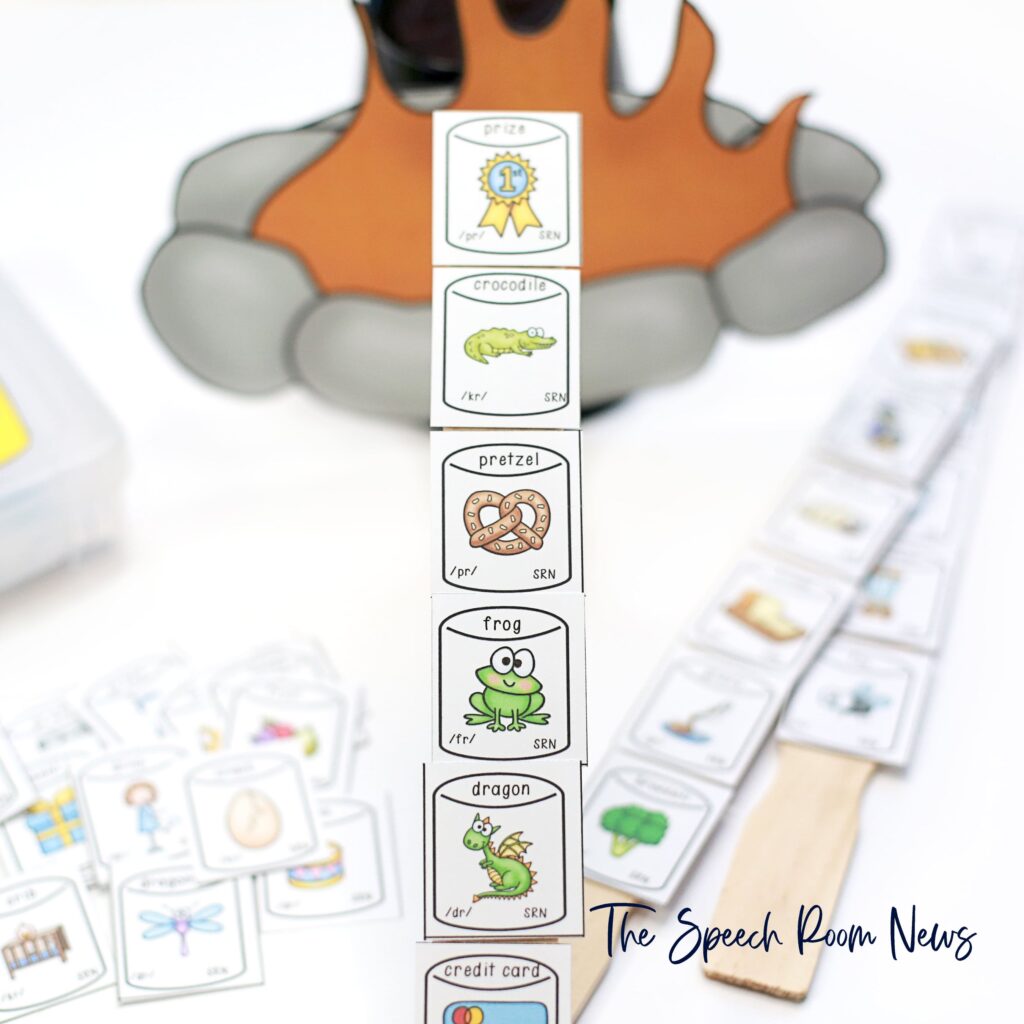
In a narrative language intervention, SLPs typically present a series of different stories over time, often one per session, that share similar structural elements or themes. The core activities revolve around story retell and story generation tasks, with a strong emphasis on story grammar (e.g., characters, setting, initiating event, internal response, plan, attempt, consequence, resolution), complex syntax, and advanced vocabulary. The major advantage of this approach is its direct link to curriculum success. By improving narrative competencies, students gain a crucial foundation for understanding academic texts, organizing their thoughts for written and oral expression, and engaging in more sophisticated communication. This approach ensures that speech and language skills are not only practiced in isolation but are also integrated into functional, academically relevant contexts, leading to greater carryover and generalization. Resources such as story grammar icons and visual aids are frequently employed to support students in deconstructing and constructing narratives effectively.
4. Maximizing a Single Therapy Toy or Game for Versatile Intervention
Perhaps the most low-prep and adaptable strategy involves utilizing a single, high-utility toy or game to address every goal within a therapy session. This method significantly reduces the need for extensive material preparation and allows for spontaneous adaptation based on student needs and responses. The principle is to select an item that offers numerous opportunities for language and speech production across various domains.
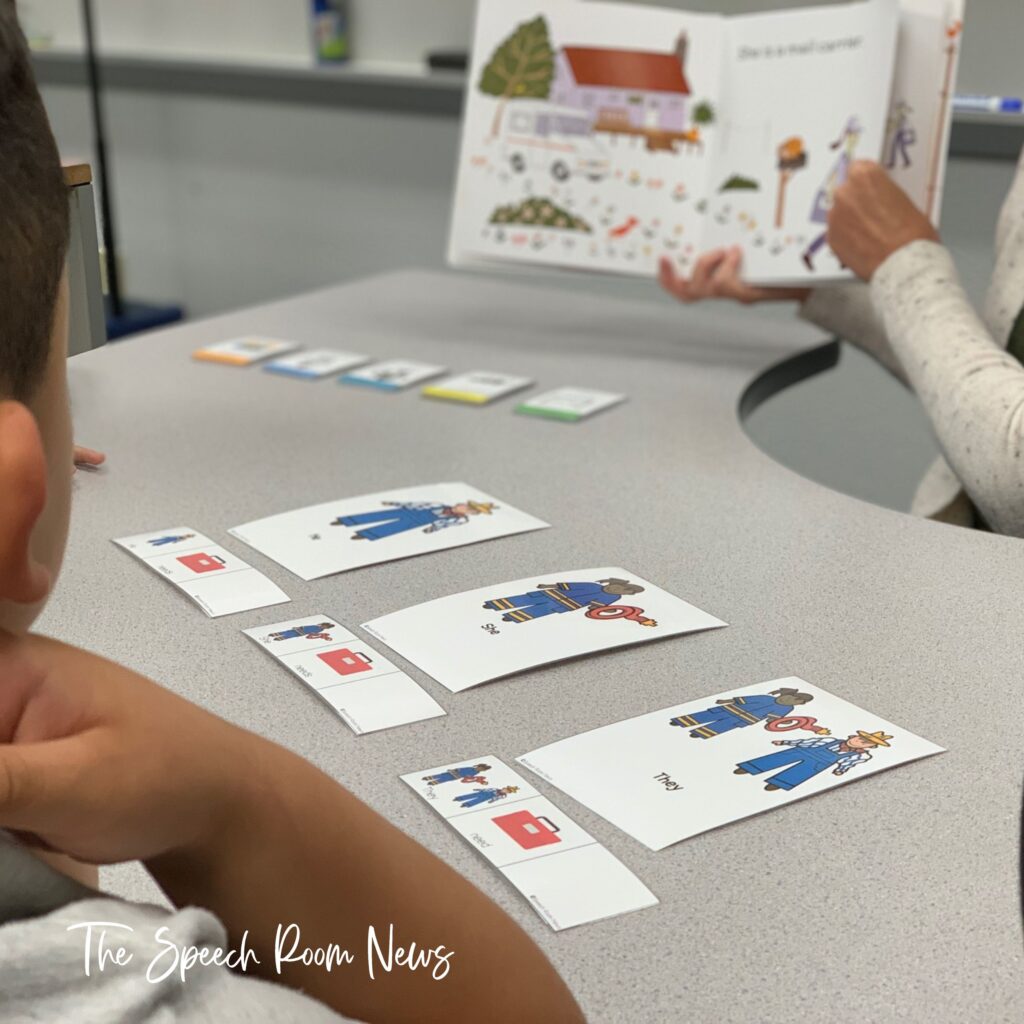
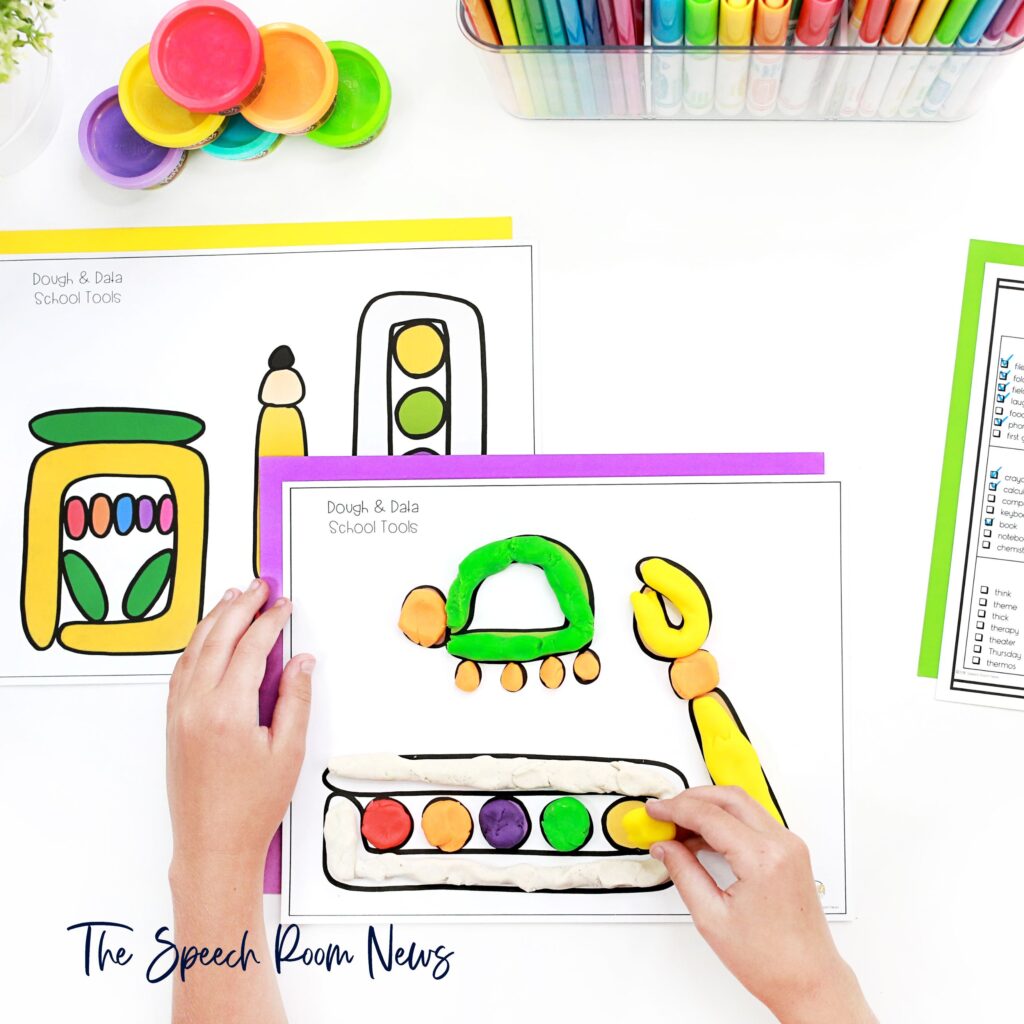
Classic board games like Candyland, for instance, can be transformed into comprehensive therapy tools. By creating custom cards or prompts tied to the game’s progression, SLPs can target articulation (e.g., "Say /k/ for ‘candy’"), vocabulary (e.g., colors, sweets), grammatical structures (e.g., "I moved to the gingerbread man"), and social skills (e.g., turn-taking, winning/losing gracefully). Similarly, play-doh offers endless possibilities for targeting fine motor skills, following directions, requesting, describing, and even data collection through "Dough and Data Sets" where students create shapes or objects related to their targets. Mini objects are another favorite, valued for their versatility, portability, and intrinsic motivation. They can be used for categorization, describing attributes, prepositions, verb phrases, articulation drills, and imaginative play scenarios.
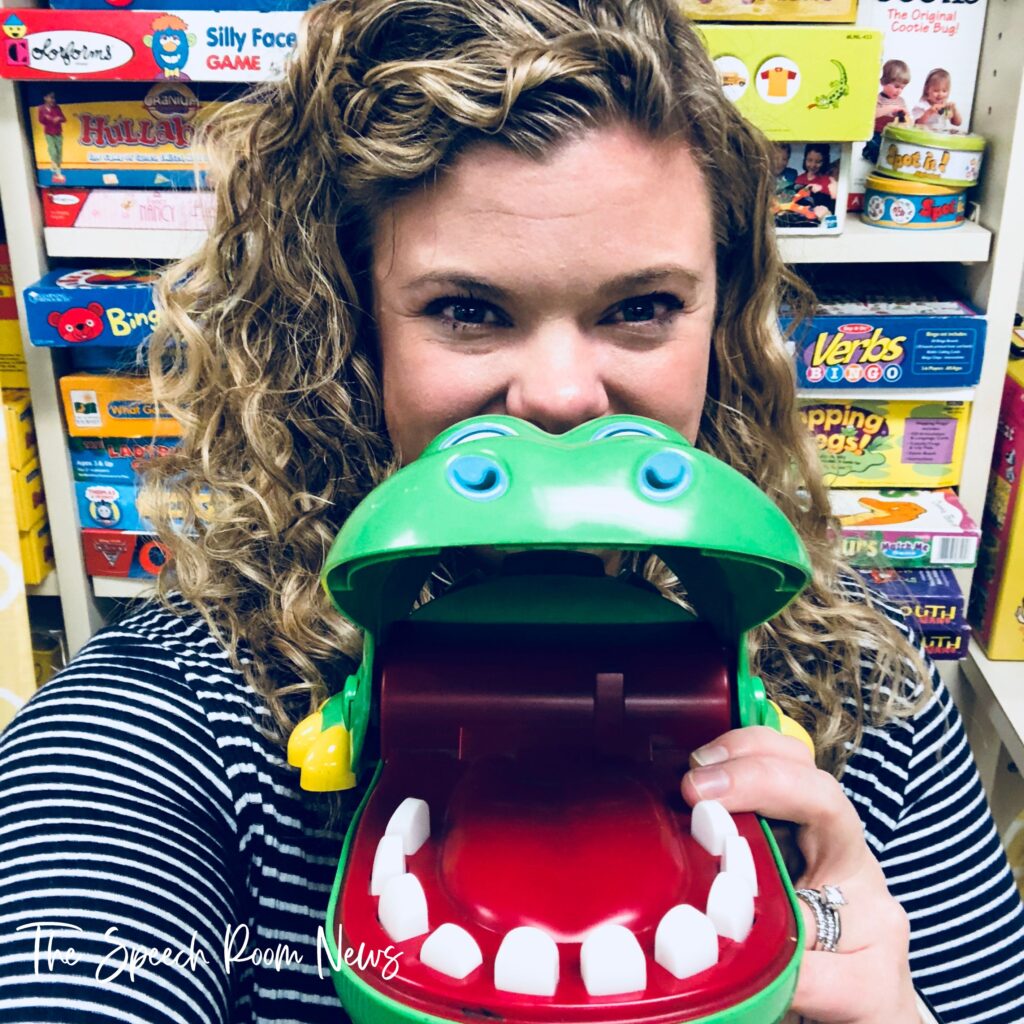
Specific toys, such as a "chomping crocodile" for dental health themes or a Melissa & Doug ice cream shop, provide rich contexts for a multitude of goals. The crocodile can facilitate discussions about dental hygiene, expand vocabulary related to teeth and dentists, and elicit target sounds. The ice cream shop encourages imaginative play, develops vocabulary for flavors and toppings, practices requesting and descriptive language ("Can I have whipped cream on top, please?"), and works on spatial concepts ("Put the chocolate on top of the vanilla"). These versatile tools demonstrate that effective therapy does not require elaborate setups but rather creative application of readily available resources. This approach not only streamlines planning but also enhances student engagement by embedding learning within enjoyable, play-based activities, which research shows can improve motivation and retention of skills.
5. Systematizing AAC Core Word Instruction
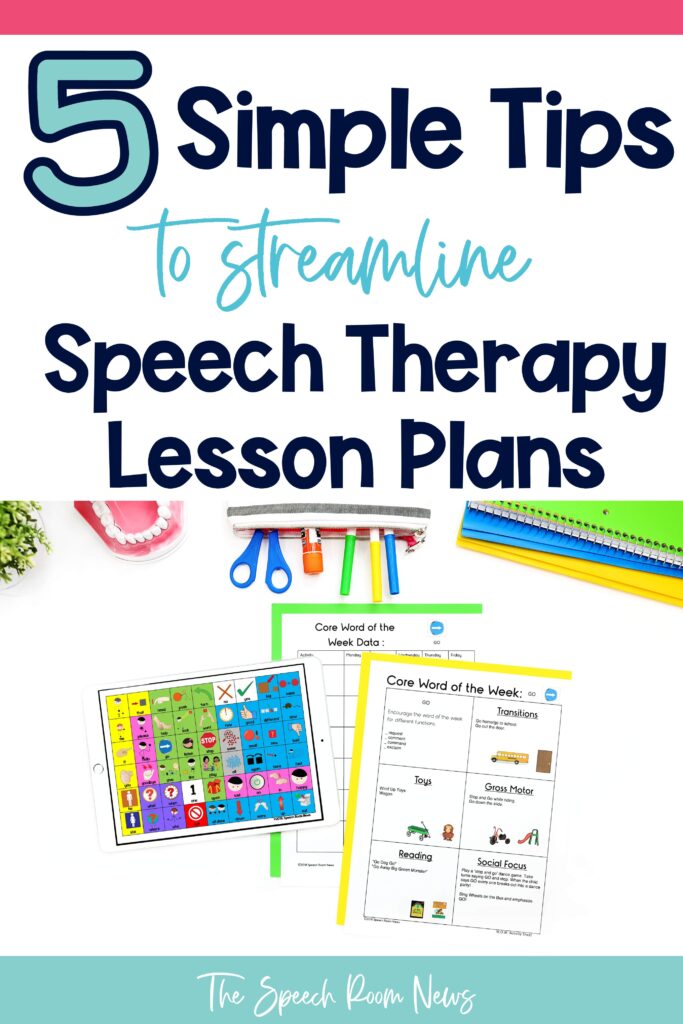
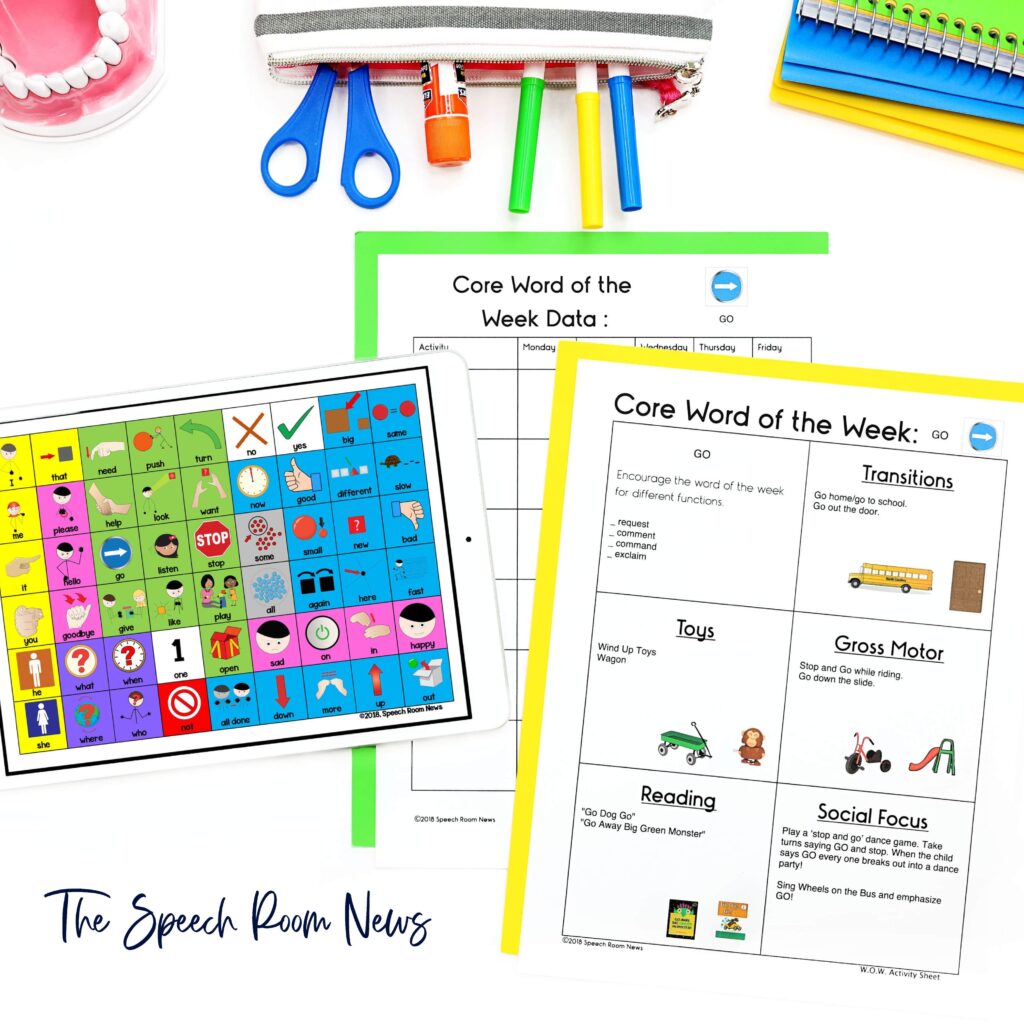
For students who utilize Augmentative and Alternative Communication (AAC), systematic instruction is paramount. The "AAC Core Word of the Week (WOW)" approach provides a robust framework for integrating core vocabulary instruction into daily therapy sessions and across the school environment. Core words are a small set of highly functional words (e.g., "go," "want," "more," "stop," "in," "out") that comprise a significant portion of daily communication. Focusing on these words ensures that AAC users gain access to a powerful vocabulary that allows them to express a wide range of communicative functions.
A structured AAC WOW lesson plan provides a comprehensive guide for an entire month of instruction, typically targeting four core words per lesson. This framework ensures consistency in teaching and modeling, which is crucial for AAC acquisition. It outlines activities, provides visual supports, and includes resources such as signs for doors and classrooms, and parent letters to send home. This level of organization not only reduces the SLP’s planning time but also fosters a collaborative environment where all members of the student’s IEP team—teachers, paraprofessionals, and parents—are equipped to support the consistent use of target core words. The comprehensive nature of these bundles, covering multiple sets of core words, ensures that instruction can be systematically progressed throughout the academic year, leading to greater communicative independence and participation for AAC users.
Bonus Tip: Cultivating a Grab-and-Go Material Arsenal
Beyond these structured planning approaches, maintaining a curated collection of "grab-and-go" materials is an indispensable strategy for any SLP. These prepped, ready-to-use resources serve as invaluable backups for unexpected needs, filler activities, or instances when primary lesson plans are disrupted. They are also essential for substitute SLPs, ensuring continuity of care.
Essential grab-and-go materials include:
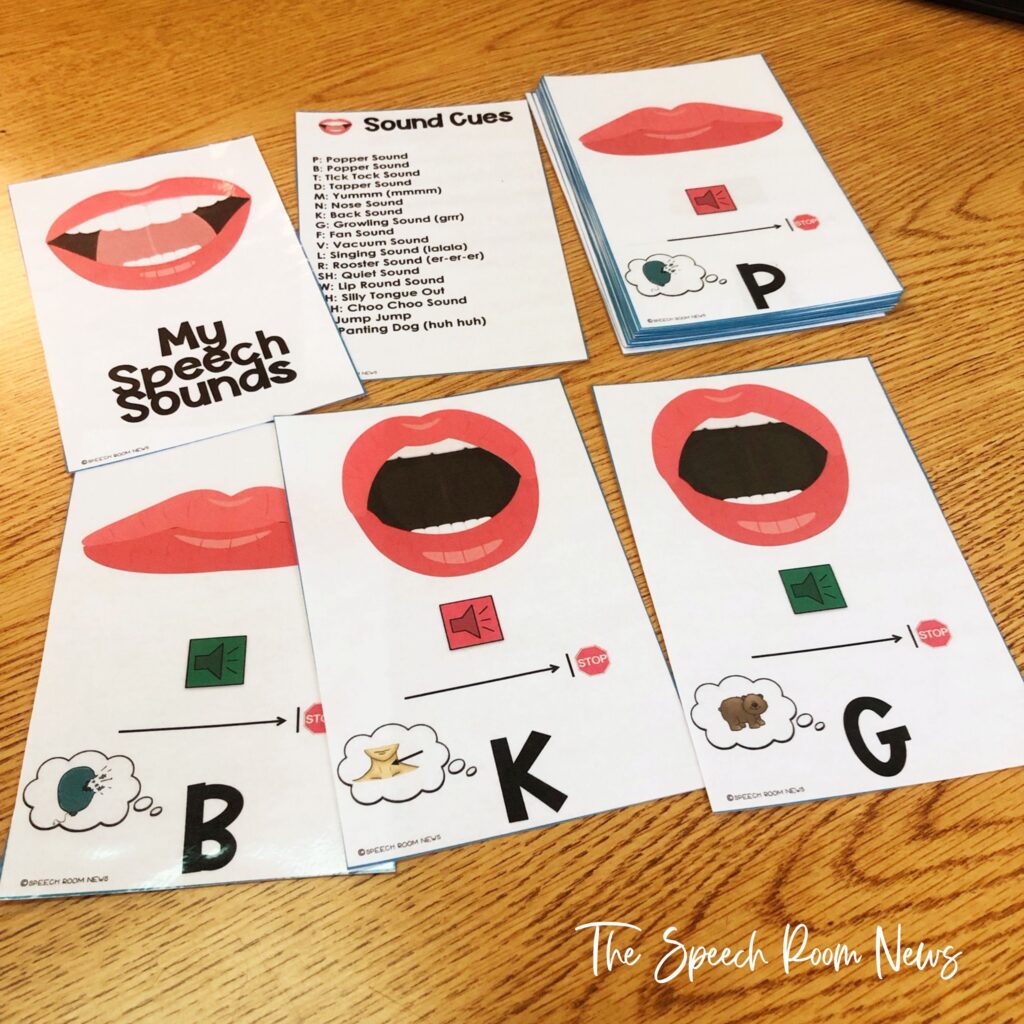
- Speech Helpers: Visual aids and mini-books that explain the articulators and how speech sounds are produced.
- Behavior Supports: Visual schedules, first/then boards, and choice boards to help manage behavior and transitions.
- Articulation Cards: Comprehensive sets of cards targeting various speech sounds at different levels (word, phrase, sentence).
- Speech Sound Articulation Posters: Visual reminders of correct tongue and lip placement for specific sounds.
- Print & Go Articulation and Phonology Home Packets: Ready-to-send materials for home practice, facilitating generalization of skills outside of therapy.
These readily accessible resources minimize last-minute scrambling and ensure that valuable therapy time is spent on direct intervention rather than preparation. They represent a proactive approach to managing the unpredictable nature of school environments and maintaining a high standard of service delivery.
Broader Implications and Future Outlook
The adoption of these streamlined planning methodologies holds significant implications for the field of speech-language pathology. For SLPs, it translates to reduced stress, improved work-life balance, and potentially higher job satisfaction and retention rates within school settings. By freeing up time previously spent on arduous planning, SLPs can dedicate more energy to direct student interaction, data analysis, and professional collaboration, ultimately enhancing the quality of care.
For students, these approaches lead to more consistent, engaging, and curriculum-relevant therapy. The focus on generalized skills, embedded within meaningful contexts like themes and narratives, promotes deeper learning and better carryover to real-world communication situations. This integration also fosters a more inclusive educational environment where speech and language goals are not isolated but are recognized as integral to overall academic and social development.
As educational systems continue to evolve, with increasing demands on specialized service providers, the emphasis on efficient, evidence-based practices will only grow. These innovative planning strategies represent a forward-thinking approach to school-based speech-language pathology, demonstrating that high-quality intervention and efficient resource management can, and should, go hand-in-hand. Professional organizations like ASHA continue to advocate for such models, recognizing their potential to sustain the profession and maximize positive outcomes for students with communication disorders. The ongoing dialogue and sharing of these practical strategies among SLPs underscore a collective commitment to both professional well-being and student success.
