

The daily routine of driving children to school, appointments, or errands, often perceived as merely transitional time, is increasingly recognized by developmental specialists as an invaluable opportunity for fostering essential speech and language skills. In an era where parents grapple with demanding schedules and the pervasive influence of digital distractions, intentionally structured car rides offer a unique, distraction-reduced environment that can significantly contribute to a child’s linguistic growth, particularly for those navigating speech or language delays. This approach not only maximizes valuable time but also integrates therapeutic practice into the fabric of everyday life, transforming mundane commutes into engaging educational experiences.
The Foundational Importance of Early Speech and Language Intervention
Speech and language development are cornerstones of a child’s overall cognitive, social, and academic success. According to the Centers for Disease Control and Prevention (CDC), approximately 1 in 12 children aged 3-17 years in the United States has had a disorder of speech, voice, language, or swallowing in the past 12 months. The American Speech-Language-Hearing Association (ASHA) further emphasizes that early identification and intervention for communication disorders are critical, as they can significantly improve outcomes, preventing potential long-term impacts on literacy, academic achievement, and social-emotional well-being. Without timely support, difficulties in communication can lead to frustration, social isolation, and academic struggles, perpetuating a cycle of disadvantage.
Historically, speech and language therapy often occurred in clinical settings, relying on dedicated sessions that could be challenging for busy families to consistently attend. However, a significant shift has occurred in the field of speech-language pathology (SLP) over recent decades, with an increasing emphasis on parent involvement and home-based practice. This evolution acknowledges that parents are a child’s most consistent communication partners, and their active participation in therapy is paramount for generalization of skills and sustained progress. Integrating therapeutic strategies into daily routines, rather than isolating them as separate tasks, has become a cornerstone of modern, family-centered intervention models. The car ride, by its very nature, presents an ideal, often untapped, setting for this integrated approach.
The Car Environment: An Unexpectedly Potent Learning Space
The enclosed, relatively distraction-free environment of a car offers several distinct advantages for focused speech and language practice, making it a favorite recommendation among many speech-language pathologists. Unlike a bustling home environment filled with toys, television, or siblings, the car naturally minimizes external stimuli, allowing for enhanced auditory attention and direct interaction between parent and child. This concentrated focus supports better engagement in verbal exchanges and activities.
Furthermore, car rides inherently provide a rich, natural context for vocabulary expansion and conversational development. As children observe road signs, passing landscapes, and other vehicles, parents can organically introduce new words, concepts, and descriptive language. This "real-world" exposure makes learning more concrete and memorable than abstract instruction. The structured nature of a car journey, often involving a clear beginning and end, also fosters a natural back-and-forth rhythm of communication, promoting turn-taking and sustained dialogue – essential components of pragmatic language skills. For many children, particularly those prone to boredom during commutes, engaging in interactive language games can transform travel time into an enjoyable, stimulating experience, further reinforcing positive associations with communication.
Practical Strategies: Transforming Commutes into Targeted Therapy
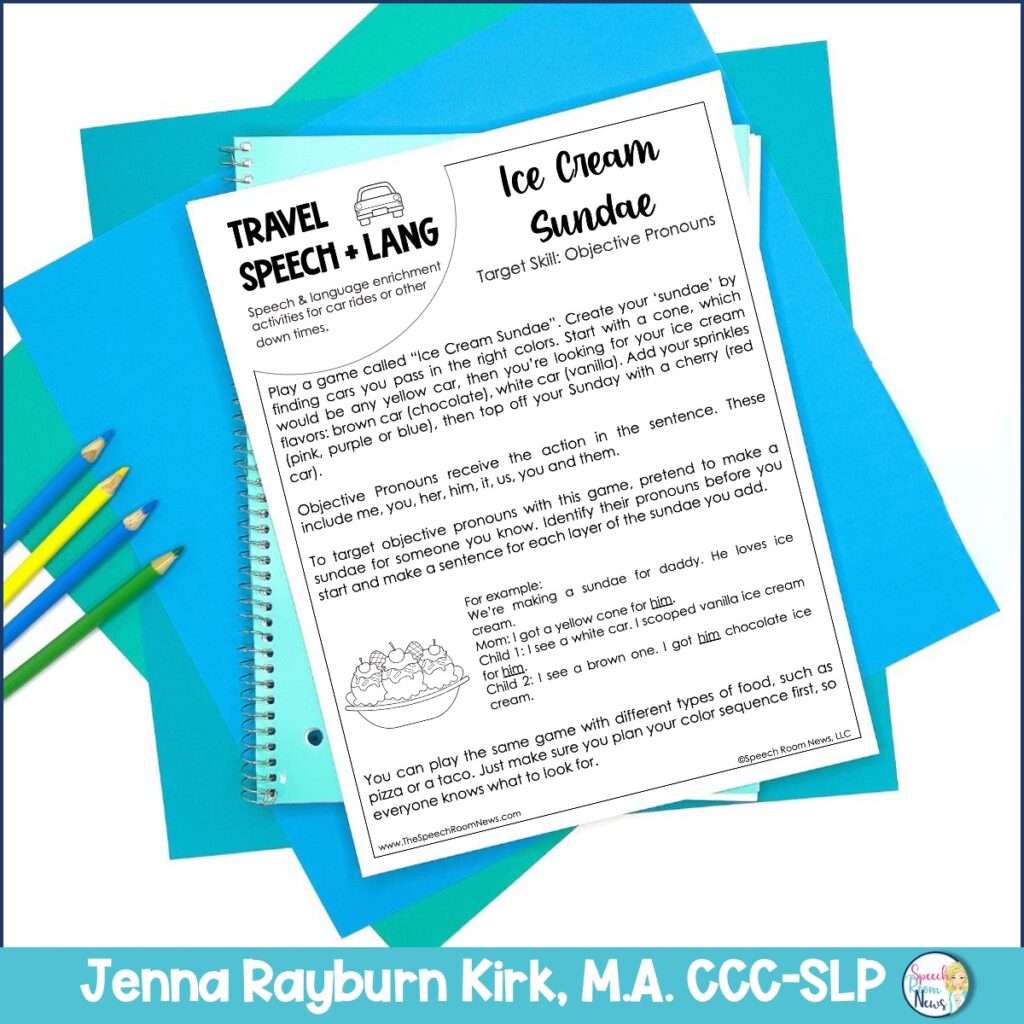
Speech-language pathologists and child development experts advocate for simple, adaptable games that target specific linguistic goals. These activities require no special equipment, making them accessible to all families and easily integrated into any car journey.
1. The Grocery Game: Cultivating Question Formation and Deductive Reasoning
This interactive guessing game is an excellent tool for developing robust question formation skills, a critical component of both expressive and receptive language. One player secretly thinks of a grocery item, and other players take turns asking yes/no questions to deduce the item.
- Linguistic Targets: The primary grammatical objective is mastering question formation, including correct word order (e.g., "Is it…?" "Do you…?"), use of auxiliary verbs, and interrogative pronouns. Beyond syntax, the game naturally targets a wide array of semantic and cognitive skills:
- Functions: "Does it melt?" (understanding purpose/properties)
- Actions: "Do you bite it?" (associating verbs with objects)
- Categories: "Is it a fruit?" (developing classification skills)
- Associations: "Is it something that goes on bread?" (understanding relationships between items)
- Cognitive Benefits: This game is not just about language; it significantly boosts critical thinking, problem-solving, and deductive reasoning. Children learn to formulate strategic questions, analyze responses, and narrow down possibilities, skills that translate directly into academic success and everyday decision-making.
- Expert Insight: "Mastering question formation is fundamental for academic inquiry and social engagement," states Dr. Eleanor Vance, a pediatric speech-language pathologist. "Children who can effectively ask questions demonstrate curiosity, seek clarification, and engage more deeply with their environment and peers. The Grocery Game provides a low-pressure, fun way to practice this complex linguistic structure repeatedly."
2. Red Light Race: Enhancing Articulation and Auditory Discrimination
This dynamic game capitalizes on brief stops at traffic lights to provide focused practice on articulation of target speech sounds. Players take turns naming as many items as possible within a chosen category that include a specific target sound (e.g., the /s/ sound).
- Linguistic Targets: The core focus is articulation, helping children correctly produce specific phonemes in various word positions. It also subtly reinforces phonological awareness (the ability to hear, identify, and manipulate individual sounds in spoken words) and expands vocabulary within semantic categories.
- Technique Explanation: A key therapeutic strategy employed here is "auditory bombardment." The adult player models the target sound repeatedly and accurately while naming items, providing the child with intensive exposure to the correct pronunciation. This repeated listening helps children "tune in" to the sound, improving their auditory discrimination and internal representation of the sound, which is a precursor to accurate production.
- Expert Insight: "Consistent, playful repetition is key for articulation remediation," explains Michael Chen, a veteran SLP. "Red Light Race makes this repetitive practice engaging. When parents model the target sound correctly and frequently, they’re providing invaluable auditory input that helps solidify new speech patterns faster than therapy sessions alone." Studies by organizations like the National Institute on Deafness and Other Communication Disorders (NIDCD) underscore that early and frequent exposure to correct speech sounds can significantly reduce the duration and intensity of subsequent therapy.
3. Triple Threat: Fostering Narrative Skills and Sentence Structure
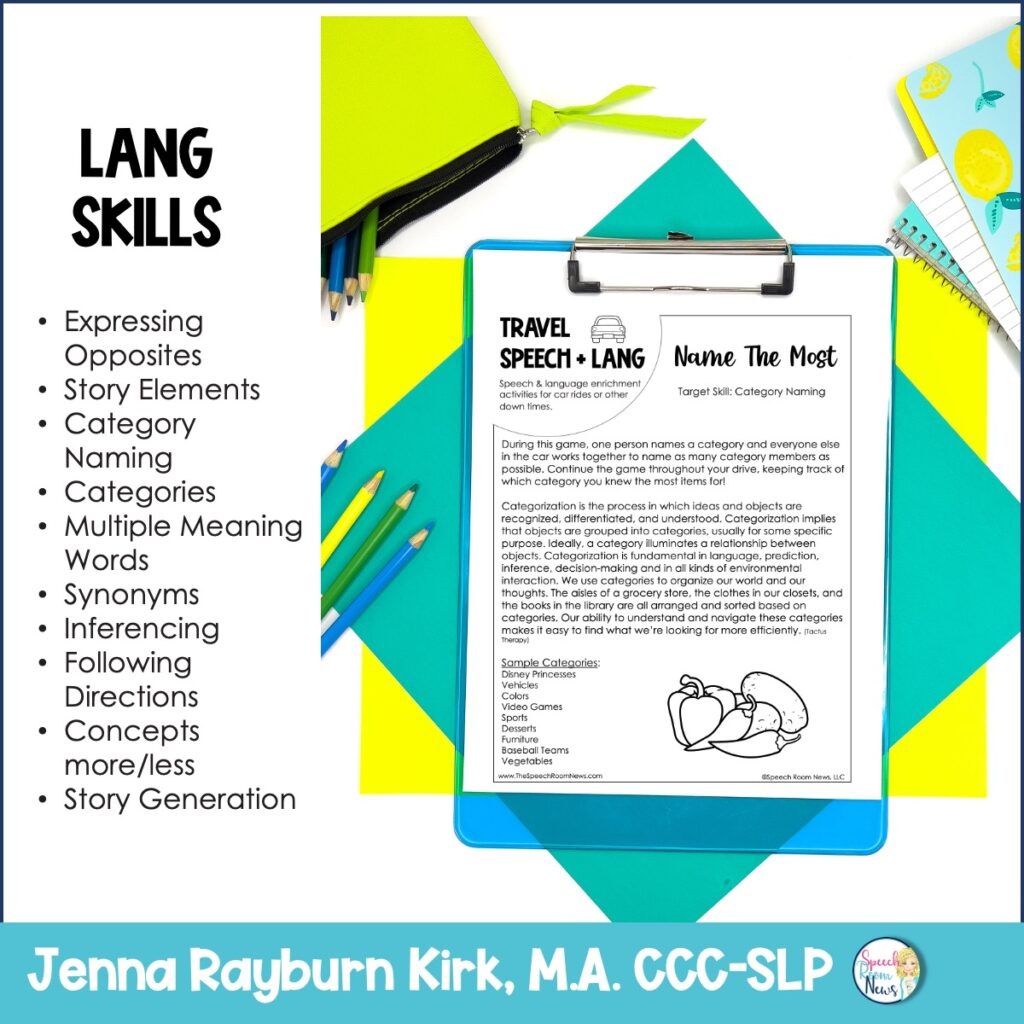
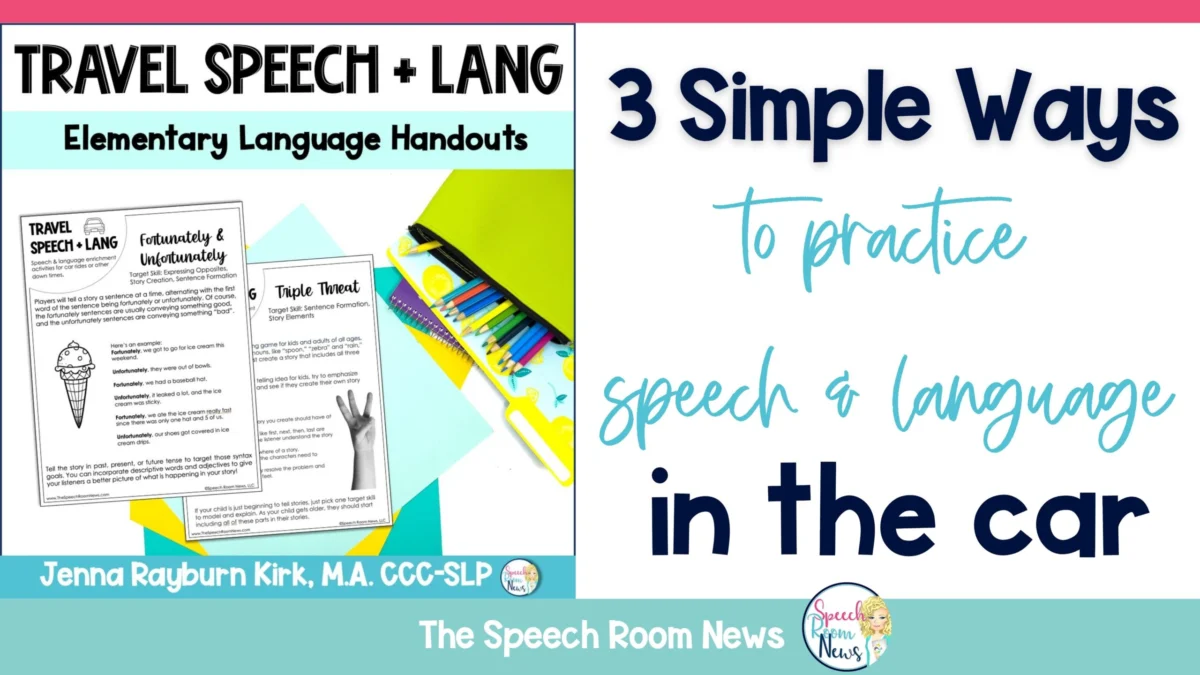
This imaginative game encourages creative thinking and advanced language construction by challenging children to weave a story around three seemingly unrelated nouns. For instance, a parent might suggest "dog, milk, and bike," prompting the child to create a coherent narrative incorporating all three elements.
- Linguistic Targets: This activity is a powerhouse for developing complex language skills. It directly targets sentence formation, encouraging children to construct grammatically correct and varied sentence structures. Furthermore, it is exceptional for building narrative skills, including sequencing events, developing a plot, establishing character relations, and integrating descriptive vocabulary. It also implicitly works on grammar and verb tense consistency within the narrative.
- Cognitive Benefits: Triple Threat ignites imagination and creative expression, demanding flexible thinking to connect disparate concepts. It also enhances memory recall as children track their story elements and develop logical progression. These skills are vital for reading comprehension, written expression, and social storytelling.
- Expert Insight: Dr. Lena Patel, a child development specialist, notes, "Narrative skills are profoundly linked to literacy development. Children who can tell coherent stories are better equipped to understand and create written narratives. Triple Threat not only strengthens linguistic structures but also nurtures the imaginative capacity that underpins creative thought and problem-solving."
Broader Implications and Support for Families
The integration of speech and language practice into daily car commutes carries significant broader implications for child development and family dynamics. It empowers parents, transforming them from passive observers into active, confident participants in their child’s therapeutic journey. This sense of agency can reduce parental stress and foster a stronger, more communicative bond between parent and child.
From a systemic perspective, these accessible, low-cost strategies can help bridge gaps in therapy, particularly for families facing geographical barriers, financial constraints, or long waiting lists for professional services. While not a replacement for formal therapy, consistent home-based practice significantly supplements clinical interventions, accelerating progress and potentially reducing the overall duration of specialized therapy. The improved speech and language skills garnered through such consistent efforts invariably lead to enhanced literacy, better academic performance across subjects, and more confident social interactions, boosting a child’s self-esteem and overall quality of life.
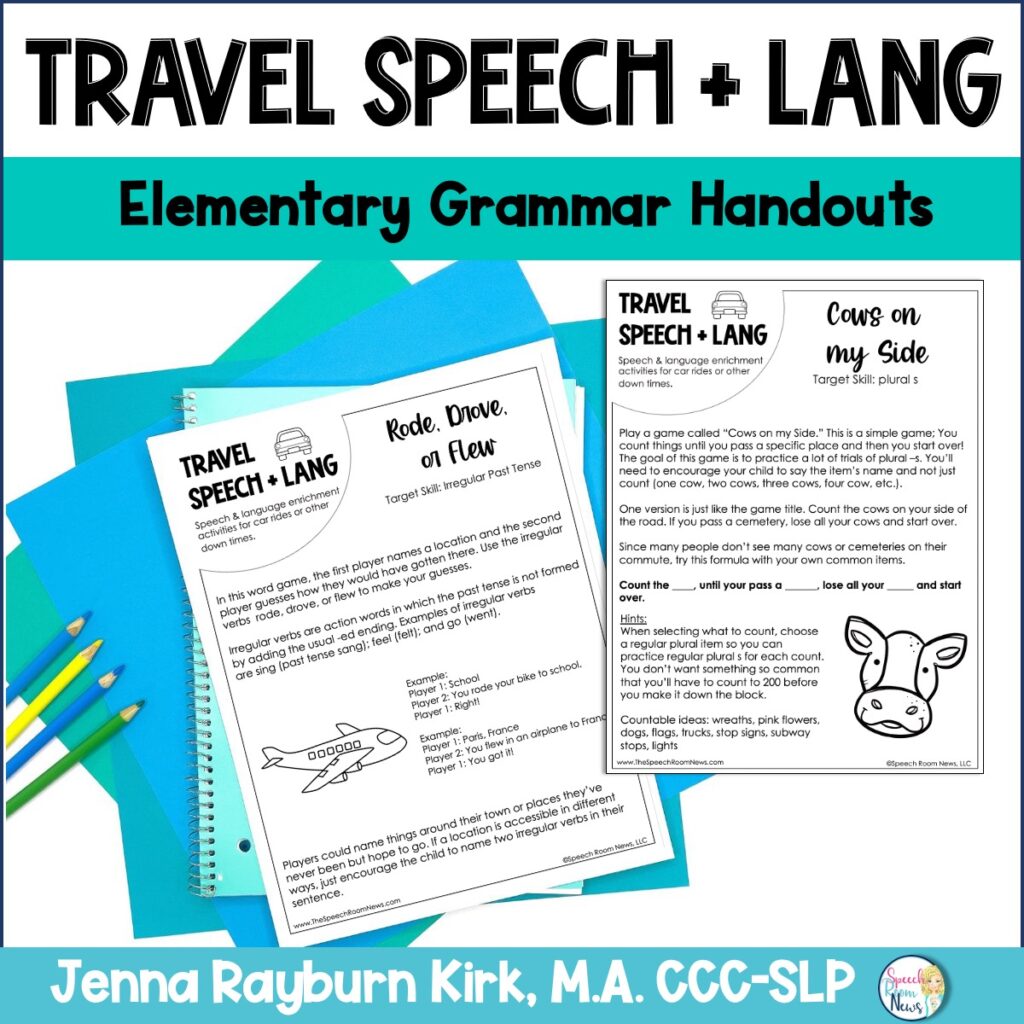
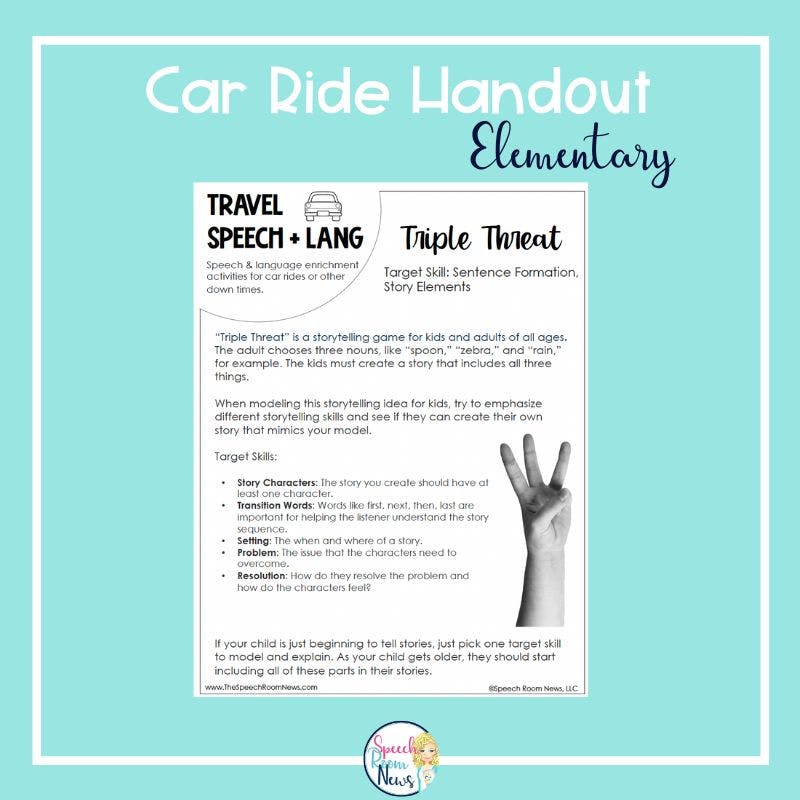
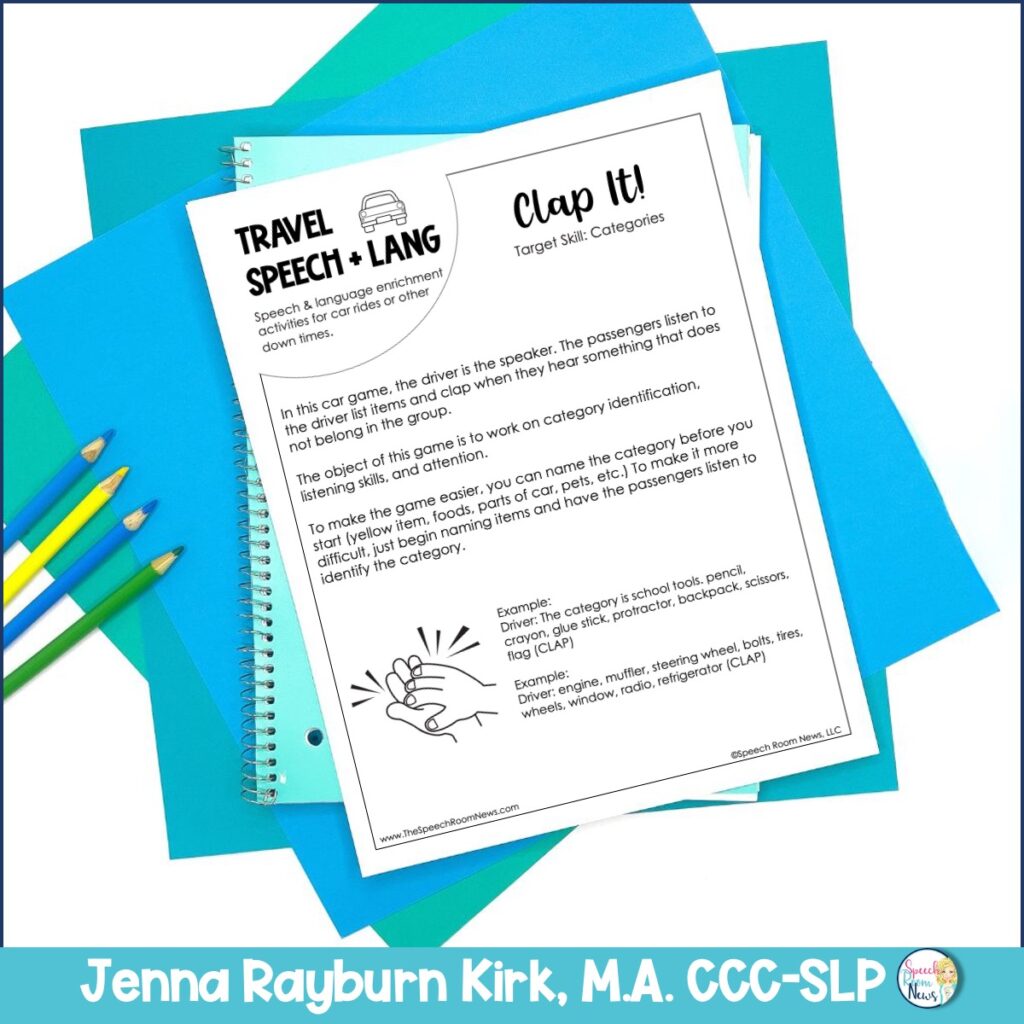
To facilitate these home-based efforts, speech-language pathologists and educational publishers often develop specialized educational materials, such as parent handouts and curated activity bundles. These resources provide clear explanations of game mechanics, highlight specific linguistic targets, and offer numerous examples to guide parents effectively. They serve as valuable tools for SLPs to share with families on their caseloads, ensuring that home practice is structured, purposeful, and aligns with therapeutic goals.
Conclusion
The humble car commute, often seen as mere transit, holds immense, untapped potential as a consistent and effective setting for nurturing a child’s speech and language development. By adopting simple, engaging games like The Grocery Game, Red Light Race, and Triple Threat, parents can transform otherwise idle moments into rich learning opportunities. This intentional approach not only addresses critical developmental needs but also fosters stronger family connections, alleviates parental pressure to "find time," and provides a natural, enjoyable pathway to improved communication skills. As the understanding of holistic child development continues to evolve, the integration of therapeutic strategies into everyday life, exemplified by these car-based activities, stands as a testament to the power of purposeful engagement in supporting every child’s journey toward confident and effective communication.
