

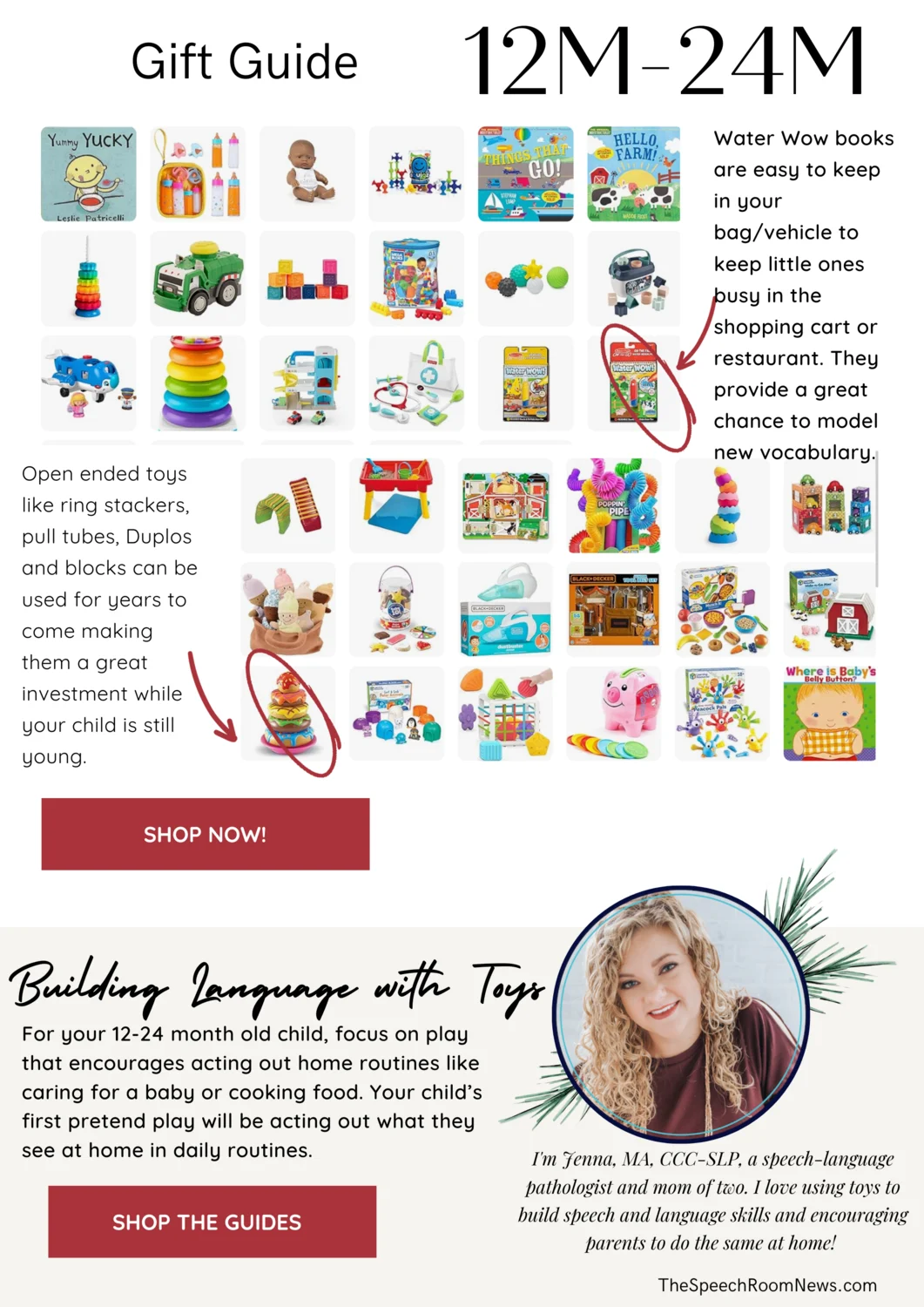
The initiative comes at a crucial time when early childhood development, particularly in communication skills, is increasingly recognized as foundational for academic success and social-emotional well-being. Kirk, whose professional expertise is amplified by her personal experience as a mother of two, one of whom navigates Childhood Apraxia of Speech, emphasizes the profound impact of intentional play on linguistic development. Her guides provide a strategic approach to toy selection, moving beyond mere entertainment to functional tools that aid in building vital communication competencies.
The Critical Role of Play in Speech and Language Development
Child development experts universally acknowledge play as the primary vehicle through which young children learn about the world, develop social skills, and acquire language. For speech and language pathologists, toys are not just playthings but therapeutic instruments. Structured and imaginative play scenarios offer invaluable opportunities for children to practice vocalizations, expand vocabulary, understand sentence structures, and engage in reciprocal communication. When children interact with toys, they are often prompted to describe actions, identify objects, follow instructions, and express desires—all critical components of language acquisition.

Research consistently supports the notion that engaging, open-ended play is more beneficial for language development than passive entertainment. The American Academy of Pediatrics, among other organizations, advocates for play as essential for healthy brain development, stress reduction, and fostering parent-child bonds that are conducive to communication growth. In a world increasingly dominated by digital screens, the emphasis on tangible, interactive toys becomes even more pronounced for nurturing foundational communication skills.
Expert Methodology: Principles of Toy Selection for Speech Development

Jenna Kirk’s gift guides are not arbitrary lists but are rooted in established principles of speech and language pathology. While the original content briefly mentions a focus on "a few things," a detailed journalistic analysis infers that her selection criteria likely encompass several key elements. These typically include:
- Open-Ended Play: Toys that allow for multiple uses and encourage imagination, such as building blocks, dolls, animal figures, or art supplies, are often preferred. These types of toys promote narrative development, problem-solving, and vocabulary expansion as children create their own stories and scenarios.
- Interactive Potential: Toys that facilitate social interaction and turn-taking are paramount. Board games, cooperative puzzles, or playsets that require two or more participants naturally foster dialogue, negotiation, and joint attention—all crucial for communication.
- Cause and Effect: For younger children, toys that demonstrate clear cause and effect (e.g., pop-up toys, musical instruments, shape sorters) can encourage early vocalizations and understanding of actions and reactions, laying groundwork for linguistic structures.
- Vocabulary Expansion: Toys that introduce new concepts, colors, shapes, actions, or categories (e.g., farm animal sets, kitchen playsets, vehicle collections) provide rich opportunities for labeling and describing, thereby expanding a child’s lexicon.
- Sensory Engagement: Toys that engage multiple senses can enhance learning and memory, making linguistic concepts more concrete. This includes textured toys, items with distinct sounds, or those that involve manipulation.
- Durability and Safety: Practical considerations such as the quality, safety standards, and age appropriateness of toys are also implicitly integral to expert recommendations.
Kirk’s background, particularly her experience with Childhood Apraxia of Speech (CAS), likely informs a nuanced selection process. Children with CAS face challenges in planning and sequencing the movements required for speech. For them, toys that encourage simple, repetitive vocalizations, motor planning, and multi-sensory engagement might be particularly beneficial, alongside general language-building tools. Her recommendations, therefore, are likely tailored to address a spectrum of developmental needs, from typical language acquisition to specific speech disorders.

Structure and Accessibility of the Guides
To maximize utility for parents and caregivers, the gift guides are meticulously organized by age group. This segmentation ensures that recommendations are developmentally appropriate, aligning with the typical milestones of speech and language acquisition at different stages of childhood. The guides are conveniently accessible through two primary formats:

- Amazon Gift Guides: Curated lists are available on Kirk’s Amazon storefront (amazon.com/shop/speechroomnews), providing direct links for easy purchasing. This integration streamlines the shopping process, allowing parents to confidently select expert-approved items.
- Downloadable PDF Document: A comprehensive PDF document (thespeechroomnews.com/wp-content/uploads/2023/11/Christmas-Toy-Guide.pdf) offers a printable, offline resource, allowing families to review recommendations at their leisure. This format is particularly useful for those who prefer a tangible checklist or want to share the information with other family members.
The guides also feature a dedicated section for "stocking stuffers," demonstrating a holistic approach to holiday gift-giving. These smaller, often more accessible items are curated to offer additional opportunities for quick, engaging developmental play for the entire family, ensuring that even minor gifts contribute to communication growth.
Addressing the Prevalence of Speech and Language Disorders

The release of these specialized guides underscores the growing recognition of speech and language disorders as prevalent developmental challenges. According to the National Institute on Deafness and Other Communication Disorders (NIDCD), approximately 8% to 9% of young children (3-17 years) have a speech sound disorder. More specifically, Childhood Apraxia of Speech (CAS), the condition Kirk’s child experiences, affects an estimated 1 to 2 children per 1,000, presenting unique communication hurdles that require targeted intervention and support.
Early identification and intervention are paramount for children with speech and language delays. Research indicates that children who receive early therapy for speech and language difficulties demonstrate better long-term outcomes in communication, literacy, and academic achievement. By providing parents with tools to select toys that naturally encourage these skills, Kirk’s guides serve as a proactive resource, potentially aiding in early stimulation that can complement formal therapy or even mitigate minor delays.

Broader Impact and Implications
The initiative by Jenna Kirk and The Speech Room News carries several broader implications for parents, the toy industry, and the field of speech-language pathology:

- Parental Empowerment: In an often-overwhelming toy market, these guides offer a trusted, expert-backed filter, empowering parents to make informed choices that align with their child’s developmental needs. This reduces guesswork and increases confidence in holiday shopping decisions.
- Shifting Consumer Trends: The availability of such resources may contribute to a broader shift in consumer preferences towards educational and developmental toys. As awareness grows, parents may prioritize items that offer genuine developmental benefits over purely entertainment-focused products, potentially influencing toy manufacturers to innovate in this space.
- Enhanced Home Learning Environments: By integrating therapeutic principles into everyday play, the guides help parents transform their homes into rich language-learning environments. This continuous exposure and practice outside of clinical settings can significantly reinforce progress made in therapy.
- Advocacy for Speech-Language Pathology: The creation and dissemination of these guides highlight the vital role of speech-language pathologists not only in direct therapy but also in providing public education and accessible resources. It positions SLPs as essential partners in holistic child development.
- Support for Children with Special Needs: For families navigating specific speech disorders like CAS, these guides offer tailored recommendations that can be difficult to find elsewhere. They provide a sense of direction and support, ensuring that gifts are not only enjoyable but also therapeutically beneficial.
The holiday season traditionally brings a surge in toy purchases, making it an opportune moment to disseminate information on developmentally appropriate play. By aligning her expert advice with this annual consumer trend, Jenna Kirk is effectively integrating crucial educational insights into a practical, accessible format for a wide audience. Her work exemplifies how professional knowledge can be leveraged to support families in fostering critical communication skills, turning every gift into an investment in a child’s future.
The Speech Room News, as a platform for speech-language pathologists and educators, consistently shares news and resources from the speech room to a broader community. This latest offering of holiday gift guides reinforces its mission to provide practical, evidence-informed guidance for enhancing child communication development. As families prepare for the festive period, these guides stand as a valuable resource for thoughtful and impactful gift-giving.
