

Speech-Language Pathologists (SLPs) are increasingly adopting dynamic and pedagogically sound bulletin board strategies during the winter months to enhance therapeutic engagement, reinforce learning, and foster a more inclusive and communicative environment. Moving beyond mere decoration, these specialized bulletin boards are categorized into demonstrative, interactive, and functional designs, serving as integral tools within a comprehensive speech and language intervention plan. This strategic approach reflects a growing recognition within the field of the profound impact that an enriched, stimulating therapy space can have on student progress and the broader efficacy of intervention.
The role of an SLP is multifaceted, encompassing assessment, diagnosis, and treatment of communication disorders, including articulation, fluency, voice, language, and social communication. With caseloads often extensive and diverse, SLPs continually seek innovative yet efficient methods to maximize therapy time and extend learning beyond the direct session. The winter season, with its distinct themes and cultural associations, provides a unique opportunity to refresh therapy environments and introduce novel stimuli that resonate with students. This cyclical planning allows SLPs to maintain student interest and integrate seasonal relevance into their therapeutic objectives, ensuring that the physical space itself becomes a silent, yet powerful, co-therapist.

The Foundational Principles of Environmental Enrichment in Therapy
Research consistently highlights the importance of environmental enrichment in educational and therapeutic settings. A stimulating physical environment can significantly impact cognitive function, emotional well-being, and motivation. For children undergoing speech and language therapy, this translates into increased willingness to participate, enhanced memory retention of targeted skills, and a greater sense of ownership over their learning journey. Bulletin boards, when designed with therapeutic intent, serve as visual anchors for learning, providing constant exposure to target sounds, words, and language structures. They transform passive wall space into active learning zones, contributing to a holistic approach to communication development.
According to data from the American Speech-Language-Hearing Association (ASHA), approximately 5% of children in the U.S. have a speech disorder, and 8-12% have a language disorder. These statistics underscore the critical need for effective and engaging therapeutic interventions. By integrating specialized bulletin boards, SLPs are not only creating visually appealing spaces but are also embedding core therapeutic principles directly into the environment, offering continuous reinforcement and opportunities for incidental learning. This approach aligns with best practices emphasizing multisensory learning, where visual, tactile, and auditory inputs are combined to strengthen neural pathways associated with speech and language processing.
Demonstrative Bulletin Boards: Visualizing Progress and Ownership
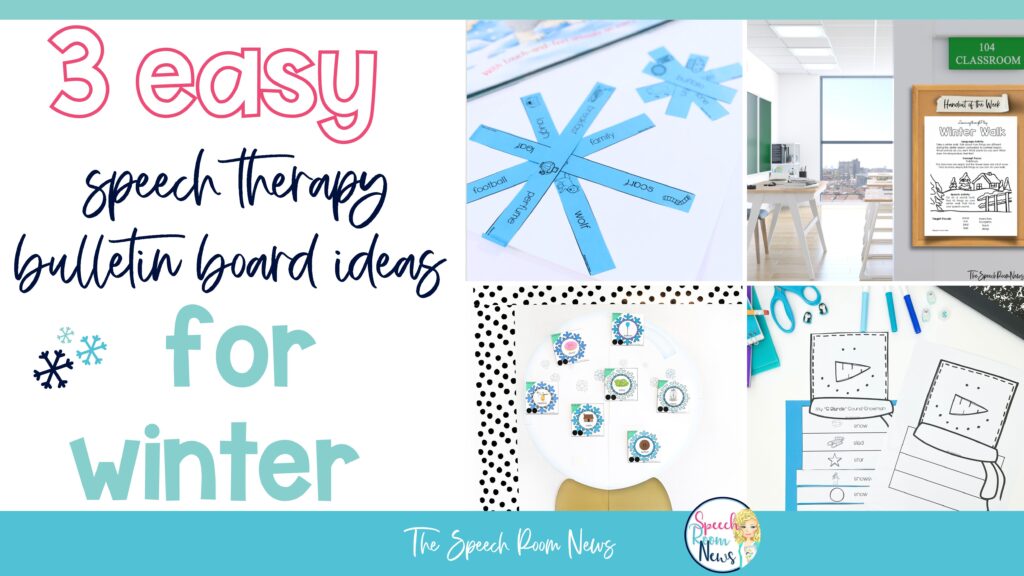
Demonstrative bulletin boards are designed to showcase student work, providing tangible evidence of progress and fostering a sense of accomplishment. These displays typically feature crafts or projects completed by students during their therapy sessions, directly linking their creative output to their speech and language goals. The therapeutic rationale behind this category is robust:
- Visual Reinforcement: Seeing their own work displayed, often adorned with target words or sounds, provides constant visual cues for students, reinforcing concepts practiced in therapy. For instance, a snowflake craft where each paper strip contains an articulation target word helps consolidate sound production through repetitive exposure in a meaningful context.
- Student Ownership and Pride: When students contribute to the physical environment of their therapy room, they develop a greater sense of ownership and pride in their learning. This intrinsic motivation is a powerful driver for continued engagement and effort.
- Peer Modeling and Inspiration: Displayed work can serve as a positive model for other students, demonstrating what is achievable and inspiring participation. It can also normalize the therapy process, showing that communication development is a shared journey.
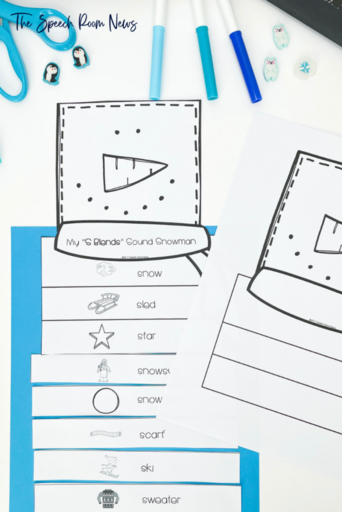
- Efficiency for SLPs: As noted by practitioners, crafts that are "easy to prep" and "fake crafting" methods, like those using pre-cut paper strips or simple "chop and glue" activities, are highly valued. Resources such as the "Year-Round Craft Paper Strip Art for Articulation and Language" exemplify this efficiency, allowing SLPs to integrate fine motor skills (cutting, gluing) with speech practice without extensive preparation time. For the winter season, simple snowflake paper strip crafts or "Snowman Articulation Chop" activities allow students to practice target words while creating a displayable product. This integration of fine motor skills with articulation or language tasks is a form of scaffolding, where multiple developmental domains are addressed simultaneously.
The integration of these crafts into a bulletin board transforms individual therapy activities into a collective, visible representation of the entire group’s efforts and achievements. "When students see their work celebrated on the bulletin board, it’s not just a decoration; it’s a testament to their hard work and progress," explains a seasoned SLP. "It fosters a positive atmosphere and reminds them, and anyone passing by, of the important work happening here."

Interactive Bulletin Boards: Engaging Minds and Hands
Interactive bulletin boards represent a significant evolution in therapy room design, transforming static displays into dynamic learning stations. These boards encourage active participation, allowing students to physically manipulate elements while practicing speech and language skills. The benefits are deeply rooted in multisensory learning principles:
- Multisensory Engagement: By incorporating elements like Velcro dots, students can touch, move, and rearrange components, engaging tactile and kinesthetic senses alongside visual and auditory processing. This multi-modal input is particularly beneficial for students with speech sound disorders, such as apraxia of speech or phonological disorders, where motor planning and auditory discrimination are key challenges.
- Immediate Practice and Feedback: Interactive elements provide immediate opportunities for students to practice target sounds or words. For example, "Falling Flakes: Apraxia Snowflakes" cards, which include black dots representing syllables, allow students to tap each dot as they produce the corresponding syllable, reinforcing correct motor planning and rhythm. This self-monitoring mechanism is crucial for skill acquisition.
- Reinforcement of Specific Targets: Resources like "Falling Flakes: Phonology Activities" use minimal pairs on snowflake cards, allowing students to physically match or differentiate sounds, directly addressing phonological processes. The use of color-coded and pattern-marked cards helps SLPs organize and students identify specific phonological targets.
- Increased Motivation and Reduced Intimidation: The playful nature of interactive boards can make therapy feel less like work and more like a game. This can significantly reduce anxiety and increase motivation, especially for younger students or those new to therapy. "Students often gravitate towards the interactive board while waiting for their session or as a quick wrap-up activity," observes one educator. "It’s a low-stakes way for them to get extra practice and reinforce what they’ve learned."
- Promoting Generalization: By allowing students to practice in a semi-structured, less formal environment (like a hallway outside the therapy room), interactive boards can help facilitate the generalization of skills from the therapy room to other settings.
The implementation of interactive elements, such as Velcro dots on a poster-sized snow globe where students attach snowflake cards, creates a hands-on experience that solidifies learning. This method supports the "learn by doing" philosophy, making abstract speech and language concepts more concrete and manageable for diverse learners.
Functional Bulletin Boards: Bridging the Therapy-Home Gap
Functional bulletin boards prioritize the dissemination of practical information to parents, caregivers, and other educators, thereby extending the impact of therapy beyond the clinic or school walls. This category is a cornerstone of family-centered practice, a model that recognizes the crucial role families play in a child’s communication development.
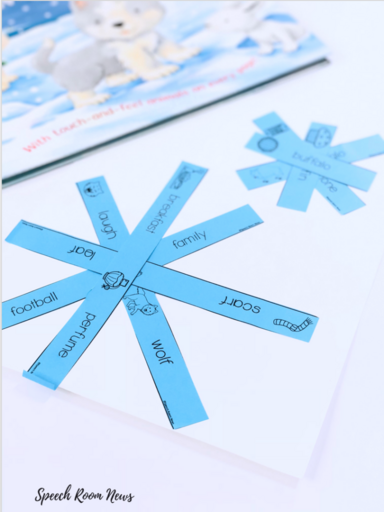
- Empowering Parents and Caregivers: These boards often feature parent handouts, tips, and activity ideas that empower families to integrate communication strategies into daily routines. The "Winter Speech and Language Packet: Learning Through Play" exemplifies this, offering practical suggestions for utilizing common winter activities—like building a snowman, sledding, or making hot chocolate—to enhance communication skills. This resource provides concrete examples of how to target vocabulary, sentence structure, articulation, and social communication within natural, engaging contexts.
- Facilitating Carryover: One of the greatest challenges in speech therapy is the generalization of skills learned in structured sessions to everyday environments. Functional bulletin boards directly address this by providing actionable strategies for "carryover." By displaying handouts with specific language prompts or articulation cues related to play activities, parents are equipped to become effective communication partners at home.
- Addressing Diverse Linguistic Needs: The availability of resources in multiple languages, such as the Spanish version of the "Winter Speech and Language Packet," underscores the commitment to culturally and linguistically responsive practice. This ensures that all families, regardless of their primary language, can access vital information and support their child’s development effectively.
- Promoting Collaboration: Functional boards serve as a visible link between the SLP’s goals and the family’s daily life, fostering a collaborative partnership. They communicate that communication development is a shared responsibility and that consistent reinforcement across environments yields the best outcomes. "A functional bulletin board is invaluable for busy parents," states a school administrator. "It provides quick, digestible ideas they can implement without feeling overwhelmed, and it reinforces the school’s commitment to supporting every child’s growth."
The content of functional bulletin boards often changes seasonally, ensuring relevance and fresh ideas for families. This proactive approach helps maintain engagement and provides continuous support, reinforcing the idea that learning and communication are ongoing processes that occur in all settings.
Broader Implications and Future Outlook
The strategic use of demonstrative, interactive, and functional bulletin boards by Speech-Language Pathologists signifies a mature understanding of environmental psychology and its application in therapeutic contexts. The implications extend beyond individual student progress:
- Enhanced Professionalism: These thoughtfully designed boards elevate the perception of the therapy room as a dynamic, professional learning environment, rather than just a clinical space.
- Increased Community Awareness: Visually engaging and informative boards can educate the wider school or community about the vital work of SLPs and the diverse nature of communication disorders.
- Cost-Effectiveness and Sustainability: Many of the suggested activities leverage readily available materials or printable resources, offering cost-effective solutions for SLPs operating within budget constraints. The ability to adapt year-round templates for seasonal themes also promotes sustainability of resources.
- Fostering a Positive Learning Culture: Ultimately, these bulletin boards contribute to a positive and supportive learning culture where communication is valued, celebrated, and actively practiced by everyone involved in a child’s life.
As the field of speech-language pathology continues to evolve, the integration of innovative and evidence-informed environmental strategies will remain a cornerstone of effective intervention. The winter bulletin board initiatives by SLPs exemplify how creative design, rooted in sound pedagogical principles, can significantly amplify therapeutic impact, benefiting students, families, and the broader educational community. This trend underscores a commitment to not only addressing communication challenges but also to creating vibrant, supportive spaces where every child can find their voice and thrive.
