

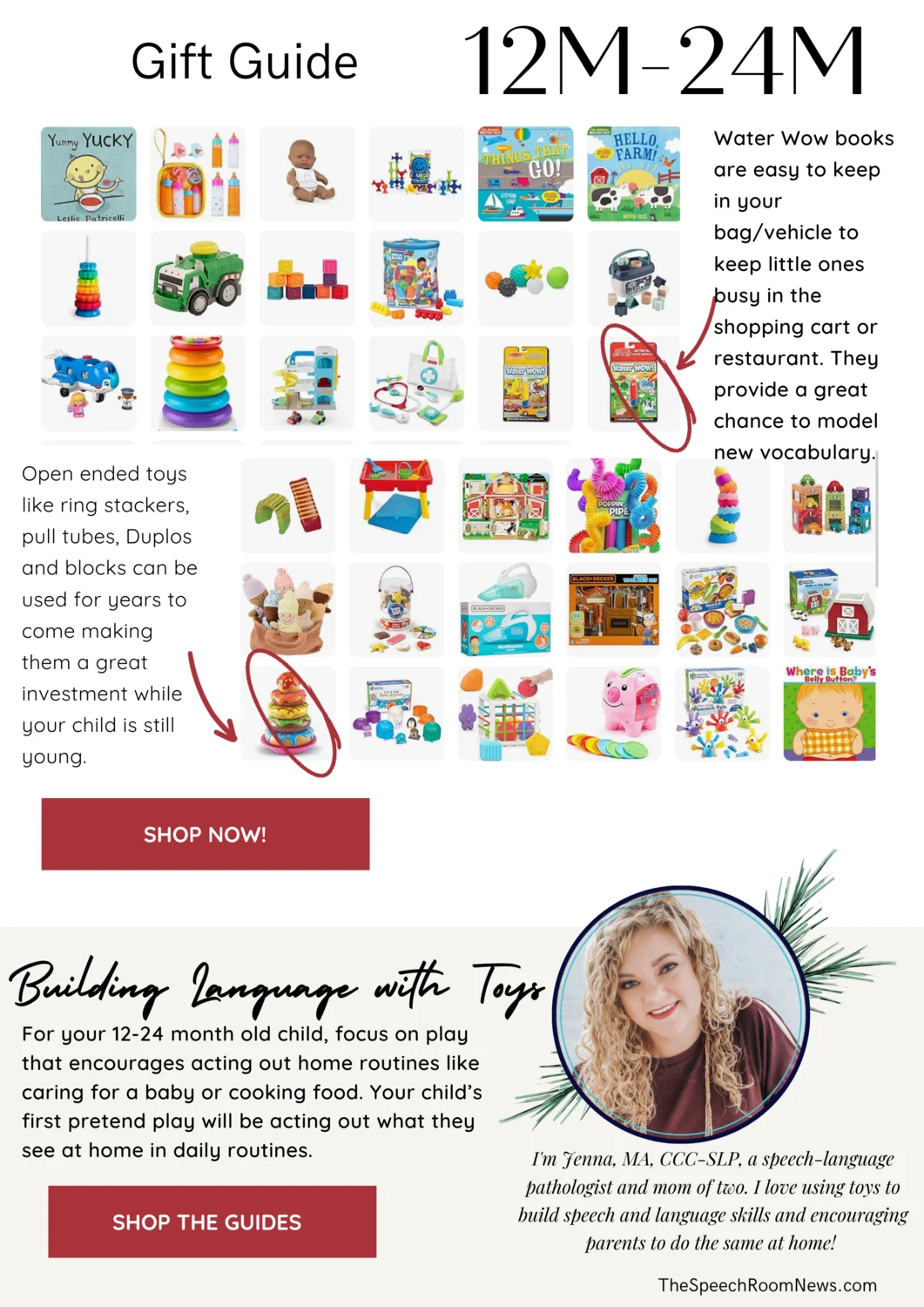
A pediatric speech-language pathologist, Jenna Kirk, MA, CCC-SLP, has unveiled a series of meticulously compiled Amazon gift guides, categorized by age, designed to assist parents and caregivers in selecting toys that actively foster speech and language skills in children. The initiative, particularly pertinent as the holiday shopping season commences, provides a structured approach to purposeful play, leveraging Kirk’s professional expertise and personal experience as a mother of a child diagnosed with Childhood Apraxia of Speech. These guides represent a critical resource for families seeking to integrate therapeutic support seamlessly into everyday recreational activities.
The Genesis of Expert Guidance in Therapeutic Play
Jenna Kirk, a credentialed speech-language pathologist, developed these specialized gift guides from a dual perspective: that of a clinician dedicated to pediatric speech and language development and that of a parent navigating the challenges of a child with a speech sound disorder. Her son’s diagnosis of Childhood Apraxia of Speech (CAS) provides a profound personal impetus for her work, underscoring the real-world application and efficacy of targeted play. CAS is a neurological speech sound disorder in which a child has difficulty saying sounds, syllables, and words correctly and consistently. This condition impacts the brain pathways involved in planning the sequence of movements needed for speech, despite normal muscle strength. For children with CAS and other speech and language challenges, the selection of appropriate toys is not merely about entertainment but about providing tangible tools for development.
The concept of therapeutic play, while long recognized within clinical settings, is gaining broader traction among parents. Research consistently demonstrates that play is a fundamental mechanism through which children learn about their world, develop social-emotional competencies, and, crucially, acquire language. The American Academy of Pediatrics emphasizes that play is essential for healthy brain development, allowing children to engage in the world in active, hands-on ways. Structured play, guided by expert insights, can significantly amplify these developmental benefits, especially in areas like speech articulation, vocabulary acquisition, grammatical understanding, and pragmatic language use (social communication).
The Scientific Foundation: Play as a Catalyst for Language Acquisition
The human brain undergoes rapid development in early childhood, with the period from birth to age five being particularly critical for language acquisition. During this window, children absorb linguistic patterns, expand their vocabulary, and refine their ability to articulate sounds and construct sentences. Disruptions or delays in this process can have long-term implications for academic success, social interaction, and overall cognitive development. Speech and language disorders affect approximately 5% of children in the United States, according to the National Institute on Deafness and Other Communication Disorders (NIDCD). Early identification and intervention are paramount for optimizing outcomes for these children.

Toys, when chosen strategically, can serve as powerful facilitators in this developmental journey. They provide opportunities for:
- Imitative Play: Encouraging children to mimic sounds, words, and actions, which is a foundational step in speech development.
- Symbolic Play: Using objects to represent something else (e.g., a block as a phone), fostering abstract thought and narrative skills.
- Turn-Taking and Joint Attention: Promoting social interaction, crucial for understanding conversational dynamics and developing shared focus.
- Problem-Solving: Engaging cognitive processes that underpin language organization and expression.
- Sensory Exploration: Stimulating various senses, which can enhance overall brain development and provide pathways for learning.
Kirk’s gift guides are premised on these principles, translating complex therapeutic objectives into accessible toy recommendations. Rather than focusing solely on "educational" toys that might be perceived as overtly academic, the guides likely emphasize open-ended toys that encourage imaginative play and interaction, providing a rich context for language use.
Strategic Toy Selection: Beyond Entertainment

When a speech-language pathologist curates a list of toys for developmental purposes, several key factors come into play, extending beyond simple entertainment value. While the original article did not explicitly list Kirk’s criteria, professional best practices in speech-language pathology suggest the following considerations:
- Open-Ended Play Potential: Toys that can be used in multiple ways, rather than having a single predetermined function, encourage creativity, problem-solving, and extended language use. Examples include building blocks, playdough, dolls, and art supplies. These toys invite children to describe their actions, narrate stories, and engage in imaginative scenarios.
- Encouragement of Interaction and Communication: Toys that necessitate or naturally lead to interaction with another person (parent, sibling, peer) are invaluable. Board games, cooperative building sets, and pretend play items (e.g., kitchen sets, doctor kits) foster turn-taking, asking and answering questions, negotiating, and expressing desires.
- Vocabulary Expansion: Toys that introduce new concepts, objects, or actions can naturally expand a child’s lexicon. Animal figures, vehicle sets, farm playsets, and books with rich illustrations are excellent for this purpose.
- Sound and Articulation Practice: Toys that elicit specific sounds or encourage vocalizations are beneficial. Musical instruments, sound-matching games, and puppets can be used to practice specific phonemes or prosodic elements of speech.
- Fine and Gross Motor Skill Development: While not directly speech-related, the development of fine motor skills (e.g., manipulating small objects, stacking) and gross motor skills (e.g., climbing, throwing) often correlates with cognitive development and can indirectly support speech production by improving overall coordination and motor planning.
- Sensory Engagement: Toys that appeal to multiple senses (tactile, visual, auditory) can provide a richer learning experience. Sensory bins, textured blocks, and sound-producing toys can be particularly engaging for diverse learners.
- Age Appropriateness: Toys must align with a child’s developmental stage to be effective and safe. Kirk’s categorization by age in her Amazon guides directly addresses this crucial factor, ensuring that the recommended toys are suitable for the target age group’s cognitive, motor, and linguistic abilities.
By focusing on these principles, speech-language pathologists ensure that toy recommendations are not arbitrary but are instead grounded in developmental science and clinical efficacy.
The Role of Digital Platforms in Disseminating Expertise

The decision to host the gift guides on Amazon.com signifies a strategic embrace of modern consumer trends and accessibility. In an era where online shopping dominates, particularly during peak seasons like the holidays, placing these resources on a widely used platform ensures maximum reach for parents and caregivers. This approach democratizes access to specialized therapeutic knowledge, allowing individuals who may not have direct access to an SLP, or who are simply seeking additional guidance, to benefit from expert recommendations. The direct links to products streamline the purchasing process, removing potential barriers for busy families.
This digital strategy reflects a broader trend in healthcare and education, where professionals leverage online platforms to share evidence-based information and practical strategies. Blogs, social media, and e-commerce sites have become vital conduits for expert advice, bridging the gap between clinical settings and home environments. For conditions like Childhood Apraxia of Speech, where consistent home practice is often a cornerstone of therapy, readily available resources like these gift guides can significantly empower parents to become active participants in their child’s developmental journey.
Broader Implications for Parental Engagement and Early Intervention

The publication of these gift guides carries significant implications for parental engagement in early intervention and for the broader educational toy market.
Parental Empowerment: Many parents feel overwhelmed by the vast array of toys available and may struggle to differentiate between mere entertainment and genuinely developmental tools. Kirk’s curated lists offer clarity and confidence, empowering parents to make informed choices that align with their child’s specific developmental needs. This proactive approach can reduce anxiety and foster a sense of agency among caregivers.
Normalization of Therapeutic Support: By framing developmentally appropriate toys as desirable gifts, the initiative helps to normalize and integrate therapeutic support into mainstream family life. It subtly shifts the perception of "therapy" from a purely clinical activity to an enriching aspect of everyday play, making it less intimidating and more accessible.

Impact on the Educational Toy Market: As consumer awareness of developmental benefits grows, there is a corresponding increase in demand for educational toys. Initiatives like Kirk’s gift guides can influence market trends, encouraging manufacturers to prioritize the creation of toys that genuinely support cognitive, linguistic, and social-emotional development. The market for educational toys is projected to grow substantially, with a global market size valued at over $25 billion in recent years and continuous growth anticipated, driven by parental demand for products that offer more than just fleeting entertainment.
Preventive and Proactive Approaches: While the guides are particularly useful for children with identified speech and language delays, they also offer valuable insights for parents of typically developing children. By selecting toys that promote robust language skills from an early age, parents can proactively support optimal development, potentially mitigating future challenges and fostering a strong foundation for learning.
The Continuum of Care: From Clinic to Home

The gift guides serve as an extension of the therapeutic environment into the home. Speech-language pathologists routinely recommend specific activities and materials for home practice, but the sheer volume of products can be daunting. By offering pre-vetted, age-appropriate suggestions, Kirk facilitates a more seamless continuum of care, ensuring that play at home reinforces the goals established in therapy sessions. This integration is crucial for maximizing therapeutic progress, as consistent, meaningful engagement outside the clinic significantly enhances skill generalization and retention.
The guides also implicitly encourage parents to view play as an opportunity for observation and interaction. Through guided play, parents can better understand their child’s communication strengths and areas needing support, fostering a more responsive and enriched communication environment. This active parental involvement is a widely recognized predictor of positive outcomes in early intervention for speech and language disorders.
A Call for Continued Collaboration and Resource Sharing

Jenna Kirk’s initiative highlights the ongoing need for expert-driven resources that translate complex developmental science into practical, actionable advice for families. Her invitation for readers to share their own favorite toys in the comments section further fosters a sense of community and collaborative learning, expanding the collective knowledge base. Such peer-to-peer recommendations, when guided by professional insights, can create a dynamic and evolving resource for parents worldwide.
As the holiday season approaches, the emphasis on gifts that offer more than momentary joy—gifts that contribute to a child’s enduring development—resonates deeply with parents and caregivers. The expert-curated gift guides from The Speech Room News stand as a testament to the power of informed choices in shaping a child’s future, one playful interaction at a time. The guides, accessible via Amazon, are accompanied by a downloadable PDF, offering a comprehensive and easy-to-navigate tool for parents, educators, and therapists alike.
