

In the intricate world of voiceover artistry, achieving a natural and engaging delivery is paramount. This often hinges on a concept known as "flow," a fluid and rhythmic progression of speech that mirrors human conversation. A significant impediment to this desired flow, particularly for those new to the industry, is a phenomenon termed "blocking." This article delves into the nuances of voiceover flow, explores the detrimental effects of blocking, and provides actionable strategies for voiceover professionals to refine their craft.
The Essence of Voiceover Flow
Voiceover flow is not merely about speaking words; it’s about crafting an auditory experience that resonates with the listener. Imagine listening to a natural conversation between friends. The rhythm, the pauses, the subtle shifts in pace – these elements create an organic and easily digestible exchange. Human conversation is characterized by several key features:
- Interconnectedness: Sentences and thoughts often link together seamlessly, with one idea naturally leading to the next.
- Varied Pace and Rhythm: Conversations are rarely monotonous. They ebb and flow, speeding up during moments of excitement or emphasis and slowing down for reflection or to convey seriousness.
- Strategic Pauses: Pauses are not empty voids but purposeful moments for the listener to process information, anticipate what’s next, or add emotional weight.
- Intonation and Inflection: The rise and fall of the voice convey emotion, meaning, and emphasis, adding layers of interpretation.
- Breathing and Natural Hesitations: The subtle inclusion of breaths and occasional, natural hesitations contribute to the authenticity of human speech.
When translating these conversational dynamics into voiceover, the goal is to replicate this natural cadence. This is crucial across various genres, from the energetic delivery required for character work and animation to the more measured tones of e-learning and corporate narration. Regardless of the specific application, an appropriate flow ensures that the delivery sounds authentic, maintains listener engagement, and allows for effective comprehension. This might involve introducing elements of humanization, such as subtle emotional coloring or relatable inflections, or it may require a more restrained approach, depending on the project’s demands.
The consensus among seasoned voiceover professionals is clear: delivering dialogue with a good, human flow is crucial. This allows the listener to absorb the message effortlessly, without having to strain to understand or accept the performance. It’s about creating an auditory bridge that connects the speaker’s intent with the listener’s reception.

Defining Voiceover Blocking: The Unnatural Stutter
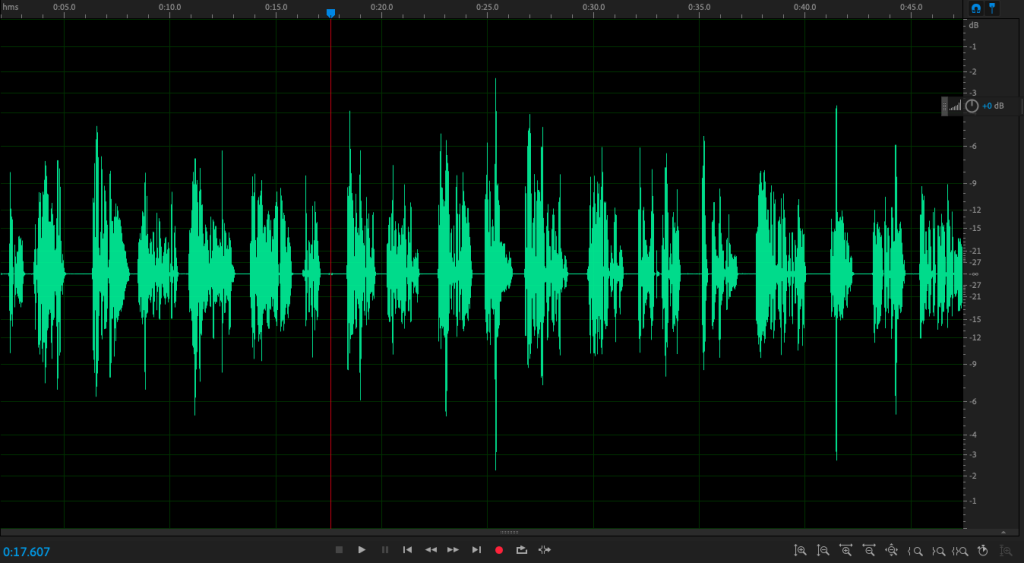
Blocking, in the context of voiceover, refers to an unnatural and disjointed delivery that disrupts the intended flow of speech. The term originates from the visual representation of such a delivery in audio editing software. When a voiceover artist exhibits blocking, the waveform of their audio output displays distinct, often sharp, vertical "blocks" of sound separated by unnaturally long silences.
A visual examination of a blocked waveform reveals prominent segments of audio interspersed with significant gaps. This visual cue directly corresponds to an auditory experience that is perceived as "staccato" or disjointed. Unlike natural speech, which exhibits a continuous and modulated waveform, blocked audio sounds abrupt and disconnected. The listener is forced to endure these stark interruptions, creating a sense of anticipation for the next segment of speech rather than being immersed in the narrative. This pattern can be particularly jarring in narrative deliveries, where a smooth, unbroken progression of information is expected. The result is an unpleasing listening experience that demands significant effort from the audience to follow the content.
The Audible and Visual Manifestation of Blocking
To illustrate, consider the visual difference between a blocked delivery and one with natural flow. A blocked waveform often appears as a series of isolated peaks of sound, separated by significant stretches of silence. This creates a "choppy" or fragmented appearance, akin to a series of disconnected sound bites.
In contrast, a voiceover delivery without blocking, often described as having "hairy caterpillars" in its waveform, presents a much different visual and auditory profile. This type of waveform is characterized by a more continuous and undulating appearance, with subtle variations in amplitude and fewer stark silences. The "hairy caterpillar" analogy refers to the fine details and subtle fluctuations within the sound, indicating a richer and more nuanced vocal performance. This continuous, yet varied, waveform reflects the natural rhythm and pacing of human speech, where pauses are strategically placed and integrated into the overall delivery.
The auditory impact of a waveform exhibiting natural flow is palpable. It sounds smooth, engaging, and easy to follow. The listener can readily process the information without the cognitive load imposed by abrupt stops and starts. This difference is not merely subjective; it is a measurable phenomenon reflected in the audio signal itself.

Root Causes of Voiceover Blocking
Blocking is a common pitfall, especially for newcomers to the voiceover industry, though it is not exclusively limited to them. Several factors can contribute to this unnatural delivery:
- Overly Scripted Delivery: A tendency to read the script rigidly, without internalizing the meaning or natural cadence of the language. This can lead to a mechanical, word-by-word delivery.
- Fear of Pauses: Some new artists may feel compelled to fill every moment with sound, fearing that pauses will be perceived as mistakes or a lack of preparedness. This leads to rushed deliveries without adequate breathing room.
- Inadequate Breath Control: Insufficient breath support can result in short, choppy phrases and a lack of sustained vocalization, forcing unnatural breaks.
- Lack of Performance Awareness: Not fully understanding how to interpret and convey emotion and intention through vocal nuances can result in a flat or disjointed delivery.
- Technical Issues: In some instances, poor microphone technique, excessive noise reduction, or aggressive audio editing can inadvertently create or exacerbate blocking.
- Focus on Pronunciation Over Flow: An overemphasis on perfect pronunciation can sometimes lead to a deliberate, slow, and segmented delivery, sacrificing natural flow.
- Misinterpretation of Pacing: While some scripts require a specific pace, an artist might misinterpret this as a need for a constant, unvaried speed, leading to a lack of dynamic variation.
The Opposite Extreme: Over-Editing and Excessive Pace
While blocking is characterized by too much space and unnatural breaks, its antithesis lies in the complete removal of such elements, leading to an equally problematic delivery. This can manifest as:
- Over-Editing: Excessive cutting of silences and breaths, resulting in a hyper-compressed audio file where there is no room for the listener to digest the information.
- Overly De-breathed Delivery: The complete elimination of all audible breaths can make a performance sound unnatural and robotic, as breathing is an intrinsic part of human speech.
- Too Fast-Paced Delivery: Conversely, a delivery that is too rapid can overwhelm the listener, leaving them with insufficient time to process the spoken words. This is often seen in local radio advertisements where a verbose script is squeezed into a tight time slot. The listener is bombarded with information, leaving them confused and unable to recall the key message. This is as detrimental to effective communication as blocking, albeit for opposing reasons.
When Blocking Becomes a Conscious Choice
It is crucial to understand that not all instances of segmented or staccato delivery are unintentional blocking. In certain artistic contexts, a deliberate choice can be made to employ such techniques for specific effects. Examples include:
- Character Portrayals: A character with a stutter, a robotic persona, or a highly agitated state might intentionally incorporate pauses or abrupt shifts in rhythm to enhance their portrayal.
- Dramatic Emphasis: A voiceover artist might choose to use short, sharp phrases for dramatic impact, creating tension or highlighting specific words or concepts.
- Stylistic Choices in Specific Genres: Certain avant-garde audio dramas or experimental narration projects might intentionally employ unconventional pacing and delivery styles.
In these scenarios, the voiceover artist is making a conscious, informed decision to deviate from a natural flow. They understand the potential impact on the listener and use these techniques as artistic tools to achieve a desired outcome. This is fundamentally different from unintentional blocking, where the artist is unaware of the detrimental effect their delivery has on the audience.
Strategies for Overcoming and Preventing Blocking
Fortunately, the issue of blocking is addressable with focused effort and practice. By implementing the following guidelines, voiceover artists can cultivate a more natural and engaging flow:
- Deep Script Analysis: Before recording, thoroughly analyze the script. Understand the narrative, the emotional arc, and the intended message. Identify key phrases, emotional cues, and logical points for pauses.
- Internalize the Text: Don’t just read the words; understand them. Speak as if you are genuinely conveying the information to a friend. This fosters a more natural and conversational tone.
- Practice with a Metronome (Judiciously): While not for the entire delivery, a metronome can be helpful in understanding consistent pacing and identifying where natural pauses can be incorporated. The goal is to use it as a training tool, not a rigid constraint.
- Embrace Strategic Pauses: Learn to view pauses not as gaps but as essential components of communication. Allow yourself time to breathe and for the listener to absorb information.
- Focus on Breath Control: Develop strong diaphragmatic breathing techniques. This will provide sustained airflow, allowing for longer, more fluid phrases and reducing the need for abrupt stops.
- Record and Review Regularly: Frequently record practice sessions and listen back critically. Pay close attention to the waveform and the auditory experience. Identify areas of unnatural breaks or abruptness.
- Seek Feedback: Share your recordings with experienced voiceover coaches or peers for constructive criticism. An external perspective can highlight issues you may not notice yourself.
- Mimic Natural Speech: Actively listen to conversations, podcasts, and audiobooks that exhibit excellent flow. Analyze their pacing, intonation, and the use of pauses.
- Understand the "Why": Always consider the purpose of the voiceover. What is the intended emotional impact? What information needs to be conveyed? This understanding will guide your delivery choices.
- Vocal Warm-ups and Exercises: Regular vocal warm-ups can improve vocal flexibility, stamina, and control, all of which contribute to a smoother delivery.
Conclusion: The Artist’s Control Over Delivery
Ultimately, the responsibility for crafting an effective voiceover performance rests with the professional artist. The ability to choose how to deliver dialogue – whether in a fast-paced, staccato, or naturalistic manner – is a hallmark of professional artistry. A skilled voiceover artist understands their audience, anticipates their reception of the message, and employs delivery techniques to maximize engagement.
When an artist consciously selects a particular delivery style, such as a staccato rhythm for specific dramatic effect, it is a deliberate artistic choice and is perfectly valid. The challenges arise when an artist is unaware of these techniques or their impact, leading to unintentional blocking. This lack of awareness can hinder communication and detract from the overall quality of the performance.
By mastering the tools of vocal delivery, including pacing, inflection, and the strategic use of silence, voiceover professionals can ensure that their performances are not only technically sound but also deeply engaging and effective. The key lies in conscious control and a deep understanding of how vocal choices influence the listener’s experience.
