


Mouth clicks, often dismissed as an unavoidable occupational hazard for voiceover artists, are a pervasive and detrimental issue that can significantly impact a professional’s career. Far from being an immutable physiological trait, the prevalence of these audible distractions is largely a matter of technique and preparation, according to industry experts. While post-production editing offers a solution, it is a time-consuming and often costly endeavor that savvy professionals strive to circumvent by addressing the root causes. This comprehensive guide delves into the science behind mouth clicks and provides actionable strategies for voiceover artists to achieve crystal-clear recordings, thereby enhancing their marketability and employability.
Understanding the Anatomy of an Audible Annoyance
Mouth clicks, also known within the voiceover industry as "clicky mouth," "dry mouth," or simply "mouth noise," are the sharp, popping sounds that can punctuate speech. They are generated by the interaction of the tongue, teeth, and saliva during vocalization. In everyday conversation, these subtle noises are typically filtered out by the listener’s brain as inconsequential. However, the sensitive nature of audio recording, coupled with the post-production processes that follow, amplifies these clicks to a degree that can be profoundly off-putting to clients and audiences alike.
The detrimental impact of excessive mouth clicks on a voiceover artist’s career cannot be overstated. As one industry insider anonymously shared, "I myself have even re-recorded an entire 5-hour session with a new voiceover artist… because the original lady was too noisy. It would have cost us more to edit her than to pay another VO. That’s the detrimental effect mouth clicks can have." This anecdote underscores the economic implications, where the cost of meticulous editing can outweigh the expense of engaging a more technically proficient performer. Consequently, consistently clean audio is not merely a preference but a critical professional standard that directly influences hiring decisions and repeat business.
The Dehydration-Saliva Nexus: A Delicate Balance
A primary culprit behind an increase in mouth clicks is dehydration. When the body is not adequately hydrated, the natural production of saliva diminishes. Saliva, which acts as a natural lubricant, becomes less abundant and consequently, thicker and stickier. This stickiness causes the tongue to adhere more readily to the roof of the mouth and teeth, leading to the characteristic popping and clicking sounds.

The role of certain beverages and habits in exacerbating this issue is significant. Individuals who consume large quantities of coffee or are regular smokers often experience more pronounced mouth clicks. Both caffeine and nicotine are diuretics, meaning they actively contribute to the body’s water loss. This dehydrating effect directly impacts saliva production, creating a drier oral environment conducive to clicks.
Ironically, an excess of fluid in the mouth can also contribute to mouth noise, creating a seemingly paradoxical situation. Voiceover artists, aware of the dangers of dehydration, may sometimes overcompensate by drinking excessive amounts of water in a short period before or during a session. While this might seem like a proactive measure, a mouth brimming with water can lead to a different kind of clicking. The sheer volume of liquid can impede the natural movement of the tongue, creating a sloshing or bubbling effect that, when recorded and amplified, manifests as unwanted clicks. This highlights the importance of maintaining a consistent, optimal level of hydration rather than drastic fluctuations.
The Amplification Effect: Recording and Post-Production’s Role
The reason mouth clicks, which are often imperceptible in casual conversation, become so prominent in recordings lies in the technical processes of audio capture and manipulation. The fundamental principle at play is the amplification of subtle sounds through compression and normalization.
When a voiceover is recorded, the audio signal is captured by a microphone. This raw signal then undergoes post-production, a critical stage that invariably involves compression. Audio compression is a dynamic range control process that reduces the difference between the loudest and quietest parts of the audio waveform. Imagine a waveform as a landscape; compression effectively levels out the peaks and valleys.
While compression is essential for ensuring that a voiceover can be seamlessly mixed with other audio elements in a production, it has a direct consequence on transient noises like mouth clicks. A mouth click, being a sharp, sudden sound, often represents a peak in the waveform. When compression is applied, these peaks are brought closer in amplitude to the surrounding, quieter speech. Subsequently, the overall volume of the recording is often increased (through normalization or a further volume boost) to bring it back to a commercially viable listening level. The net effect is that the previously subtle mouth click, which was compressed and then amplified along with the rest of the audio, becomes significantly more pronounced relative to the original recording.

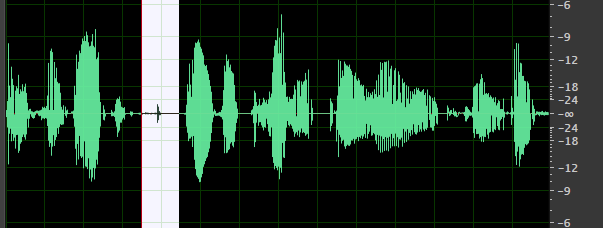
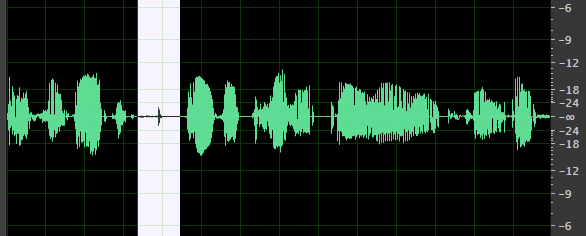
To illustrate this phenomenon, consider the visual representation of an audio waveform. Before compression, a mouth click might appear as a small, sharp spike against a broader waveform representing speech. After compression, the surrounding speech waveform is reduced in amplitude, while the click remains at its original amplitude relative to the compressed speech. When the entire waveform is then brought back up to a standard listening level, the click, which was already a prominent spike, now stands out even more dramatically. This amplification process transforms minor oral imperfections into audible distractions that can detract from the professional quality of the final product.
Proactive Solutions: Mastering the Art of Click-Free Recording
Understanding that the recording and post-production process inherently amplifies mouth clicks underscores the critical importance of addressing the issue at its source. While editing out clicks is technically feasible, it is a laborious and time-consuming task that can significantly increase production costs and delays. Therefore, a proactive approach, focusing on preventative measures during the recording session, is the most effective strategy for voiceover artists.
Step 1: Strategic Hydration – The Foundation of Clear Speech
The cornerstone of preventing mouth clicks is proper hydration, but this requires a nuanced approach. Simply chugging water immediately before a session is largely ineffective. The human body can only process and distribute water at a certain rate. Downing large volumes of fluid in a short span does not allow for adequate absorption and distribution throughout the body, including the oral tissues. This can lead to a situation where the artist feels waterlogged in the mouth, yet still experiences the dryness and stickiness associated with dehydration.
The key is to begin hydrating at least two hours prior to the scheduled session. This allows the body sufficient time to absorb the water and maintain consistent moisture levels in the mouth. Crucially, when discussing hydration, the emphasis must be on pure water. Beverages containing caffeine, alcohol, or excessive sugar act as diuretics, counteracting the hydrating efforts. These substances can dehydrate the body and dry out the mucous membranes, exacerbating the very problem they are intended to solve.
The importance of hydration extends beyond preventing clicks; it is vital for vocal health. The vocal cords are delicate mucous membranes that require lubrication to function optimally. Dehydration leads to reduced mucus production, increasing friction between the vocal cords during vibration. This can result in hoarseness, a sore throat, and a gravelly vocal quality, all of which are detrimental to a voiceover artist’s performance and career longevity. For early morning sessions, hydration should commence the evening prior, as the body naturally loses water during sleep.
Step 2: Optimizing Microphone Placement and Vocal Projection
The relationship between microphone distance and vocal projection is a critical factor in managing mouth noise. Consider the extreme scenarios: shouting from a distance versus whispering at close range. When projecting one’s voice loudly from afar, the relative volume of speech significantly outweighs any subtle mouth noises, making them virtually inaudible. Conversely, whispering directly into a microphone at very close range will inevitably amplify any mouth clicks that occur, as the sound source is in immediate proximity to the sensitive recording equipment.
In a professional recording environment, this translates to a careful balance of microphone placement and vocal intensity. Recording too close to the microphone, especially at lower vocal volumes, necessitates an increase in input gain to achieve an adequate recording level. This elevated gain amplifies not only the desired speech but also the ambient noise floor and any inherent mouth sounds.
Conversely, positioning oneself at a greater distance from the microphone (typically 7-8 inches, a measurement best confirmed with a ruler rather than estimation) and projecting the voice slightly louder than conversational volume allows for a lower input gain. This results in a clearer recording where the dialogue is robust, and the background noise and mouth clicks are comparatively subdued.
For specialized commercial recordings that utilize the "close-up and personal" bass-proximity effect, voiceover artists must acknowledge that this aesthetic choice inherently comes with an increased need for post-production editing to mitigate mouth clicks. The rich, resonant sound achieved through close miking is often accompanied by a trade-off in audio clarity regarding transient noises.
Step 3: Consistent Sipping – Maintaining Oral Lubrication During Sessions
The act of speaking itself contributes to vocal cord usage and a reduction in oral lubrication, leading to increased dryness and clickiness over time. Even if a voiceover artist begins a session perfectly hydrated, the continuous engagement of their vocal apparatus can lead to a noticeable increase in mouth noise within 30-45 minutes. This is why maintaining hydration throughout the session is as crucial as preparing beforehand.
The mark of a seasoned professional is often the presence of a water bottle in the recording booth. Consistent sipping of water at regular intervals, such as every 10-15 lines of dialogue, is essential to replenish lost moisture and maintain the optimal balance of saliva. While this may necessitate more frequent trips to the restroom during breaks, the benefit of consistently clean audio far outweighs this minor inconvenience. In modern, air-conditioned studio environments, which can further contribute to dryness, this practice is particularly vital to prevent clickiness from developing.
Step 4: Debunking the Green Apple Myth – Focusing on Proven Techniques
A widely circulated tip for combating mouth clicks involves consuming half a green apple or other acidic substances, such as lemon. The citric acid in these items is believed to cleanse the mouth and neutralize the sticky saliva. While these methods may offer temporary relief by stimulating saliva production and altering the mouth’s pH, they are not a substitute for consistent, long-term hydration and proper recording technique.
The efficacy of acidic substances is often transient and may not address the underlying causes of dehydration or poor vocal technique. For voiceover artists aiming for consistently professional results, relying on such quick fixes is a less reliable strategy than adhering to the foundational steps of proper hydration, optimized mic technique, and continuous sipping. These established methods provide a more robust and sustainable solution to the persistent challenge of mouth clicks, ensuring clarity and professionalism in every recording.
In conclusion, while mouth clicks may seem like an insurmountable hurdle for many voiceover artists, a thorough understanding of their causes and the implementation of strategic preventative measures can lead to significantly cleaner audio. By prioritizing consistent hydration, mastering microphone placement and vocal projection, and maintaining oral moisture throughout recording sessions, professionals can effectively eliminate this common impediment and elevate the quality of their work, thereby securing their reputation and career prospects in the competitive world of voiceover.
