


The subtle yet critical element of "flow" in voiceover delivery is paramount for effective communication, and a common impediment known as "blocking" can significantly hinder this natural rhythm. This phenomenon, often observed in novice voice actors, creates a disjointed and unnatural auditory experience for the listener, requiring conscious effort to overcome. Understanding the mechanics of flow and the detrimental effects of blocking is essential for any professional aiming to connect authentically with their audience.
Deconstructing Voiceover Flow: The Essence of Natural Human Cadence
At its core, voiceover flow aims to replicate the organic cadence of natural human conversation. Consider the spontaneous interactions between friends, or even the overheard snippets of dialogue in public spaces. These exchanges are characterized by a fluid, unforced progression of words, punctuated by natural pauses, breaths, and subtle shifts in tone. This inherent rhythm allows listeners to process information effortlessly, fostering engagement and comprehension. When voiceover dialogue deviates from this natural pattern, it can create an auditory experience that feels artificial and demanding.
The desired "flow" in voiceover is not a one-size-fits-all concept. It adapts to the specific genre and purpose of the vocal performance. A high-energy commercial, for instance, will necessitate a different pacing and rhythm than a contemplative documentary narration or a character-driven animation. Corporate videos often require a clear, authoritative, yet approachable delivery, while e-learning modules prioritize clarity and digestible information. Regardless of the medium, the goal remains consistent: to deliver dialogue that sounds authentic, maintains listener engagement, and provides appropriate pacing and breathing room for comprehension. This often involves introducing subtle humanizing elements, such as hesitations, inflections, and the natural ebb and flow of spoken language.
As one industry expert noted, "It’s crucial that we deliver dialogue with a good, human flow to it, so that the listener doesn’t have to work to understand or accept it." This underscores the fundamental principle that effective voiceover acts as a conduit for information and emotion, rather than an obstacle.

The Silent Saboteur: Identifying and Visualizing "Blocking"
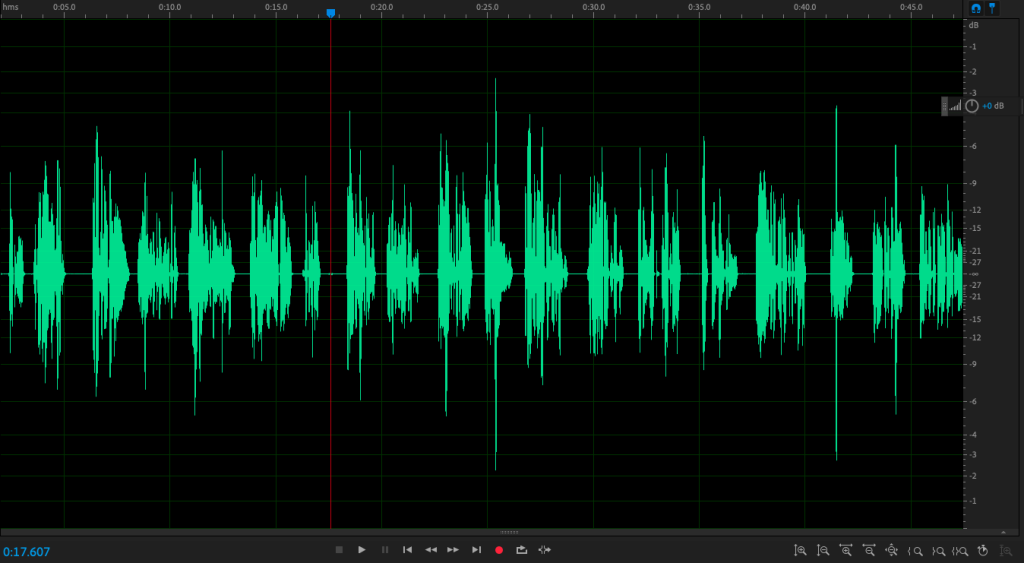
"Blocking" in voiceover refers to an unnatural disruption in this otherwise fluid delivery. The term itself is derived from its visual representation in audio editing software. When viewed as a waveform, blocked audio exhibits distinct, stark gaps or "blocks" of silence interspersed between spoken segments. This visual cue corresponds directly to an auditory experience that feels disjointed, staccato, and disengaging.
Imagine listening to a voiceover where each word or phrase is delivered as a separate, isolated unit, with unnaturally long pauses in between. This creates a sense of fragmentation, forcing the listener to anticipate each subsequent sound rather than being carried along by a cohesive narrative. This is not the natural, engaging speech pattern that audiences are accustomed to. The lack of seamless transition between sounds and phrases makes the delivery feel mechanical and less pleasurable to consume.
The visual representation of blocking is stark. In a typical narrative delivery, waveforms that are free of blocking appear as a more continuous, albeit varied, stream of audio. Conversely, blocked audio is characterized by prominent, rectangular segments of silence, often referred to as "dead air," that interrupt the spoken content. This visual disjunction directly translates to an audible disconnect for the listener.
The Contrast: Unveiling "Hairy Caterpillars" in Waveforms
In stark contrast to the jarring "blocks," a voiceover delivery characterized by good flow often displays waveforms that are described metaphorically as "hairy caterpillars." This imagery refers to the presence of subtle sonic textures and variations within the spoken segments, indicating natural breath sounds, lip smacks, and the continuous, albeit nuanced, flow of speech.
A waveform free of blocking typically exhibits a more organic, less segmented appearance. The audio transitions are smoother, with natural breaths and hesitations integrated seamlessly into the delivery. This visual representation is a strong indicator of an auditory experience that is fluid, engaging, and easy for the listener to follow. The presence of these subtle sonic details contributes to the overall humanistic quality of the performance, making it more relatable and believable.

The Genesis of "Blocking": Unpacking the Underlying Causes
The occurrence of blocking is a phenomenon more commonly associated with individuals new to the voiceover industry, although it is not exclusively limited to them. Several factors can contribute to this unnatural delivery:
- Inexperience with Pacing and Breath Control: Novice voice actors may struggle with managing their breath and pacing, leading to abrupt stops and starts. This can stem from a lack of formal training in vocal technique or insufficient practice in controlling the duration and placement of pauses.
- Over-reliance on Script Cues: A rigid adherence to script cues, without understanding the underlying narrative or emotional intent, can result in deliveries that are punctuated by artificial pauses dictated solely by punctuation marks, rather than by the natural rhythm of thought and speech.
- Anxiety and Performance Pressure: The pressure of a recording session, especially for those new to the profession, can induce anxiety. This can manifest as rushed speech followed by prolonged, involuntary silences as the performer regains composure.
- Editing Habits: In some instances, producers or editors might introduce excessive silence between takes or phrases during the post-production process, inadvertently creating a blocked effect if not carefully managed.
- Lack of Awareness of Auditory Nuances: Some performers may simply not be attuned to the subtle sonic qualities that contribute to natural speech. They may not realize that overly long pauses or abrupt transitions detract from the overall listening experience.
The Antithesis of Blocking: The Perils of Over-Editing and Excessive Speed
While blocking presents a problem of too much space and fragmentation, its opposite extreme is equally detrimental. This occurs when dialogue is over-edited, excessively de-breathed, or delivered at an unyieldingly fast pace. This results in a total absence of respite for the listener, leaving no room to absorb the information.
Consider the common experience of listening to hyperactive local radio advertisements, particularly in markets known for their rapid-fire delivery. In such instances, advertisers often attempt to cram an excessive amount of dialogue into a limited time slot. The outcome is a torrent of words that leaves the listener overwhelmed and unable to retain any meaningful information. The phrase "I have no idea what I have just heard!" becomes a common refrain, a direct consequence of being denied the necessary time to process the spoken content. This scenario, characterized by a lack of digestible pauses, is as detrimental to effective communication as the disjointed nature of blocking.
When "Blocking" Serves a Purpose: Intentional Stylistic Choices
It is crucial to acknowledge that "blocking" – or more accurately, a deliberate departure from a consistently fluid delivery – can sometimes be an intentional artistic choice. In specific contexts, a staccato or punctuated delivery can serve a particular narrative or emotional purpose. Examples include:
- Portraying Characters Experiencing Shock or Trauma: A character reeling from a traumatic event might deliver dialogue in short, choppy phrases, reflecting their disoriented state.
- Depicting High-Tension Scenarios: In action sequences or moments of intense suspense, a fragmented delivery can heighten the sense of urgency and chaos.
- Characterizing Specific Personalities: Some characters, by their very nature, might speak in a more clipped or hesitant manner, which can be effectively conveyed through a controlled use of pauses.
- Artistic Interpretation in Specific Genres: Certain avant-garde audio dramas or experimental vocal performances might employ unconventional pacing and silences as a deliberate stylistic element.
In these instances, the voiceover artist is making a conscious, informed decision to deviate from a standard flow. This is not an accidental "blocking" but a calculated artistic choice designed to enhance the performance and its impact. The key distinction lies in awareness and intent.
The Remedy: Strategies for Eliminating and Preventing "Blocking"
Fortunately, addressing and preventing blocking is a relatively straightforward process for aspiring and established voice actors alike. The key lies in cultivating an understanding of natural speech patterns and applying disciplined vocal techniques. The following guidelines are instrumental:
- Active Listening and Observation: Pay close attention to natural human speech. Record conversations (with permission) and analyze the rhythm, pauses, and inflections. Observe how speakers naturally connect ideas and transition between thoughts.
- Mastering Breath Control: Proper breath management is fundamental. Learn diaphragmatic breathing techniques to support longer phrases and ensure smooth, controlled exhalations. This prevents the need for abrupt, gasping breaths that can create artificial breaks.
- Understanding Sentence Structure and Meaning: Beyond simply reading words, comprehend the underlying meaning and intent of the script. This allows for more natural phrasing and emphasizes key points without resorting to forced pauses.
- Practicing with a Metronome (Judiciously): While not for every situation, a metronome can be a useful tool for developing a consistent sense of timing. However, it’s crucial to use it as a guide to internal rhythm, not as a rigid constraint.
- Recording and Self-Critique: Regularly record your practice sessions and listen back critically. Identify any instances of unnatural pauses or disjointed delivery. Compare your recordings to natural speech patterns.
- Seeking Professional Guidance: Working with a voice coach or attending workshops can provide invaluable feedback and structured training on vocal technique, pacing, and delivery.
- Embracing Natural Pauses: Recognize that pauses are not inherently negative. They provide emphasis, allow for reflection, and create a more humanistic delivery. The goal is to use pauses intentionally, not to have them imposed by a lack of control.
- Prioritizing Clarity Over Speed: In most voiceover applications, clarity and comprehension are paramount. Resist the urge to rush through dialogue. A slightly slower, more deliberate pace that ensures understanding is always preferable to a rapid delivery that leaves the listener confused.
Conclusion: The Artist’s Control Over Vocal Cadence
Ultimately, the professional voiceover artist holds the reins of their vocal performance. The ability to consciously choose how to deliver dialogue, whether it be at a brisk pace, with a staccato rhythm, or in a naturalistic manner, is a hallmark of their craft. The artist understands the listener, anticipates their reception of the message, and employs vocal tools to maximize engagement.
If the chosen delivery style involves a rapid pace or a staccato effect, and this choice is deliberate and controlled, then the performance is valid and effective. The issues arise when a voice actor lacks awareness of these dynamics or is unable to control them. In such cases, unintentional blocking or its equally problematic counterpart – excessive speed and lack of breath – can undermine the effectiveness of the vocal performance, hindering the intended communication. Mastery of these vocal tools empowers the artist to connect authentically and effectively with their audience, ensuring their message resonates.
Hugh Edwards.
[Updated Jan 2026]
