


Mouth clicks, often colloquially termed "clicky mouth," "dry mouth," or simply "mouth noise," represent a pervasive and often career-stalling issue within the voiceover industry. While many performers may resign themselves to this auditory annoyance, viewing it as an unalterable physiological characteristic, a comprehensive analysis reveals that the vast majority of instances are indeed preventable and manageable. The challenge lies not in the inherent nature of human speech, but in understanding the intricate interplay of hydration, vocal technique, and the unforgiving amplification inherent in audio recording and post-production processes. This article delves into the root causes of mouth clicks and provides actionable strategies for voiceover artists to achieve pristine, click-free recordings, thereby enhancing their employability and professional reputation.
The detrimental impact of excessive mouth clicks on a voiceover artist’s career cannot be overstated. Casting directors and production houses frequently cite audible mouth noises as a primary reason for rejecting audition tapes. In more extreme cases, the cost and time associated with editing out these clicks during post-production can outweigh the expense of re-recording an entire session with a new artist. One anecdotal account from a seasoned voiceover professional highlights this severity: "I myself have even re-recorded an entire 5-hour session with a new voiceover artist because the original lady was too noisy. It would have cost us more to edit her than to pay another VO. That’s the detrimental effect mouth clicks can have." This underscores the critical need for artists to proactively address and eliminate this issue at the source.
Understanding the Mechanics of Mouth Clicks
At their core, mouth clicks are the sonic byproducts of the tongue, teeth, and saliva interacting during speech. These interactions create small pops, clicks, and pops that are a natural, albeit often unnoticed, component of human conversation. In everyday social interactions, our auditory systems are adept at filtering out these minor noises, deeming them irrelevant to the overall message. However, the recording studio environment is a vastly different sonic landscape.
The Dehydration-Saliva Nexus

One of the most significant contributing factors to excessive mouth clicks is dehydration. While often associated with individuals who consume large quantities of dehydrating substances like cigarettes or excessive caffeine, the underlying principle is the reduction of moisture within the oral cavity. Both tobacco smoke and diuretic beverages, such as coffee and certain sodas, actively sap water from the body, leading to a diminished production of natural saliva. This results in a drier, stickier oral environment where the tongue’s movement against the palate and teeth generates more pronounced and audible clicks.
However, the relationship with hydration is not as straightforward as simply needing more water. Paradoxically, an overabundance of water in the mouth immediately before or during recording can also exacerbate the problem. When a voiceover artist gulps down large quantities of water in an attempt to combat perceived dryness, the resulting excess moisture can create similar sonic disturbances. The tongue’s interaction with a mouth flooded with water can be just as likely to produce clicks as a mouth suffering from dryness. This highlights a nuanced understanding of hydration management required for optimal vocal performance.
The Amplification Effect: Recording and Post-Production
The reason mouth clicks, which are often imperceptible in normal conversation, become glaringly obvious in recordings lies in the physics of audio engineering, specifically compression and normalization. Audio signals are captured and then subjected to post-production processes designed to optimize their loudness and consistency.
Compression, a fundamental tool in audio engineering, works by reducing the dynamic range of a signal. It effectively lessens the difference between the loudest and quietest parts of the audio waveform. Imagine squeezing a waveform in a vise; the peaks are brought closer to the valleys. While this process is crucial for ensuring that voiceovers blend seamlessly with other audio elements in a production, it has a significant side effect on incidental noises.
Following compression, the overall perceived volume of the recording often decreases. To compensate, engineers employ normalization or a further volume increase, bringing the entire waveform back to a desired audible level. The critical point here is that while the dialogue is amplified, so too are the pre-existing mouth clicks. A click that was a minor, almost inaudible anomaly in the raw recording becomes significantly more prominent and intrusive after compression and normalization.

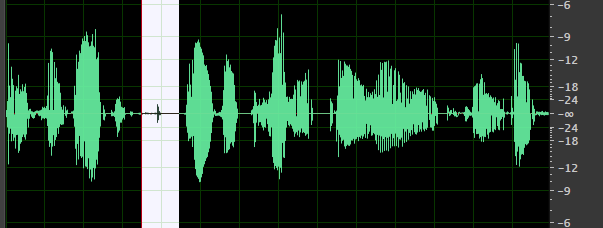
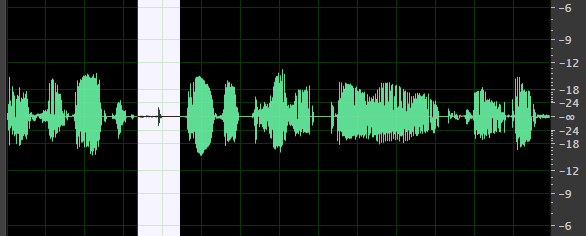
Consider a visual representation of this process:
- Raw Waveform with a Click: Before compression, a mouth click appears as a relatively small spike within the larger waveform of speech.
- Compressed Waveform: After compression, the surrounding speech waveform is reduced in amplitude, while the click’s amplitude remains largely unchanged. This makes the click appear proportionally larger.
- Compressed and Normalized Waveform: When the entire waveform is brought back up to a standard listening level, the click, which was not reduced by compression, now stands out as a much louder element relative to the dialogue.
This amplification effect means that even infrequent mouth clicks performed during recording can transform into highly noticeable irritations in the final product. Therefore, the most effective strategy for managing mouth clicks is to prevent them at their origin.
Strategic Solutions for Click-Free Recordings
Step 1: Mastering Pre-Session Hydration
The cornerstone of preventing mouth clicks is establishing optimal hydration levels well in advance of any recording session. The common misconception is that chugging water immediately before a session will suffice. However, the human body processes water at a limited rate. Downing two liters of water ten minutes prior to a session will not allow for adequate systemic distribution, meaning the mouth may still experience dryness.
The professional approach involves initiating a consistent hydration regimen at least two hours before the scheduled recording time. This allows the body to absorb and distribute water effectively, ensuring consistent saliva production. It is crucial to understand that "hydration" in this context specifically refers to pure water. Beverages containing diuretics, such as coffee, tea, sodas (including diet variants), and alcoholic drinks, actively counteract hydration efforts. Even seemingly innocuous items like dairy products can sometimes contribute to a thicker, more viscous saliva.
A common pitfall, as observed in elite voiceover mentoring programs, involves confusing fluid intake with proper hydration. One individual, consistently consuming two liters of Coca-Cola daily, remained dehydrated. This serves as a stark reminder that only water provides the necessary rehydration. Furthermore, adequate hydration is not solely about preventing clicks; it is also vital for vocal cord health. The vocal cords, delicate mucous membranes, rely on sufficient lubrication to vibrate efficiently and without friction. Dehydration leads to increased friction, resulting in hoarseness, a gravelly voice, and potential vocal strain, akin to the effects of excessive vocal exertion. For early morning sessions, pre-hydration should commence the evening prior, as the body loses water throughout sleep.
Step 2: Optimizing Microphone Placement and Vocal Projection
The physical relationship between the voiceover artist and the microphone, coupled with vocal projection, plays a critical role in managing mouth noise. Consider an extreme analogy: a person shouting from a significant distance versus whispering directly into someone’s ear. In the former scenario, the volume of the speech vastly overshadows any incidental mouth sounds. In the latter, even the subtlest mouth click becomes highly discernible.
This principle directly translates to microphone technique. If an artist positions themselves very close to the microphone (e.g., three inches) and speaks softly, the input gain on the recording equipment must be increased to achieve a usable audio level. This amplification not only boosts the dialogue but also disproportionately raises the noise floor and any accompanying mouth clicks. Conversely, positioning oneself further from the microphone (e.g., seven to eight inches) and projecting the voice slightly louder than conversational volume allows for a lower input gain setting. This results in a stronger dialogue signal with a comparatively lower noise floor and less prominent mouth clicks.
The takeaway is clear: increasing the distance from the microphone and projecting the voice more robustly can significantly reduce the perceived level of mouth noise. For specific commercial recording styles that necessitate close-proximity techniques and the resultant bass-proximity effect, artists must acknowledge that this inherently increases the likelihood of mouth clicks and will likely require more extensive post-production editing. This trade-off between desired sonic character and the potential for unwanted noise is an unavoidable aspect of such techniques.
Step 3: Consistent Sipping During Sessions
While pre-session hydration is paramount, the act of speaking itself contributes to dehydration within the oral cavity during a recording session. The continuous use of vocal cords, coupled with the ambient conditions of a recording studio (often air-conditioned, which can be drying), leads to a gradual reduction in saliva and mucus. A voiceover artist who begins a session with a perfectly hydrated mouth can find themselves experiencing increased clickiness within 30 to 45 minutes.
This is where continuous hydration management becomes essential. Professionals understand the need to maintain moisture levels throughout the recording process. This involves taking small, frequent sips of water. While it may necessitate brief pauses for bathroom breaks, the benefit of maintaining a lubricated vocal tract and minimizing mouth clicks far outweighs this minor inconvenience. Observing a voiceover artist consistently equipped with a water bottle is a positive indicator of their professionalism and commitment to producing high-quality audio. A recommended practice is to sip water every 10 to 15 lines of dialogue, ensuring a constant replenishment of oral moisture.
Step 4: Debunking the Green Apple Myth
A popular folk remedy for combating dry mouth and its associated clicks involves consuming half a green apple or other acidic foods. The citric acid is believed to cleanse the mouth and neutralize the stickiness of saliva. While these methods may offer temporary relief, they are not a sustainable or professional solution for consistent click-free recording.
The efficacy of acidic substances is transient and does not address the fundamental causes of mouth clicks, namely dehydration and improper recording technique. Relying on such remedies can create a false sense of security, potentially masking underlying issues that will manifest later in the session. For voiceover artists aiming for consistent, high-caliber performances, concentrating on the established practices of proper pre-session hydration, optimal microphone technique, and consistent sipping during recording is far more effective than resorting to quick fixes. The only exception might be in cases of extreme, unavoidable dehydration, such as severe hangovers, where the artist might be considered "on their own" to manage the immediate consequences.
In conclusion, the persistent issue of mouth clicks in voiceover recordings is not an insurmountable physiological hurdle. By understanding the science behind saliva production, the amplifying effects of audio processing, and implementing a disciplined approach to hydration and vocal technique, voiceover professionals can effectively eliminate this common impediment. Mastering these strategies not only leads to cleaner, more professional recordings but also contributes to the overall health and longevity of their vocal careers. The pursuit of click-free audio is an investment in professionalism, employability, and the sustained success of a voiceover artist.
