


Understanding the complexities of human emotions, often perceived as abstract or elusive, has been significantly demystified by the groundbreaking work of Drs. Paul and Eve Ekman. Their extensive research, spanning over five decades in behavioral science, has culminated in the development of "The Feelings Field Guide," a tangible and science-backed tool designed to translate profound psychological insights into practical, everyday skills. This guide offers individuals, from parents seeking to understand their child’s anxiety to professionals navigating high-stakes negotiations, a concrete method for identifying universal facial expressions and fostering more constructive emotional responses.
Unpacking The Feelings Field Guide: A Comprehensive Toolkit
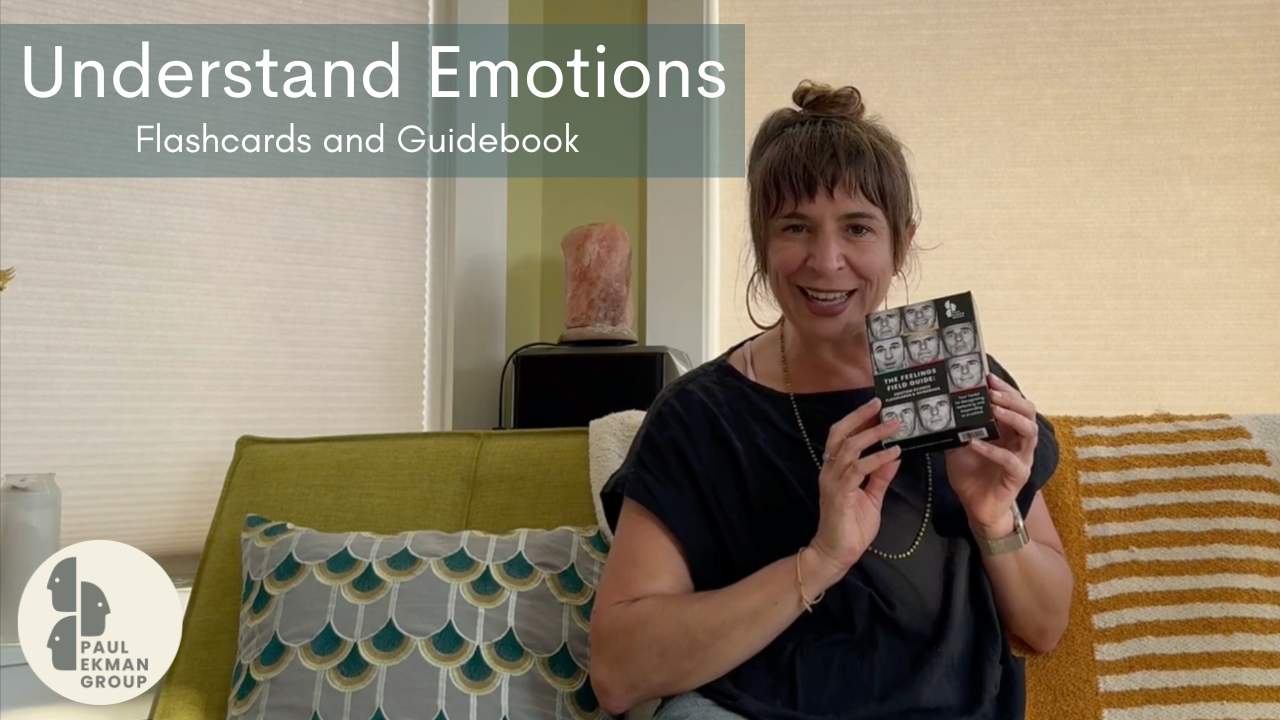
At its core, The Feelings Field Guide is a meticulously crafted toolkit comprising 92 emotion flashcards and an accompanying scientific guidebook. This ensemble is engineered to significantly enhance emotional awareness and refine non-verbal communication skills. The foundation of the guide rests upon the recognition of seven universal emotions, a concept pioneered by Dr. Paul Ekman, which transcends cultural boundaries and is reflected in distinct, recognizable facial expressions.
Dr. Eve Ekman, in an introductory video, elaborates on the guide’s methodology, illustrating how it empowers users to decipher these fundamental emotional cues. The video, a key component of the guide’s outreach, demonstrates the practical application of recognizing these universal expressions, making the science accessible to a broad audience. This approach moves beyond theoretical understanding, offering a hands-on experience in emotional literacy.
The Science Behind the Expression: A Legacy of Research
The Feelings Field Guide is not merely a collection of cards; it is the distillation of over 50 years of dedicated scientific inquiry into human emotion and facial expression. This extensive research, originating from the foundational work of Dr. Paul Ekman, has been meticulously transformed into a practical and readily applicable resource. The guide’s efficacy is rooted in its adherence to the scientific principles that have established the universality of certain emotional expressions.
Within the physical confines of the guide, users discover a wealth of information designed to deepen their understanding. While the original text did not specify the contents beyond flashcards and a guidebook, it is understood that such a comprehensive tool would likely include detailed explanations of each emotion, their corresponding facial muscle movements as defined by the Facial Action Coding System (FACS), and practical scenarios for application. The emphasis is consistently placed not just on merely noticing emotions, but on cultivating the crucial ability to act upon that awareness effectively. This actionable insight is what differentiates the guide from passive observation.
Designed for Adaptability: A Flexible Approach to Emotional Intelligence
Recognizing that individuals learn and interact with information in diverse ways, The Feelings Field Guide has been intentionally designed for maximum flexibility. This adaptability allows users to integrate the guide into their lives and learning styles seamlessly. Whether individuals prefer self-paced learning, focused exploration of specific emotions, or interactive exercises, the guide accommodates a variety of approaches.
Users might engage with the expression cards through self-quizzing, delve deeply into understanding one emotion at a time, or utilize the reflection exercises to process personal experiences. The guide champions a personalized learning journey, emphasizing that there is no singular "correct" method of engagement, but rather a spectrum of possibilities tailored to individual needs and goals. This user-centric design ensures that the guide remains a relevant and valuable resource for a wide range of individuals.
Testimonials: Real-World Impact and Validation
The efficacy and impact of The Feelings Field Guide are further underscored by testimonials from individuals who have integrated its principles into their lives. Mark B., a parent of a son experiencing anxiety and social regression, found the guide to be an "effective tool to use in discussing emotions" with his child. His confidence in the product is rooted in the scientific validity pioneered by Dr. Ekman, highlighting the trust placed in the research behind the guide. This sentiment speaks to the guide’s potential in fostering empathy and understanding within family dynamics, particularly in addressing challenges faced by children.
Simon B., working in information security and data protection, attests to the guide’s utility in professional settings. He describes it as a "great tool" for understanding micro-expressions and emotions, which has demonstrably "improved my interactions with people." In a field where discerning true sentiment is crucial, Simon B. emphasizes the enhanced ability to understand colleagues, customers, and suppliers, particularly in identifying discrepancies between spoken words and underlying feelings. This highlights the guide’s practical value in high-stakes professional environments where nuanced communication is paramount.
The Profound Importance of Emotional Literacy
Emotions serve as a fundamental driving force behind human cognition, communication, and decision-making, often influencing these processes more profoundly than individuals consciously realize. When emotional cues, whether in oneself or in others, are misread or misunderstood, the consequences can range from minor misunderstandings to significant interpersonal conflicts or missed opportunities for genuine connection. Conversely, the cultivation of accurate emotional recognition and response yields substantial benefits.
The Feelings Field Guide is purposefully constructed to facilitate the development of these essential skills. It aims to provide a grounded, practical, and repeatable pathway toward enhanced emotional intelligence. The benefits of such a cultivated skill set are far-reaching:
- Improved Interpersonal Relationships: A deeper understanding of emotions fosters greater empathy, leading to stronger, more meaningful connections with others. This can translate into more harmonious family life, more collaborative friendships, and more effective professional partnerships.
- Enhanced Communication: By accurately interpreting emotional signals, individuals can communicate more effectively, tailoring their messages to resonate with the emotional state of their audience and reducing the likelihood of misinterpretation.
- Conflict Resolution: A heightened awareness of emotions provides valuable insights into the underlying drivers of conflict, enabling individuals to de-escalate situations and find more constructive resolutions.
- Increased Self-Awareness: Understanding the emotional states of others often leads to a greater appreciation of one’s own emotional landscape, promoting self-regulation and personal growth.
- Better Decision-Making: Emotions play a significant role in our decision-making processes. By understanding these influences, individuals can make more informed and balanced choices.
Frequently Asked Questions: Clarifying the Guide’s Uniqueness
To further illuminate the value and distinctiveness of The Feelings Field Guide, several frequently asked questions are addressed:
How is this different from other emotion flashcards?
A key differentiator of The Feelings Field Guide lies in its scientific rigor. While many emotion flashcards offer simple labels for feelings, this guide is the only tool explicitly based on the Facial Action Coding System (FACS). Developed by Dr. Paul Ekman and his colleagues, FACS is a comprehensive, anatomically based system for describing all observable facial movements. By adhering to FACS, the guide ensures that the expressions presented are not only scientifically accurate but also universally recognized across diverse cultures. This scientific foundation provides a level of validity and depth that sets it apart from less rigorous alternatives.
Is there a digital version?
The Feelings Field Guide is designed as a physical, tactile tool, emphasizing the importance of hands-on interaction with the material. However, for individuals seeking a more intensive, performance-based mastery of emotional recognition, the physical guide is often complemented by the Micro-expression Training Tools. These digital resources offer certified training programs that go beyond basic identification, aiming for a deeper, more nuanced understanding and application of emotional intelligence skills. This dual approach caters to different learning preferences and levels of engagement.
Broader Implications: The Future of Emotional Intelligence
The development and dissemination of tools like The Feelings Field Guide represent a significant step forward in making emotional intelligence accessible to the general public. As societal emphasis increasingly shifts towards mental well-being and effective communication, the ability to understand and manage emotions is becoming a critical life skill. The scientific grounding of this guide, derived from decades of rigorous research, ensures its credibility and effectiveness.
The implications of widespread adoption of such tools are far-reaching. In educational settings, it could lead to more empathetic and understanding learning environments. In workplaces, it could foster better team dynamics, improve leadership effectiveness, and enhance customer relations. On a personal level, it offers individuals a powerful means to navigate their own emotional lives with greater clarity and confidence, leading to improved mental health and more fulfilling relationships. The Feelings Field Guide, therefore, is not just a product, but a pathway to a more emotionally intelligent and connected world.
