

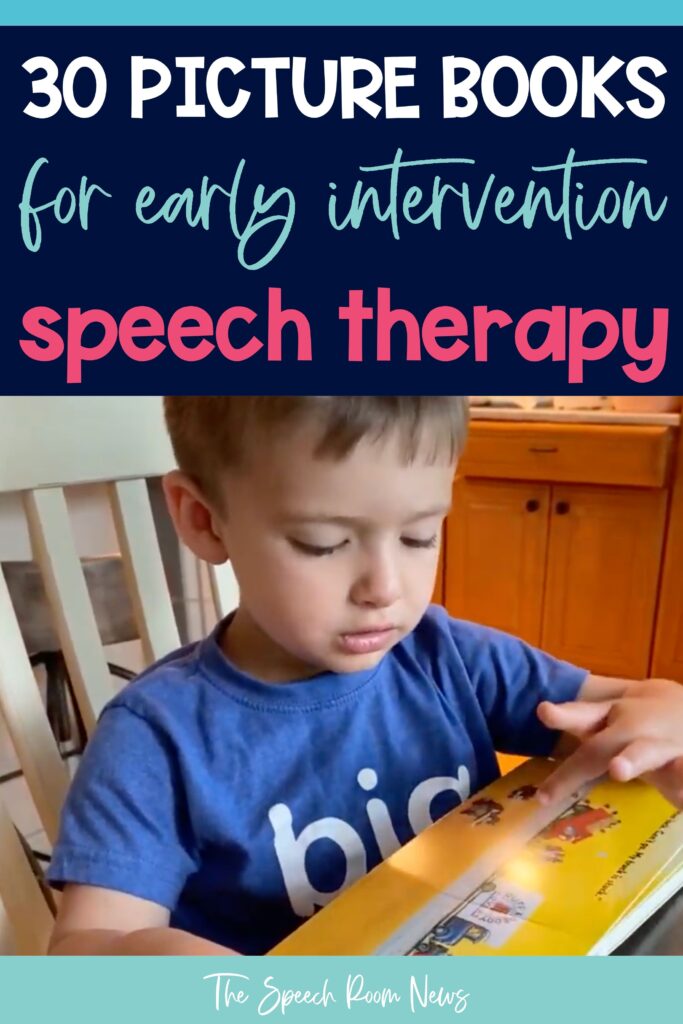
In the critical field of early intervention speech therapy, picture books stand as fundamental and versatile tools, expertly utilized to cultivate language development and enhance communication proficiencies in young children. The strategic integration of carefully selected picture books into therapeutic regimens is recognized for its capacity to significantly bolster linguistic acquisition, refine communication abilities, and cultivate an intrinsically engaging and effective learning environment. Each book, chosen with precision, serves as a targeted instrument to address specific speech and language objectives, rendering them invaluable assets for speech-language pathologists (SLPs) dedicated to early intervention populations.
The Foundational Importance of Early Intervention in Speech and Language Development

Early intervention (EI) in speech therapy represents a proactive and critically timed approach to address speech and language difficulties as soon as they are identified in young children. This crucial period, typically spanning from birth to approximately three years of age, is characterized by unparalleled neuroplasticity, where the brain’s capacity for learning and adaptation is at its peak. During this window, infants and toddlers exhibiting delays or disorders in speech and language receive targeted support designed to enhance their communication skills and maximize their overall developmental potential.
The rationale behind early intervention is deeply rooted in neurodevelopmental science. Research consistently demonstrates that the foundational structures for language acquisition are rapidly forming and consolidating during these initial years. Delays in this period can have cascading effects, impacting not only verbal communication but also cognitive development, social interaction, emotional regulation, and ultimately, academic success. Identifying and addressing these challenges promptly allows SLPs to implement tailored strategies that leverage the child’s innate learning mechanisms, leading to substantially improved long-term speech and language outcomes.
A hallmark of effective early intervention is the active involvement of families. Speech therapists work collaboratively with parents and caregivers, developing individualized treatment plans that seamlessly integrate therapeutic goals into daily routines and naturalistic environments. This parent-mediated approach empowers families to become primary facilitators of their child’s language development, ensuring consistent practice and generalization of skills beyond the clinical setting. The impact extends beyond immediate communication gains, laying a robust groundwork for literacy, social competence, and lifelong learning.
Why Picture Books Are Indispensable in Speech Therapy
Picture books are profoundly powerful instruments in speech and language therapy, offering a multitude of benefits for children undergoing intervention. Their incorporation into therapy sessions is not merely supplemental but foundational, contributing significantly to language development, communication skill enhancement, and the creation of an immersive and enjoyable learning experience. Beyond these overarching benefits, utilizing books in targeting speech and language skills addresses several specific developmental areas:
-
Promoting Language and Vocabulary Development: Books serve as rich linguistic landscapes, exposing children to a diverse array of words, expanding their receptive (comprehension) and expressive (production) vocabularies. Through shared reading, SLPs can introduce novel lexical items, reinforce conceptual understanding, and actively elicit expressive language skills. The visual context provided by illustrations aids in semantic mapping, helping children connect new words to concrete images and ideas. For instance, a book about farm animals not only introduces names like "cow" and "sheep" but also associated verbs ("moo," "baa"), descriptive adjectives ("big," "fluffy"), and concepts ("farm," "animal sounds").
-
Enhancing Storytelling and Narrative Skills: Engaging with books is a cornerstone for nurturing storytelling abilities and developing sophisticated narrative skills. As children follow plots and characters, they implicitly learn about story structure, sequencing of events, and cause-and-effect relationships. These components—understanding beginnings, middles, and ends; identifying characters and settings; comprehending problems and solutions—are absolutely essential for coherent and effective communication, both in listening and speaking. The ability to retell a story or describe a past event relies heavily on these narrative foundations.
-
Stimulating Imagination and Creativity: Books transport children into imaginative worlds, fostering creativity and critical thinking. They encourage children to visualize and describe scenes, characters, and events, thereby promoting expressive language and the development of rich descriptive skills. This imaginative play, often sparked by book narratives, is a vital component of cognitive flexibility and problem-solving, skills intrinsically linked to advanced language use.
-
Developing Phonological Awareness: Many picture books, especially those with rhyming text, alliteration, or repetitive phrases, are excellent tools for developing phonological awareness. This pre-literacy skill, which involves the ability to recognize and manipulate the sound structure of spoken language, is a strong predictor of future reading success. SLPs can use these books to highlight rhymes, identify initial sounds, and segment words, all crucial steps in preparing a child for literacy.
-
Fostering Social Communication (Pragmatics): Shared reading inherently involves social interaction. SLPs can model and facilitate turn-taking, commenting, asking and answering questions, and interpreting character emotions based on illustrations. Books featuring social scenarios can help children understand different perspectives, practice empathy, and learn appropriate conversational behaviors, addressing key pragmatic language goals.
-
Enhancing Attention and Joint Attention: For children with attention challenges, the visual stimuli and engaging narratives of picture books can help sustain focus. The act of shared reading promotes joint attention—the ability to focus on the same object or activity as another person—a foundational skill for all social learning and language acquisition.
-
Supporting Articulation Practice: While not the primary focus, books can provide natural contexts for practicing specific speech sounds. An SLP might select a book rich in words containing a target sound (e.g., "s" sounds in a story about snakes or the sea) and model correct production within the context of the story, making practice more meaningful and less rote.
Strategic Selection of Picture Books for Early Intervention
The effectiveness of picture books in therapy is significantly amplified by thoughtful selection. SLPs consider several factors when choosing books, aligning them with individual child needs, developmental stages, and therapeutic goals. Key categories and characteristics prove particularly beneficial:
-
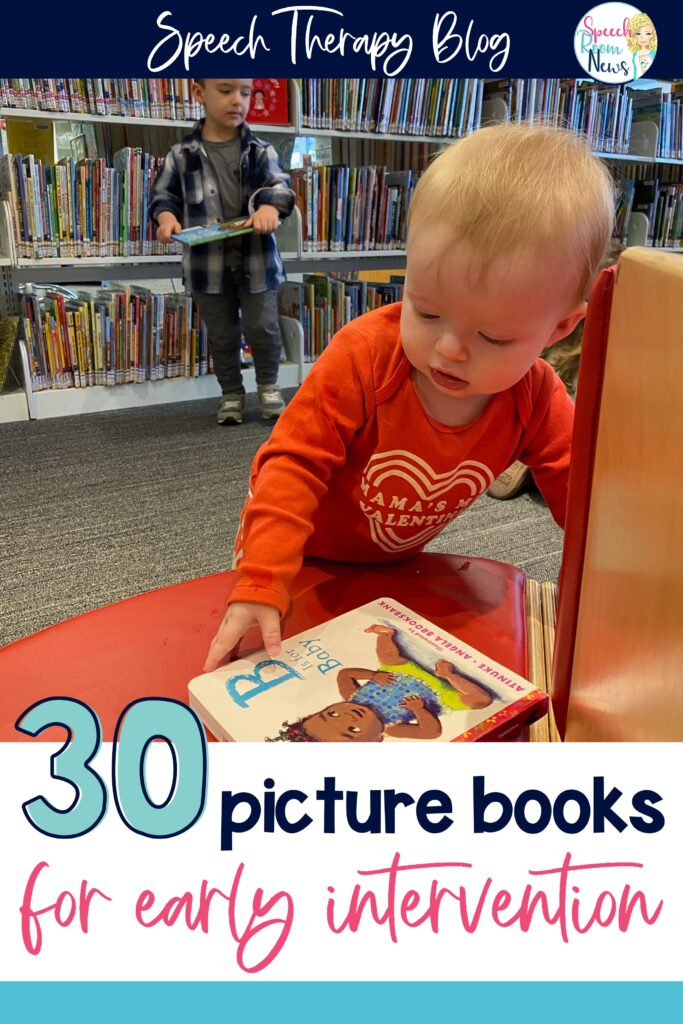
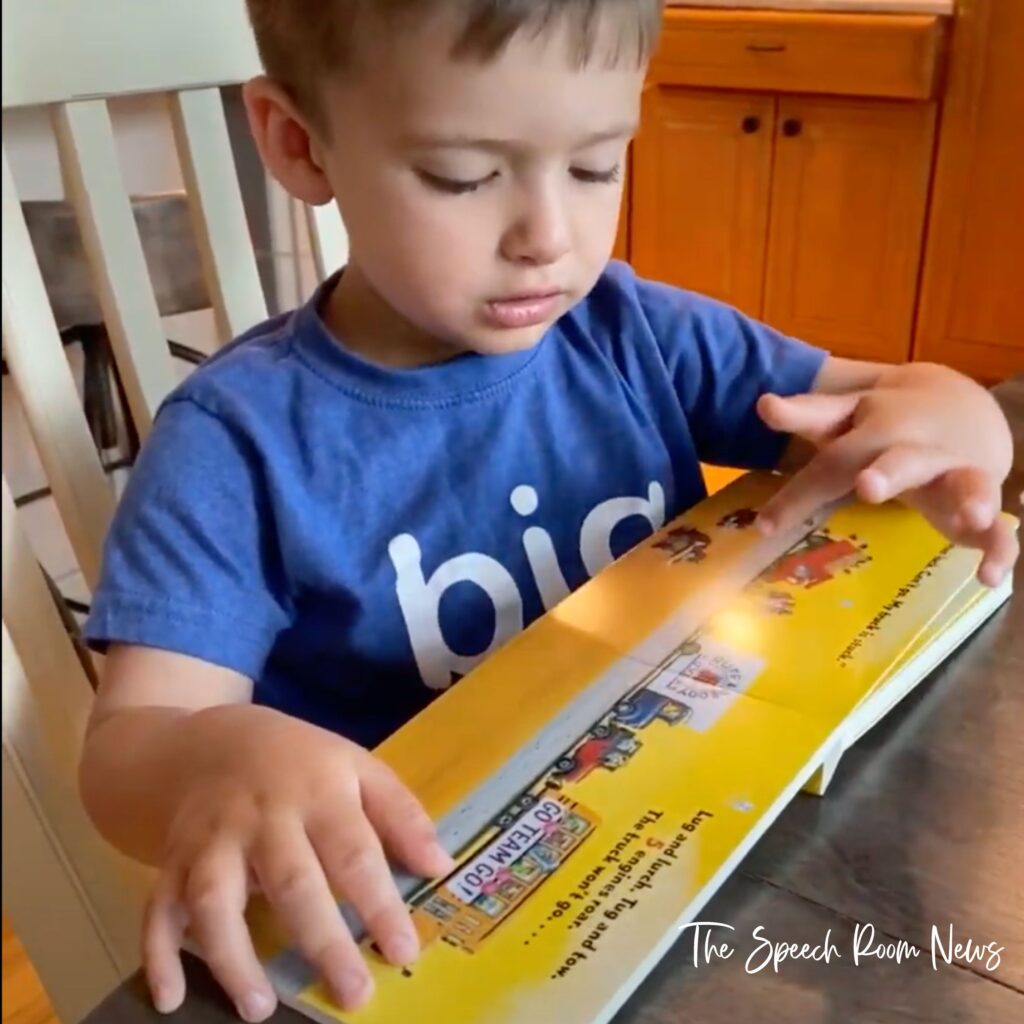
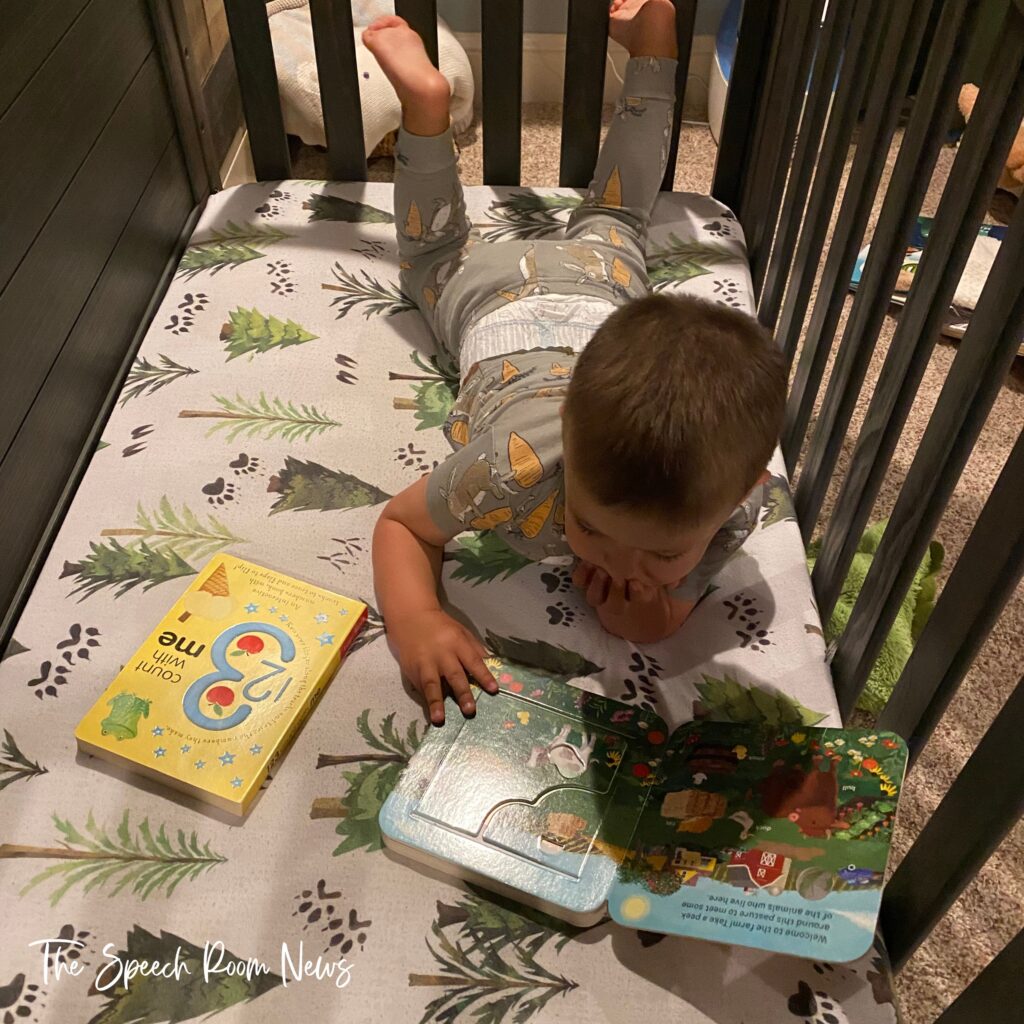
Interactive Books: These books are designed to encourage touch, manipulation, and direct engagement, providing invaluable opportunities to increase attention spans, promote vocabulary development, and engage multiple senses. Features such as pop-ups, lift-the-flaps, textures (e.g., "touch and feel" books), and movable parts inherently foster exploration and curiosity. For instance, a book with different textures can be used to elicit descriptive words like "soft," "bumpy," or "smooth," while a lift-the-flap book might prompt questions like "What’s under here?" or "Who is it?" thereby encouraging prediction and expressive language. The kinesthetic engagement helps concrete learners internalize concepts.
-
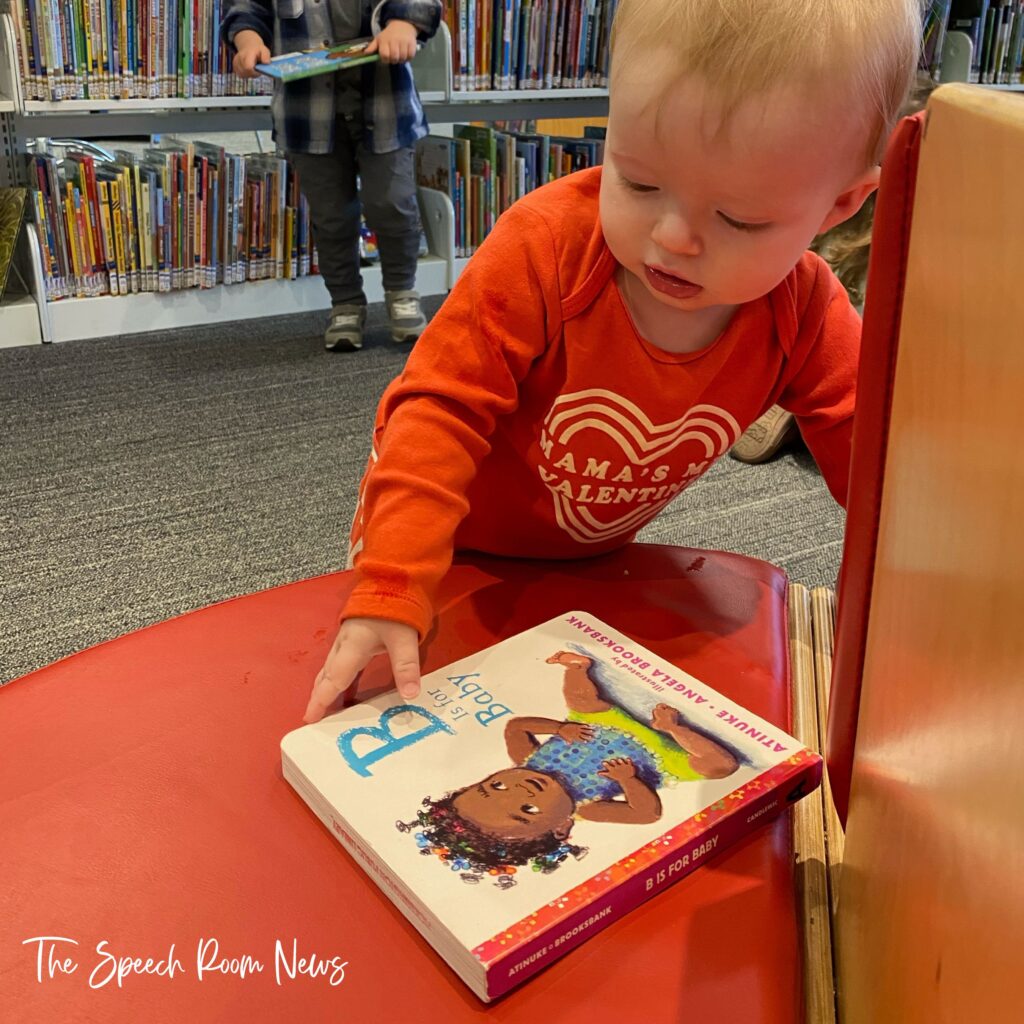
Durable Books: Given the typical age range of early intervention children (birth to three years), durability is paramount. Books designed to withstand vigorous handling are essential. Board books, with their thick, laminated pages, are ideal, as are fabric books. These materials prevent tearing, chewing, and general wear and tear, ensuring that the books remain intact for repeated use and allowing children to interact freely without fear of damage. This robustness enables children to develop independent book-handling skills without constant supervision.
-
Board Books: Beyond their inherent durability, board books are popular choices in early intervention speech therapy for several additional reasons. Their sturdy construction is a primary advantage. Furthermore, many board books feature repetitive text, which is highly beneficial for language acquisition. Repetition allows children to anticipate words, practice new vocabulary, and develop a sense of rhythm and rhyme. Engaging pictures are another hallmark, providing clear visual cues that support comprehension and vocabulary building. The potential for incorporating songs or rhythmic chants into board book reading further enhances their therapeutic value, as music is a powerful tool for memory and language recall. Examples often include simple stories about daily routines, animals, or basic concepts like colors and shapes, making them accessible and relevant to young children’s experiences.
-
Books with Clear, Simple Illustrations: Illustrations that are clear, uncluttered, and directly represent the text are crucial for young children, especially those with language delays. Complex or abstract art can be confusing. Simple, vibrant pictures help children make direct connections between words and concepts, facilitating comprehension and vocabulary acquisition.
-
Books with Predictable and Repetitive Text: Beyond board books, any picture book with a predictable story structure or repetitive phrases is highly effective. This predictability allows children to participate actively by "filling in the blanks" or anticipating what comes next, fostering expressive language, memory, and a sense of accomplishment.
-
Thematic Books: Books centered around specific themes (e.g., emotions, seasons, animals, daily routines) provide focused vocabulary and conceptual learning opportunities. An SLP can select a book to specifically target a child’s understanding and use of emotion words or action verbs.
Integrating Books into Therapy: Practical Strategies for SLPs
SLPs employ a range of evidence-based strategies to maximize the therapeutic impact of picture books:
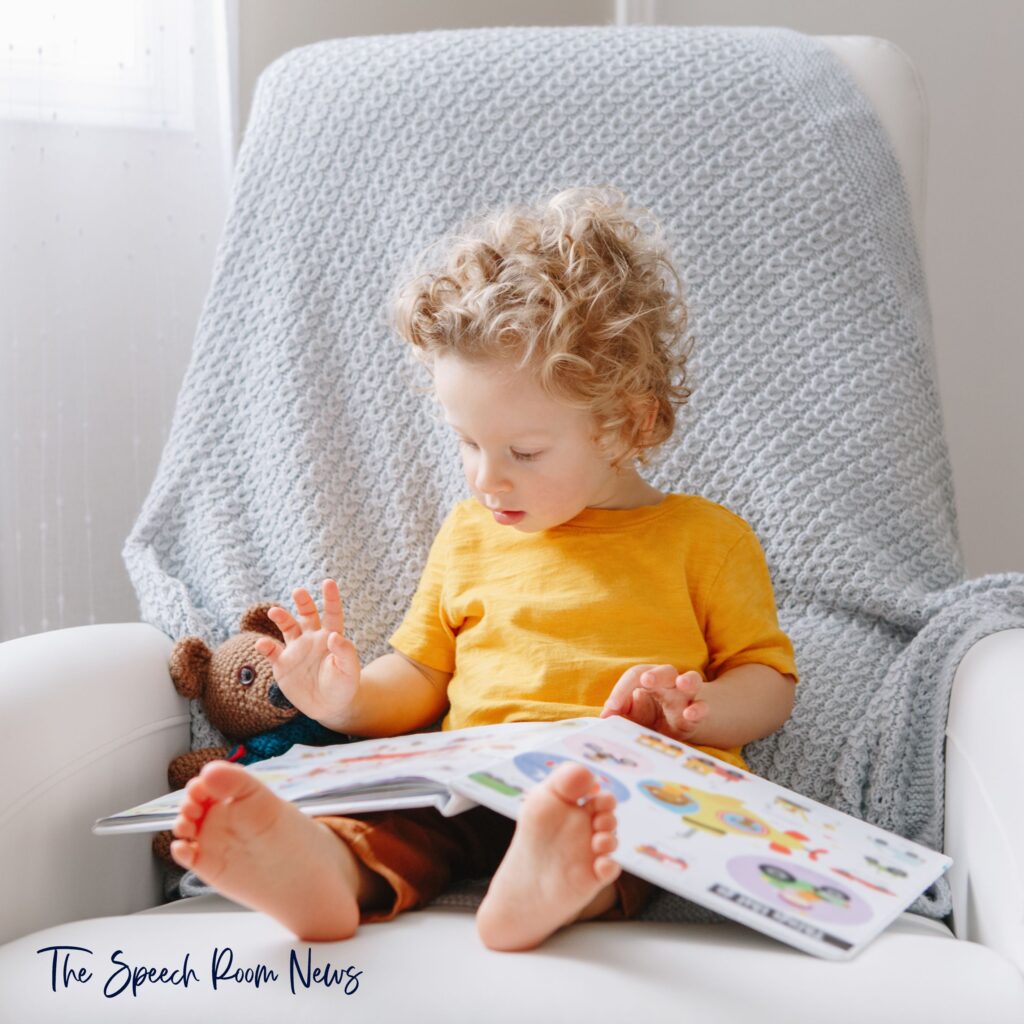
- Interactive Reading: This goes beyond simply reading aloud. SLPs pause, point to illustrations, ask open-ended questions ("What do you think will happen next?"), model language, and encourage the child to participate by vocalizing, gesturing, or touching.
- Targeted Vocabulary Introduction: Before reading, SLPs may introduce key vocabulary words, using visuals or gestures to support understanding. During reading, they will explicitly define and use these words in context.
- Story Retelling: After reading, encouraging the child to retell the story in their own words helps develop narrative skills, sequencing, and memory. This can be supported by visual cues or prompts.
- Modeling and Expansion: SLPs model correct grammatical structures and expand on the child’s utterances. If a child points to a dog and says "doggy," the SLP might say, "Yes, a brown doggy is running!"
- Phonological Awareness Activities: Using rhyming books to clap out syllables, identify rhyming words, or practice alliteration.
- Generalization to Daily Life: SLPs guide parents on how to use similar interactive reading strategies at home, reinforcing learned skills in natural environments.
Broader Impact and Long-Term Implications
The diligent application of picture books in early intervention speech therapy extends its influence far beyond the immediate therapeutic setting. By fostering robust language and pre-literacy skills during a child’s most formative years, these interventions lay a critical foundation for future academic success. Children who develop strong language skills early are better equipped to understand classroom instructions, participate in discussions, comprehend complex texts, and articulate their thoughts in writing. This proactive approach significantly mitigates the risk of later learning difficulties, particularly in reading and writing, which are heavily reliant on oral language proficiency.

Furthermore, improved communication skills profoundly impact a child’s social-emotional development. The ability to express needs, wants, and feelings, and to understand the perspectives of others, is fundamental to forming healthy relationships, engaging in collaborative play, and navigating social situations with confidence. Children who struggle with communication may experience frustration, isolation, and behavioral challenges; early intervention with books can help alleviate these, fostering greater self-esteem and social competence. This early investment in language development ultimately contributes to a child’s overall well-being, enhancing their capacity to thrive in diverse social and educational environments throughout their lives. The collaborative effort between SLPs, families, and these carefully chosen literary tools thus represents a powerful strategy for shaping not just speech, but a child’s entire developmental trajectory.
Conclusion
Incorporating picture books into early intervention speech therapy sessions provides numerous, well-documented benefits for children navigating communication difficulties. By integrating these strategically selected picture books into their practice, speech therapists can effectively foster language growth, stimulate imagination, and build a resilient foundation for lifelong learning and robust communication. The judicious use of interactive, durable, and board books, coupled with expert therapeutic strategies, solidifies their position as essential components in the comprehensive toolkit of early intervention speech-language pathology, profoundly impacting the developmental trajectories of young children.
