


Growth, in its myriad forms, is an inherent human pursuit, yet it is almost invariably intertwined with discomfort. This fundamental truth, often overlooked in the pursuit of progress, manifests across personal development, professional advancement, and even societal evolution. From the unseen physiological transformations of childhood to the profound psychological shifts of adulthood, the journey of growth is frequently paved with challenges that test resilience and demand perseverance.
The Universal Experience of Growing Pains
The adage "growth is hard because it almost always involves pain" resonates deeply when observing the developmental stages of human life. Consider the common phenomenon of "growing pains" in children. These nocturnal episodes of discomfort, often characterized by inexplicable leg aches, leave young individuals bewildered. While they lack the cognitive framework to comprehend the biological processes at play—the stretching of bones, the remodeling of muscles, the adaptation of their burgeoning bodies—they unequivocally experience the physical manifestation of this rapid development. This primal understanding of pain as a precursor to change sets a foundational narrative for the lifelong relationship humans have with growth.
This paradigm extends far beyond childhood. The author, Brian Ahearn, Chief Influence Officer at Influence PEOPLE and a faculty member at the Cialdini Institute, draws a parallel from his own experiences in competitive powerlifting and bodybuilding. The rigorous training regimens demanded by these disciplines were far from comfortable. Workouts frequently pushed participants to the precipice of physical exhaustion, sometimes inducing nausea. Similarly, the discipline required for marathon training involved thousands of miles logged, early morning sessions, persistent muscle soreness, and the ever-present risk of injury. These athletic pursuits, while aimed at physical enhancement, underscore the principle that significant physical development necessitates pushing beyond comfort zones and enduring periods of intense discomfort. The allure of quitting often loomed, a testament to the inherent resistance the body and mind present to demanding change.
Beyond the Physical: The Deeper Terrain of Personal Growth
While physical growth demands a tangible degree of discomfort, Ahearn posits that the most profound and often most challenging growth is not physical, but personal. This involves the evolution of one’s character, relationships, and inner self. The roles of husband, father, leader, friend, and spiritual seeker are arenas where growth can inflict a far deeper and more complex form of pain than any physical exertion.
The interpersonal dynamics within marriage serve as a salient example. The admission of wrongdoing, encapsulated by the simple yet often arduous phrase, "I’m sorry," requires a significant act of humility. Acknowledging that one has caused hurt necessitates laying aside pride and confronting the emotional pain of remorse. This act of vulnerability, though difficult, is a cornerstone of relationship repair and personal growth.
Conversely, the act of forgiveness, articulated as "I forgive you," can present an even greater challenge. This statement implicitly acknowledges that one has been wounded, an admission that many perceive as a sign of weakness. However, Ahearn reframes this as a testament to authenticity and courage. The willingness to acknowledge hurt, process it, and extend grace is a powerful indicator of emotional maturity and personal resilience.
Scriptural Precedents: The Cost of Spiritual Development
The principle of growth through adversity is not confined to secular experience; it is a recurring theme within spiritual traditions. Examining sacred texts, such as Scripture, reveals a consistent pattern: individuals who achieved profound spiritual connection and exerted significant influence rarely navigated an easy path. Prophets, apostles, and countless other figures of faith endured hardship, disappointment, rejection, and suffering. Their unwavering faith, often admired from afar, was not an innate endowment but a quality forged in the crucible of challenging experiences. The cost of their spiritual growth, though immense, ultimately shaped their character and amplified their impact.
The narrative of spiritual growth underscores that embracing faith often involves confronting personal limitations and external obstacles. This requires a conscious decision to endure present discomfort for the promise of future spiritual or character development.
The Decision Point: Pain vs. Gain
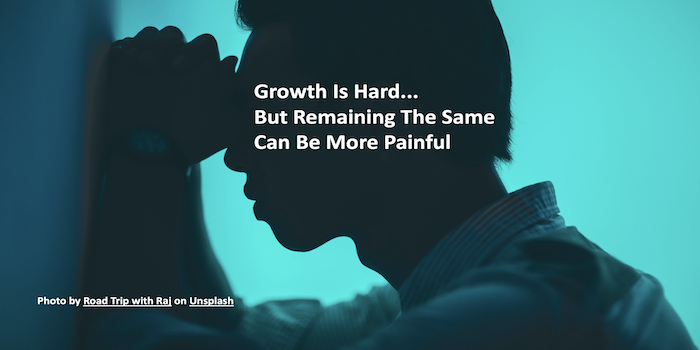
The overarching lesson from these diverse examples is that growth, whether physical, personal, or spiritual, carries an inherent price. At critical junctures, individuals are compelled to weigh the immediate pain against the potential for future gain. This decision-making process is fundamentally an act of faith.
Ahearn’s own reflection on his career, marriage, parenting, and athletic endeavors consistently leads him to the affirmative: the painful seasons of growth have always been worth the struggle. He observes that the most influential individuals are not those who have artfully avoided discomfort, but rather those who have allowed challenging experiences to serve as catalysts for profound character development.
Character Forged in Adversity: The Foundation of Lasting Influence
In the realm of influence and leadership, Ahearn’s work highlights a critical insight: people are inherently drawn to individuals whose character has been shaped by adversity. While competence may initially capture attention, it is character that ultimately cultivates trust. The synergistic combination of strong character, honed through difficult experiences, and demonstrable competence establishes individuals as credible authorities. This authentic presence, sustained consistently, forms the bedrock of lasting influence.
The process of building such character is not a one-time event; it is an ongoing cycle. Each bodybuilding competition, for instance, necessitated another demanding training phase. Every marathon required a renewed commitment to discipline. Likewise, significant breakthroughs in marital relationships invariably demand further difficult conversations and a willingness to navigate complex emotional landscapes.
The Evolving Confidence in the Face of Persistent Pain
Crucially, the pain associated with growth does not necessarily disappear with experience. What evolves is an individual’s confidence in their ability to navigate it. Through repeated cycles of challenge and perseverance, experience teaches that growth and its associated benefits lie just beyond the immediate discomfort. This learned resilience fosters a greater willingness to embrace future challenges.
The enduring relevance of Theodore Roosevelt’s "Man in the Arena" speech lies in its potent articulation of this principle. Roosevelt extols the virtues of those who dare to step into the arena, willing to risk failure, endure hardship, and persist in their endeavors. This perspective reframes defeat not as stumbling, but as the decision to abandon the pursuit of growth due to an perceived excessive cost.
The True Cost of Stagnation
In conclusion, growth is intrinsically linked to pain because it necessitates stepping outside of comfort zones and confronting challenges. However, the alternative—stagnation—carries a far greater, though often less immediately apparent, cost. The potential for personal evolution, deeper relationships, greater impact, and a more profound sense of purpose is forfeited when the fear of pain overrides the pursuit of growth.
The question that emerges from this understanding is a personal one, prompting introspection: reflecting on one’s own life journey, what season of arduous growth, which was endured despite significant pain, is ultimately a source of profound gratitude for not having quit? This reflection often reveals the transformative power of embracing discomfort as an indispensable component of a fulfilling and impactful life.
Brian Ahearn, as Chief Influence Officer at Influence PEOPLE and a faculty member at the Cialdini Institute, dedicates his work to helping individuals and organizations understand and apply the principles of ethical influence. His extensive experience as an author, TEDx presenter, international speaker, coach, and consultant provides a practical lens through which to view the complexities of human development and interaction. As one of the select few Cialdini Method Certified Trainers, personally endorsed by Robert Cialdini, Ph.D., Ahearn’s insights are grounded in the rigorous science of persuasion and influence. His publications, including the acclaimed Influence PEOPLE, Persuasive Selling, and Influenced from Above, alongside his widely viewed LinkedIn learning courses and TEDx Talk on pre-suasion, have reached hundreds of thousands globally, underscoring his commitment to disseminating knowledge that empowers individuals to achieve greater success through principled influence.
