

Google’s extensive technological roadmap for the mid-2020s reached a significant milestone in July 2026, as the company unveiled a suite of advancements ranging from specialized generative models and embodied robotics to global environmental monitoring systems. This comprehensive update reflects a strategic shift from general-purpose artificial intelligence toward "agentic" systems—AI capable of performing complex, multi-step tasks with minimal human intervention. As the industry moves beyond simple text generation, Google’s latest announcements signal an era where AI is deeply integrated into physical hardware, economic research, and large-scale crisis management.
The Evolution of Agentic Workflows: Gemini 3.6 and 3.5 Variations
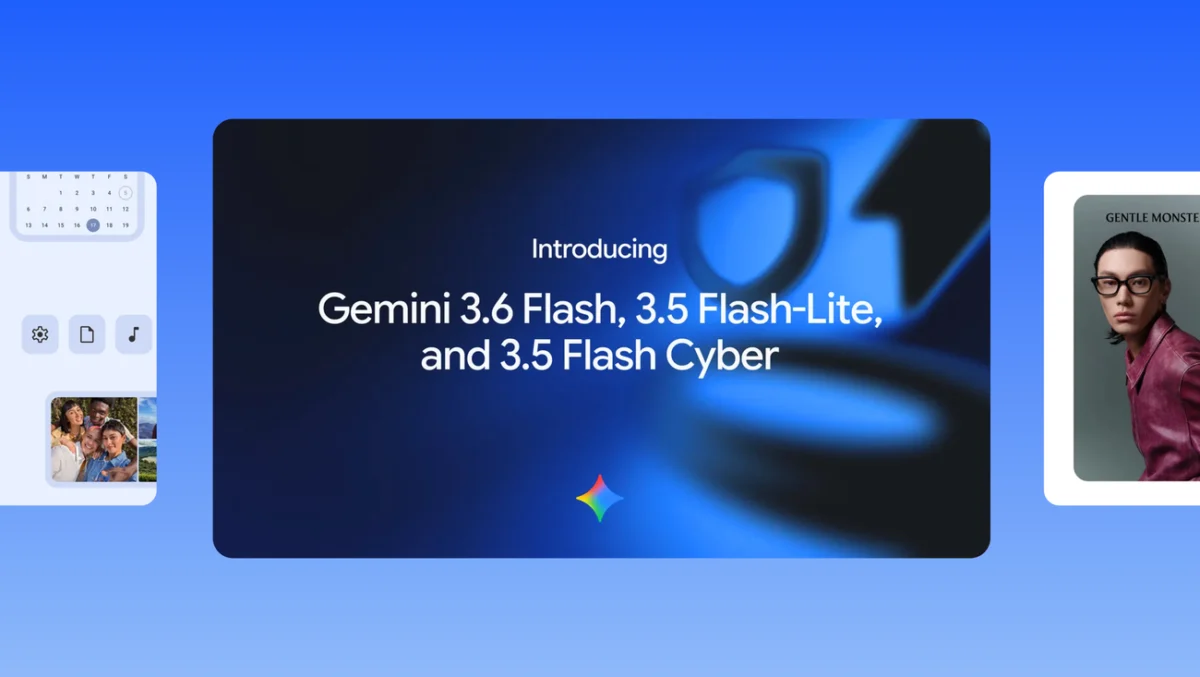
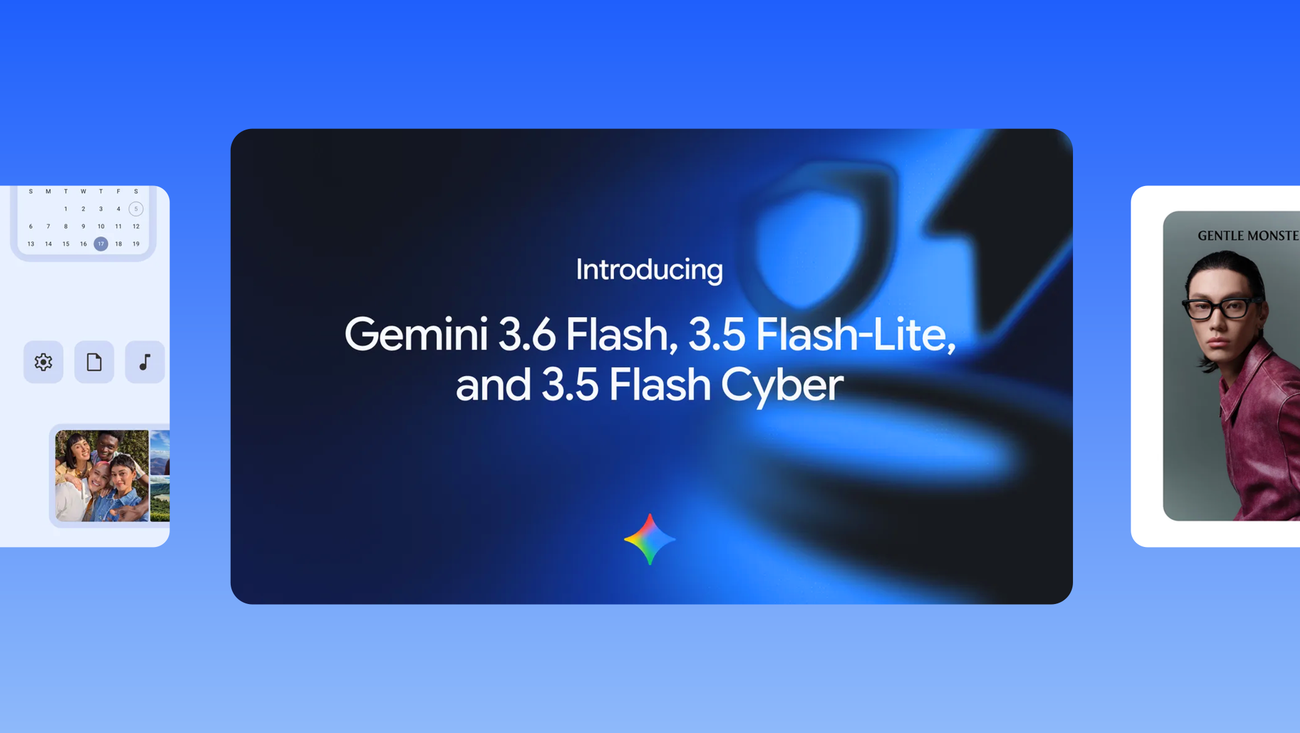
At the heart of the July updates is the introduction of three specialized Gemini models: Gemini 3.6 Flash, Gemini 3.5 Flash-Lite, and Gemini 3.5 Flash Cyber. These models represent a technical response to the growing demand for "production AI agents," which require high token efficiency and low latency to function effectively in real-time environments.
Gemini 3.6 Flash has been engineered to optimize the "sweet spot" between computational quality and speed. Unlike its predecessors, which focused on broad reasoning, the 3.6 Flash iteration is specifically tuned for agentic workflows—tasks that involve calling APIs, navigating software interfaces, and processing massive datasets without the lag typically associated with large language models.

Complementing this is the Gemini 3.5 Flash-Lite, a distilled version of the architecture designed for mobile and edge computing where power consumption and memory are constrained. Perhaps most notable for enterprise security is Gemini 3.5 Flash Cyber. This model is pre-trained on vast repositories of cybersecurity data, enabling it to assist developers in identifying vulnerabilities and automating threat responses. Industry analysts suggest that these tiered releases are a direct effort to capture the enterprise market, where "one-size-fits-all" models are increasingly seen as inefficient for specialized industrial applications.
Robotics and Embodied Reasoning: The Launch of Gemini ER 2
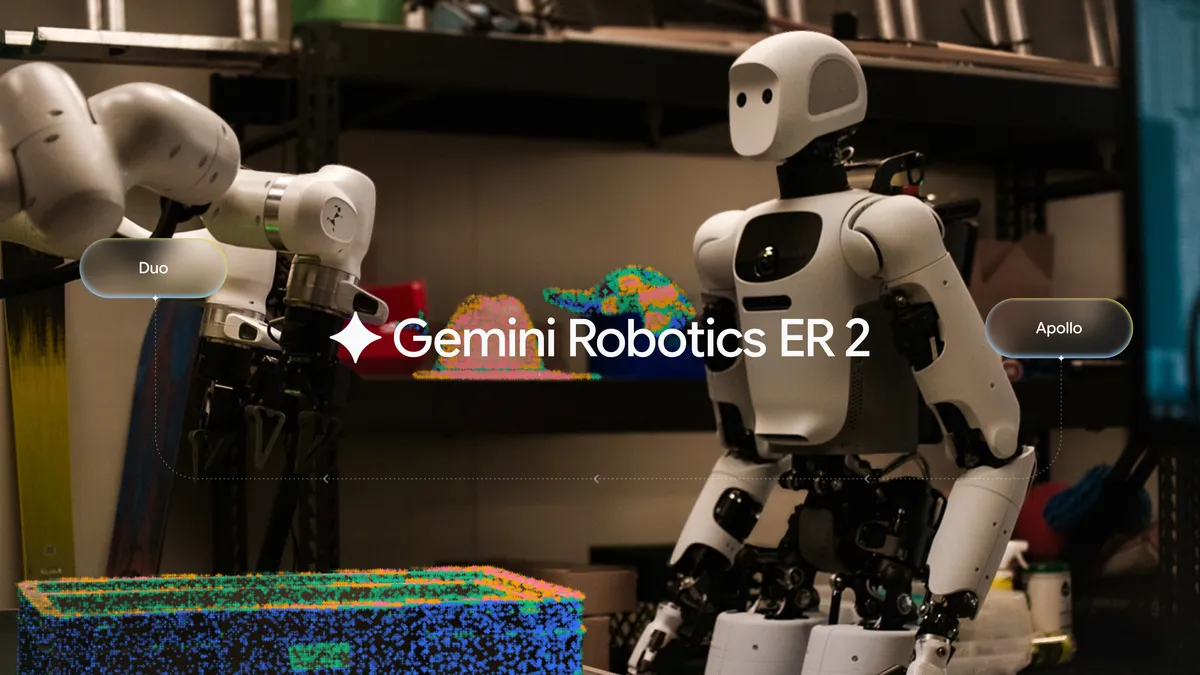
Bridging the gap between digital intelligence and the physical world, Google announced Gemini Robotics ER 2. Described as an "embodied reasoning" model, ER 2 is designed to allow robots to perceive their surroundings and interact with humans through natural language.

Historically, robotics has struggled with the "long-horizon" problem—the ability to complete a complex task that requires many smaller steps, such as "find the spilled coffee and clean it up." Gemini ER 2 addresses this by utilizing the reasoning capabilities of the Gemini 3.5 architecture to break down abstract commands into actionable physical movements. The model allows robots to navigate dynamic environments, recognize objects with high precision, and collaborate with human operators. This release is expected to accelerate the deployment of service robots in hospitality, healthcare, and logistics, where machines must handle unpredictable real-world variables.
Hardware Integration and the Android 17 Ecosystem
The July 2026 update coincided with Samsung’s Galaxy Unpacked event, where the debut of the Galaxy Z Fold8 Ultra, Z Fold8, and Z Flip8 showcased the first native integration of "Gemini Intelligence." This collaboration represents a tightening of the vertical integration between Google’s software and Samsung’s hardware.
A pivotal feature of this rollout is the new native migration experience built into Android 17. For the first time, users switching from iOS to Android can transfer a comprehensive range of data types wirelessly without the need for third-party applications. This "zero-friction" migration strategy is paired with Gemini Intelligence features that allow the operating system to proactively manage notifications, summarize cross-app communications, and offer contextual suggestions based on the user’s on-device behavior. By embedding AI at the OS level, Google aims to move away from the "app-silo" model toward a more holistic, intelligent user experience.
AI and the Global Economy: ATLAS and Skilled Trades Initiatives
Recognizing the societal anxiety surrounding AI’s impact on labor, Google released the first iteration of the AI & Economy ATLAS. This expansive, de-identified study tracks how AI is actually being utilized in professional environments. The ATLAS project aims to provide policymakers and economists with real-time data on AI’s role in productivity, job displacement, and the creation of new roles.

In a proactive move to address the labor shortage in physical industries, Google also announced the formation of the Alliance for America’s Skilled Trades. Partnering with BlackRock, Carhartt, and Ford, Google will use its AI infrastructure to scale evidence-based training programs. The alliance aims to build a robust pipeline for vocational careers, using AI-driven personalized learning to help workers master complex trades more quickly. This initiative highlights a shift in corporate social responsibility, where tech giants are increasingly involved in workforce development outside the traditional digital sector.
Creative Frontiers: Google Vids and Lyria 3.5
The creative suite also saw significant upgrades with the introduction of Gemini Omni and personal avatars within Google Vids. Gemini Omni allows users to generate high-quality video clips using conversational language, effectively lowering the barrier to entry for professional-grade video production. The personal avatar feature enables the creation of a digital likeness that can "star" in presentations or training videos, a move that is expected to revolutionize internal corporate communications.

In the realm of audio, the release of Lyria 3.5 marks a new standard for music generation. Integrated into the Google Flow Music platform, Lyria 3.5 offers enhanced control over musicality, vocal quality, and lyrical structure. Unlike earlier generative audio tools that often produced "uncanny" or disjointed sounds, Lyria 3.5 focuses on the nuances of human performance, providing creators with a sophisticated tool for scoring and song composition.
Environmental Resilience: NOAA, FireSat, and Bioresilience
Perhaps the most high-stakes announcements involved the application of AI to global crises. Google Cloud announced a deepened partnership with the National Oceanic and Atmospheric Administration (NOAA). By utilizing Google Cloud’s high-performance H4D virtual machines, NOAA is now running its numerical weather prediction models on the public cloud. This transition allows for massive simulations to be completed at unprecedented speeds, providing meteorologists with the data needed for earlier and more accurate life-saving warnings.

Simultaneously, the Earth Fire Alliance (EFA), supported by Google Research, successfully launched three new FireSat satellites from Vandenberg Space Force Base. These satellites are part of a global constellation designed to detect wildfires in their earliest stages, often before they are visible to ground-based observers. The AI onboard these satellites can distinguish between controlled burns and dangerous wildfires, relaying information to first responders in near real-time.
Furthermore, Google DeepMind and Isomorphic Labs introduced a joint bioresilience program. This initiative is designed to protect against the potential misuse of biological AI models while ensuring that legitimate researchers can use these tools to develop vaccines and treatments. The program emphasizes a "security-by-design" approach, creating a framework for how the international community can harness AI for medical breakthroughs without compromising global biosecurity.

Analysis of Implications: A Strategic Pivot Toward Utility
The breadth of the July 2026 announcements suggests that Google is no longer content with AI being a conversational novelty. The focus on "embodied reasoning" and "agentic workflows" indicates a move toward AI as a functional utility. By integrating Gemini into everything from weather satellites to skilled trade apprenticeships, Google is positioning itself as the foundational infrastructure of the AI-driven era.
Industry observers note that the collaboration with traditional industrial giants like Ford and Carhartt, alongside scientific bodies like NOAA, serves to ground Google’s AI ambitions in tangible, real-world benefits. This strategy may be an attempt to navigate the complex regulatory landscape, demonstrating that AI can be a force for public safety and economic stability rather than just a disruptor of traditional industries.

As Demis Hassabis, Co-Founder and CEO of Google DeepMind, noted in his vision for this "frontier" moment, the goal is to create systems that are not just intelligent, but also reliable and resilient. The July updates provide a clear roadmap for how Google intends to achieve that vision, blending high-level research with practical, large-scale implementation across every sector of modern life.
