


Mouth clicks, often colloquially termed "clicky mouth" or "mouth noise," represent a pervasive and often underestimated challenge for professionals in the voiceover industry. While seemingly a minor audio artifact, these unwanted sounds can significantly impact the perceived quality of a recording, leading to costly re-recordings and a diminished reputation for talent. This comprehensive analysis delves into the origins of mouth clicks, their amplification during the post-production process, and crucially, provides actionable strategies for voiceover artists to mitigate and ultimately eliminate them, ensuring cleaner, more professional audio output.
The persistent issue of mouth clicks has long been a source of frustration for both voiceover artists and their clients. Many in the industry have historically viewed these sounds as an inherent physiological byproduct, akin to a facial feature that simply must be tolerated. However, this perspective is largely inaccurate. While a minuscule percentage of individuals might experience mouth noise due to specific physiological conditions, the overwhelming majority of problematic mouth clicks stem from controllable factors, primarily related to hydration and vocal technique. The ability to edit these clicks out post-recording is a known, albeit laborious, process. However, the financial and temporal costs associated with extensive audio cleanup can be substantial, often exceeding the expense of re-recording an entire session with a new artist, as highlighted by industry anecdotes.
Deconstructing the Anatomy of a Mouth Click
At their core, mouth clicks are auditory manifestations of the interplay between the tongue, teeth, and saliva within the oral cavity during speech. These interactions can create small pops, clicks, or sticky sounds. In everyday conversation, the human ear possesses a remarkable ability to filter out these minor sonic imperfections, rendering them largely imperceptible. This natural auditory filtering mechanism is highly effective when listening to a live speaker. However, the recording and subsequent processing of audio signals introduce a critical difference.

The problem intensifies when these natural sounds are captured by a sensitive microphone and subjected to standard post-production techniques. Audio engineers frequently employ compression, a process designed to reduce the dynamic range of an audio signal – the difference between the loudest and quietest parts. This is achieved by essentially "squashing" the waveform, bringing the peaks and troughs closer together. While essential for achieving a consistent and mixable audio level, compression has a significant side effect: it amplifies all elements of the recorded sound, including the undesirable mouth clicks.
The Dehydration Dilemma: More Than Just a Dry Mouth
One of the primary culprits behind increased mouth click production is dehydration. The body’s natural saliva acts as a lubricant, facilitating smooth articulation and minimizing friction between the tongue, teeth, and palate. When the body is dehydrated, saliva production decreases, and its consistency becomes thicker and stickier. This altered saliva composition directly contributes to the formation of clicks and pops.
Factors commonly associated with dehydration and, consequently, increased mouth clicks include:
- Smoking: Nicotine and the heat associated with smoking can significantly dry out the oral cavity. Heavy smokers, in particular, often experience heightened levels of mouth noise.
- Caffeine Consumption: Beverages like coffee and tea are diuretics, meaning they promote water loss from the body. Consuming large quantities, especially in the morning, can lead to a dehydrated state conducive to clicky mouth.
- Alcohol Consumption: Alcohol is also a potent diuretic, and the common symptom of a hangover often includes significant dehydration and a resulting increase in mouth clicks.
The Paradox of Over-Hydration

Interestingly, an extreme approach to combating dehydration can also inadvertently lead to increased mouth clicks. Voiceover artists who, in an effort to hydrate, consume excessive amounts of water in a short period can end up with an overly wet mouth. The presence of a large volume of water in the mouth can impede the natural movement of the tongue and create its own set of clicking sounds as the tongue attempts to articulate speech. This highlights the importance of consistent and moderate hydration rather than sudden, large intakes.
The Amplification Effect: How Recording and Post-Production Worsen the Problem
The difference between hearing mouth clicks in everyday speech and hearing them prominently on a recording lies in the recording and post-production chain. When an audio signal is captured, it contains both the desired vocal performance and any ambient noises, including mouth clicks. The subsequent application of audio compression is where the issue is exacerbated.
Consider a typical voiceover waveform. Before compression, the mouth clicks might appear as relatively small spikes within the broader speech pattern. However, after compression, the dynamic range is reduced. The quieter parts of the waveform are boosted, and the louder parts are brought down. When the entire signal is then normalized to a standard listening level, the clicks, which were not reduced in amplitude by the compression in the same way as the speech, become significantly more prominent relative to the rest of the audio. This phenomenon is often illustrated with visual representations of waveforms, clearly demonstrating how a click that was barely noticeable in the raw recording becomes a pronounced artifact after compression and normalization.
The Criticality of Addressing Mouth Clicks at the Source
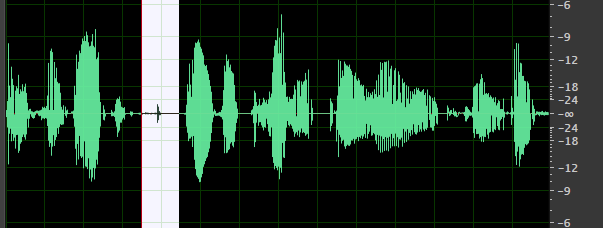
Given that the recording and post-production processes inherently amplify mouth clicks, the most effective strategy for voiceover artists is to address the problem at its origin. While editing out clicks is technically feasible, it is a time-consuming and tedious task that can significantly increase production costs and delays. Therefore, proactive measures to minimize clicks during the recording session are paramount.
Strategic Approaches to Minimizing Mouth Clicks
The following steps outline a comprehensive approach for voiceover artists to combat mouth clicks:
Step 1: Master Hydration Protocols
Proper hydration is the cornerstone of preventing mouth clicks. This involves a strategic and consistent intake of water, not a last-minute gulp.
- Pre-Session Hydration: Begin hydrating at least two hours before a recording session. The body requires time to absorb and distribute water effectively. Consuming a large volume of water immediately before a session is counterproductive, leading to an overly wet mouth and potential dehydration as the body attempts to process the excess fluid.
- The Purity of Water: When discussing hydration, the emphasis must be on pure water. Beverages containing caffeine, alcohol, dairy, or high sugar content can act as diuretics or dehydrating agents, negating the benefits of fluid intake. For instance, mistaking sugary sodas for adequate hydration is a common pitfall.
- Night Before Hydration: For early morning sessions, it is crucial to begin hydrating the night before. The body naturally loses water during sleep, and starting the day already dehydrated can make it difficult to achieve optimal hydration within the limited timeframe before a session. Professionals working on long-form projects often begin their hydration regimen the evening prior to ensure they are fully prepared for a 9 am start.
- Vocal Cord Protection: Beyond preventing clicks, adequate hydration is vital for the health of the vocal cords. These delicate mucous membranes require lubrication to vibrate efficiently. Dehydration leads to increased friction, potentially causing hoarseness, a deeper vocal tone, and discomfort, akin to the vocal strain experienced by individuals with severe hangovers.
Step 2: Optimize Microphone Placement and Vocal Projection
The distance from the microphone and the volume at which one speaks play a significant role in the perceived level of mouth noise.
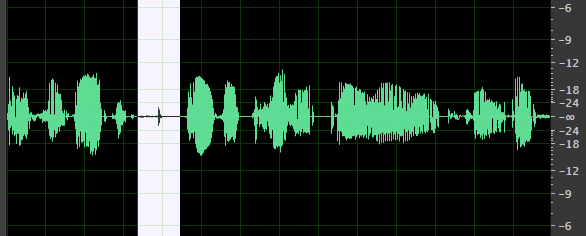
- The Inverse Relationship: Consider the acoustic principles at play. Shouting from a distance minimizes the audibility of subtle mouth noises because the primary vocal signal is overwhelmingly louder. Conversely, whispering into a microphone at extremely close range will amplify even the slightest mouth click because the desired vocal signal is weak.
- Controlling Input Gain: In a recording scenario, the microphone’s input gain is adjusted to achieve an optimal recording level. If an artist is positioned very close to the microphone and speaking softly, a higher input gain is required. This boosts not only the quiet dialogue but also the ambient noise floor and any mouth clicks, making them comparatively louder. Conversely, positioning oneself further from the microphone (typically 7-8 inches) and projecting slightly louder than normal speech allows for a lower input gain, resulting in a stronger vocal signal and a comparatively quieter noise floor and fewer perceptible clicks.
- The Proximity Effect Trade-off: For specific commercial applications that require a close-mic, bass-proximity effect, artists must accept the inevitable increase in post-production editing needed to manage mouth clicks. This is a direct trade-off for achieving a particular sonic texture.
Step 3: Maintain Hydration During Sessions
The act of speaking itself leads to dehydration. During a voiceover session, the constant use of vocal cords can deplete the mouth’s natural lubrication.
- Continuous Sipping: Voiceover artists must actively maintain hydration throughout a recording session. This involves regular sipping of water. A professional approach involves taking a small sip of water every 10-15 lines of dialogue. While this may necessitate more frequent breaks for restroom use, it is a crucial practice for maintaining vocal quality and preventing clickiness.
- Studio Environment Considerations: Modern recording studios often feature air conditioning, which can further dry out the air and contribute to vocal dehydration. Consistent hydration is therefore even more critical in these environments.
- The Mark of a Professional: A voiceover artist who arrives at a session prepared with a bottle of water is demonstrating professionalism and an understanding of the technical demands of the craft. Conversely, a lack of readily available water can be a sign of inexperience or a lack of preparedness.
Step 4: Re-evaluating Traditional Remedies
The notion of consuming a green apple to eliminate mouth clicks is a widely circulated anecdote. The acidic nature of green apples, and other citrus fruits, can indeed help to cleanse the mouth and reduce the stickiness of saliva. However, relying on such remedies is a superficial solution.
- Addressing the Root Cause: While acidic foods might offer temporary relief by altering the mouth’s pH and consistency, they do not address the underlying issue of dehydration. The effectiveness is fleeting, and the problem will likely resurface as the mouth returns to its natural state.
- Focus on Sustainable Solutions: The most effective and sustainable approach to eliminating mouth clicks lies in consistently implementing the three core strategies: proper hydration, optimized microphone technique, and continuous sipping during sessions. These methods address the physiological and technical factors contributing to the problem.
- The Hangover Exception: In rare instances, such as severe hangovers, the dehydration and physiological state can be so extreme that traditional remedies might offer a marginal, albeit temporary, benefit. However, for artists striving for consistent professional quality, these are not reliable long-term solutions. The focus must remain on diligent preparation and session management.
Broader Implications for the Voiceover Industry
The pervasive nature of mouth clicks has significant implications for the voiceover industry. Clients, particularly those in advertising and corporate narration, often have stringent quality control standards. A voiceover artist who consistently delivers recordings riddled with mouth clicks risks damaging their reputation and losing potential work. The cost of extensive post-production cleanup can deter clients from engaging talent known for this issue, opting instead for artists who can deliver cleaner raw audio.
Furthermore, the need for vocal coaches and audio engineers to spend valuable time addressing or rectifying mouth clicks detracts from other aspects of audio production and client service. By mastering the techniques to minimize these clicks at the source, voiceover artists not only enhance their own professionalism but also contribute to a more efficient and cost-effective production pipeline for their clients. The ability to consistently deliver clean, click-free audio is a powerful differentiator in a competitive market, underscoring the importance of understanding and implementing these fundamental vocal production principles.
