

When delivering voiceover dialogue, achieving a natural and engaging "flow" is paramount to effective communication. However, a common pitfall, particularly for those new to the industry, known as "blocking," can severely hinder this crucial element. This phenomenon, characterized by unnatural pauses and a disjointed delivery, impedes listener comprehension and engagement. Understanding the mechanics of voiceover flow and identifying the causes and solutions for blocking is essential for any professional voice actor aiming for polished and impactful performances.
Defining Voiceover Flow and the Problem of Blocking
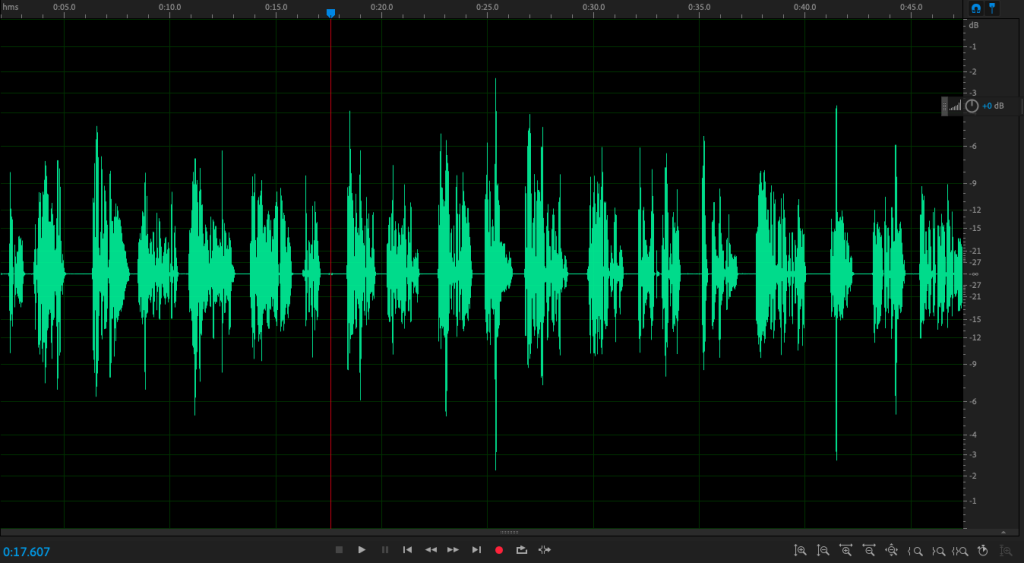
Voiceover flow refers to the rhythm, pacing, and natural cadence of spoken dialogue. It’s the seamless transition between words, phrases, and sentences that mirrors organic human conversation. When this flow is disrupted, it creates what is termed "blocking." This term originates from the visual representation of audio waveforms, where blocking manifests as distinct, unnatural gaps or "blocks" of silence interrupting the vocal signal. These abrupt pauses create a staccato, disjointed listening experience, forcing the audience to actively wait for the next segment of speech, which can be fatiguing and detrimental to the overall message.
In contrast, dialogue exhibiting good flow appears smooth and continuous, even with natural breaths and intentional pauses. This is often visualized in waveforms as a more consistent, albeit varied, pattern of sound, sometimes described metaphorically as "hairy caterpillars" due to their undulating, organic appearance. This natural rhythm allows listeners to absorb information effortlessly, maintaining their interest and making the spoken content more accessible and pleasurable.

The Nuances of Natural Human Conversation
To appreciate the ideal of voiceover flow, it’s instructive to consider the patterns of natural human conversation. When individuals engage in dialogue, their speech is rarely perfectly uniform. It’s punctuated by subtle hesitations, brief moments of thought, and the natural rhythm of breathing. These elements, far from being detrimental, contribute to the authenticity and relatability of the exchange. A recorded conversation, when analyzed, reveals a dynamic interplay of sound and silence, where pauses serve communicative purposes – allowing for emphasis, processing, or anticipation. The key distinction lies in the organic, unforced nature of these pauses, which are integrated seamlessly into the speech pattern.
The Impact of Genre on Voiceover Flow
The desired voiceover flow is not a one-size-fits-all concept. The specific genre of the voiceover project significantly influences the ideal pacing and rhythm. For instance, character work in animation often demands dynamic and varied deliveries, with rapid-fire dialogue interspersed with dramatic pauses. Corporate narration, on the other hand, typically requires a more measured and authoritative tone, emphasizing clarity and precision. E-learning modules necessitate a clear, educational pace, ensuring comprehension without overwhelming the learner. Therefore, a skilled voice actor must adapt their delivery to suit the context, maintaining appropriate pace and space for the listener while ensuring consistent engagement. This might involve employing techniques to "humanize" the delivery, adding subtle inflections and natural breaths that resonate with the audience, or conversely, adopting a more direct and concise approach when the project demands it.
Understanding the Root Causes of Blocking
Blocking most frequently emerges among individuals new to the voiceover profession, though it is not exclusively confined to them. Several factors contribute to its occurrence:

- Over-reliance on Scripted Pauses: Newcomers may rigidly adhere to punctuation marks (periods, commas) as definitive cues for stopping entirely, rather than using them as guides for natural phrasing. This can lead to unnatural, abrupt breaks.
- Lack of Awareness of Vocal Cadence: Without a deep understanding of conversational rhythm, performers may speak in a series of disconnected utterances rather than a flowing stream.
- Fear of Silence or Hesitation: Some performers may feel compelled to fill every moment with sound, leading to rushed speech and a lack of breathing room. Conversely, others might overcompensate for perceived flaws by inserting overly long, awkward silences.
- Inadequate Breath Control: Poor breath management can result in performers running out of air mid-sentence, leading to abrupt stops and starts.
- Technical Issues: In some instances, technical problems during recording, such as microphone issues or improper editing, can inadvertently create a blocked waveform, though this is distinct from performance-based blocking.
- Misinterpretation of Direction: A misunderstanding of directorial notes regarding pacing or tone can sometimes lead to a blocked delivery if the actor overemphasizes certain instructions.
The Opposite Extreme: Over-Editing and Excessive Pace
Just as blocking creates an unnatural staccato, the opposite extreme – an overly edited or excessively fast-paced delivery – is equally detrimental. This occurs when dialogue is compressed to the point where the listener has insufficient time to process the information. Imagine a local radio advertisement where a verbose script is crammed into a tight time slot. The result is often a rapid-fire monologue that leaves the listener confused and disengaged, unable to retain any of the key messages. This is often characterized by a "total lack of space" for the listener to digest what has been said, leading to information overload. The fundamental principle is that effective communication requires not only clarity of speech but also adequate temporal space for comprehension.
When Blocking Can Be a Conscious Artistic Choice
While generally considered a flaw, blocking can, in specific contexts, be a deliberate artistic choice. For example:
- Portraying Specific Emotional States: A character experiencing extreme anxiety, shock, or disorientation might intentionally deliver dialogue in a fragmented, blocked manner to convey their internal turmoil.
- Stylized Performances: Certain genres or performance styles, such as avant-garde theatre or experimental voice acting, might incorporate staccato or intentionally disjointed speech patterns for artistic effect.
- Representing Non-Human Entities: Robots or alien beings with unnatural vocalization patterns might be portrayed using a blocked delivery.
- Specific Sound Design Choices: In some audio dramas or video games, intentional "glitches" or interruptions in vocal delivery might be used to create a unique sonic texture or represent technological malfunctions.
In these instances, the voiceover artist is making a conscious decision to deviate from natural flow for expressive purposes. The critical distinction is awareness and intent. A professional artist making a choice understands the implications of their delivery and employs it strategically.
Strategies for Rectifying and Preventing Blocking
Fortunately, addressing and preventing blocking is achievable with focused practice and a heightened awareness of vocal delivery. Key strategies include:
- Active Listening and Analysis: Regularly listen to natural conversations, podcasts, and audiobooks, paying close attention to the rhythm, pacing, and use of pauses. Analyze professional voiceovers that exhibit excellent flow.
- Script Analysis: Before recording, thoroughly analyze the script. Identify natural places for breaths and phrasing. Understand the emotional arc and intent of the dialogue to inform pacing.
- Practice with Micro-Pauses: Instead of creating large, abrupt silences, practice incorporating very short, natural hesitations (micro-pauses) between phrases or clauses. These should feel organic, not forced.
- Breath Control Exercises: Develop strong breath control techniques to ensure a consistent and manageable air supply throughout sentences, preventing the need for abrupt stops.
- Focus on Phrasing, Not Just Words: Think in terms of delivering complete thoughts or phrases rather than individual words. This encourages a more connected and flowing delivery.
- Record and Review: Regularly record practice sessions and critically review them, specifically listening for unnatural pauses and disjointed sections. Use audio editing software to visualize waveforms and identify blocking.
- Seek Professional Feedback: Work with a voiceover coach or experienced mentor who can identify blocking and provide targeted exercises and guidance.
- Embrace Natural Pauses: Understand that natural pauses for thought or breath are not flaws but essential components of human speech. Learn to embrace them as part of the performance.
- Varying Pace Intentionally: Practice varying the pace of your delivery deliberately – speeding up for excitement, slowing down for emphasis. This builds flexibility and control.
Conclusion: The Artist’s Control Over Vocal Delivery
Ultimately, the responsibility for effective voiceover delivery rests with the professional artist. The ability to choose how to present dialogue – whether fast-paced, staccato, or naturalistic – is a testament to their skill and understanding. When these choices are made consciously, with a deep comprehension of how the listener will perceive the message and how to maintain engagement, the performance is likely to be successful. The issue arises not from the chosen delivery style itself, but from a lack of awareness or control over these vocal tools. By diligently practicing techniques to cultivate natural flow and actively working to eliminate unintentional blocking, voiceover artists can elevate their performances, ensuring their voices resonate clearly and compellingly with their intended audience. The mastery of vocal flow, including the understanding and prevention of blocking, is a continuous journey of learning and refinement, crucial for sustained success in the dynamic world of voiceover.
