

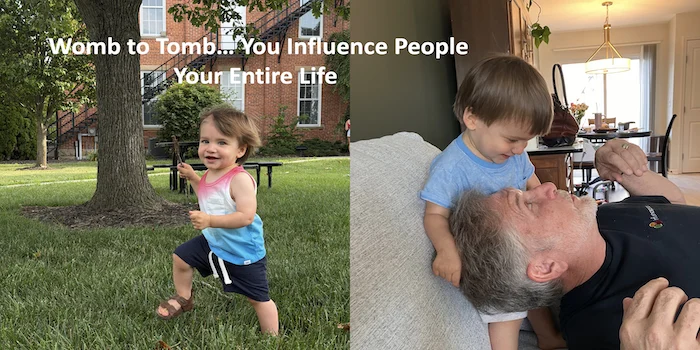
Influence is not a niche skill reserved for salespeople or charismatic leaders; it is an intrinsic human capability, a fundamental aspect of our existence that shapes our interactions from the earliest moments of life to its final stages. This pervasive nature of influence, often underestimated and frequently misunderstood, underscores its critical role in both professional success and personal fulfillment. As explored by leading experts in the field, mastering ethical influence is not about manipulation, but about effective communication that fosters mutual understanding and positive outcomes.
The ubiquitous presence of influence in daily life is staggering. Research cited by Dan Pink in his seminal work, To Sell Is Human, reveals that the average American worker dedicates approximately 40% of their workday to persuading, convincing, or influencing others. This figure, remarkable in itself, excludes the direct activities associated with sales. For professionals in sales roles, this percentage is invariably higher, highlighting influence as a core competency across a vast spectrum of occupations. This data suggests that the ability to connect, persuade, and drive agreement is not an optional add-on but a foundational requirement for professional efficacy in the modern economy.
The Genesis of Influence: A Newborn’s Silent Symphony
The innate capacity for influence is vividly demonstrated from the very first days of life. Consider the experience of a newborn, like Emmett, who at just 17 months old, entered the world on March 14, 2025, equipped with no verbal language. Yet, Emmett possessed an immediate and profound ability to influence his caregivers. His cries, whether signaling hunger, fatigue, discomfort, or a desire for physical closeness, served as a powerful communication tool. His parents, grandparents, and other family members were compelled to interpret these signals, identify his needs, and respond accordingly. This process, while seemingly basic, is a sophisticated form of influence, wherein the infant successfully alters the thoughts, feelings, and crucially, the behaviors of those around him. This early stage of life establishes a fundamental principle: influence is about eliciting a desired response from another individual.
Evolving Influence: From Cries to Signs and Beyond
As Emmett matured, his methods of influence evolved alongside his developing communication skills. His mother, Abigail, a college student majoring in American Sign Language (ASL), proactively introduced him to simple signs. This early intervention provided Emmett with a more nuanced and direct means of expressing his needs. For instance, when faced with frustration, Abigail can now ask, "Do you want more?" and Emmett can respond with the sign for "more." Similarly, if he encounters a challenge, the question, "Do you need help?" elicits the sign for "help." This transition from instinctual crying to learned communication through sign language demonstrates a significant advancement in his ability to influence. It allows for greater clarity and efficiency in meeting his needs, a sentiment familiar to any parent who has navigated the complexities of raising children. This development underscores a critical aspect of influence: it is a skill that can be taught, learned, and refined, leading to more effective and less taxing interactions.
The Ethical Compass of Influence
The observation of Emmett’s growing influence capabilities provides a crucial insight: influence is not inherently manipulative. Instead, it is a form of communication with a clear purpose. Its essence lies in effectively conveying one’s needs, values, or beliefs to others in a manner that facilitates their understanding and enables them to make informed decisions. This distinction is vital. Ethical influence aims to foster collaboration and mutual benefit, rather than coercion or deception. It is about building bridges of understanding, ensuring that requests are understood and that responses are based on genuine comprehension. This principle extends far beyond childhood, permeating every facet of adult life.
Influence in the Twilight Years: A Legacy of Presence
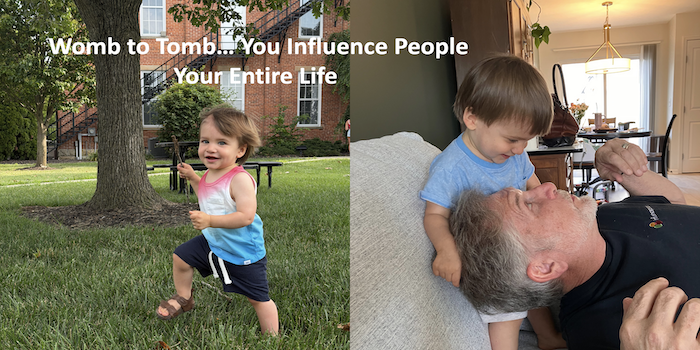
The enduring nature of influence is poignantly illustrated in the final stages of life. The recent passing of Jane’s father, just months shy of his 99th birthday, serves as a powerful testament to this. As his physical strength waned and his ability to speak diminished, his influence did not cease. Instead, it transformed. His expressions, gestures, his very presence, and the palpable love he exuded continued to shape the emotional landscape of his family. Even in profound physical limitation, his essence communicated a powerful message of connection and enduring affection. This example highlights that influence is not solely reliant on verbal articulation or overt action; it can be conveyed through a myriad of subtle, yet potent, channels, leaving a lasting impact on those around us.
The Universal Quest for "Yes"
This profound and universal presence of influence leads to a fundamental question: "Wouldn’t you agree; much of your professional success and personal happiness depends on hearing ‘yes’?" This rhetorical question, posed by experts in influence, directly addresses the core of human aspiration. Whether leading a team, serving customers, nurturing a family, negotiating a business deal, or simply strengthening personal relationships, the ability to gain affirmative responses is intrinsically linked to achieving desired outcomes and fostering contentment. The pursuit of "yes" is not a selfish endeavor but a fundamental driver of progress and connection.
The Science and Practice of Ethical Influence
The recognition of influence as a pervasive and essential human skill has led to the development of rigorous scientific inquiry and practical application. The work of Dr. Robert Cialdini, a preeminent social psychologist, has been foundational in this field. His research, detailed in books like Influence: The Psychology of Persuasion, has identified key principles that govern how people make decisions and respond to requests. These principles, including reciprocity, commitment and consistency, social proof, authority, liking, and scarcity, provide a framework for understanding and ethically applying influence.
Brian Ahearn, a recognized authority in ethical influence and a certified Cialdini Method trainer, has dedicated his career to translating these scientific principles into actionable strategies for individuals and organizations. His mission, embodied by the organization Influence PEOPLE, is to empower others to communicate more effectively and achieve positive outcomes through ethical means. This mission is executed through a variety of platforms, including books, LinkedIn Learning courses, articles, keynote presentations, and workshops. Ahearn’s approach emphasizes that ethical influence is not about manipulation or exploiting psychological vulnerabilities, but about fostering genuine understanding and creating win-win scenarios.
Strategic Applications and Broader Implications
The implications of mastering ethical influence are far-reaching. In the professional realm, it translates to:
- Enhanced Leadership: Leaders who understand influence can inspire greater commitment, drive innovation, and build more cohesive teams. By effectively communicating vision and fostering buy-in, they can navigate complex organizational challenges with greater success.
- Improved Customer Relationships: Businesses that prioritize ethical influence can build stronger, more loyal customer bases. By understanding customer needs and communicating value propositions effectively, they can foster trust and long-term partnerships.
- Effective Negotiation: In any negotiation, whether for a business contract or a personal agreement, the principles of influence can lead to mutually beneficial outcomes, avoiding adversarial approaches that can damage relationships.
- Stronger Interpersonal Connections: On a personal level, ethical influence allows individuals to navigate family dynamics, friendships, and community interactions with greater empathy and effectiveness, leading to richer and more fulfilling relationships.
The modern business landscape, characterized by increasing complexity and rapid change, demands a sophisticated understanding of human interaction. The ability to ethically influence others is no longer a soft skill but a critical competency that differentiates successful individuals and organizations from those that struggle.
The Future of Influence: A Call to Action
The journey of influence, from the first cry of a newborn to the final moments of a life well-lived, is a continuous thread in the human experience. The good news is that this powerful capacity can be honed and directed towards positive ends. By understanding the science behind influence and committing to ethical practices, individuals and organizations can unlock their potential for greater success and deeper connections.
For those seeking to enhance their ability to achieve positive outcomes and foster stronger relationships, the expertise offered by professionals like Brian Ahearn and organizations like Influence PEOPLE provides a clear pathway. Engaging in conversations about applying these principles can lead to tangible improvements, enabling individuals and their organizations to hear "yes" more often, not through manipulation, but through genuine understanding and shared value. The ongoing dialogue about when and how we first recognized the pervasive nature of influence in our own lives further enriches our collective understanding of this fundamental human art.
