

In the evolving landscape of pediatric healthcare, picture books have emerged as indispensable tools within early intervention speech therapy (EIST), fundamentally supporting and enhancing language acquisition and communication skills in young children. These carefully selected literary resources are not merely entertainment; they are meticulously integrated into therapeutic regimens to address specific speech and language goals, transforming therapy sessions into engaging, multi-sensory learning experiences for infants, toddlers, and preschoolers. The profound impact of these seemingly simple texts extends beyond vocabulary building, fostering crucial cognitive, social, and emotional development during a child’s most formative years.
The Crucial Role of Early Intervention in Speech and Language Development

Early intervention speech therapy is a proactive, multidisciplinary approach designed to address identified speech and language difficulties in young children from birth to approximately three years of age. This critical period, characterized by rapid brain development and language acquisition, presents a unique window of opportunity to mitigate developmental delays and disorders. The overarching aim of EIST is to support and enhance a child’s emergent communication abilities, thereby maximizing their developmental potential and setting a robust foundation for future learning and social interaction.
Identification of speech and language delays can occur through various channels, including routine pediatric screenings, parental observations, or referrals from other healthcare professionals. Once a delay is suspected, a comprehensive assessment by a qualified speech-language pathologist (SLP) is initiated to pinpoint specific areas of challenge, such as articulation difficulties, expressive or receptive language deficits, pragmatic (social) communication issues, or fluency disorders. Timely recognition and intervention are paramount, as untreated communication delays can cascade into broader developmental challenges, affecting literacy, academic performance, and peer relationships.
A hallmark of effective EIST is the active involvement of families and caregivers. Speech therapists work collaboratively with parents to design individualized treatment plans that seamlessly integrate therapeutic strategies into daily routines. This family-centered approach empowers caregivers to become primary facilitators of their child’s language development, ensuring consistent practice and generalization of skills in naturalistic settings. This partnership is crucial, as the most significant learning often occurs outside formal therapy sessions within the child’s everyday environment.
Unpacking the Therapeutic Power of Picture Books
The strategic incorporation of picture books into speech therapy sessions offers a myriad of benefits, making them powerful conduits for addressing complex speech and language goals. Their structured yet flexible format allows SLPs to target multiple objectives simultaneously, from foundational pre-linguistic skills to advanced narrative abilities.
1. Promoting Language and Vocabulary Development:
Picture books serve as rich linguistic environments, exposing children to a vast array of words, sentence structures, and grammatical concepts. Through shared reading, SLPs and caregivers can introduce new vocabulary in context, facilitating deeper comprehension and retention. The repetitive nature of many early childhood books reinforces word recognition and encourages expressive language, as children begin to anticipate and vocalize familiar phrases. Studies consistently demonstrate a strong correlation between early exposure to diverse vocabulary through books and later language proficiency. Beyond simple naming, books allow for the exploration of semantic categories, antonyms, synonyms, and descriptive language, enhancing a child’s ability to articulate their thoughts and understand complex ideas.
2. Enhancing Storytelling and Narrative Skills:
Engaging with narrative picture books is fundamental for nurturing storytelling abilities, a critical component of effective communication and cognitive development. As children follow plots, identify characters, understand settings, and track sequences of events, they internalize the structure of a story. This foundational understanding of narrative elements—beginning, middle, and end; cause and effect; problem and resolution—is essential not only for conversational coherence but also for academic success, particularly in literacy and comprehension. SLPs utilize books to model narrative construction, encourage retelling, and prompt children to predict outcomes, thereby strengthening their ability to organize thoughts and convey information logically.
3. Stimulating Imagination and Creativity:
Picture books transport children to imaginative worlds, fostering creativity, abstract thinking, and problem-solving skills. By visualizing scenes, characters, and events described or depicted in books, children develop a robust capacity for mental imagery. This process encourages expressive language as they describe what they see, imagine, and feel, promoting descriptive skills and the ability to articulate complex thoughts. Imagination is also closely linked to cognitive flexibility, allowing children to consider different perspectives and outcomes, which is vital for social interaction and adaptive behavior.
4. Fostering Social-Emotional Development and Pragmatic Skills:
Beyond language mechanics, books are powerful tools for teaching social-emotional intelligence. Stories often feature characters experiencing a range of emotions, navigating social dilemmas, and forming relationships. Through guided discussion, SLPs can help children identify and label emotions, understand social cues, and develop empathy. This directly addresses pragmatic communication goals, which involve understanding and using language appropriately in social contexts. Discussions around character motivations and consequences of actions can significantly enhance a child’s social problem-solving abilities.
5. Developing Attention and Joint Attention:
Interactive reading sessions inherently promote joint attention, the shared focus of two individuals on an object or event. This skill is a foundational prerequisite for language learning and social interaction. The engaging nature of picture books, combined with an SLP’s interactive reading style, helps children sustain attention, follow visual cues, and engage in shared experiences, all of which are critical for absorbing and processing linguistic information.
6. Supporting Phonological Awareness and Articulation:
Many picture books, especially those designed for younger children, incorporate rhyme, alliteration, and repetitive sounds. These features are invaluable for developing phonological awareness—the ability to recognize and manipulate the sound structure of spoken language. SLPs can use these books to target specific speech sounds, practice articulation, and enhance a child’s auditory discrimination skills, laying crucial groundwork for literacy.
7. Facilitating Parental Engagement and Home Practice:
The use of picture books naturally extends therapy into the home environment. SLPs can train parents and caregivers on effective reading strategies, such as asking open-ended questions, pausing for child responses, expanding on child utterances, and modeling target language. This empowers families to continue language-rich interactions, maximizing the child’s progress and integrating therapeutic goals into everyday routines.
Selection Criteria for Early Intervention Picture Books
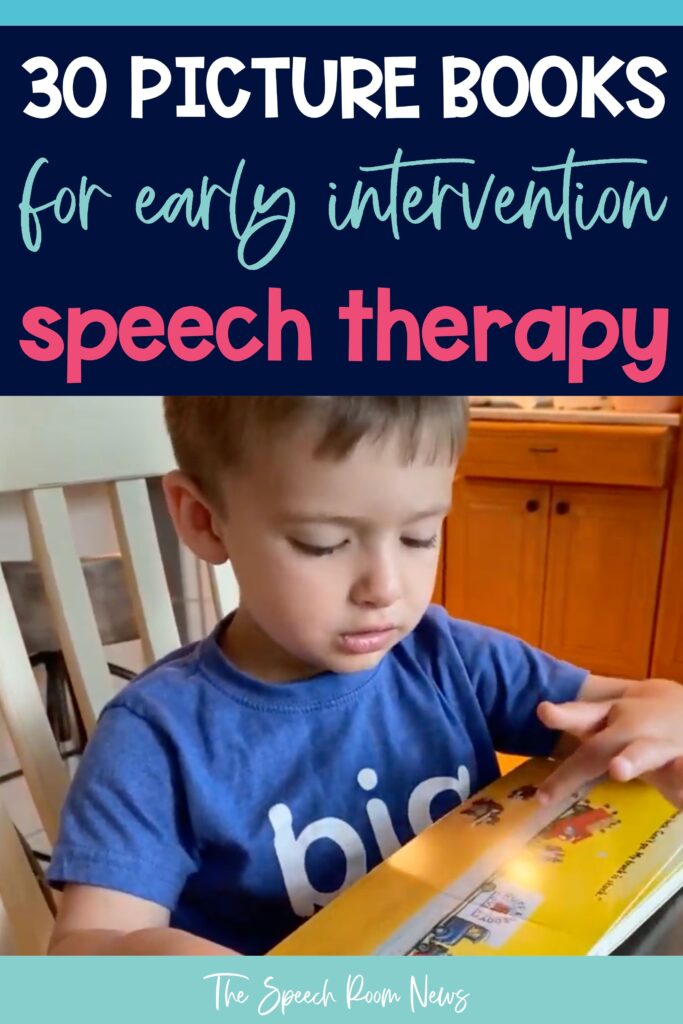
The effectiveness of picture books in EIST hinges on their careful selection, aligning specific book characteristics with therapeutic goals and the child’s developmental stage. While a comprehensive list of 30 specific titles is often curated by individual practitioners, general categories and features are universally valued.
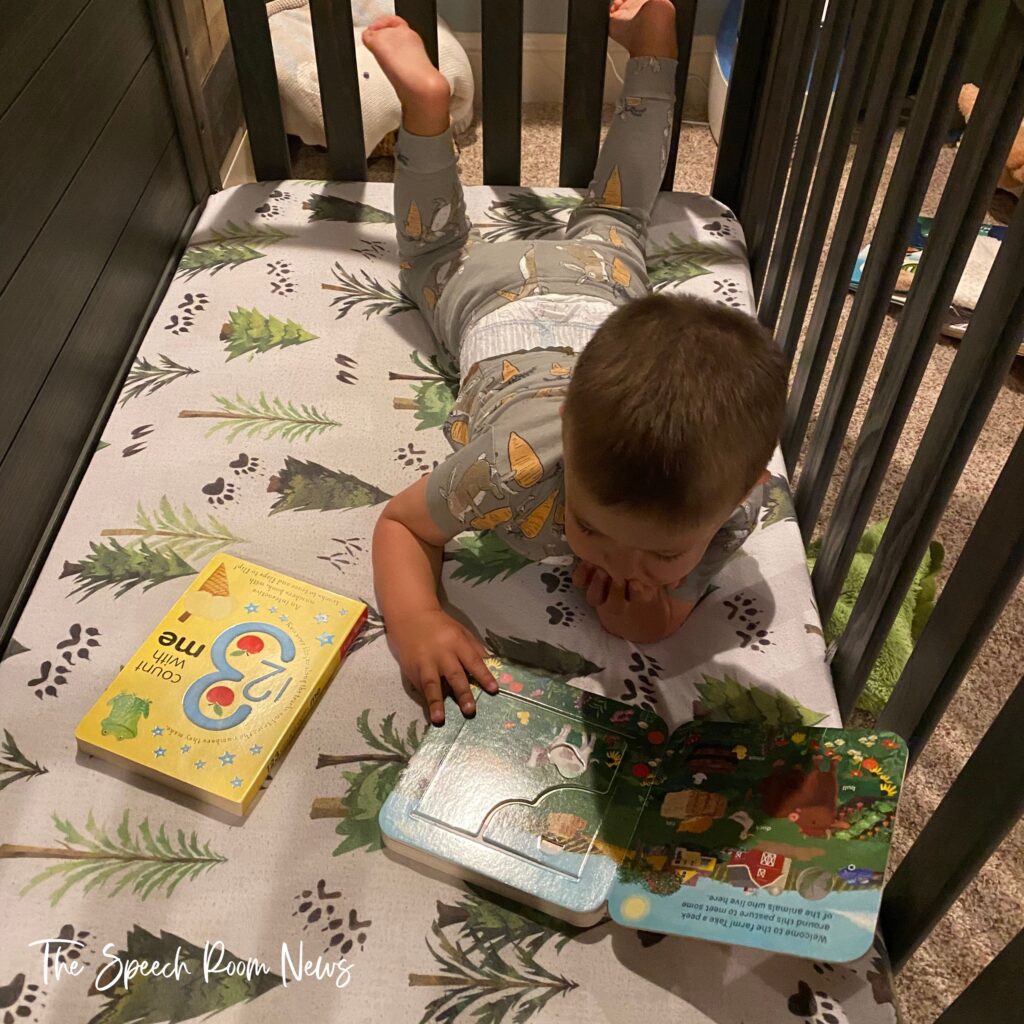
Interactive Books: These books are designed to encourage active participation from the child. Features like lift-the-flaps, peek-a-boo elements, textured pages (touch-and-feel books), or sound buttons capitalize on children’s natural curiosity and desire for sensory engagement. They provide valuable opportunities to increase attention span, promote cause-and-effect understanding, and introduce early vocabulary related to objects, actions, and sensations. The tactile and auditory feedback can be particularly beneficial for children with sensory processing differences, making learning more accessible and enjoyable.
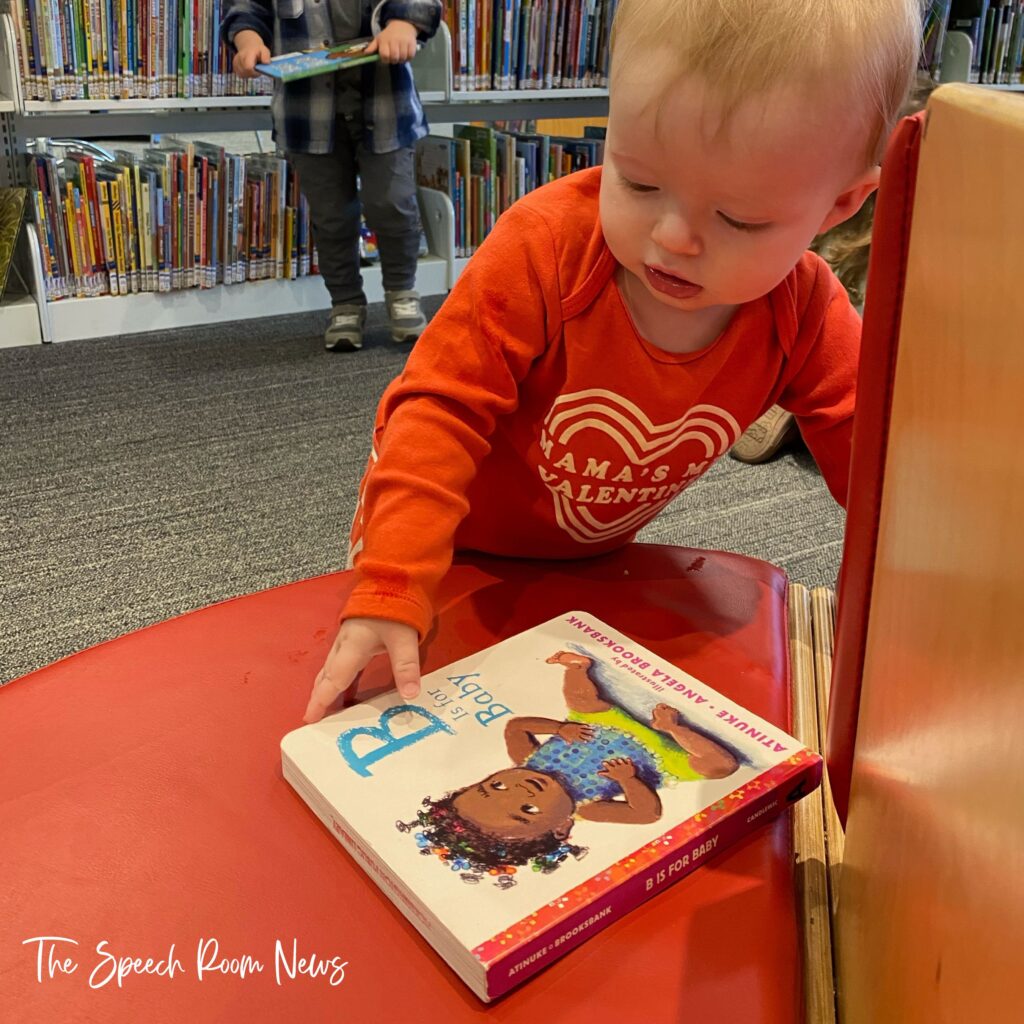
Durable Books (Board Books): For the birth-to-three age group, durability is paramount. Board books, with their thick, sturdy pages, are designed to withstand the vigorous handling characteristic of toddlers—chewing, bending, and dropping. This robustness allows children to explore books independently without fear of damage, fostering early book-handling skills and a positive association with reading. Their simple, often repetitive text and clear, engaging illustrations are ideal for reinforcing concepts and encouraging early vocalizations. Many board books also lend themselves well to incorporating songs and chants, adding another layer of auditory engagement.
Repetitive Text Books: Books with predictable, repetitive phrases or refrains are excellent for building memory, anticipation, and expressive language. Children quickly learn the recurring lines and can "read" along, boosting their confidence and encouraging vocal participation. This predictability also aids in phonological awareness, as children become attuned to patterns in language.
Concept Books: Focusing on colors, shapes, numbers, animals, or everyday objects, concept books are fundamental for building foundational vocabulary and categorical understanding. They provide clear, isolated examples that are easy for young children to grasp and label, forming the building blocks of semantic knowledge.
Wordless Picture Books: These books, while seemingly simple, are incredibly powerful for developing narrative skills. Without text, children are encouraged to "tell the story" based on the illustrations, fostering imagination, sequencing abilities, and expressive language. SLPs can guide children through the visual narrative, prompting them to describe events, infer feelings, and predict outcomes.
High-Contrast Books: Especially beneficial for infants and very young toddlers, high-contrast books (often black and white or vibrant colors) capture attention and support visual development. They can be used to promote early visual tracking and joint attention, forming the earliest steps in shared reading experiences.
The Broader Impact and Implications of Early Literacy in EIST

The commitment to incorporating picture books into early intervention speech therapy carries significant broader implications for child development and public health. Research consistently highlights the long-term benefits of successful early intervention, which extend far beyond immediate communication improvements. Children who receive timely and effective EIST are more likely to achieve academic success, develop strong social skills, and maintain positive self-esteem.
Economically, early intervention is often more cost-effective than later remedial services. Addressing speech and language delays in the preschool years can prevent the need for more intensive, expensive interventions during school age, such as special education services or prolonged therapy. This underscores the importance of public health initiatives that promote early screening and access to high-quality EIST programs.
Moreover, the emphasis on shared reading through picture books fosters a culture of literacy within families. When parents are equipped with the knowledge and tools to engage their children with books, they create language-rich home environments that promote lifelong learning. This partnership between SLPs and families ensures that the benefits of therapy are sustained and amplified in the child’s daily life, making the picture book a crucial bridge between clinical intervention and everyday developmental support.

In conclusion, picture books are far more than simple story vessels in early intervention speech therapy; they are dynamic, multi-functional therapeutic instruments. Their capacity to promote language, nurture narrative abilities, ignite imagination, and facilitate social-emotional growth makes them indispensable for speech-language pathologists. By thoughtfully integrating these powerful resources, therapists not only foster essential communication skills but also lay a robust foundation for holistic child development, setting children on a path toward lifelong learning and successful interaction with the world around them.
