


Curriculum Night, a cornerstone event in the academic calendar, offers a unique and invaluable platform for Speech-Language Pathologists (SLPs) to forge essential connections with parents, illuminate the intricate scope of their work, and provide a transparent glimpse into the world of speech and language therapy. This evening, traditionally focused on general classroom curricula, has evolved to encompass the holistic educational experience, making the active participation of specialized support professionals, particularly SLPs, not just beneficial but imperative for fostering a truly inclusive and collaborative learning environment.
Background and Evolution of Curriculum Night in Modern Education
Historically, Curriculum Night served as a primary avenue for parents to meet their child’s classroom teacher, understand the academic syllabus, and grasp the expectations for the upcoming school year. Its origins lie in the desire to bridge the home-school gap, ensuring parental involvement in their children’s core academic subjects. However, the landscape of education has significantly broadened over the decades, driven by legislative mandates like the Individuals with Disabilities Education Act (IDEA) and a growing understanding of holistic child development. This shift has underscored the importance of integrating all facets of a child’s educational experience, including specialized services such as speech-language therapy, into these critical parent engagement events.
The modern Curriculum Night is no longer solely about textbooks and lesson plans; it’s about presenting a comprehensive picture of a student’s support system. For students receiving special education services, this means introducing parents not only to their general education teachers but also to the dedicated specialists who play a crucial role in their individualized educational program (IEP). This expanded scope reflects a systemic recognition that effective learning is multifaceted, requiring coordinated efforts from all professionals involved in a child’s development. The inclusion of SLPs in this context signifies a progressive movement towards greater transparency and partnership in supporting students with communication needs.

The Unique Imperative for Speech-Language Pathologists’ Engagement
For Speech-Language Pathologists, Curriculum Night presents a distinct opportunity that extends beyond general education introductions. Speech and language skills are fundamental to all aspects of learning and social interaction. Difficulties in these areas can profoundly impact a child’s academic performance, social-emotional development, and overall well-being. Therefore, ensuring parents fully comprehend the nature, goals, and methodologies of speech-language therapy is paramount.
Often, parents may hold misconceptions about speech therapy, sometimes viewing it narrowly as solely addressing articulation issues. Curriculum Night allows SLPs to demystify their profession, showcasing the breadth of their expertise, which includes addressing receptive and expressive language disorders, social communication deficits, fluency disorders (stuttering), voice disorders, and even feeding and swallowing difficulties in some settings. By explaining these complex areas in an accessible manner, SLPs can elevate parental understanding and appreciation for the vital role they play.
Early intervention is a critical component of successful outcomes in speech and language development. When parents are informed about developmental milestones and potential red flags, they can become proactive partners in identifying needs and reinforcing therapeutic strategies at home. This proactive engagement, initiated and nurtured during events like Curriculum Night, can lead to earlier referrals, more consistent home practice, and ultimately, better student progress. Data from the American Speech-Language-Hearing Association (ASHA) consistently highlights the prevalence of communication disorders in children, with approximately 1 in 12 children aged 3-17 having a disorder related to voice, speech, language, or swallowing. These statistics underscore the pervasive need for effective communication between SLPs and families.
Strategic Topic Selection: Addressing Real Parental Needs

Choosing the right topic for a Curriculum Night presentation is the cornerstone of effective engagement. The objective is not merely to inform, but to intrigue, empower, and address the genuine concerns parents may harbor regarding their child’s communication development. Experts in family engagement often suggest that topics directly addressing common parental anxieties or offering actionable home strategies tend to yield the highest engagement and leave a lasting impact.
Potential topics can be broadly categorized to cater to diverse needs:
- Developmental Milestones and Early Identification: Providing clear, age-appropriate information on speech and language milestones can help parents identify if their child’s development is on track or if concerns warrant further investigation. This can include "What to Expect at [Age]" or "Signs Your Child Might Need Speech Support."
- Practical Home Practice Strategies: Many parents are eager to support their child’s progress but lack the specific tools or knowledge. Topics like "Language-Rich Routines at Home," "Simple Games to Boost Communication," or "Using Visuals to Support Understanding" offer tangible, everyday solutions.
- Understanding Therapy Goals and Methodologies: For parents whose children are already receiving services, a deeper dive into "Decoding Your Child’s IEP Goals" or "How We Work on [Specific Skill, e.g., Articulation, Social Skills]" can enhance their understanding of the therapeutic process.
- Navigating the Special Education Process: For families new to special education, topics like "Understanding the Referral Process" or "Your Rights as a Parent in Special Education" can be immensely reassuring and informative.
For example, an SLP working with preschool children might focus on "Building Early Language Skills Through Play" or "Understanding Your Child’s First Words." For elementary school, topics could shift to "Supporting Reading Comprehension Through Language" or "Developing Social Communication Skills." By tailoring the content to the specific age group and common concerns of the student population, SLPs can maximize relevance and impact. ASHA data indicates that language disorders are among the most common disabilities in preschool-aged children, affecting 7-10% of this population. Presenting topics that address these prevalent issues directly provides immense value to parents.
Bridging the Knowledge Gap: The Power of Parent-Friendly Communication
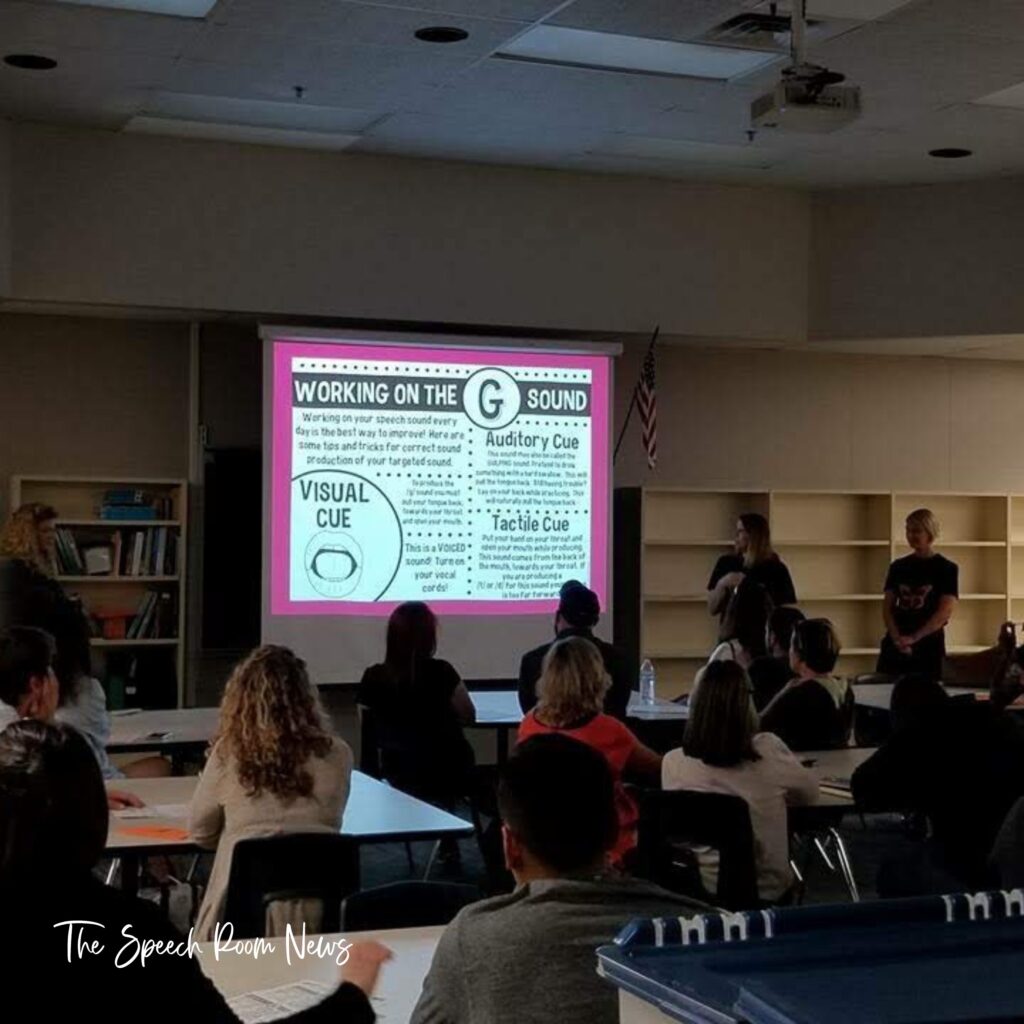
One of the most critical aspects of a successful Curriculum Night presentation is the deliberate use of parent-friendly language. The world of special education, including speech-language pathology, is replete with technical jargon, acronyms, and specialized terminology that can be overwhelming and alienating for parents. Terms like "IEP," "AAC," "DLD," "apraxia," "dysphagia," "phonological awareness," and "pragmatics" are commonplace for professionals but can sound like a foreign language to families.
The advice to "explain things to parents as if I was explaining it to a fifth grader" is not about underestimating parental intelligence, but about ensuring universal comprehension and accessibility. It’s about empathy and recognizing that parents, regardless of their background, are often entering a new and complex domain when their child receives specialized services. Educators and family advocates consistently emphasize that clarity fosters trust and reduces parental anxiety. When parents understand what is being discussed, why it is important, and how it impacts their child, they are far more likely to become active and effective partners in the therapeutic journey.
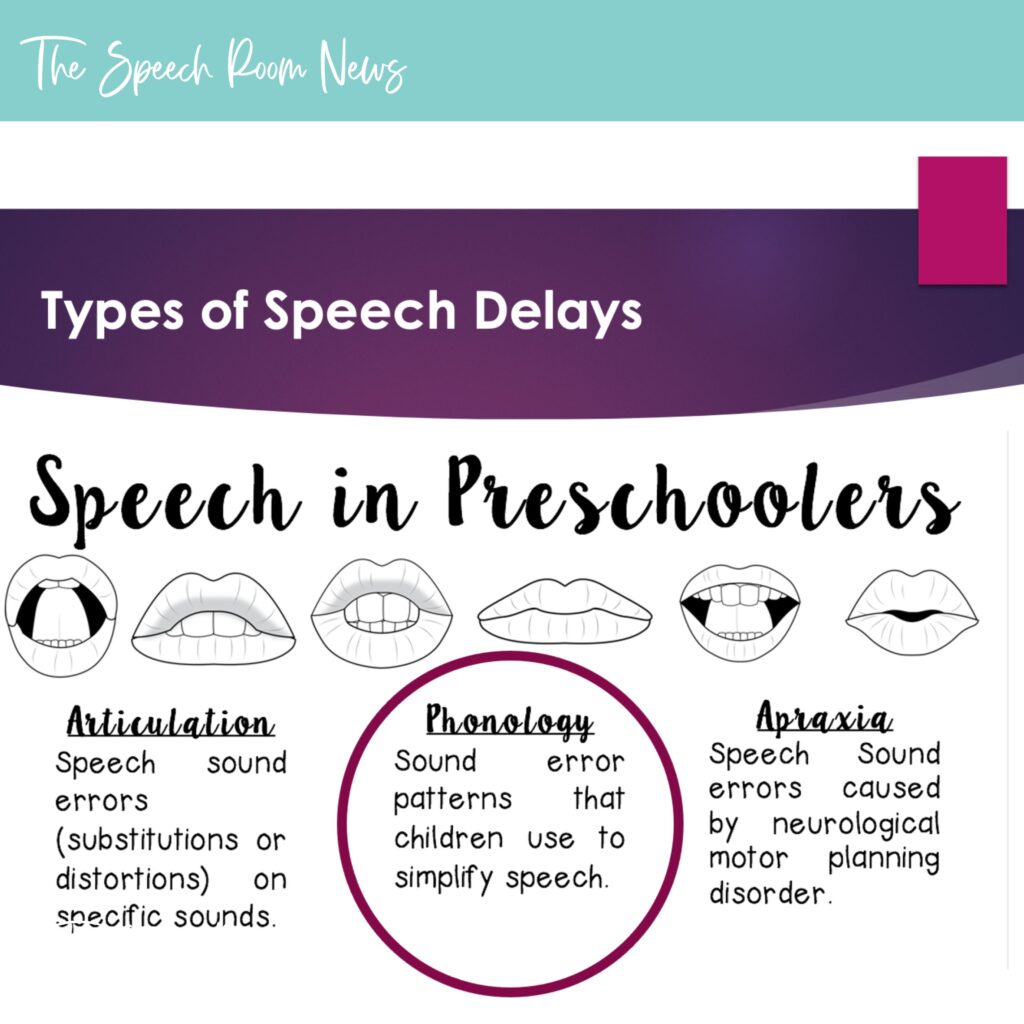
This means consciously avoiding abbreviations, breaking down complex concepts into simple analogies, and providing real-world examples. For instance, instead of saying "We’re targeting phonological processes," an SLP might say, "We’re helping your child learn to say sounds correctly in words, like making sure ‘wabbit’ becomes ‘rabbit’." The implication of this approach is profound: when parents feel informed and understood, they are better equipped to advocate for their children, consistently implement home practice strategies, and maintain open lines of communication with the therapy team. This significantly contributes to a more collaborative and effective support system for the student.
Fostering Active Participation: Interactive "Make and Take" Sessions
Incorporating an interactive "Make and Take" activity transforms a passive presentation into an engaging, memorable, and highly practical experience. This hands-on approach directly addresses the need for parents to leave with tangible tools they can immediately utilize to support their child’s speech and language development at home. Research in adult learning theory consistently shows that active participation and practical application significantly increase retention and transfer of knowledge.
Examples of effective "Make and Take" activities are diverse and can be tailored to the chosen topic:
- Communication Boards: Simple picture-based boards for non-verbal children or those with limited verbal skills, allowing them to express basic needs or choices.
- Visual Schedules: Parents can create a basic visual schedule for daily routines (e.g., getting ready for school, bedtime) to help children with language comprehension or executive functioning challenges.
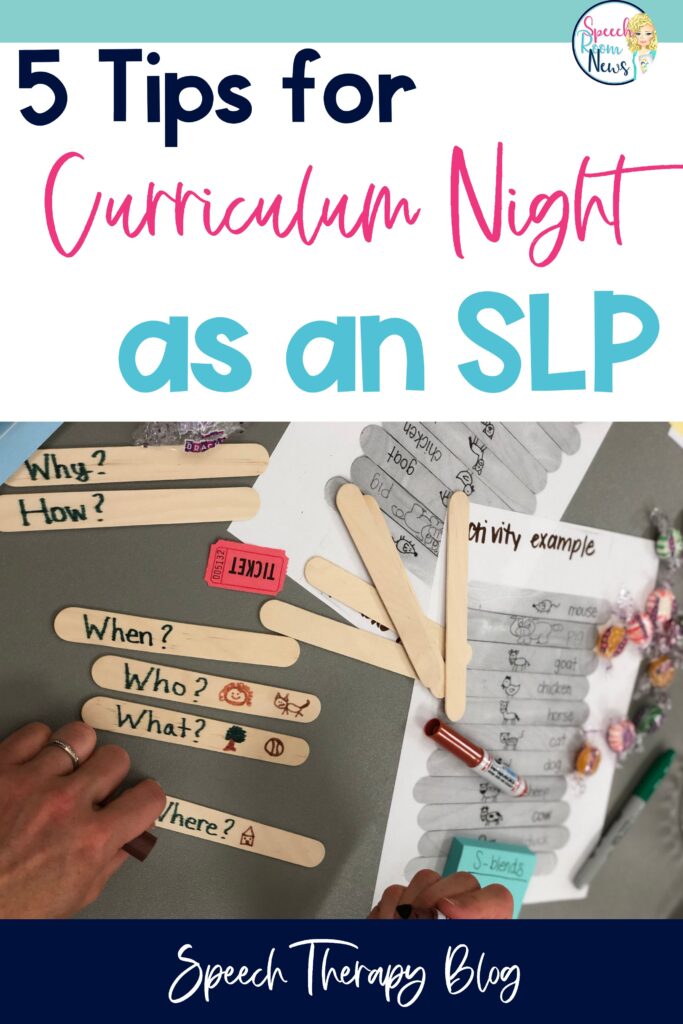
- Articulation or Language Game Pieces: Creating simple game cards, dice, or spinners focused on target sounds or vocabulary words. For example, "wh-question sticks" can be assembled, where each stick has a different "wh" question (who, what, where, when, why) to prompt language.
- Social Story Mini-Books: Parents can learn to create short, personalized social stories to address specific social situations or behavioral expectations for their child.
- Sensory-Friendly Resources: Simple items like fidget tools or weighted lap pads can be decorated or assembled, along with instructions on how they support regulation for children with sensory processing needs that impact communication.
A typical flow for a "Make and Take" session might involve a brief introduction to the concept, a demonstration of the activity, and then dedicated time for parents to create their own personalized version with provided materials. The SLP and any assisting staff can circulate, offering guidance, answering questions, and providing individualized tips. Attendees frequently report higher satisfaction and a greater sense of preparedness when leaving with tangible resources that directly relate to their child’s needs. This activity not only empowers parents but also reinforces the importance of their ongoing role as active participants in the therapeutic process, extending the impact of therapy beyond the clinic or school setting.
Sustaining Engagement: The Enduring Value of Informative Handouts
Even the most engaging presentation and interactive activity can be subject to the limitations of human memory. Equipping parents with informative handouts is a simple yet profoundly powerful strategy to ensure they leave Curriculum Night with a tangible, enduring reminder of the discussion. These handouts serve as a critical reference guide, allowing parents to revisit key points, strategies, and resources long after the event concludes.
Effective handouts should be concise, well-organized, and visually appealing. They can include:
- Summary of Key Presentation Points: A bulleted list of the main takeaways from the SLP’s presentation.
- Practical Tips and Home Strategies: Reiteration of the "Make and Take" activity’s purpose and how to use it, along with other simple activities or routines parents can implement daily.
- Developmental Milestones Checklist: A quick reference for parents to track their child’s progress or identify areas of concern.
- Frequently Asked Questions (FAQs): Addressing common queries about speech therapy, the IEP process, or how to seek further support.
- Recommended Resources: A list of reputable websites (like ASHA, Reading Rockets), books, apps, or local community support groups.
- Contact Information: Clear details on how parents can reach the SLP for further questions or concerns, including email addresses and school phone numbers.
- QR Codes: Linking to relevant videos (e.g., demonstrating a therapy technique), articles, or online resources.
The cognitive load theory suggests that individuals can only process a limited amount of new information at once. Handouts effectively offload this cognitive burden, providing a reliable external memory aid. Many parents appreciate a physical takeaway that allows them to review information at their own pace, discuss it with partners or other family members who may not have attended, and integrate the strategies into their daily lives. By providing this valuable resource, SLPs not only demonstrate their commitment to the child’s ongoing progress but also establish themselves as a continuous and accessible resource within the school community. Platforms like Teachers Pay Teachers offer a wealth of ready-made, professionally designed parent handouts that can be customized, further streamlining this crucial step.
Broader Impact and Implications for Educational Systems
The active and strategic participation of Speech-Language Pathologists in Curriculum Night extends far beyond individual parent-SLP interactions; it carries significant broader implications for the entire educational ecosystem. When SLPs effectively engage parents, it strengthens the foundational home-school connection, which is repeatedly cited in educational research as a critical factor in student success. This enhanced partnership leads to greater consistency in therapeutic approaches, with strategies learned in therapy being reinforced in the home environment.
The visibility and proactive engagement of SLPs at school-wide events elevate the understanding and appreciation of their specialized role among the broader school community, including general education teachers, administrators, and other support staff. This can foster a more integrated approach to student support, leading to earlier identification of communication needs and more seamless collaboration across disciplines. School administrators increasingly recognize the value of comprehensive special education representation at these events, noting improved parent satisfaction, reduced communication breakdowns, and a more collaborative spirit within the school community.
Ultimately, the goal is to improve student outcomes. When parents are informed, empowered, and actively engaged, children receiving speech-language services benefit from a unified front of support. This consistency can accelerate progress, enhance generalization of skills, and contribute to the child’s overall academic achievement and social-emotional well-being. By embracing Curriculum Night as a strategic outreach opportunity, SLPs solidify their position as indispensable partners in education, advocating for effective communication and fostering a supportive environment for every student.
In conclusion, Curriculum Night is an essential, multi-faceted opportunity for Speech-Language Pathologists to connect, educate, and empower parents. By strategically selecting relevant topics, communicating in parent-friendly language, offering interactive "Make and Take" activities, and providing informative handouts, SLPs can transform this annual event into a powerful catalyst for parental engagement and improved student outcomes. The future of inclusive education relies heavily on such proactive partnerships, ensuring that every child’s communication needs are understood, supported, and celebrated.
