


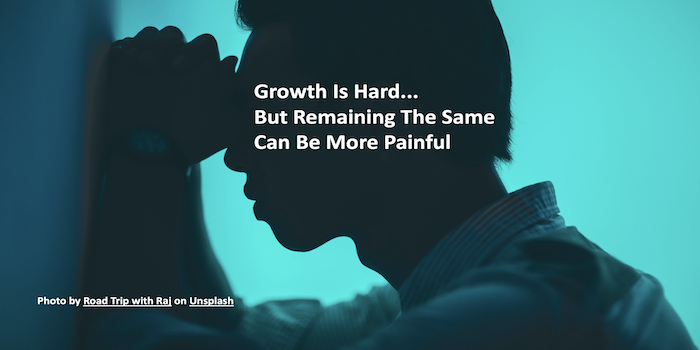
Growth, in its most profound and transformative sense, is an endeavor almost universally accompanied by discomfort, a truth that resonates from the earliest stages of human development to the most complex challenges of personal and professional evolution. This inherent link between progress and pain is not merely an anecdotal observation but a recurring theme across various disciplines, from developmental psychology to high-stakes athletic performance and the intricate dynamics of human relationships. Understanding this fundamental principle is crucial for navigating the inevitable hurdles that accompany any significant advancement.
The Universal Experience of Growing Pains
The analogy of a child experiencing growing pains offers a visceral, albeit simple, illustration of this concept. As young bodies undergo rapid physical development, bones lengthen, muscles adapt, and skeletal structures mature. This biological process, while essential for future health and mobility, can manifest as nocturnal discomfort and even acute pain. Children, unable to articulate the complex physiological changes occurring within them, experience the raw sensation of distress. This early life experience serves as a foundational metaphor for the broader principle that significant change often brings temporary suffering.
This parallels the experiences of individuals pushing the boundaries of their physical capabilities. Elite athletes, for instance, often speak of the arduous demands of their training regimens. The pursuit of peak performance in disciplines like powerlifting, bodybuilding, or marathon running necessitates pushing the body beyond its perceived limits. Powerlifters and bodybuilders frequently endure workouts that induce nausea, a physiological response to extreme exertion and metabolic stress. Similarly, marathon runners undertake thousands of miles of training, characterized by early mornings, persistent muscle soreness, the ever-present risk of injury, and the mental fortitude required to overcome the constant temptation to quit. These physical disciplines underscore a critical point: tangible physical growth is intrinsically linked to enduring significant physical discomfort.
However, the author posits that the most challenging and impactful growth is not physical, but personal and interpersonal. This form of development, often less visible and more emotionally taxing, involves evolving as a partner, parent, leader, friend, or in one’s spiritual journey. The emotional and psychological toll of these areas can, according to this perspective, far exceed the physical demands of athletic training.
The Emotional Crucible of Personal Growth
The complexities of human relationships often present the most formidable growth opportunities. Within the confines of marriage, for example, the act of offering an apology can be an intensely difficult undertaking. The phrase, "I’m sorry," requires a profound act of humility, demanding the relinquishment of pride and the willingness to confront the pain of remorse for having caused hurt. This admission of fallibility is a cornerstone of relational growth, but it is frequently perceived as a sign of weakness by those unaccustomed to vulnerability.
Conversely, the act of extending forgiveness can be even more challenging. To say, "I forgive you," necessitates acknowledging that one has been wounded. Many individuals associate admitting hurt with a loss of power or status, viewing it as an erosion of their personal strength. Yet, from a developmental standpoint, this act of vulnerability can be interpreted as a powerful demonstration of authenticity and courage. It signifies a conscious decision to prioritize healing and progress over the lingering effects of resentment.
Scriptural Echoes: Faith and Adversity
The author’s perspective finds resonance within religious and spiritual narratives. A review of sacred texts reveals a consistent pattern: individuals who achieve profound spiritual growth and a deep connection with the divine rarely follow a path of ease. Prophets, apostles, and countless historical figures within these traditions are depicted as having endured immense hardship, including disappointment, rejection, and suffering. While their faith is often lauded, the significant personal cost that forged that faith is frequently overlooked. This historical context suggests that spiritual maturation is often a byproduct of navigating profound challenges.
The underlying principle is that growth, regardless of its domain, carries a price. Whether the objective is improved physical health, strengthened relationships, enhanced leadership capabilities, or a deeper spiritual connection, there arrives a juncture where individuals must weigh the immediate pain against the potential for future gain. Such decisions, by their very nature, demand a degree of faith – a belief in the eventual positive outcome despite present difficulties.
The Transformative Power of Adversity
Reflecting on personal and professional journeys, the author asserts that the answer to the question of whether the pain of growth is worth the eventual gain has consistently been affirmative. The most influential individuals encountered are not those who meticulously avoided discomfort, but rather those who permitted challenging experiences to fundamentally reshape their character.
This observation aligns with a growing body of research in organizational psychology and leadership development. Studies have consistently shown that individuals whose character has been forged through adversity tend to inspire greater trust and command more respect. While competence may capture initial attention, it is character, honed through trials, that builds enduring credibility. The synergy of character and competence positions individuals as trusted authorities, a foundational element for sustained influence. This is not to imply that growth becomes inherently easy; rather, the individual’s capacity to manage and learn from challenges increases.
The author’s personal experience in bodybuilding, marathon running, marriage, and parenting reinforces this understanding. Each bodybuilding competition demanded another grueling training cycle. Every marathon required another period of rigorous discipline. Meaningful breakthroughs in marital relationships necessitated further difficult conversations. The pain associated with these pursuits did not disappear entirely. Instead, the individual’s confidence in their ability to navigate and learn from these challenges grew. This increased confidence, born from experience, fostered a belief that significant growth lay on the other side of discomfort.
The "Man in the Arena" and the Cost of Inaction
This perspective resonates with Theodore Roosevelt’s iconic "Man in the Arena" speech. Roosevelt eloquently championed the individual who dares to step into the arena of life, embracing the risks of failure, enduring hardship, and persistently striving. The true measure of defeat, he argued, is not stumbling or falling, but rather the decision to deem the cost of growth too high and to refrain from engaging in the struggle altogether.
The economic implications of this mindset are significant. Businesses that embrace innovation, even with its inherent risks and potential for initial setbacks, are more likely to achieve long-term market leadership than those that prioritize stability and avoid change. For instance, companies that invested heavily in research and development during economic downturns, despite the immediate financial strain, often emerged as dominant players once the economy recovered. This is because the investment in growth, even when painful, builds resilience and competitive advantage.
In the realm of public health, adhering to preventative health measures, such as regular exercise and balanced nutrition, can be perceived as a daily imposition or discomfort. However, the long-term benefits – reduced risk of chronic diseases, improved quality of life, and increased longevity – far outweigh the temporary sacrifices. Data from organizations like the World Health Organization consistently highlight the substantial economic and societal burdens associated with preventable chronic diseases, underscoring the immense value of proactive health investments.
The Broader Impact on Society and Innovation
On a societal level, progress in areas like civil rights, technological advancement, and scientific discovery has almost invariably been the result of individuals and groups willing to endure significant opposition, criticism, and hardship. The Civil Rights Movement in the United States, for example, involved decades of struggle, including protests, legal battles, and personal sacrifice, all aimed at achieving greater equality. The eventual legislative victories and the subsequent societal shifts are a testament to the power of persistent, albeit painful, growth.
Technological leaps, from the invention of the printing press to the development of the internet, were not smooth, effortless transitions. They involved periods of intense research, experimentation, and often, outright failure. The early adopters and developers faced skepticism and technical hurdles that would have deterred those unwilling to embrace the discomfort of the unknown.
The author’s concluding question, "When you look back on your own life, what season of painful growth are you most thankful you didn’t quit?" serves as a powerful call to reflection. It encourages individuals to acknowledge the formative power of challenges and to recognize that the alternative to embracing growth, however difficult, is a stagnation that carries a far greater, albeit often unrecognized, cost. This cost can manifest as missed opportunities, unfulfilled potential, and a life lived within comfortable but ultimately limiting boundaries. The enduring message is that while growth is hard, the alternative is ultimately more detrimental to individual and collective progress.
