


The proliferation of Artificial Intelligence (AI) tools has ignited a vigorous debate within the professional landscape, particularly among content creators and influencers. A recent LinkedIn post, commencing with the declarative statement, "I don’t use AI to write my content," has brought this discussion to the forefront, echoing concerns previously raised about the potential for AI to foster complacency. While the author of the post clarified that this was not a declaration of superiority but rather a point about the ultimate value of content, regardless of its origin, the sentiment underscores a critical distinction: the difference between leveraging AI to augment human intellect and allowing it to supplant genuine thought processes.
This distinction is paramount, especially within the realm of influence and expertise. For individuals who have cultivated a following through years of dedicated work, learning, and the sharing of their unique perspectives, the introduction of AI as a primary content generator raises questions of authenticity and the very nature of influence. The core of influence, as understood through established principles, relies on trust, authority, and the perceived genuineness of the source. When AI becomes the architect of content, rather than a tool to refine it, the foundation of this trust can erode.
The Authenticity Dilemma: AI as a Tool vs. AI as an Author
The debate centers on a nuanced understanding of AI’s role. On one hand, AI offers significant advantages in enhancing productivity and refining communication. Tools can assist in organizing thoughts, challenging assumptions, improving clarity, and editing written work, thereby enabling creators to present their ideas more effectively. This collaborative approach, where AI acts as a sophisticated assistant, can lead to higher quality output and broader reach.
However, a crucial line exists between using AI to improve one’s thinking and using it to replace it. This is where the potential for ethical and professional concerns arises. Imagine an individual who has built a reputation through extensive writings, teachings, and public engagements. If it is later revealed that the substance of their acclaimed work—the ideas, the insights, the very voice—was primarily generated by AI, a sense of betrayal among their audience is almost inevitable. This scenario draws parallels to historical events that highlight the fragility of authenticity in the public eye.
Echoes of Milli Vanilli: The Peril of Deception
A striking historical precedent for this concern is the Milli Vanilli scandal of the late 1980s. The pop duo achieved immense global success, winning awards and selling millions of albums. Their fame, however, imploded when it was revealed that they had not sung any of the vocals on their records. The music itself did not change in quality, but the revelation shattered the illusion of their artistic contribution. The audience felt deceived, not because the music was bad, but because they had been led to believe they were admiring a specific form of talent and effort that did not exist. This case serves as a potent reminder that perceived authenticity is a cornerstone of public trust and influence.
Similarly, if esteemed authors or thought leaders were found to have had their seminal works ghostwritten by AI, the intellectual and emotional impact on their readers would be profound. While the insights within the books might remain valuable, the personal connection and respect for the author’s journey, struggles, and unique perspective would likely dissipate. This underscores that followers often invest not just in information, but in the individual behind the ideas—their experiences, their growth, and their convictions.
The Authority Principle and the Erosion of Genuine Expertise
The science of influence, as articulated by Dr. Robert Cialdini, emphasizes the principle of Authority. Individuals are predisposed to trust and be persuaded by those who possess genuine expertise and credibility. However, this authority must be earned and demonstrably authentic. When AI generates the core of an individual’s content—their arguments, their examples, their narratives, and their conclusions—the expertise being showcased shifts from the individual’s lived experience and developed knowledge to their ability to craft effective prompts for an AI.
This transition is significant. Instead of demonstrating their own analytical skills, critical thinking, and accumulated wisdom, individuals risk presenting the output of a machine as their own intellectual property. This not only undermines their claim to authority but also devalues the very concept of expertise. True expertise is forged through years of practice, learning from mistakes, developing unique perspectives, and internalizing knowledge. These elements are inherently human and cannot be replicated by an algorithm that has not experienced life, failure, or conviction.
The Role of AI in Modern Content Creation: A Collaborative Framework
Despite these concerns, it is crucial to acknowledge the immense potential of AI as a transformative tool for professionals. Many respected figures, including those who advocate for authentic expertise, are actively integrating AI into their workflows. The key lies in adopting a collaborative model. AI can serve as an exceptional partner in processing complex information, refining arguments, identifying logical gaps, and enhancing the polish of communication. It can act as a sounding board, much like a trusted colleague, helping to clarify thoughts and explore different angles.
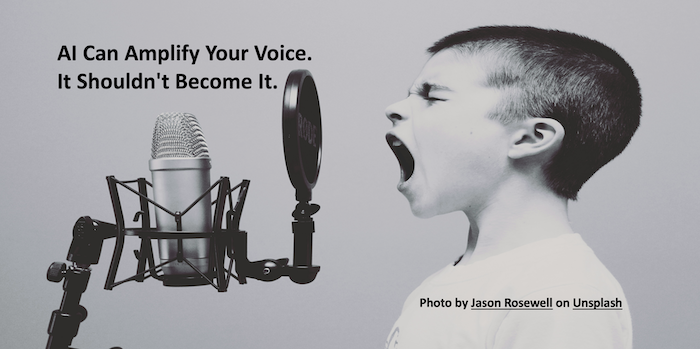
However, the critical difference remains: AI should amplify an individual’s voice, not become their voice. The stories individuals have lived, the lessons they have learned from personal experiences, the mistakes they have made and overcome, and the deeply held convictions they have developed are the essence of their uniqueness. These are the elements that AI, by its nature, cannot possess or authentically convey. They are the bedrock of genuine influence and provide the irreplaceable human element that resonates with audiences.
The Future of Expertise in the Age of AI
The individuals who will thrive in the coming decade are unlikely to be those who rely most heavily on AI for content generation. Instead, those who have dedicated years to building authentic expertise, honing their skills, and developing a unique perspective will be best positioned to leverage AI as a powerful amplifier. They will use AI to communicate their hard-earned knowledge and insights more effectively and efficiently, reaching wider audiences and making a greater impact.
The challenge for professionals, therefore, is to navigate this evolving landscape with integrity. The goal should be to harness AI’s capabilities to enhance and disseminate genuine expertise, rather than to mask a lack of it. The question that remains for professionals and their audiences alike is where to draw the line between using AI as a beneficial tool and allowing it to become the de facto author of one’s professional identity and expertise. This ongoing dialogue is critical for maintaining trust, authenticity, and the enduring value of human experience in an increasingly automated world.
Implications for Industries and the Creator Economy
The implications of this debate extend far beyond individual content creators. Industries reliant on expert opinion, knowledge dissemination, and authentic brand representation are grappling with the potential for AI-generated content to saturate the market, potentially diluting genuine expertise and creating an environment where distinguishing authentic voices becomes increasingly difficult.
The "creator economy," which has flourished on the back of individual personalities and their unique contributions, faces a critical juncture. If the foundation of this economy is eroded by AI-generated content that mimics originality without possessing it, the long-term sustainability of creator-led businesses could be jeopardized. Consumers and clients increasingly seek connection and trust, qualities that are deeply rooted in human authenticity. The widespread adoption of AI for content generation without transparency could lead to a crisis of trust, impacting brand loyalty and the perceived value of digital content.
Furthermore, educational institutions and professional training programs may need to adapt their curricula to emphasize critical thinking, original research, and the ethical use of AI. The ability to discern credible information and to produce original thought will become even more valuable skills in a landscape where AI can generate plausible, yet potentially superficial, content at scale. The emphasis will shift from the sheer volume of content produced to the demonstrable depth and authenticity of the ideas presented.
The conversation around AI and content creation is not merely a technical one; it is a philosophical and ethical exploration of what constitutes genuine expertise, authorship, and influence in the 21st century. As AI technology continues to advance, the responsibility lies with individuals, organizations, and platforms to ensure that innovation serves to augment human capabilities and foster authentic connection, rather than to obscure or replace them. The future of influence will likely belong to those who can master the art of collaboration with AI while remaining firmly grounded in their own unique human experiences and insights.
