


The principle of reciprocity, a cornerstone of social influence, is widely understood as a compelling urge to return a favor. When an individual bestows a gift, an act of kindness, or assistance, the recipient often experiences a psychological debt, a sense of obligation to reciprocate. This fundamental human dynamic, where "when someone does something for us, we feel some obligation to give back," is a powerful driver of human interaction and a potent tool in understanding social influence. However, beneath this commonly accepted paradigm lies a less explored, yet profoundly significant, dimension: the transformative impact of giving on the giver themselves.
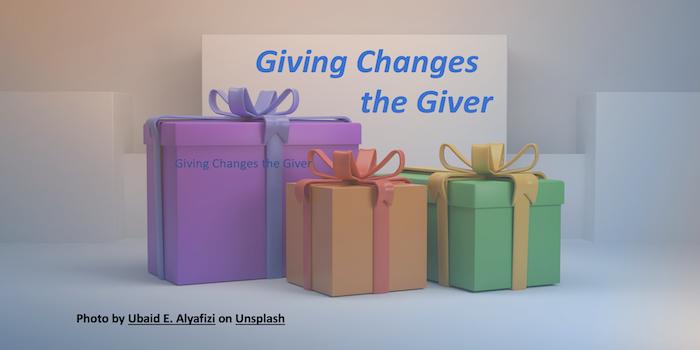
This secondary, often overlooked, facet of reciprocity was illuminated through a personal narrative shared by Brian Ahearn, Chief Influence Officer at Influence PEOPLE and a faculty member at the Cialdini Institute. Ahearn recounted an experience from years prior when his wife, Jane, approached her 52nd birthday. Seeking to create a truly memorable celebration, he conceived of a unique gift: 52 individual gifts, one to be presented each week for an entire year. This ambitious endeavor, intended as a gesture of love and appreciation for his wife, unexpectedly yielded a profound personal transformation for Ahearn, revealing that the act of giving can be as impactful, if not more so, on the giver as it is on the recipient.
The Genesis of a Year of Giving
The initiative began as a desire to offer Jane something beyond a singular, grand gesture. The concept of "52 gifts for her 52nd birthday" was born out of a desire for sustained appreciation throughout the year, a departure from the conventional single-day celebration. This commitment required a deliberate and ongoing investment of thought, creativity, and attention. Ahearn’s objective was clear: to select or create presents that would resonate with Jane, bringing her joy and demonstrating his attentiveness to her life.
What Ahearn did not anticipate was the profound shift in his own perception and behavior that this sustained act of giving would catalyze. As the weeks progressed and the necessity of sourcing or creating a new gift arose each week, Ahearn found himself immersed in a deeper level of observation and understanding of his wife. This consistent requirement to identify meaningful tokens of affection compelled him to listen more acutely to her conversations, to notice the subtle cues that indicated her interests, her desires, and her moments of joy or contemplation. He began to actively seek out opportunities to surprise her, to elicit a smile, or simply to convey that she was consistently on his mind. This process also extended to their daughter, Abigail, who became an integral part of the gift-giving journey, offering her own insights and participating in the selection and acquisition of presents.
This personal anecdote serves as a powerful illustration of how the act of giving, when undertaken with intention and care, can fundamentally alter the giver’s perspective. The initial focus on what could be given to Jane gradually evolved into a richer understanding of what could be received internally by Ahearn through the process itself. This underscores a critical, yet frequently underestimated, aspect of reciprocity: its dual nature.
Reciprocity: A Two-Way Transformation
When reciprocity is discussed as a principle of influence, the prevailing focus is invariably on the recipient. The established understanding is that a gift or favor elicits a subsequent obligation, prompting the recipient to offer something in return. This outward-facing perspective, while accurate, often overshadows the internal benefits reaped by the giver.
The act of giving, especially when it is thoughtful, personalized, and unprompted, fosters a heightened awareness of the recipient’s needs, desires, and preferences. This requires the giver to step outside of their own immediate concerns and to engage with the world from another’s vantage point. For Ahearn, this meant actively listening for hints about books Jane might enjoy, noticing the subtle expressions of appreciation when she encountered something beautiful, or recalling a fleeting comment about a particular item she admired. This process of observation and consideration cultivates empathy and deepens interpersonal understanding.
Furthermore, the sustained effort involved in a prolonged giving initiative like Ahearn’s can lead to a recalibration of the giver’s priorities. The need to plan, execute, and deliver on a consistent basis necessitates a structured approach and a commitment to the well-being of the recipient. This can lead to a reduction in self-absorption. When one is focused on making another person happy, the internal monologue of personal anxieties or grievances often takes a backseat. Research in positive psychology has consistently shown that altruistic behaviors are linked to increased happiness, reduced stress, and improved overall mental well-being for the giver. A 2010 study published in Science by Elizabeth Dunn and Michael Norton, for instance, demonstrated that spending money on others ("prosocial spending") led to greater happiness than spending money on oneself. While Ahearn’s gifts were not monetary, the principle of directing resources – time, energy, and creativity – towards another’s benefit aligns with these findings.
The Crucial Role of Motive
The transformative power of giving is intrinsically linked to the giver’s underlying motive. The principle of reciprocity is most potent and beneficial when generosity stems from a genuine desire to contribute to another’s well-being, rather than from a calculated expectation of immediate or future return.
If the act of giving is performed with a hidden agenda, such as meticulously tracking favors owed or expecting a specific transactional outcome, it ceases to be genuine generosity and transforms into a mere exchange. This transactional approach, where the giver is mentally "keeping score," negates the profound internal benefits. The psychological literature on altruism distinguishes between "pure" altruism, driven by selfless concern for others, and "impure" altruism, which may involve some expectation of reward or avoidance of guilt. While both can lead to prosocial behavior, pure altruism is more consistently linked to enhanced well-being for the giver.
Ahearn’s narrative implicitly highlights this distinction. His decision to offer 52 gifts was not presented as a prelude to an explicit request for Jane to reciprocate in a specific manner. The emphasis was on creating a year of joy for her. This selfless intent allowed the positive effects of giving to flourish internally. A thoughtful note of encouragement, for example, requires the giver to actively identify and articulate what they appreciate in another person, a process that can reinforce positive feelings about the recipient and oneself. Similarly, assisting a colleague necessitates an understanding of their challenges, fostering a sense of shared purpose and mutual support. The act of truly listening to someone, rather than formulating one’s own response, requires a temporary suspension of self-interest, leading to deeper connection and understanding.
The Unforeseen Rewards of Generosity
The adage "it is better to give than to receive" often resonates differently across age groups. For a child anticipating the excitement of Christmas morning, the immediate gratification of receiving gifts might seem far more appealing than the act of giving. However, as individuals mature, the profound satisfaction derived from contributing to the happiness of others becomes increasingly apparent.
The ability to give is a continuous opportunity, accessible in myriad forms. It does not always require significant financial resources or grand gestures. Simple acts such as offering a word of encouragement, making a beneficial introduction between two people, sharing valuable information, allowing another driver to merge into traffic, paying for a stranger’s coffee, acknowledging a colleague’s contribution, or simply putting down one’s phone to engage in active listening – all represent opportunities to give. These actions, when performed without the expectation of immediate recompense, cultivate a more generous spirit.
When generosity becomes an integrated aspect of one’s character, rather than a strategic tool to be deployed for personal gain, a cascade of positive outcomes can ensue:
- Enhanced Personal Fulfillment: The intrinsic satisfaction derived from making a positive difference in the lives of others contributes significantly to a sense of purpose and well-being. This is often reported in studies of volunteerism and philanthropy.
- Strengthened Relationships: Consistent acts of generosity build trust, foster deeper connections, and create a positive feedback loop in interpersonal dynamics. When people feel cared for and supported, they are more likely to reciprocate with their own kindness and support.
- Increased Resilience: Individuals who regularly engage in prosocial behaviors tend to exhibit greater resilience in the face of adversity. Their focus on contributing to others can provide a buffer against personal challenges and foster a more optimistic outlook.
- Personal Growth: The act of giving often pushes individuals beyond their comfort zones, fostering new skills, perspectives, and a deeper understanding of the human condition.
Moreover, generosity can be contagious. When individuals experience kindness, they are often inspired to extend similar acts of benevolence to others, creating a ripple effect that can positively impact communities. This propagation of kindness is a testament to the profound social influence of giving, demonstrating influence at its most ethical and impactful.
Conclusion: The Internal Gift
In essence, the principle of reciprocity, while accurately describing the external dynamic of exchange, only tells half the story. The true power of giving lies not solely in what is received from others, but in the profound internal transformation that occurs within the giver. Brian Ahearn’s personal journey underscores this vital truth: the act of intentionally and generously giving can be a gift in itself, enriching the giver’s life in ways that extend far beyond the immediate impact on the recipient. As Ahearn concludes, "Sometimes when you give, the recipient isn’t the only one receiving a gift." This internal reception, characterized by personal growth, enhanced empathy, and increased fulfillment, represents a profound and often unexpected return on the investment of generosity. This understanding recalibrates the concept of influence, highlighting that the most potent influence may stem from the quiet, consistent practice of contributing to the well-being of others.
