

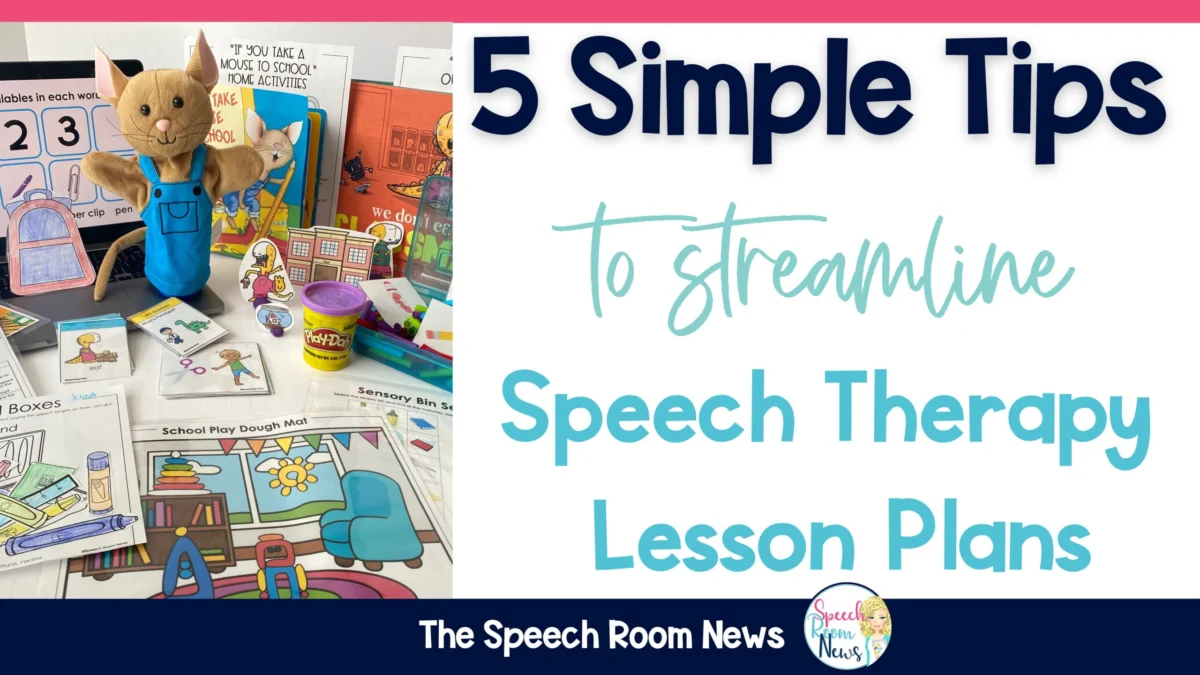
The demanding landscape of school-based speech-language pathology (SLP) has long presented practitioners with the challenge of managing extensive caseloads and diverse student needs while maintaining high-quality, individualized intervention. Historically, many SLPs found themselves dedicating disproportionate hours to lesson preparation, often crafting unique plans for dozens of students each week, a practice now widely recognized as unsustainable and inefficient. This administrative burden, particularly acute for new professionals navigating complex school environments, has prompted a significant shift towards more strategic and streamlined planning methodologies, aiming to optimize both clinician efficiency and student progress. Modern approaches emphasize adaptable frameworks that leverage thematic content, literacy integration, narrative development, multi-purpose resources, and structured Augmentative and Alternative Communication (AAC) instruction, alongside readily available "grab and go" materials. These innovations are transforming how SLPs operate, fostering environments where therapeutic goals are met with greater consistency and less preparation overhead.
The Evolving Landscape and Challenges for School-Based SLPs
The role of a school-based Speech-Language Pathologist has expanded significantly over recent decades. Beyond direct intervention, SLPs are integral members of educational teams, responsible for assessments, Individualized Education Program (IEP) development, consultation with teachers and parents, data collection, and compliance with federal and state regulations. Simultaneously, caseloads can be substantial, often ranging from 50 to 70 or more students, each presenting with unique communication disorders—from articulation and phonology to language comprehension, expressive language, fluency, voice, and social communication. The sheer diversity of these needs, coupled with varying age groups and developmental levels, traditionally necessitated highly individualized lesson plans for each student or small group. This approach, while theoretically ideal, frequently translated into dozens of hours per week spent on planning and material creation, contributing to professional burnout and diverting valuable time away from direct student interaction or crucial administrative tasks. Early career SLPs, in particular, often grapple with the overwhelming task of building a comprehensive repertoire of materials and planning strategies from scratch, highlighting an urgent need for systematized, adaptable solutions.
Strategic Approaches to Streamlined Lesson Planning
Recognizing the critical need for efficiency without compromising efficacy, the field of speech-language pathology has embraced several innovative planning paradigms. These strategies move away from isolated, student-specific planning towards broader, adaptable frameworks that allow for the simultaneous targeting of multiple goals across diverse groups. The underlying principle is to create versatile, engaging, and educationally relevant activities that can be differentiated to address a spectrum of communication needs within a single session or across a thematic unit. This shift not only reduces preparation time but also enhances the cohesiveness of therapy, often by aligning with classroom curricula and promoting generalization of skills.
1. Thematic Integration: Fostering Cohesion and Engagement
One of the most impactful strategies for streamlining lesson plans is the adoption of a theme-based therapy approach. Instead of planning disparate activities for each student, SLPs select a central theme for a week or month (e.g., "Fall Harvest," "Ocean Animals," "Community Helpers"). All therapeutic materials and activities—including books, toys, worksheets, and crafts—are then coordinated around this theme. This method offers several significant benefits. Firstly, it drastically reduces the time spent on daily or weekly planning, as a single set of thematic materials can be adapted for multiple students with varying goals. For instance, a "Farm Animals" theme could be used to target articulation by naming animals, language comprehension by discussing animal characteristics, expressive language by describing farm scenes, and social skills through collaborative play scenarios.
Secondly, thematic planning inherently promotes consistency and generalization. Students are exposed to vocabulary and concepts repeatedly within different contexts, reinforcing learning. This approach also facilitates curriculum alignment, especially in elementary settings where classroom teachers often employ thematic units. By mirroring classroom themes, SLPs can foster a more integrated learning experience, making speech therapy feel less like an isolated intervention and more like an extension of general education. Furthermore, thematic resources are often reusable year after year, allowing SLPs to build a robust library of pre-made materials, which can be continuously refined and expanded, thereby reducing long-term preparation demands.
2. Literacy-Based Intervention: Bridging Communication and Curriculum
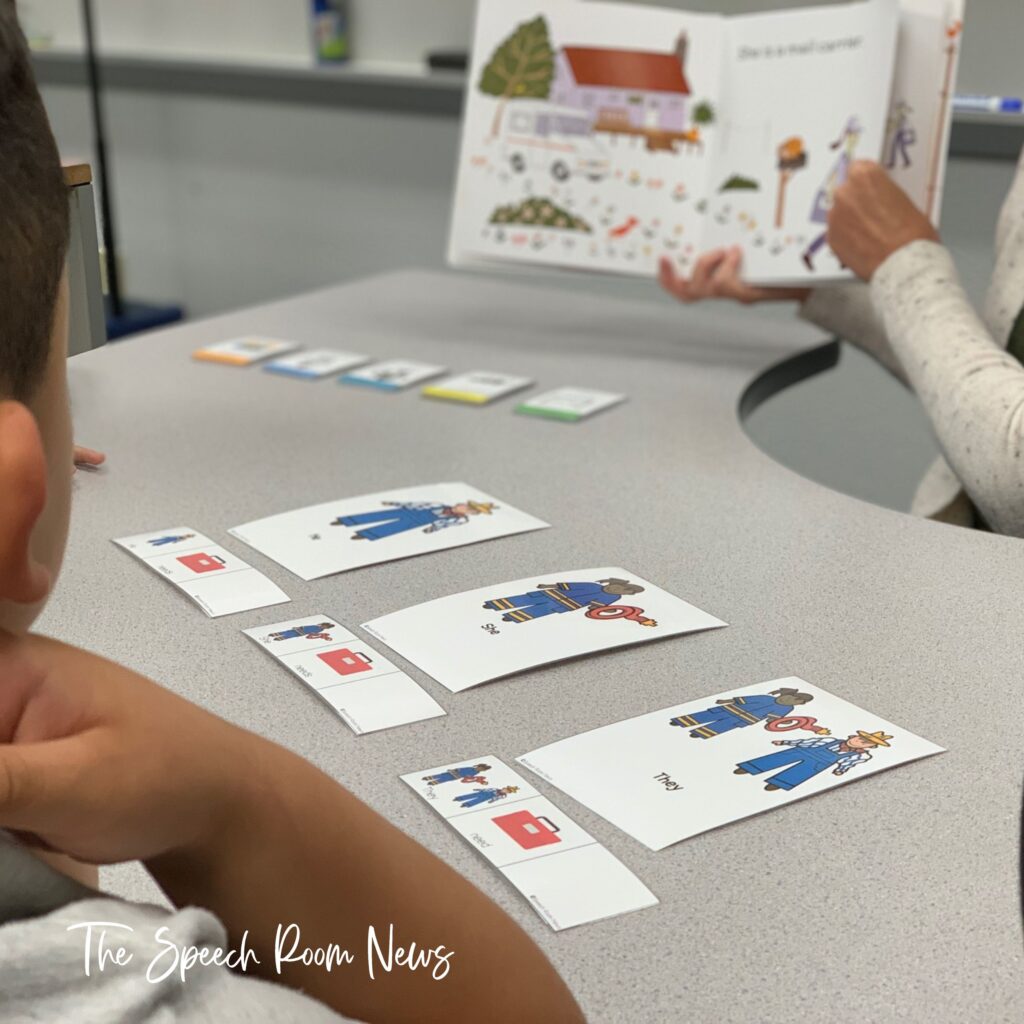
Integrating high-quality children’s literature into speech and language therapy is another highly effective and widely adopted strategy. Literacy-based therapy leverages picture books as a central vehicle for targeting a broad array of speech and language goals, making it particularly advantageous for mixed groups. The power of books lies in their rich linguistic content, narrative structure, and capacity to evoke discussion and engagement. An SLP can select a single book and use it to address articulation goals (e.g., identifying words with target sounds), vocabulary expansion (e.g., defining new words), grammatical structures (e.g., identifying past tense verbs), comprehension (e.g., answering ‘wh’ questions), and even social communication (e.g., discussing characters’ feelings).
The framework for literacy-based intervention typically includes:
- Pre-story knowledge activation: Engaging students in discussions related to the book’s theme or characters to build background knowledge and predict content.
- Shared story reading: Reading the book aloud, pausing to discuss vocabulary, make predictions, and model language.
- Focused-skill activities: Implementing targeted activities directly related to the story to practice specific IEP goals. This might involve retelling parts of the story, identifying story elements, or practicing target sounds within words from the text.
- Post-story comprehension discussion: Reviewing the story, summarizing key events, and relating the themes to students’ own experiences.
A significant advantage of this approach is its inherent alignment with academic curricula. By using books that are either part of classroom instruction or relevant to academic themes, SLPs can reinforce classroom learning, demonstrate the practical application of communication skills, and facilitate carryover into academic settings, including secondary grades. Moreover, numerous pre-made materials and companion guides for popular children’s books are available online, further reducing preparation time.
3. Narrative Language Development: A Foundation for Academic Success
The narrative language approach, while sharing similarities with literacy-based therapy, offers distinct benefits by focusing explicitly on the structure and generation of stories. This approach recognizes that narrative skills are fundamental to academic success, influencing reading comprehension, written expression, and social interaction. Instead of focusing on a single book, narrative language intervention often involves presenting multiple stories over time that share similar structures or themes, emphasizing story retell and story generation tasks. A strong emphasis is placed on story grammar (e.g., characters, setting, initiating event, internal response, plan, attempt, consequence, resolution) and the development of complex syntax and rich vocabulary within narrative contexts.
By systematically teaching students how to understand and construct narratives, SLPs can target a wide range of language skills, including sequencing, inferencing, problem-solving, and the use of descriptive language. The impact of this approach extends beyond the therapy room, as improved narrative skills directly correlate with enhanced academic performance across various subjects. For example, students better equipped to understand and produce narratives are more likely to comprehend textbook chapters, write coherent essays, and participate effectively in classroom discussions. Resources such as story grammar icons or visual organizers are frequently employed to provide scaffolding, making complex narrative structures more accessible to students with language impairments.
4. Leveraging Play: Multi-Goal Therapy Through Single Resources
One of the most practical and least prep-intensive methods for streamlining speech therapy lesson plans involves utilizing a single, versatile toy or game to target a multitude of goals. This strategy capitalizes on the inherent motivation and engagement that play provides, making therapy sessions enjoyable and effective. The key is to select open-ended toys or games that can be adapted to various communication targets.
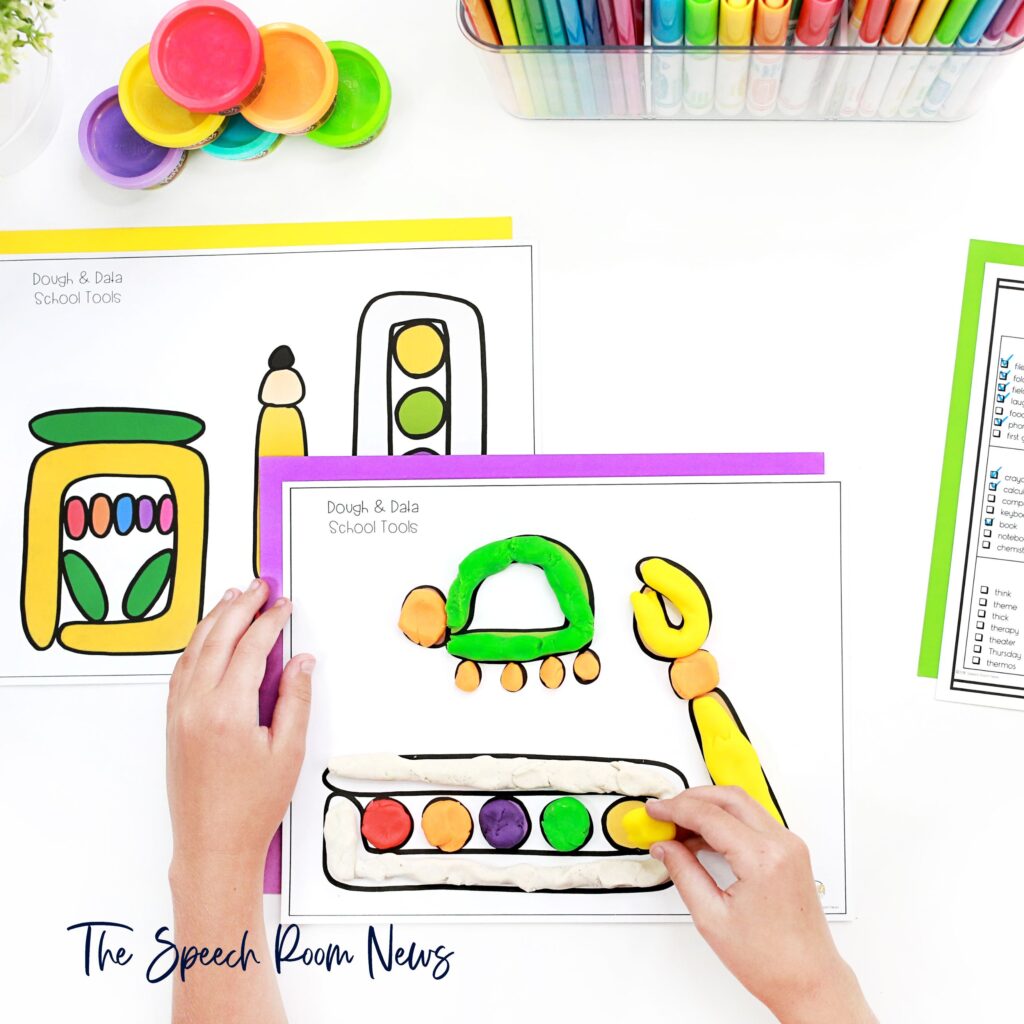
Consider classic games like Candyland. While seemingly simple, an SLP can create custom cards or prompts to address articulation (e.g., "Say ‘red’ five times for a red space"), language (e.g., "Describe the candy factory"), social skills (e.g., turn-taking, problem-solving when blocked), and even executive functioning. Similarly, play dough offers immense versatility. Beyond fine motor development, play dough can be used for articulation practice (e.g., rolling dough into shapes while repeating target sounds), language expansion (e.g., describing creations, following multi-step directions), and even data collection through structured activities where students create shapes or objects while practicing skills. The "Dough and Data Set" mentioned in the original context exemplifies how play can be integrated with progress monitoring.
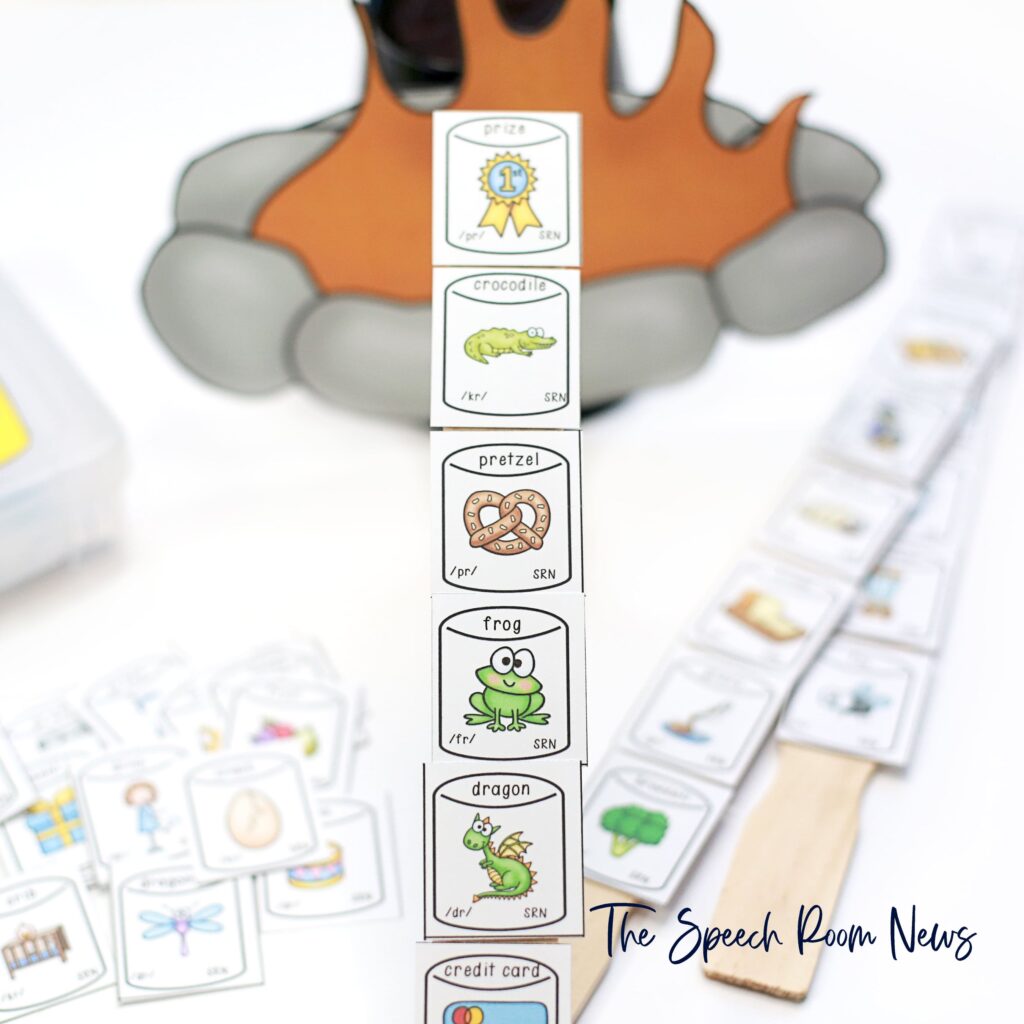
Mini objects represent another highly adaptable resource. These small, tangible items can be categorized, sorted, described, used in imaginative play, or integrated into barrier games. They are excellent for targeting vocabulary, prepositions, articulation, phonological awareness, and even early literacy skills. Their portability and ability to fit into various activities make them a favorite among SLPs for creating dynamic and engaging sessions with minimal preparation.
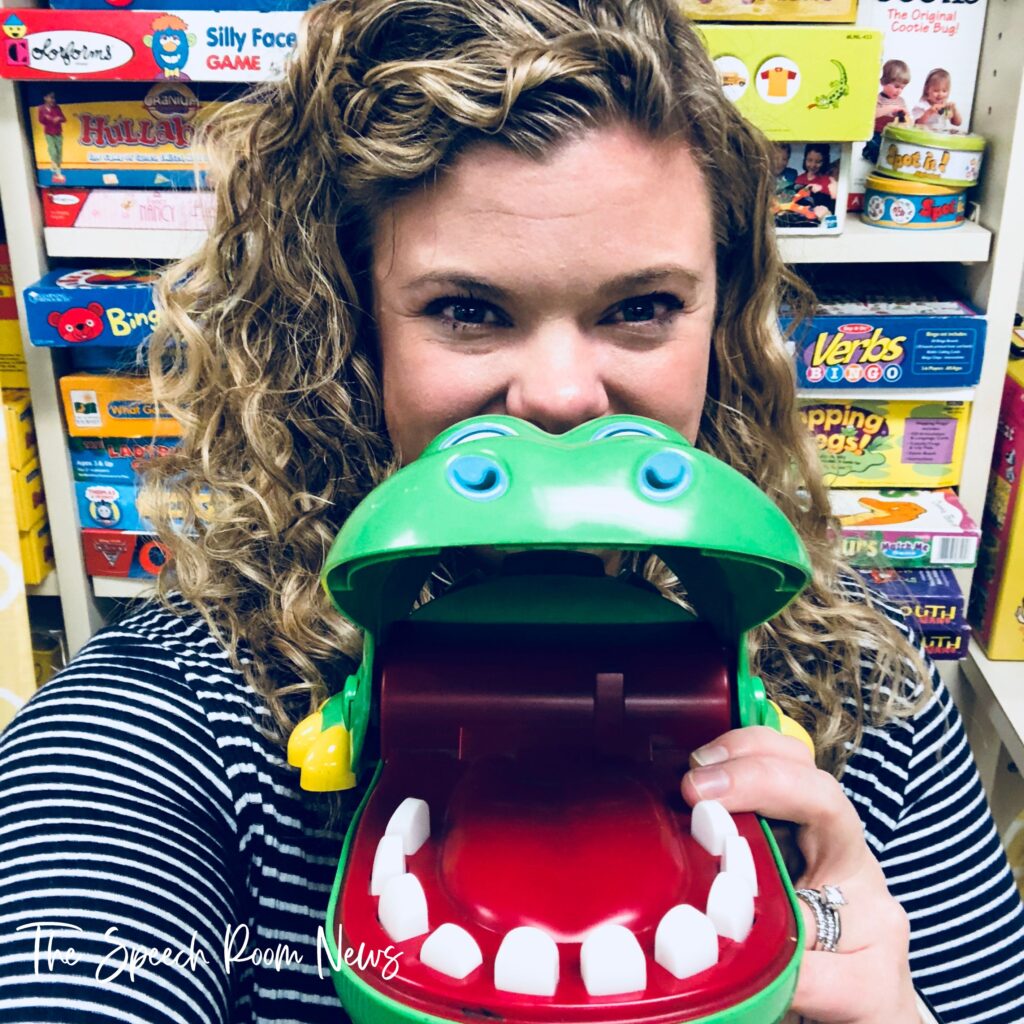
Specific thematic toys, such as a crocodile dentist game or an ice cream shop set, further illustrate this principle. A crocodile dentist toy can facilitate discussions on dental health (a common elementary theme), vocabulary related to teeth and hygiene, and articulation practice with words containing target sounds. An ice cream shop set, beloved by children, naturally elicits language related to food, colors, numbers, requests, and descriptive adjectives. It is also invaluable for targeting complex grammatical structures (e.g., "Put the chocolate on top of the vanilla"), prepositions, and social communication through role-playing. For preschool evaluations, such toys provide rich opportunities to assess vocabulary, mean length of utterance, and pragmatic skills in a naturalistic setting. The core benefit of this approach is its ability to transform everyday play items into powerful therapeutic tools, maximizing engagement while minimizing the need for extensive, goal-specific material creation.
5. Empowering AAC Users: Structured Core Word Instruction
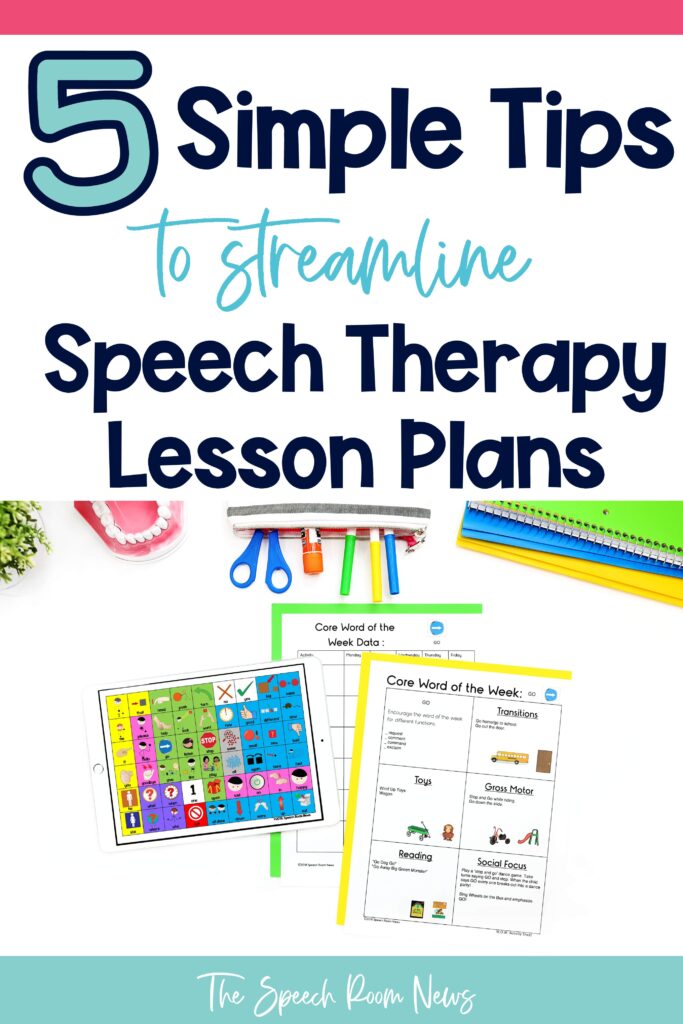
For students who rely on Augmentative and Alternative Communication (AAC), systematic and structured instruction is paramount. The "Core Word of the Week (WOW)" approach provides an excellent framework for streamlining lesson planning while ensuring consistent exposure and practice of essential vocabulary. Core words are a small set of highly functional words (e.g., "go," "want," "more," "stop," "in," "out," "up," "down") that account for a significant portion of daily communication. By focusing on a few core words each week or month, SLPs can create a predictable and collaborative learning environment.
This approach involves:
- Targeted core word selection: Focusing on a manageable number of high-frequency core words.
- Multi-modal instruction: Teaching the words through various activities, modeling their use on AAC devices, and providing opportunities for practice in different contexts.
- Team collaboration: Disseminating the "Core Word of the Week" to teachers, paraprofessionals, and parents, ensuring consistent modeling and encouragement across all environments. This holistic approach helps integrate AAC into the student’s entire day, fostering generalization and functional communication.
- Structured lesson plans: Providing pre-designed activities and materials for each target word, which can be easily adapted and shared among staff. This reduces the planning burden for individual SLPs and ensures that all team members are working towards the same communication goals.
The "AAC Core Word of the Week (WOW) Lessons" mentioned in the original context exemplify this methodology, offering ready-to-use materials that include visual supports, activity ideas, and communication boards. This structured framework not only streamlines planning but also enhances the overall effectiveness of AAC intervention by providing a consistent, collaborative, and pervasive learning experience for students.
Bonus Tip: The Essential "Grab and Go" Toolkit: Ensuring Preparedness
Beyond structured planning methodologies, every efficient SLP benefits from a curated collection of "grab and go" materials. These are pre-prepped, versatile resources that can be pulled out on short notice to address unexpected needs, serve as filler activities, or be utilized by substitute SLPs. Such a toolkit acts as a safety net, ensuring that therapy sessions remain productive even when unforeseen circumstances prevent extensive preparation.
Key components of a robust "grab and go" collection often include:
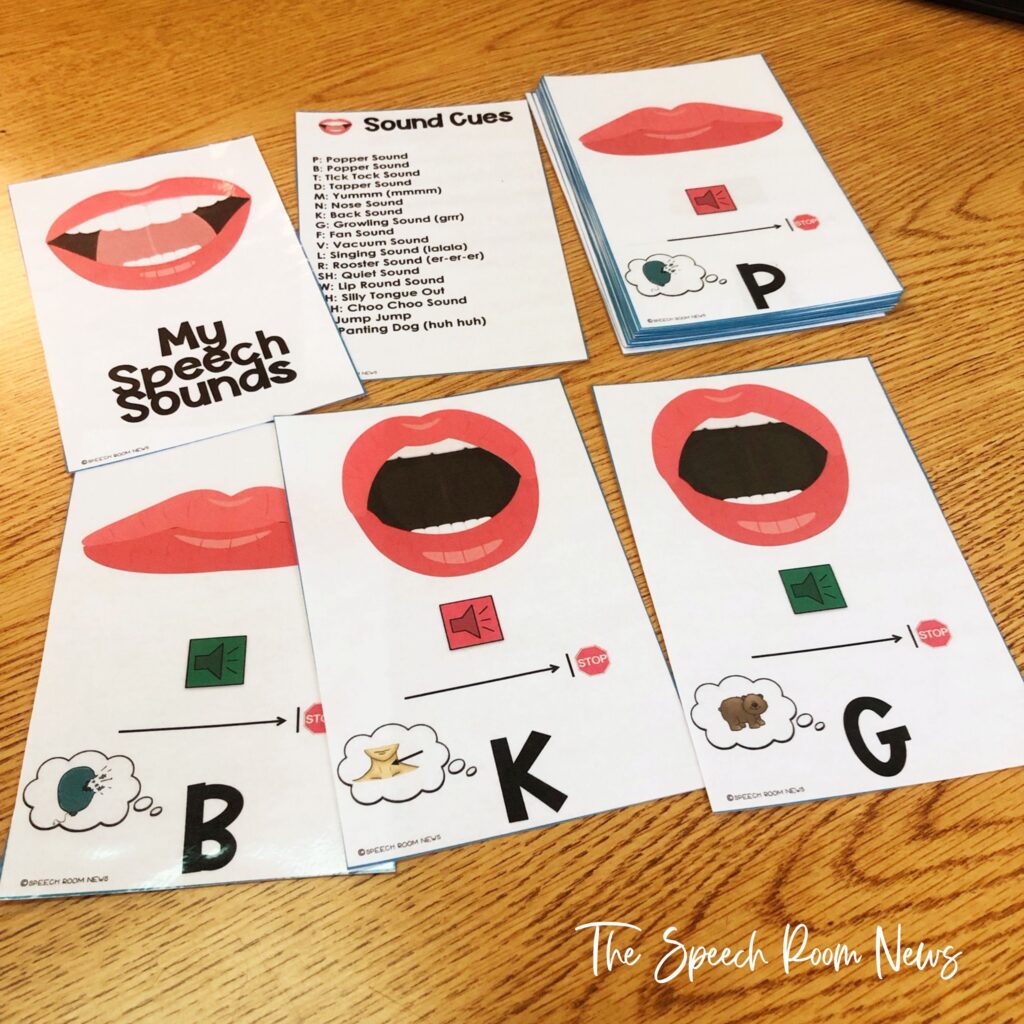
- Speech Helpers: Visual aids illustrating articulators and their functions, useful for explaining speech production to students.
- Behavior Supports: Visual schedules, first-then boards, token boards, or social stories to help manage behavior and transitions, promoting a more conducive learning environment.
- Articulation Cards: Sets of cards targeting various speech sounds at different word positions and complexity levels, easily adaptable for drill-and-practice or game-based activities.
- Speech Sound Articulation Posters: Visual references for target sounds, aiding in phonological awareness and sound production.
- Print & Go Articulation and Phonology Home Packets: Ready-to-send materials for home practice, fostering carryover and parental involvement without requiring additional prep time.
These materials are invaluable for maintaining continuity of care, providing immediate support, and ensuring that every minute of therapy time is maximized. They underscore the principle that strategic preparation is not about creating everything from scratch, but rather about assembling a flexible and responsive set of tools.
Broader Impact and Future Outlook
The adoption of these streamlined lesson planning strategies has profound implications for the field of speech-language pathology and the educational system as a whole. For SLPs, the reduction in administrative burden translates to less stress, reduced burnout, and greater job satisfaction, potentially mitigating the ongoing challenges of recruitment and retention in school settings. More importantly, by freeing up time previously spent on planning, SLPs can dedicate more energy to direct student interaction, data analysis, consultation, and professional development, ultimately enhancing the quality of services provided.
For students, the benefits are equally significant. Consistent, well-structured, and engaging therapy sessions, delivered by less stressed clinicians, lead to improved student engagement and, consequently, better communication outcomes. The emphasis on curriculum alignment and functional communication skills ensures that therapy is not just about isolated skill acquisition but about empowering students to succeed academically and socially within their broader environment.
As technology continues to advance, the availability of digital resources, interactive platforms, and online communities for SLPs will further enhance the ability to streamline planning and share effective materials. The future of speech-language pathology in schools lies in embracing these innovative approaches, moving towards a model that prioritizes efficiency and collaboration to deliver the highest possible quality of individualized care. By doing so, SLPs can continue to make a transformative impact on the lives of their students, fostering essential communication skills that underpin lifelong learning and participation.
