

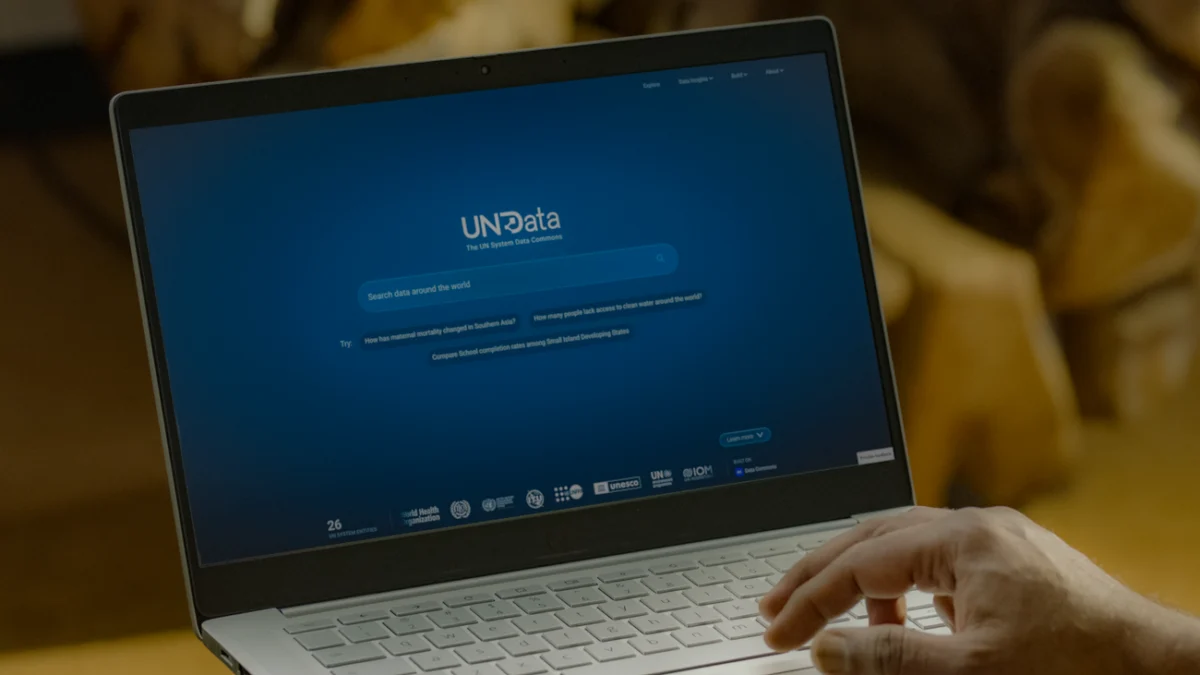
The United Nations system has officially unveiled the UN System Data Commons, a sophisticated, open-source platform designed to consolidate the world’s most critical statistical information into a single, AI-ready repository. Developed in collaboration with Google and supported by the UN Foundation through Google.org, this initiative represents a paradigm shift in how international organizations manage, share, and analyze the vast quantities of data required to address global crises. By integrating disparate datasets from across the sprawling UN network into a unified "knowledge graph," the platform aims to eliminate the technical barriers that have historically hindered real-time progress tracking for the Sustainable Development Goals (SDGs).
For decades, the various entities within the United Nations—ranging from the World Health Organization (WHO) and UNICEF to the International Labour Organization (ILO) and the World Bank—have functioned as the world’s primary custodians of high-integrity data. However, these statistics have traditionally existed in isolated silos. Different agencies utilized conflicting formats, varying geographic boundaries, and incompatible metadata standards. For data analysts, researchers, and policymakers, "connecting the dots" between child mortality rates, education access, and economic shifts often required months of labor-intensive manual cleaning and formatting. The launch of the UN System Data Commons seeks to transform this process from a multi-month ordeal into a near-instantaneous query, leveraging Google’s Data Commons technology to harmonize these complex information streams.
The Evolution of Global Data Management
The genesis of the UN System Data Commons lies in the recognition that modern global challenges—such as climate change, pandemics, and systemic poverty—are inherently interconnected. A public health crisis in one region cannot be fully understood without examining its economic triggers and its impact on educational continuity. Under the leadership of Prem Ramaswami, Head of Data Commons at Google, the project has focused on building a "knowledge graph" that links different data points through a common schema.
A knowledge graph differs from a traditional database in its ability to understand relationships between entities. Rather than merely storing numbers in a spreadsheet, the UN System Data Commons recognizes that a specific geographic coordinate in a UNICEF report on nutrition is the same location mentioned in a World Bank report on infrastructure. By mapping these relationships, the platform allows for a multi-dimensional view of global issues. This technological foundation is built on open standards, ensuring that the platform remains transparent and accessible to the public, rather than being locked behind proprietary software.
Technical Innovations: AI-Ready Architecture and Natural Language Processing
One of the most significant features of the new platform is its "AI-ready" architecture. In the current era of generative artificial intelligence, the utility of a dataset is often determined by how easily it can be processed by Large Language Models (LLMs). The UN System Data Commons utilizes the Model Context Protocol (MCP), an open standard that enables AI agents to autonomously fetch and interpret authoritative figures.
This "agentic" capability allows the platform to function as a high-level research assistant. Instead of a human researcher spending weeks compiling a report on the correlation between female literacy and maternal health in Southeast Asia, an AI agent can be prompted to retrieve the latest verified figures from the UN System Data Commons, generate comparative charts, and draft a summary based on the data. Crucially, because the AI is grounded in the UN’s verified statistical datasets, the risk of "hallucinations"—a common problem with standard AI models—is significantly mitigated. Users are encouraged to review the underlying sources, which are clearly cited, ensuring that every data point remains rooted in official, trusted facts.
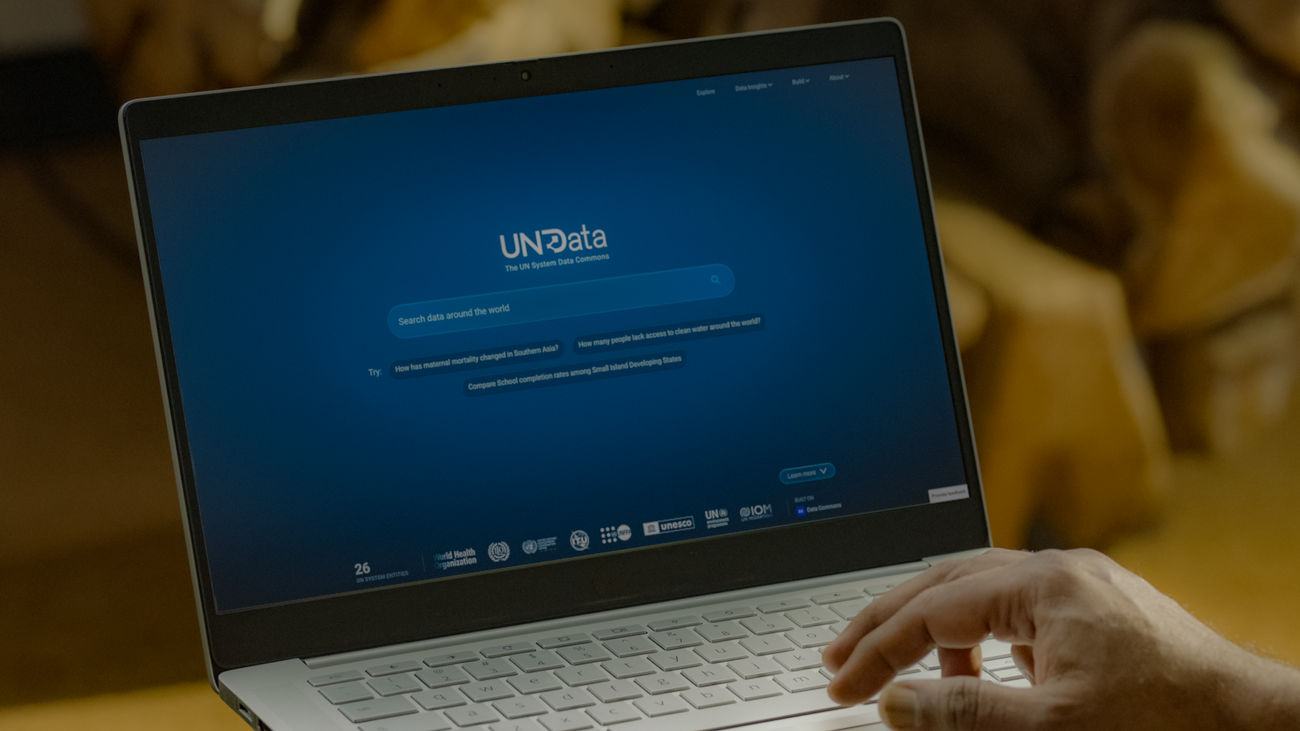
Furthermore, the platform introduces natural language search capabilities. This democratizes access to complex statistics, allowing individuals who may not have a background in data science—such as journalists, local non-profit leaders, or students—to interact with the data. A user can type a question such as "How has the rate of renewable energy adoption changed in landlocked developing countries over the last decade?" and receive not only the raw numbers but also interactive visualizations that illustrate the trend.
Strategic Timeline and Integration Goals
The launch of the UN System Data Commons is the first phase of a multi-year roadmap aimed at complete data transparency within the international system. The current iteration of the platform already hosts a significant volume of data, but the UN has set an ambitious goal for the near future. By 2027, the organization intends to have 80% of all UN system statistical datasets integrated into the Commons.
This timeline reflects the complexity of the task. Integrating data from dozens of agencies requires continuous collaboration between UN statisticians and technical experts to ensure that data integrity is maintained during the transition. The process involves:
- Validation: Every dataset added to the platform is reviewed by the originating agency’s technical team to ensure accuracy.
- Standardization: Data is mapped to a common set of geographic and temporal definitions.
- Expansion: New themes, including emerging data on digital transformation and blue economy metrics, are being prioritized for the next phase of integration.
The UN Foundation, which has served as a bridge between the UN and the private sector, emphasized that this project is not merely a technical upgrade but a strategic necessity. In a world increasingly characterized by misinformation, providing a centralized, verified "source of truth" is considered vital for maintaining the credibility of international institutions.
Implications for Global Policy and Research
The implications of a centralized, AI-driven data hub are profound for the global policy landscape. For the first time, policymakers can access a "real-time" dashboard of human development. Historically, the lag between data collection and publication meant that leaders were often making decisions based on information that was two to three years old. The UN System Data Commons narrows this gap, allowing for more responsive governance.
For researchers and academics, the platform removes the "data cleaning" bottleneck. It is estimated that data scientists spend up to 80% of their time preparing data and only 20% analyzing it. By automating the preparation phase, the UN System Data Commons allows the global scientific community to focus on the "why" behind the trends. This is particularly relevant for the 2030 Agenda for Sustainable Development. With only a few years remaining to achieve the SDGs, the ability to rapidly identify which interventions are working—and where progress has stalled—is essential.
The "Explore" tab and the "Blog" section of the platform also serve as educational tools. For instance, recent insights published on the platform used UNICEF data to explore global strategies that have successfully reduced child poverty. By highlighting "what works," the platform transitions from a passive archive to an active tool for social change.
Reactions from the International Community
While official reactions from all member states are still being compiled, early feedback from the international development community has been overwhelmingly positive. Data advocates have long called for a "One UN" approach to statistics, and this platform is seen as the realization of that vision.
Economists have noted that the open-source nature of the platform is a critical component. By making the data freely available to the public, the UN is fostering an ecosystem of innovation. Developers can build their own applications on top of the Data Commons API, potentially leading to new tools for tracking local environmental changes or monitoring regional economic health.
However, some experts caution that the success of the platform will depend on the continued participation of all UN entities. Maintaining the "integrity of the graph" requires every agency to commit to sharing their most recent data in a timely manner. There are also calls for increased investment in digital literacy to ensure that users in the Global South can fully utilize these advanced AI features.
A New Era of Evidence-Based Decision Making
The launch of the UN System Data Commons marks a significant milestone in the digital transformation of the United Nations. By bridging the gap between high-level statistics and actionable intelligence, the platform provides a roadmap for how technology can be harnessed for the global good.
As the platform continues to grow toward its 2027 integration goal, it will likely become the foundational infrastructure for global research. In an era where complex, overlapping crises require swift and informed action, the ability to instantly "connect the dots" across the world’s most trusted datasets is more than a convenience—it is a requirement for progress. The UN System Data Commons stands as a testament to the power of public-private partnerships, demonstrating that when the world’s leading technology firms and international bodies collaborate, the result is a more transparent, data-driven, and equitable future for all.
The platform is now live and accessible to the public at data.un.org, inviting the global community to explore, analyze, and contribute to the collective understanding of our world’s most pressing challenges.
