

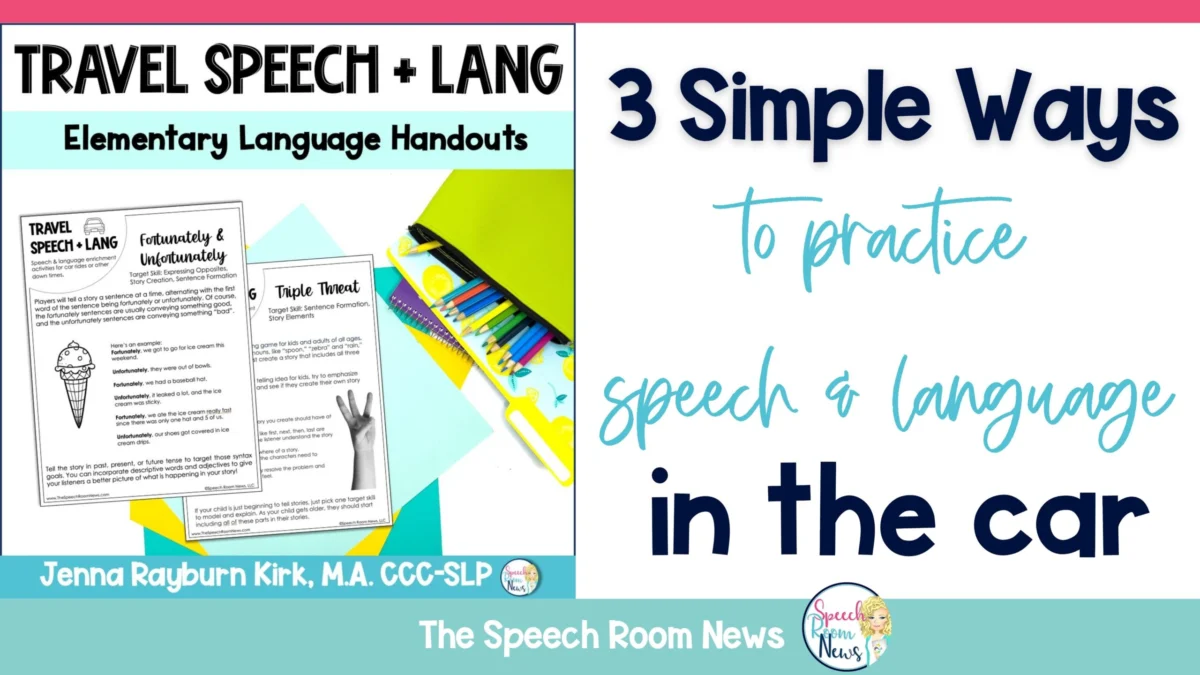
The challenge for many parents in today’s fast-paced world is finding dedicated time to foster their children’s speech and language skills. Amidst demanding schedules and competing priorities, moments for intentional developmental practice often appear scarce. However, an increasingly recognized and underutilized opportunity lies within the daily car commute, offering a unique, distraction-reduced environment ripe for engaging children in targeted linguistic exercises. This approach not only optimizes valuable time but also transforms routine travel into an interactive learning experience, crucial for a child’s cognitive and communicative growth.
The Criticality of Early Speech and Language Development
Speech and language development is a cornerstone of a child’s overall growth, impacting everything from academic success to social-emotional well-being. According to the National Institute on Deafness and Other Communication Disorders (NIDCD), approximately 8 to 9 percent of young children in the United States have a speech sound disorder. Furthermore, language delays affect a significant portion of the preschool population, with many children entering school without the foundational communication skills necessary for optimal learning. Unaddressed speech and language challenges can lead to difficulties in reading, writing, social interaction, and even self-esteem. Early intervention, characterized by consistent and targeted practice, is therefore paramount. When delays are identified, consistent reinforcement outside of formal therapy sessions becomes a critical factor in a child’s progress, making everyday environments, such as the family car, invaluable. Speech-language pathologists (SLPs) universally emphasize the profound impact of parental involvement and home-based practice in accelerating therapeutic outcomes.
The Unique Efficacy of the Automotive Classroom
The car commute, often viewed as merely a transitional period or a source of boredom for children, possesses inherent characteristics that make it an exceptionally effective setting for speech and language practice. Unlike busy home environments filled with toys, screens, and household chores, the enclosed space of a vehicle naturally minimizes external distractions. This ‘captive audience’ scenario encourages focused interaction between parent and child, fostering a direct and sustained communicative exchange that can be difficult to replicate elsewhere.
Moreover, car conversations provide a natural, rhythmic back-and-forth communication pattern. This organic flow is essential for developing pragmatic language skills, such as turn-taking, initiating conversations, and maintaining topics. The passing scenery and road signs also offer a rich, dynamic context for vocabulary expansion. Children are exposed to new words and concepts – from describing types of vehicles and buildings to interpreting traffic signs and discussing destinations – all within a meaningful and immediate context. This real-world exposure enhances semantic understanding and encourages descriptive language use. This shift from viewing commute time as passive travel to active learning aligns with contemporary pedagogical approaches that advocate for embedding educational opportunities within daily routines, making learning feel less like a chore and more like an integral part of life.
Structured Strategies for In-Car Language Enrichment
Leveraging the unique environment of the car, speech and language experts have developed practical, engaging games that target specific developmental goals. These strategies empower parents to become active participants in their child’s language journey, supplementing formal therapy and ensuring continuous progress.
1. The Grocery Game: Cultivating Question Formation and Semantic Skills
The "Grocery Game" is an ingeniously simple yet highly effective activity designed to enhance question formation and develop a child’s semantic network. One player secretly thinks of an item found in a grocery store. The other players then take turns asking "yes" or "no" questions to deduce the item.
-
Game Mechanics and Linguistic Targets: This game primarily targets question formation, requiring children to correctly structure interrogative sentences. For instance, instead of saying "It’s cold?" they learn to formulate "Is it in the freezer aisle?" or "Does it need to be refrigerated?" This practice is fundamental for syntactic development, helping children master the correct word order (e.g., auxiliary verb-subject inversion) in questions. Beyond syntax, the game implicitly targets a wide array of semantic skills:
- Functions: "Do you eat it for breakfast?" "Does it melt?"
- Actions: "Do you bite it?" "Can you pour it?"
- Categories: "Is it a fruit?" "Is it a dairy product?"
- Associates: "Does it go on bread?" "Is it something you drink with a straw?"
- Attributes: "Is it red?" "Is it crunchy?"
-
Cognitive and Developmental Benefits: By engaging in the Grocery Game, children not only practice verbal question-asking but also develop critical cognitive skills such as inference, categorization, and deductive reasoning. They learn to listen attentively to answers, process information, and formulate subsequent questions strategically. For children with language delays, this structured yet playful approach helps solidify foundational concepts of objects, their properties, and their relationships, which are vital for broader vocabulary acquisition and conceptual understanding. The open-ended nature of the game allows for varying levels of complexity, making it adaptable for children across different developmental stages.
2. Red Light Race: Enhancing Articulation Through Auditory Bombardment
"Red Light Race" is an articulation-focused activity that capitalizes on brief stops during the commute to provide concentrated practice on specific speech sounds. Articulation disorders, which involve difficulties producing speech sounds correctly, often benefit from repetitive exposure and practice.
-
Game Mechanics and Therapeutic Rationale: When the car stops at a red light, players take turns naming as many items as possible that contain a predetermined target sound within a chosen category. For example, if the target sound is /s/, and the category is "animals," a child might say "snake," "spider," "seal," "mouse," "horse." The adult counts the items named.
- The core therapeutic principle at play here is auditory bombardment. By consistently hearing the target sound modeled correctly by the adult and then producing it multiple times themselves, children’s phonological awareness is heightened. This repeated exposure helps them "tune in" to the sound, improving their ability to discriminate and produce it accurately.
- Adult Modeling: The adult’s role in modeling the target speech sound correctly is crucial. This provides a clear, consistent auditory input for the child.
- Adaptability: The game is highly adaptable. Categories can be broad (animals, foods, places) or specific (things found in a kitchen, words with two syllables). Target sounds can be chosen based on the child’s individual speech goals (e.g., /r/, /l/, /th/, /sh/, /ch/, /k/, /g/, /f/, /v/, /z/).
-
Broader Benefits: Beyond direct articulation practice, Red Light Race also encourages rapid word retrieval, categorization, and sustained attention. The competitive but supportive nature of the game can motivate children to engage more actively in what might otherwise be perceived as tedious repetition.
3. Triple Threat: Nurturing Narrative Skills and Sentence Complexity
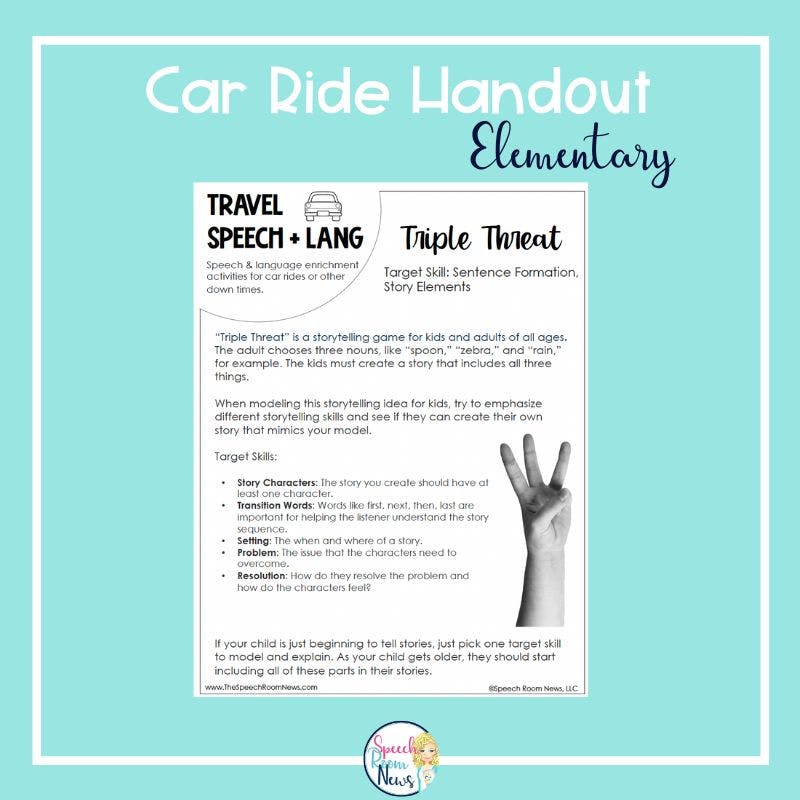
"Triple Threat" is a dynamic language game designed to stimulate creativity, sentence formation, and critical narrative skills, which are essential for academic success and effective social communication.
-
Game Mechanics and Linguistic Targets: The adult initiates the game by presenting the child with any three unrelated nouns. For example, "dog, milk, and bike." The child’s task is then to construct a coherent (or hilariously incoherent) story that incorporates all three items. This often leads to wonderfully imaginative and silly narratives.
- Sentence Formation and Complexity: The primary target skill is sentence formation, pushing children to move beyond simple subject-verb-object structures to create more complex and grammatically varied sentences. They practice combining ideas, using conjunctions, and employing descriptive language to weave the three disparate nouns into a cohesive story.
- Narrative Skills: This activity directly fosters narrative skills, including story grammar (setting, characters, initiating event, rising action, climax, falling action, resolution), sequencing events logically, and developing a plot. These skills are crucial for comprehension in reading, effective written expression, and social storytelling.
- Vocabulary and Creativity: Children naturally expand their vocabulary as they search for words to connect the nouns and elaborate on their story. The game also nurtures creativity and imaginative thinking, encouraging them to think outside the box and make unusual connections.
- Progression: The complexity can be adjusted by varying the difficulty of the nouns, adding a time limit, or requiring specific sentence structures (e.g., "use at least one adjective and one adverb").
-
Importance of Narrative Skills: Research consistently highlights the strong link between strong narrative skills in early childhood and later literacy achievement. The ability to tell and retell stories helps children understand plot, character development, cause and effect, and the structure of language itself, making Triple Threat a powerful tool for foundational literary development.
The Broader Impact: Empowering Parents and Complementing Therapy
These car-based activities represent more than just games; they embody a significant shift in how speech and language development can be supported. They empower parents by providing concrete, manageable strategies to integrate therapeutic practice into the fabric of daily life. This integration reduces the pressure on families to find extra time for "therapy homework" and instead transforms routine moments into productive learning opportunities.
Furthermore, by engaging children actively, these games naturally reduce reliance on passive screen time during commutes, fostering more meaningful parent-child interaction. For children receiving formal speech and language therapy, these home-based activities serve as a vital complement, reinforcing skills learned in clinic settings and promoting generalization of those skills to natural environments. This consistent reinforcement is key to solidifying new linguistic patterns and accelerating progress.
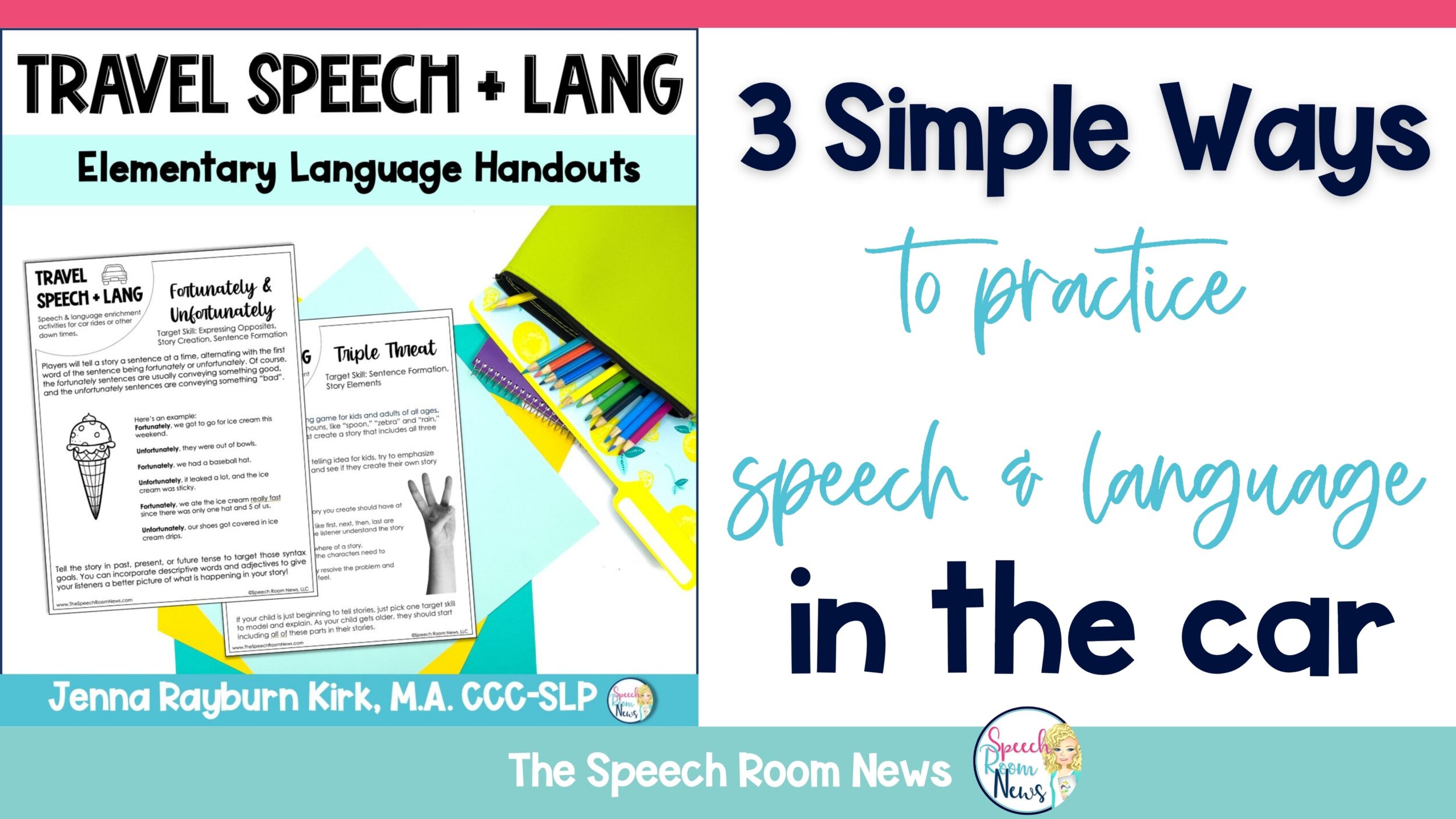
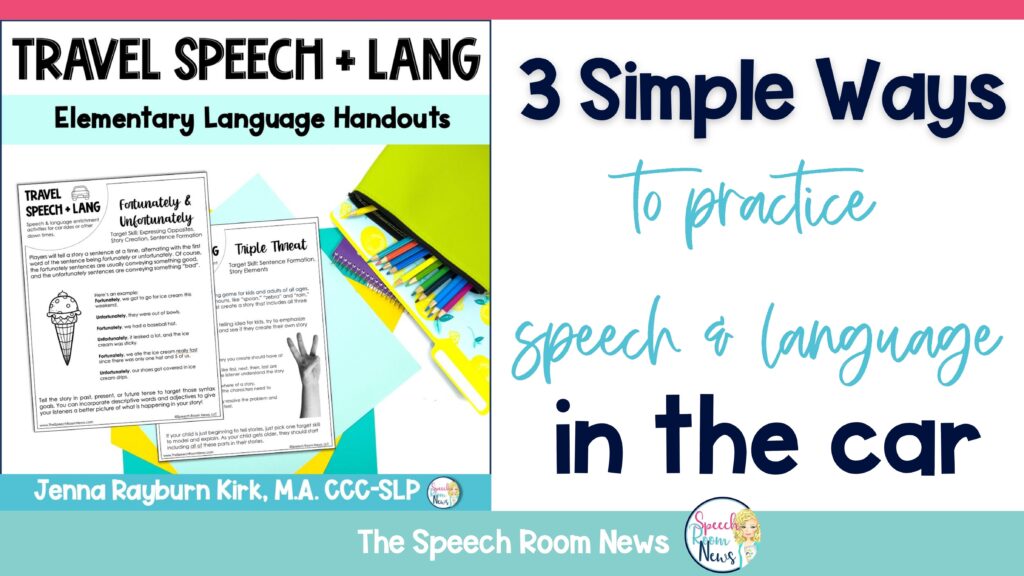
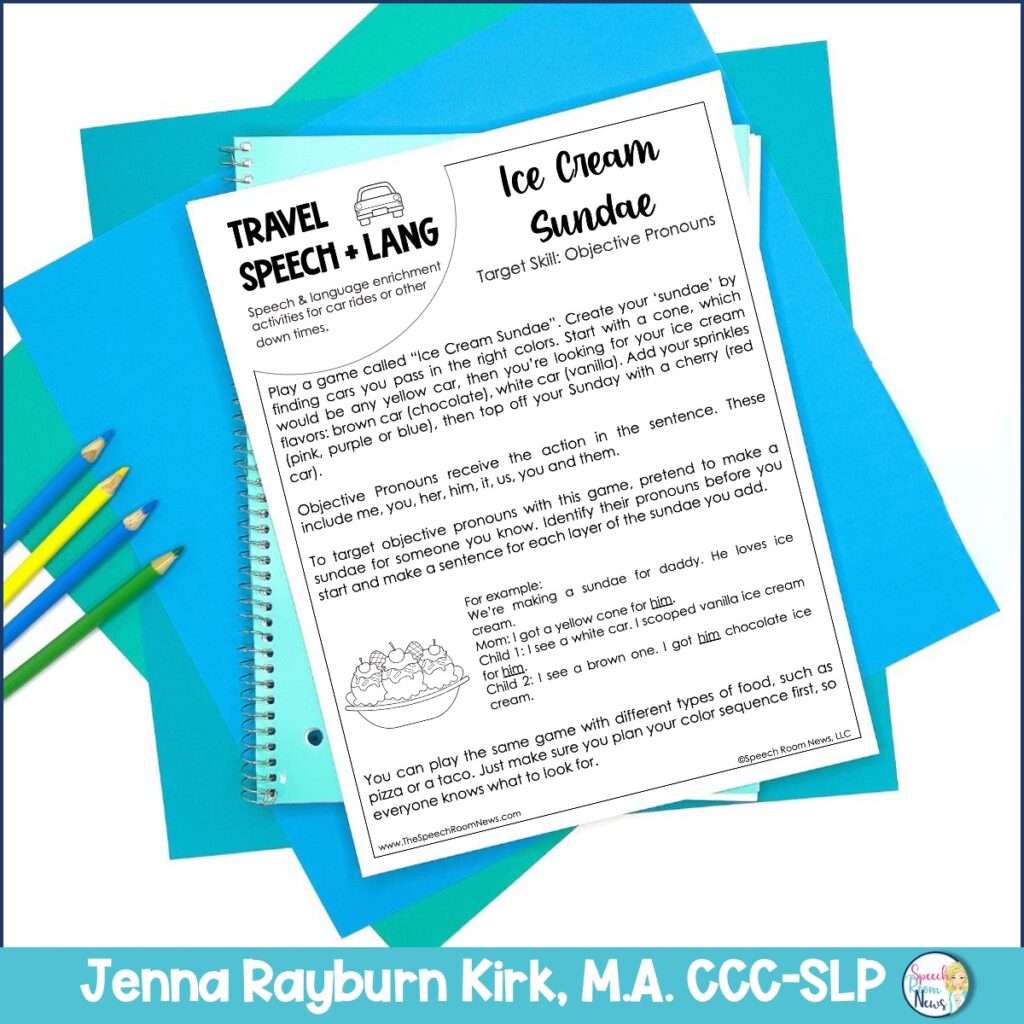
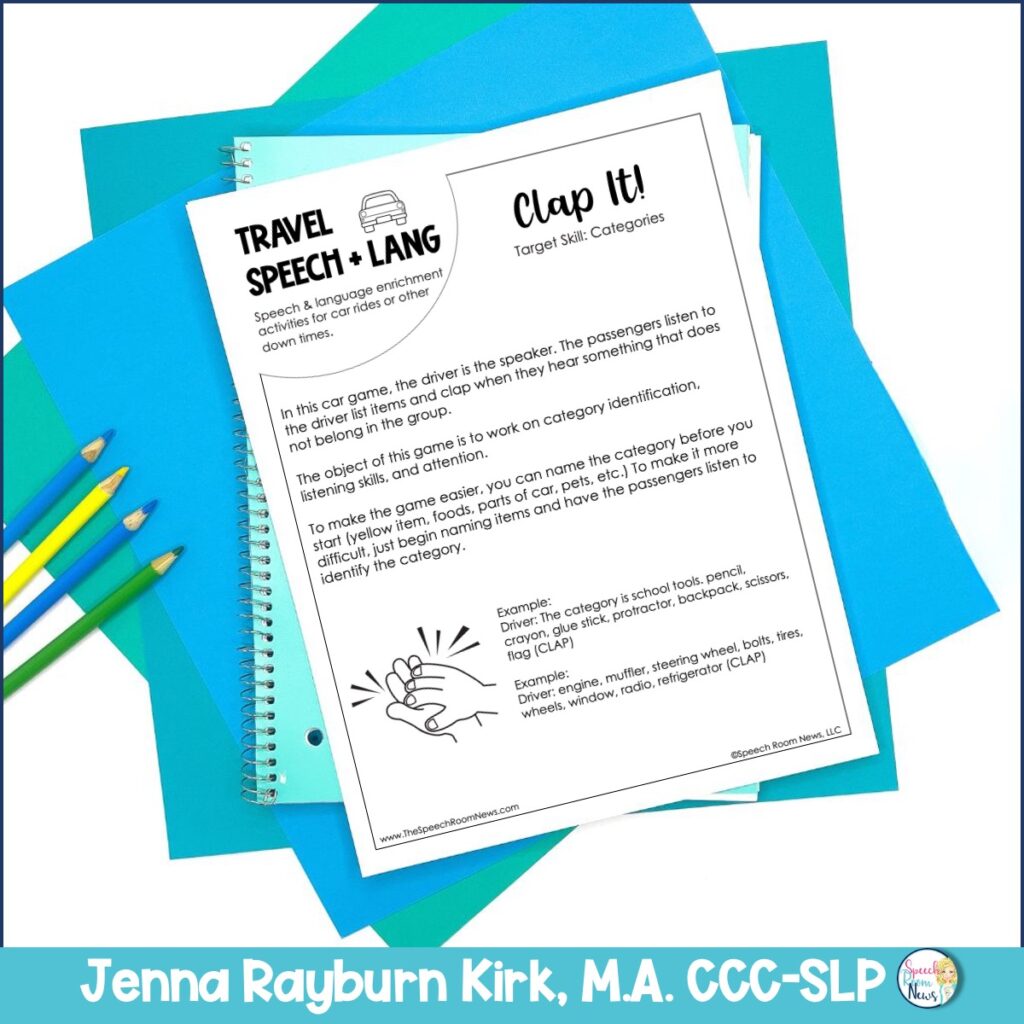
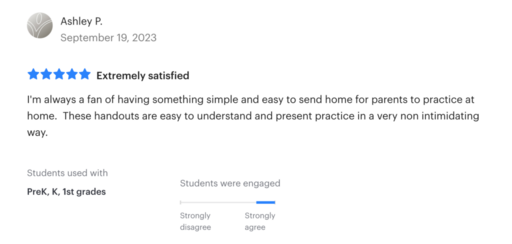
Speech-language pathology organizations and experts consistently advocate for strong parental involvement, recognizing that parents are a child’s primary communication partners. Resources such as the "Travel Speech and Language Bundle," which provides 30 parent handouts with practical explanations and examples for various car games, are instrumental in bridging the gap between clinical intervention and everyday practice. These resources equip parents with the tools and confidence to support their child’s development in practical, engaging ways, ensuring that therapeutic gains extend far beyond the clinic walls. Feedback from SLPs underscores the value of these resources, noting their utility in informing parents and providing actionable strategies that seamlessly fit into busy family lives.
Resources and Professional Advocacy
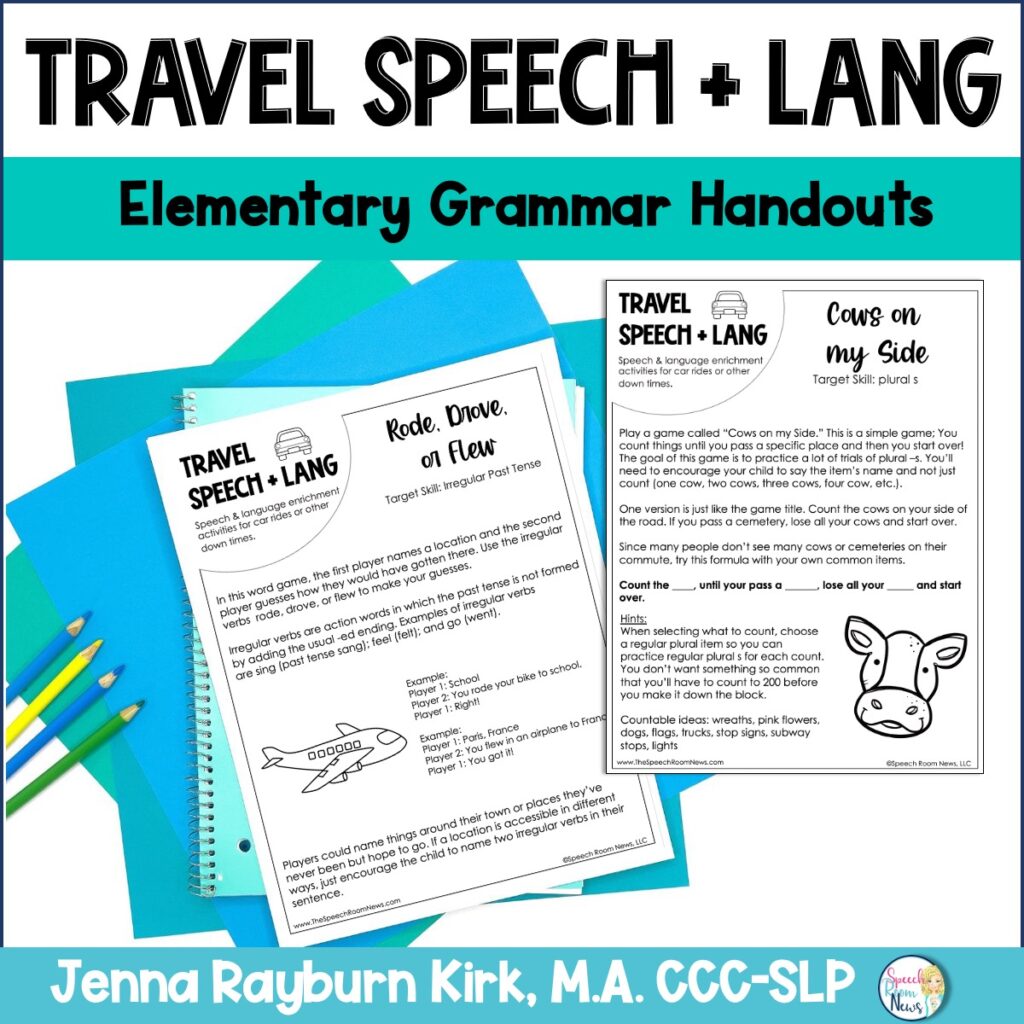
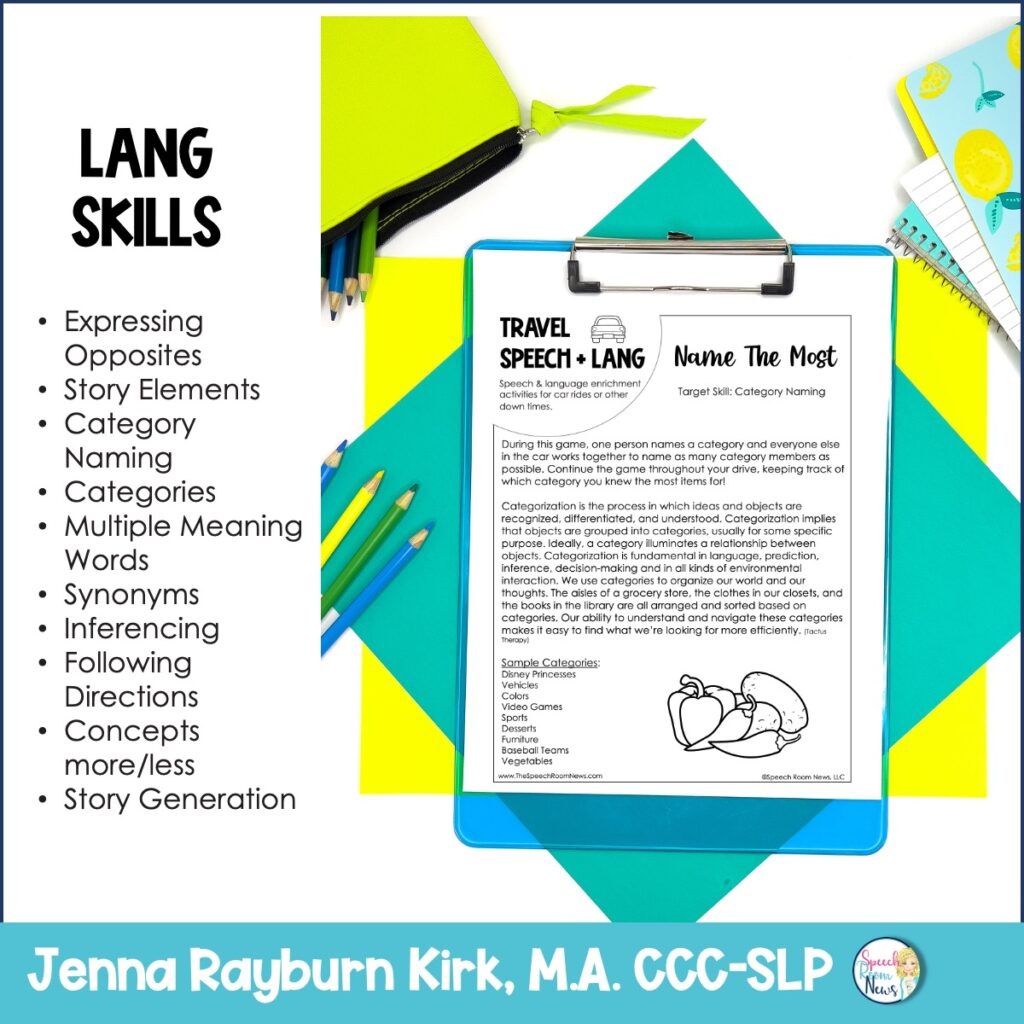
The demand for accessible and practical speech and language resources for parents is high. Comprehensive bundles, like the aforementioned "Travel Bundle for Speech and Language," offer invaluable support to both families and speech-language pathologists. Such resources typically include:
- Detailed Game Instructions: Clear, concise explanations of how to play each game.
- Target Skill Identification: Explicitly stating which speech and language skills each game addresses.
- Examples and Variations: Providing multiple examples and suggestions for adapting games to suit different ages and developmental levels.
- Parent-Friendly Language: Written in an easy-to-understand format that empowers parents, rather than overwhelming them with clinical jargon.
These resources are not only beneficial for parents seeking to help their children but also for SLPs who can utilize them to create engaging homework assignments, informative bulletin board displays, or comprehensive parent education handouts. By making such practical tools readily available, the professional community reinforces its commitment to collaborative care and empowering families. Access to free samples, often provided through online resource libraries, further lowers barriers for parents and professionals to explore these effective strategies.

Conclusion
The daily car commute, once considered merely transit time, holds immense potential as an accessible and effective environment for fostering speech and language development in children. By embracing structured, engaging activities like the "Grocery Game," "Red Light Race," and "Triple Threat," parents can transform routine journeys into dynamic learning sessions. These expert-backed strategies not only address specific linguistic goals, from question formation and articulation to narrative skills, but also empower parents, reduce screen time, and significantly complement formal therapy. As speech-language pathologists continue to advocate for integrated, naturalistic approaches to intervention, leveraging everyday opportunities like car rides stands out as a practical, impactful, and enjoyable pathway to enhancing a child’s communicative competence and overall developmental trajectory.
