


Curriculum Night, an established event in the academic calendar, has evolved significantly from its traditional focus on classroom academics to encompass the vital contributions of specialized support staff, including Speech-Language Pathologists (SLPs). This annual gathering offers a critical platform for SLPs to connect with parents, demystify the scope of speech and language therapy, and underscore its integral role within a child’s educational journey. For many parents, this evening represents their primary opportunity to gain insight into the specialized services their children receive, making an SLP’s presence and presentation paramount to fostering understanding, collaboration, and ultimately, enhanced student outcomes.
The Evolving Landscape of Curriculum Night and the SLP’s Integral Role
Historically, Curriculum Night, often known as Open House or Back-to-School Night, primarily served as an introduction to classroom teachers and an overview of the academic curriculum. Parents would typically navigate from classroom to classroom, learning about subjects like math, science, and literacy. However, as educational paradigms have shifted towards a more inclusive and holistic approach to student development, the scope of these evenings has broadened considerably. Modern Curriculum Nights increasingly recognize the multidisciplinary team that supports a child’s learning, including special education teachers, occupational therapists, physical therapists, school psychologists, and, critically, Speech-Language Pathologists.
This evolution can be traced back to the implementation of landmark legislation such as the Individuals with Disabilities Education Act (IDEA) in the United States, which emphasizes parental involvement and the provision of Free Appropriate Public Education (FAPE) in the Least Restrictive Environment (LRE). These mandates necessitate robust communication between schools and families regarding all aspects of a student’s educational plan, including related services like speech-language therapy. Consequently, Curriculum Night has transformed into an essential touchpoint for specialists to explain their roles, articulate therapeutic goals, and empower parents as active partners in their child’s progress.
For an SLP, Curriculum Night is not merely a formality but a strategic engagement opportunity. It is a chance to showcase the intricate and often misunderstood work involved in addressing communication disorders, ranging from articulation and fluency to language processing and social communication. In districts that embrace a comprehensive approach, like the preschool special education program described in anecdotal reports, parents are offered a menu of specialized topics—communication, play, behavior, sensory integration, home routines, fine motor skills—allowing them to tailor their learning experience. This model exemplifies best practices in parent engagement, fostering a collaborative environment where specialized services are not just offered but actively explained and integrated into family life.

Strategic Engagement: Crafting Impactful Presentations
The cornerstone of an effective Curriculum Night presence for an SLP lies in the strategic selection and meticulous preparation of a presentation topic. Unlike classroom teachers who cover a defined curriculum, SLPs have the flexibility to address a wide array of communication-related issues. The key differentiator for a successful presentation is its ability to resonate directly with parents’ concerns and interests, moving beyond a generic overview of the SLP’s role to offer targeted, valuable insights.
Data consistently highlights the prevalence of communication disorders among school-aged children. According to the National Institute on Deafness and Other Communication Disorders (NIDCD), approximately 1 in 12 children aged 3-17 years in the U.S. has had a disorder of speech, voice, swallowing, or language in the past 12 months. This statistic underscores the widespread need for clear, accessible information regarding speech-language development and intervention. When choosing a topic, SLPs are advised to consider common parental queries, developmental milestones, and areas where home support can significantly augment therapeutic progress.
For instance, rather than a broad talk on "what an SLP does," a topic like "Understanding Your Child’s Speech Milestones and How to Support Them at Home" offers immediate relevance. Other impactful themes could include:
- Early Language Development: Nurturing Communication from Infancy to Preschool: Addressing foundational skills and early intervention.
- Beyond Words: Exploring Augmentative and Alternative Communication (AAC) Options: Demystifying complex communication tools for parents of children with significant communication challenges.
- The Link Between Speech and Literacy: How Oral Language Skills Impact Reading and Writing: Highlighting the interconnectedness of communication domains.
- Strategies for Enhancing Social Communication in Children: Providing practical advice for navigating social interactions.
- Fluency Disorders (Stuttering): Support Strategies for Home and School: Offering guidance and reassurance to parents of children who stutter.
The implication of a well-chosen topic extends beyond mere information dissemination; it builds trust and positions the SLP as a knowledgeable, approachable resource. When parents perceive the information as directly applicable to their child’s needs, their engagement level rises, fostering a stronger home-school partnership.
Bridging the Gap: Addressing Real-World Parental Challenges

A critical principle guiding an SLP’s Curriculum Night presentation is the imperative to solve real problems parents are facing. It is insufficient to merely present information about speech and language development or therapeutic techniques; the presentation must offer actionable solutions to the everyday challenges and concerns that parents navigate. This approach transforms the SLP from an abstract service provider into a tangible partner in a family’s journey.
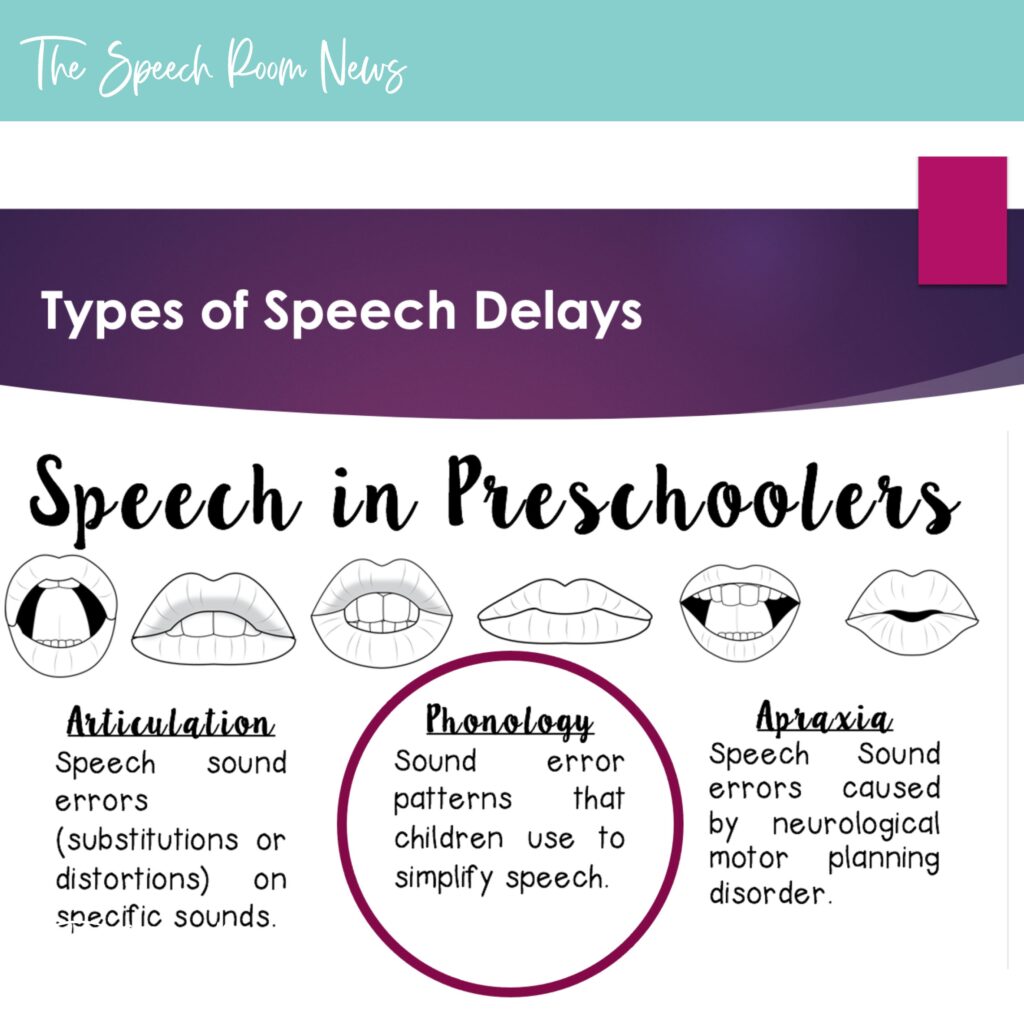
Research in educational psychology consistently demonstrates that parental stress and anxiety often stem from a lack of understanding regarding their child’s specific needs and, crucially, a perceived inability to effectively support them at home. When SLPs directly address these concerns, providing practical, implementable strategies, they empower parents and alleviate anxieties. For example, instead of explaining the intricacies of phonological processes, an SLP might focus on "Five Easy Games to Practice Speech Sounds at Home" or "Integrating Language Practice into Daily Routines."
Consider the common parental worry about limited progress. An SLP addressing this might present "Effective Home Practice: Maximizing Therapy Outcomes Through Daily Engagement." This shifts the focus from passive reception of information to active participation. Data suggests that consistent parental involvement and home practice can significantly boost the generalization of skills learned in therapy, with some studies indicating an improvement in therapy outcomes by as much as 30-40% when parents are actively engaged in supporting goals outside of sessions.
School administrators and parent advocacy groups frequently emphasize the need for clear, actionable advice. Dr. Eleanor Vance, a hypothetical educational psychologist specializing in family engagement, might state, "Parents are seeking guidance that can be immediately applied. When specialists offer concrete strategies, they not only educate but also equip families, fostering a sense of capability and partnership." This focus on practical solutions strengthens the collaborative relationship, demonstrating the tangible impact of speech-language therapy on a child’s development and equipping parents with confidence in their ability to support their child.
Clarity is Key: Demystifying Speech-Language Pathology with Parent-Friendly Language
One of the most significant barriers to effective parent-specialist collaboration in special education is the pervasive use of jargon and acronyms. SLPs, like many professionals in specialized fields, operate within a lexicon that can be entirely alien to those outside the profession. Terms such as "phonological awareness," "pragmatics," "augmentative and alternative communication (AAC)," "IEP," and "FAPE" are commonplace within professional discourse but can render parents feeling overwhelmed, confused, and alienated during presentations.
The experience of sitting through a presentation filled with unfamiliar terminology can be deeply frustrating, diminishing comprehension and engagement. To counteract this, SLPs must commit to using parent-friendly language, simplifying complex concepts without patronizing their audience. The analogy of explaining concepts to a fifth grader, as proposed by the original author, is a highly effective guiding principle. It mandates a conscious effort to strip away technical terms and replace them with clear, relatable explanations.
For instance, instead of discussing "morphosyntax," an SLP could talk about "how children learn to put words together to make sentences." Rather than "articulation disorder," one might explain "difficulty making certain speech sounds." When acronyms are unavoidable (e.g., IEP), they must be introduced, spelled out, and thoroughly explained in plain language, ideally with a tangible example.
Professional organizations like the American Speech-Language-Hearing Association (ASHA) consistently advocate for clear, jargon-free communication as a cornerstone of ethical practice and effective family engagement. Studies on communication barriers between healthcare providers and patients (a parallel to SLPs and parents) reveal that a significant portion of information is often misunderstood or forgotten due to complex language. By intentionally simplifying their language, SLPs not only ensure comprehension but also build rapport and trust, empowering parents to feel informed and respected as integral members of their child’s educational team.
Empowering Families: The Value of Hands-On Resources and "Make and Take" Activities
To transcend the traditional lecture format and deepen parental engagement, incorporating an interactive "Make and Take" activity into a Curriculum Night presentation can be profoundly effective. This hands-on approach transforms passive listening into active participation, providing parents with tangible tools they can immediately utilize to support their child’s speech and language development at home.
The benefits of experiential learning are well-documented in educational research. When individuals actively participate in creating a resource, they develop a deeper understanding of its purpose and function, and are more likely to implement it. For parents, this means leaving Curriculum Night not just with ideas, but with a concrete, personalized item that reinforces the therapeutic concepts discussed.
Examples of "Make and Take" activities that SLPs can facilitate include:
- Simple Communication Boards: For non-verbal or minimally verbal children, parents can create basic picture-based communication boards tailored to daily routines (e.g., "I want," "more," "eat," "play").
- Articulation Practice Kits: Parents can assemble small kits containing flashcards for target sounds, a mirror for visual feedback, and a short list of game ideas to practice sounds.
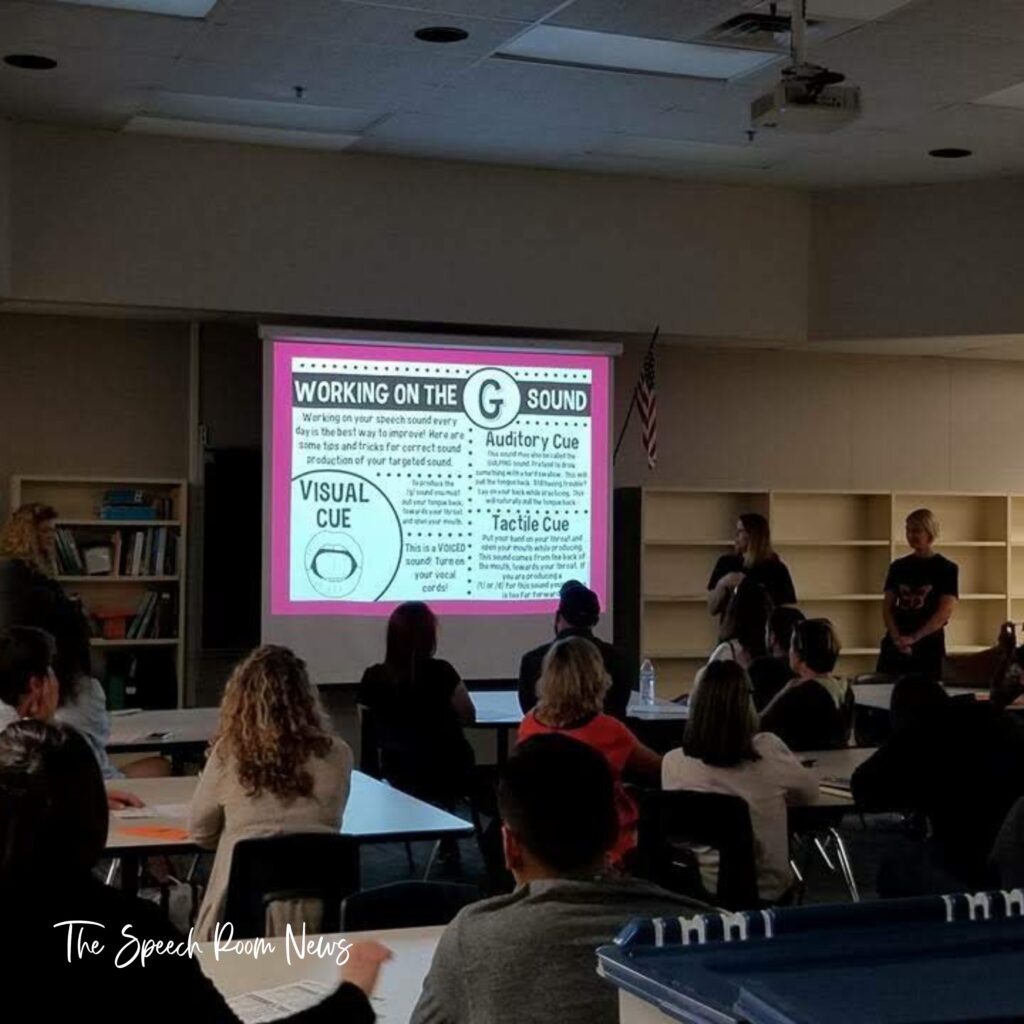
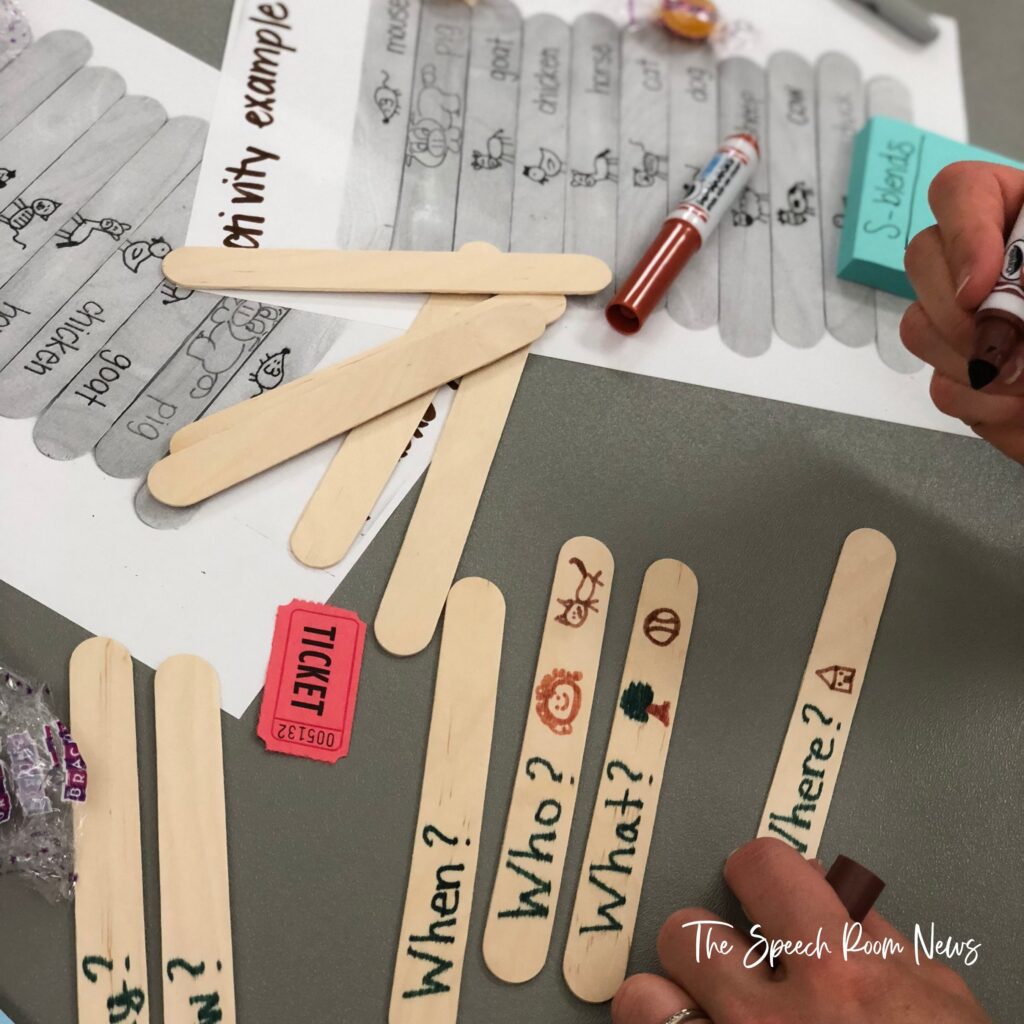
- "Wh-" Question Sticks: Crafting popsicle sticks with "who," "what," "where," "when," "why" written on them, along with simple instructions on how to use them during story time or daily conversations to prompt language development.
- Sensory-Friendly Communication Tools: Creating visual schedules or "first-then" boards for children who benefit from structured routines.
This approach aligns with pedagogical principles that emphasize active construction of knowledge. By engaging in a "Make and Take," parents not only gain a practical tool but also internalize the importance of their role in the therapeutic process. It fosters a sense of shared ownership and responsibility, illustrating how the home environment can become an extension of the therapy room. This strategy leaves a lasting impression, moving beyond a fleeting presentation to provide valuable, enduring resources that empower parents to be proactive advocates and facilitators of their child’s communication growth.
Sustaining Support: The Indispensable Role of Informative Handouts
While interactive activities enhance immediate engagement, the provision of comprehensive, informative handouts is crucial for ensuring the long-term impact of a Curriculum Night presentation. Parents, faced with an evening of multiple presentations and a deluge of new information, are unlikely to retain every detail. Handouts serve as an invaluable reference guide, a tangible anchor for the discussion, and a reminder of key strategies and resources.
Effective handouts should encapsulate the core message of the presentation, summarizing key points, offering actionable strategies, and providing relevant resources. These materials act as a bridge between the presentation and the home environment, enabling parents to revisit concepts, refresh their memory on techniques, and integrate new practices into their daily routines.
Essential components of a robust parent handout include:
- Summary of Key Concepts: A concise overview of the topic presented, devoid of jargon.
- Actionable Home Strategies: Specific, easy-to-implement tips for supporting speech and language development (e.g., "Model target sounds," "Expand on your child’s utterances," "Use open-ended questions").
- Developmental Milestones: Age-appropriate benchmarks for speech and language, offering a context for their child’s progress.
- Recommended Resources: A curated list of books, websites, apps, or local community programs that can offer further support.
- Contact Information: Clear details on how parents can reach the SLP for further questions, concerns, or to schedule follow-up discussions.
Cognitive science underscores the importance of external aids for memory retention. Handouts serve as a concrete external memory, allowing parents to absorb information at their own pace and refer back to it as needed. Moreover, providing such resources demonstrates an SLP’s commitment to ongoing support and accessibility, reinforcing the collaborative partnership. School districts often mandate the provision of comprehensive take-home materials for special education services, recognizing their critical role in ensuring equitable access to information and fostering continuity of care. Such materials can be found through professional platforms like TeachersPayTeachers, offering readily available, high-quality resources for SLPs.
Broader Implications: Strengthening the Educational Ecosystem
The diligent application of these strategies by Speech-Language Pathologists at Curriculum Night yields far-reaching benefits that extend beyond individual student progress, positively impacting the entire educational ecosystem.
Firstly, enhanced parent engagement directly correlates with improved student outcomes. When parents are informed, empowered, and equipped with practical strategies, they become effective co-therapists in the home environment. This consistency and generalization of skills from therapy sessions to daily life can accelerate progress, reduce the duration of intervention, and lead to more robust, lasting communication abilities for students.
Secondly, effective Curriculum Night presentations bolster parent-school collaboration. By fostering transparent communication, addressing concerns, and offering actionable support, SLPs build trust and rapport with families. This strengthens the overall partnership between home and school, reducing potential misunderstandings, fostering a shared sense of responsibility, and creating a cohesive support network around the child. Parents who feel heard and understood are more likely to advocate effectively for their children and engage proactively with the school system.
Finally, a strong SLP presence at Curriculum Night elevates the professional standing and visibility of speech-language pathology within the school community. It educates the broader parent body, many of whom may not realize the extensive scope of an SLP’s work, from articulation and language to feeding, swallowing, and social communication. This increased awareness can lead to earlier referrals, better understanding of diagnostic processes, and a greater appreciation for the vital role SLPs play in ensuring all students have access to effective communication—a fundamental human right and a prerequisite for academic success and social-emotional well-being.
In conclusion, Curriculum Night for Speech-Language Pathologists is far more than a routine event; it is an indispensable opportunity for strategic engagement, education, and empowerment. By thoughtfully choosing relevant topics, addressing real parental concerns, communicating clearly, offering hands-on resources, and providing informative handouts, SLPs can transform this annual gathering into a powerful catalyst for student success and a cornerstone of effective home-school collaboration. The long-term implications are profound, fostering a more informed, engaged, and supportive community that collectively champions the communication needs of every child.
