

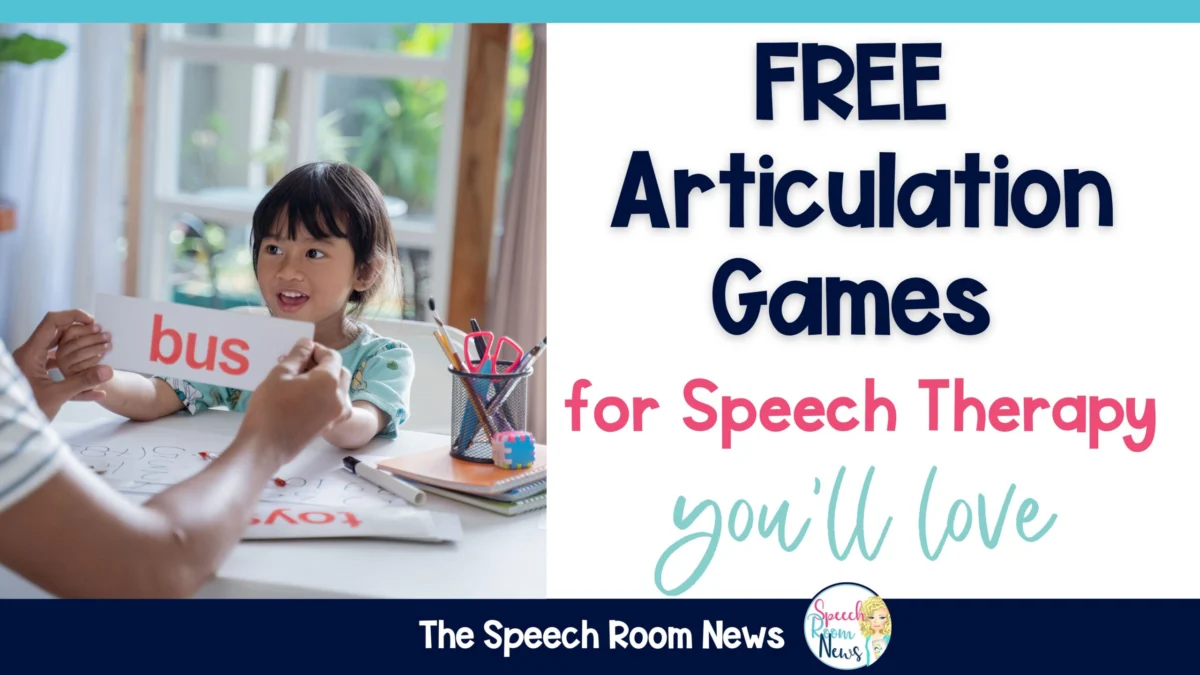
The landscape of speech-language pathology is undergoing a significant transformation, driven by a growing recognition of the power of play-based learning and the increasing availability of innovative, cost-free resources. Integrating engaging games into therapy sessions has emerged as a critical strategy to boost student engagement, foster memory retention, and facilitate the crucial generalization of language skills into daily life. This shift is particularly impactful for articulation therapy, where repetitive practice is essential but often challenging to sustain. Whether conducted virtually, in-person, or through hybrid models, speech therapy now benefits from a wealth of readily available, no-cost tools designed to make practicing speech sounds both effective and enjoyable for young learners.
The evolution of speech therapy has historically relied on structured, often repetitive drills, flashcards, and direct instruction. While effective, these traditional methods sometimes struggled to maintain high levels of student motivation, especially among younger children who naturally gravitate towards play. The inherent challenges included limited resources for therapists, the burden of material creation, and the difficulty of ensuring consistent practice outside the clinical setting. The concept of "carryover" – applying learned skills in natural environments – has always been a cornerstone of successful therapy, yet achieving it often required significant effort from both therapists and families.
A pivotal shift began with the advent of digital technology and the internet, which gradually introduced new possibilities for interactive learning. This evolution accelerated dramatically with the global pandemic, which necessitated a rapid pivot to teletherapy and highlighted the urgent need for versatile, accessible, and engaging digital resources. Suddenly, speech-language pathologists (SLPs) and educators found themselves exploring online platforms and printable materials with renewed vigor, seeking tools that could bridge the gap between clinical instruction and home-based practice. The pedagogical benefits of play-based learning, long understood in early childhood education, found a new application in therapeutic contexts, demonstrating that children learn most effectively when they are actively engaged and enjoying the process. Research consistently shows that a playful environment reduces anxiety, increases motivation, and improves cognitive functions such as memory and problem-solving, all of which are critical for language acquisition and articulation development. Studies published in journals like the American Journal of Speech-Language Pathology have increasingly documented the positive impact of gamified approaches on therapy adherence and outcomes.

A significant development in this evolving landscape is the proliferation of interactive online games specifically designed to enhance articulation skills. These digital platforms leverage technology to create dynamic learning environments that resonate with today’s digitally native children. Among the leading free online resources that have become invaluable tools for SLPs and parents alike are platforms like ABCya’s “Alphabet BINGO.” This game, primarily aimed at younger students, transforms letter sound practice into an exciting bingo challenge, where identifying sounds is rewarded, fostering early phonological awareness in an engaging, low-pressure format. Its intuitive interface and colorful design cater to short attention spans, making it an ideal warm-up or reinforcement activity.
Another cornerstone of digital articulation practice is the Lite Version of the Articulation Station App. Available for download on various devices, this free iteration offers a selection of sound options and interactive games that maintain high student engagement. Its structured approach allows children to practice sounds in isolation, syllables, words, phrases, and sentences, often incorporating visual cues and auditory feedback. The app’s design facilitates independent practice, empowering children to work on their target sounds even outside direct therapy sessions, a crucial component for consistent progress. The accessibility of such an app on a ubiquitous device like a tablet or smartphone means that therapy can extend beyond the clinic, transforming everyday moments into learning opportunities.
Language Playroom stands out as a dedicated online hub, currently offering twenty free games focused on articulation, with a stated commitment to continuously expanding its collection to include fluency, language, and social communication activities. This platform exemplifies the growing trend of specialized educational content providers focusing on speech and language development. The variety of games ensures that therapists can select activities tailored to specific articulation targets and individual student preferences, preventing monotony and sustaining interest over time. The interactive nature of these games, often involving drag-and-drop mechanics or immediate feedback, provides a dynamic learning experience that traditional worksheets often cannot replicate.
Phoneme Pop offers a more direct and visually stimulating approach, allowing children to "pop" bubbles containing words with their target sounds. This simple yet effective game capitalizes on children’s natural inclination towards interactive screen elements, providing instant gratification and reinforcing correct sound identification and production. The repetitive action within a fun context helps solidify new motor patterns required for speech production, making the arduous task of articulation practice feel less like work and more like play.

Finally, Boom Cards have emerged as a versatile and widely adopted digital resource. While many decks are premium, a vast array of free Boom Card decks for various articulation sounds can be found on platforms like Teachers Pay Teachers and Boom Learning. These interactive, self-grading digital task cards offer a flexible format that can be used in virtual sessions, on interactive whiteboards, or on individual devices. Their gamified structure often includes drag-and-drop, multiple-choice, and fill-in-the-blank activities, providing immediate feedback that is essential for self-correction and skill acquisition. The popularity of Boom Cards underscores the demand for engaging, low-prep digital materials that can be easily integrated into diverse therapy settings. The data collection features inherent in many Boom Card decks also provide therapists with valuable insights into student performance and progress, streamlining assessment and progress monitoring.
Beyond the digital realm, printable games continue to hold immense value, particularly for those who prefer hands-on activities, wish to minimize screen time, or require materials for home practice. These resources offer a tangible, tactile experience that complements digital learning and supports diverse learning styles. Super Duper Publications, a long-standing provider of educational materials, offers a selection of free printable worksheets and activities for therapy. These often include word lists, coloring sheets, and simple games that can be easily integrated into a session or sent home for additional practice, reinforcing skills learned in the clinic.
Specialized printable games further enrich the toolkit. The "Whack-a Sound /S/ Self-Checking Articulation Freebie," for example, is designed for preschool through second-grade students. This game helps children identify the position (initial, medial, or final) of a target sound within words, a critical step in developing phonological awareness and articulation precision. The self-checking element empowers students to monitor their own progress, fostering independence and meta-cognitive skills. Similarly, the "Hot Chocolate Articulation Board Game" offers a thematic and engaging way to practice target words, particularly during colder months. Therapists can prepare flashcards with target words, and students advance on the board by correctly articulating the words, combining turn-taking, game mechanics, and speech practice. This type of game promotes interaction and conversational turn-taking, which are vital for generalizing articulation skills into spontaneous speech.
The "100 Trial Challenges" by Peachie Speechie represent another practical and popular category of printable resources. These sheets often feature engaging themes and holiday designs, allowing therapists to easily integrate them into seasonal activities. The core idea is to encourage a high volume of articulation trials, which is fundamental for motor learning and habituation of new speech patterns. The visual tracking provided by these sheets helps students and therapists monitor progress toward a specific number of trials, making the practice tangible and rewarding. Lastly, "Color & Play Ocean Articulation Bingo" offers a classic game format adapted for articulation practice. Printing out bingo cards with target words allows for group settings or one-on-one practice, where students mark off words as they are called and correctly articulated. Bingo is particularly effective for reinforcing vocabulary and sound production in a social, interactive context.

A significant advantage of printable materials lies in their ability to bridge the gap between therapy sessions and daily life. Sending home engaging worksheets or games empowers parents to actively participate in their child’s therapy journey, reinforcing learned skills in a natural, family-centered environment. This parental involvement is consistently cited in research as a key factor in improving therapeutic outcomes, as it provides more frequent and varied opportunities for practice and generalization.
Beyond structured materials, the realm of "no-materials-needed" articulation games offers unparalleled flexibility, transforming everyday situations into therapeutic opportunities. These games are especially valuable for promoting the generalization of skills in naturalistic settings, such as during car rides or waiting times, where traditional therapy tools might not be available. "I Spy," a classic observational game, can be easily modified to focus on finding objects that begin with a specific target sound. This encourages auditory discrimination and spontaneous production of target sounds in a dynamic, real-world context.
"20 Questions" serves as an excellent vehicle for encouraging descriptive language and targeted articulation practice. Children must formulate questions and use expressive language to narrow down possibilities, providing numerous opportunities to produce target sounds within meaningful sentences. This game not only hones articulation but also develops critical thinking and vocabulary. "Rhyme Time" focuses on phonological awareness and sound manipulation. Taking turns saying words that rhyme with a target word prompts children to focus on the correct articulation of each word, reinforcing sound patterns and strengthening phonemic awareness. This game is particularly beneficial for children working on vowel sounds and final consonant sounds.
Finally, "The Alphabet Game," where participants take turns naming words that start with each letter of the alphabet, can be adapted to focus on articulation targets. For instance, a child working on the /s/ sound might be asked to generate "s" words for the letter S, and then encouraged to articulate all subsequent words with their target sounds in mind. These material-free games empower parents and caregivers to integrate articulation practice seamlessly into daily routines, fostering consistent carryover and demonstrating that speech therapy is not confined to a specific room or time slot. This approach reduces performance anxiety often associated with formal therapy settings and encourages more spontaneous and confident communication.

The widespread availability of these free articulation resources signifies a democratizing force in speech-language pathology. For many families, the cost of therapy materials can be a barrier, and for therapists, the time and financial investment in creating or purchasing materials can be substantial. These free options alleviate both burdens, ensuring that high-quality, engaging practice is accessible to a broader population, regardless of socioeconomic status. This enhanced accessibility can lead to earlier intervention and more consistent practice, both of which are critical determinants of successful therapeutic outcomes.
From the perspective of speech-language pathologists, the availability of diverse, pre-made resources frees up valuable time that would otherwise be spent on material creation. This allows SLPs to dedicate more energy to direct intervention, personalized planning, and clinical assessment, ultimately enhancing the quality of care they can provide. Furthermore, the integration of digital tools often provides data collection capabilities, even in their free versions, which can streamline progress monitoring and reporting, a crucial aspect of evidence-based practice.
Looking ahead, the landscape of articulation therapy is likely to continue evolving with further technological advancements. The ongoing development of AI-powered speech recognition tools and virtual reality environments could introduce even more immersive and personalized practice opportunities. However, the foundational principles of engagement, accessibility, and the power of play will remain central. The current wealth of free online, printable, and material-free articulation games represents a significant stride towards making speech therapy more effective, enjoyable, and universally available, ultimately fostering clearer communication and greater confidence for countless children. The combined efforts of educational technology developers, dedicated educators, and speech-language pathologists in creating and sharing these invaluable resources are truly transforming the field, one playful sound at a time.
