

Picture books serve as invaluable, foundational resources in early intervention speech therapy, strategically employed to foster language development and enhance communication skills in young children. The deliberate incorporation of these literary tools is a cornerstone of therapeutic practice, designed to enrich linguistic understanding, improve expressive and receptive communication, and cultivate an engaging, interactive learning environment crucial for cognitive and social development. Each book, when selected with specific therapeutic objectives in mind, becomes a potent instrument for speech-language pathologists (SLPs) working with infants, toddlers, and preschoolers experiencing speech and language delays or disorders.
Understanding Early Intervention Speech Therapy

Early intervention in speech therapy represents a proactive and highly effective approach to addressing speech and language difficulties as soon as they are identified, ideally within the critical developmental window from birth to approximately three years of age. This period is widely recognized by neuroscientists and developmental psychologists as paramount for language acquisition, as the brain exhibits remarkable plasticity and responsiveness to environmental stimuli. The primary aim of early intervention is to support and enhance a child’s communication skills during these formative years, mitigating potential long-term developmental challenges.
According to the Centers for Disease Control and Prevention (CDC), approximately 1 in 6 children in the United States has a developmental disability, with speech and language delays being among the most common. Early identification and intervention are crucial, as research consistently demonstrates that children who receive early support exhibit significantly better outcomes in language, literacy, and social-emotional development compared to those whose difficulties are addressed later. Speech therapists collaborate closely with parents and caregivers, developing individualized treatment plans that seamlessly integrate into daily routines, thereby maximizing the child’s progress and empowering families as active participants in the therapeutic process. This collaborative model ensures that learning extends beyond the clinical setting into the child’s natural environment.
The Foundational Power of Books in Language Development
Books are far more than mere entertainment; they are powerful pedagogical tools in speech and language therapy, offering a multitude of benefits for children undergoing intervention. The act of shared book reading, particularly with picture books, is a multifaceted experience that stimulates various cognitive and linguistic processes essential for healthy development.
Promoting Language and Vocabulary Development: Picture books immerse children in a rich tapestry of words, systematically expanding their vocabulary and enhancing their language comprehension. Through read-aloud sessions, SLPs can introduce novel words, reinforce existing concepts, model correct pronunciation, and encourage expressive language skills through questions and prompts. The repetitive nature often found in children’s books aids in word recognition and retention, building a robust lexical foundation.
Enhancing Storytelling and Narrative Skills: Engaging with books intrinsically nurtures storytelling abilities and nascent narrative skills. As children follow the plot, track characters, and understand sequential events, they implicitly learn about story structure, cause-and-effect relationships, and the temporal organization of events – all of which are fundamental for coherent and effective communication. This process also develops inferential skills, as children learn to predict outcomes and understand character motivations.
Stimulating Imagination and Creativity: Books serve as gateways to imaginative worlds, fostering creativity and critical thinking. They encourage children to visualize and describe scenes, characters, and events, thereby promoting sophisticated expressive language and descriptive skills. This imaginative play, often sparked by story narratives, is directly linked to enhanced problem-solving abilities and emotional regulation.
Fostering Joint Attention and Social Interaction: Shared reading experiences naturally promote joint attention, where both the child and adult focus on the same object or event (the book). This is a critical precursor to social communication and conversational turn-taking. Books provide a common ground for interaction, facilitating eye contact, shared smiles, and reciprocal vocalizations, which are vital for social-emotional development.
Developing Phonological Awareness: Many picture books, especially those with rhyming or alliterative text, contribute significantly to the development of phonological awareness – the ability to recognize and manipulate the sound structure of spoken language. This skill is a strong predictor of future reading success and is often a target in early intervention for children with speech sound disorders.
Types of Picture Books for Early Intervention Speech Therapy
The selection of picture books for early intervention is not arbitrary; it is guided by the specific developmental needs of the child and the therapeutic goals. Three categories of books prove particularly effective: interactive books, durable books, and board books.
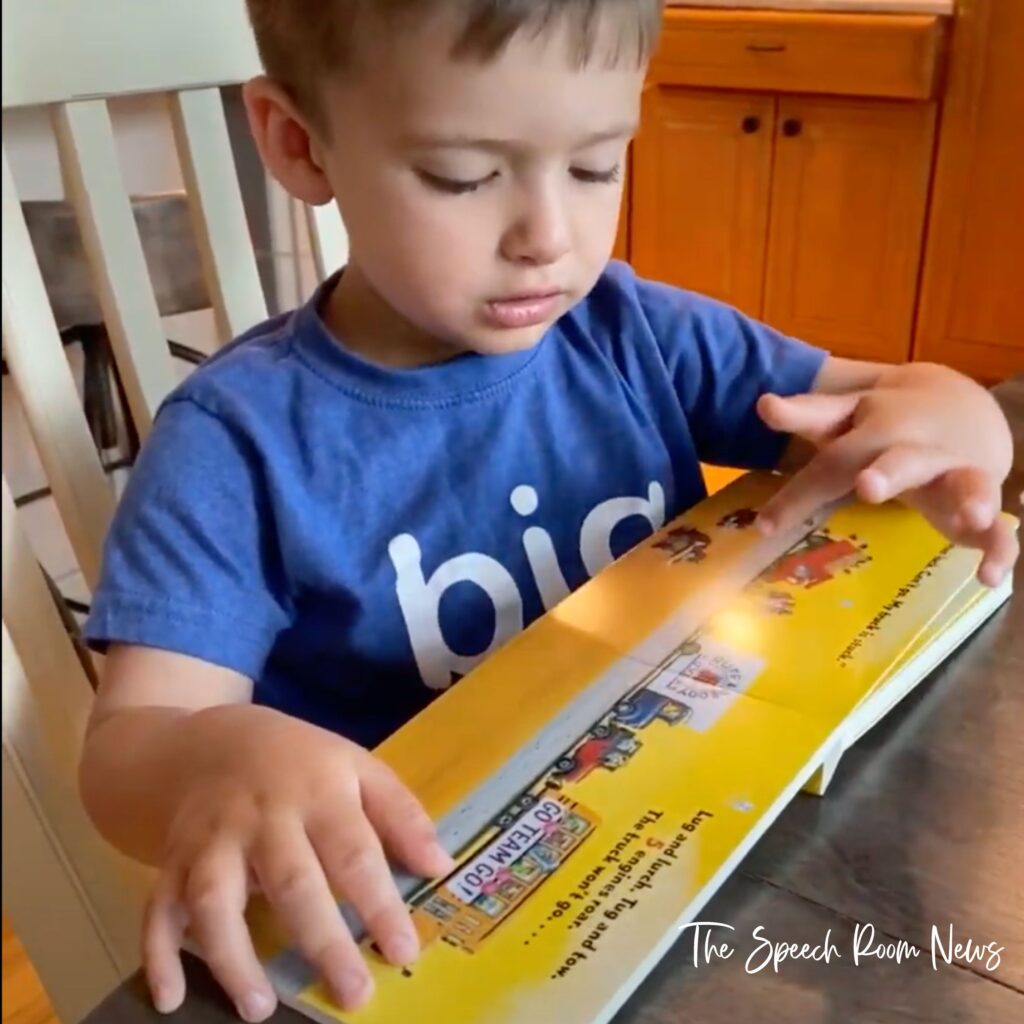
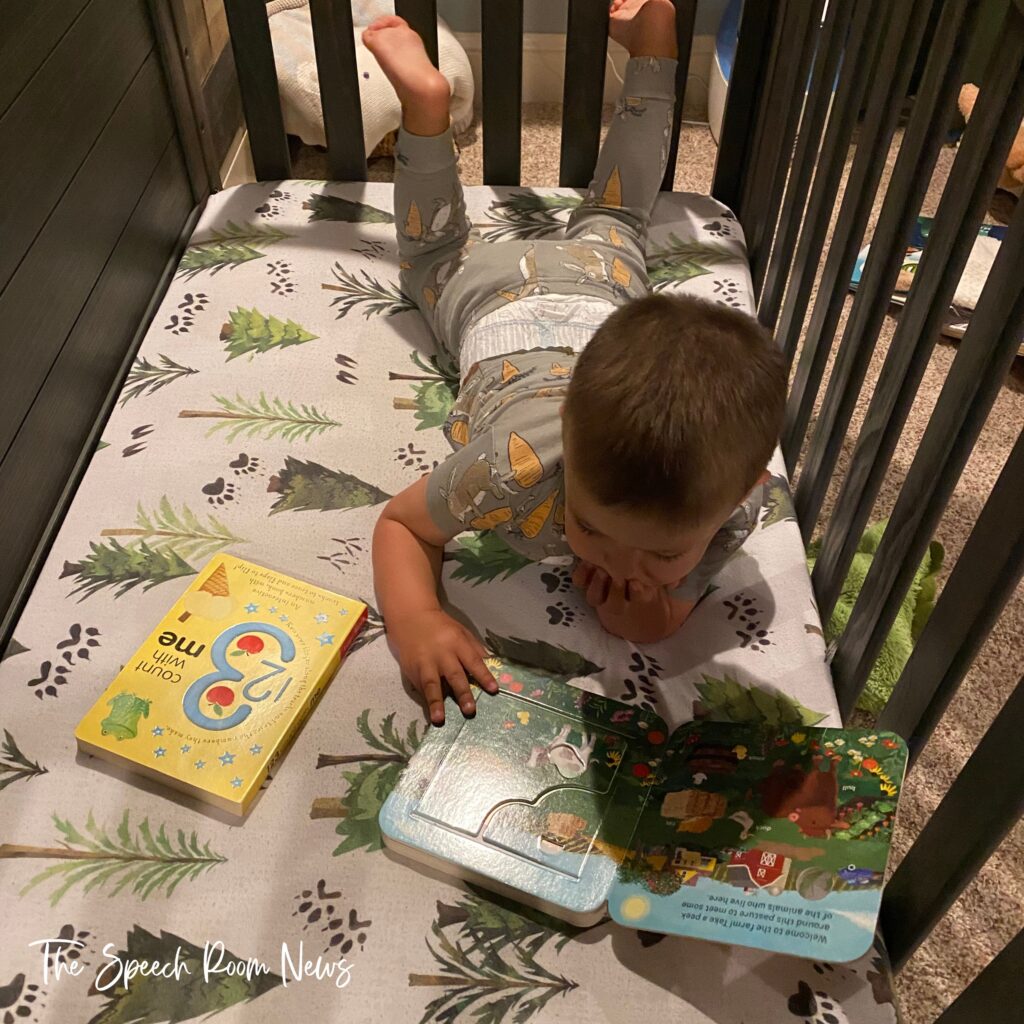
Interactive Books: These books are designed to encourage touch, manipulation, and active participation, providing invaluable opportunities to increase attention, promote vocabulary development, and engage multiple senses. Features such as lift-the-flaps, pull-tabs, textured pages (touch-and-feel), and pop-ups captivate young children. For example, a book with a lift-the-flap might reveal an animal, prompting the child to name the animal or make its sound, targeting expressive vocabulary and imitation. Touch-and-feel books introduce sensory input alongside new descriptive adjectives like "soft," "bumpy," or "smooth." These books are excellent for eliciting verbal responses, encouraging turn-taking, and sustaining engagement, which can be challenging for children with attention difficulties. They also support fine motor skill development as children manipulate the interactive elements.
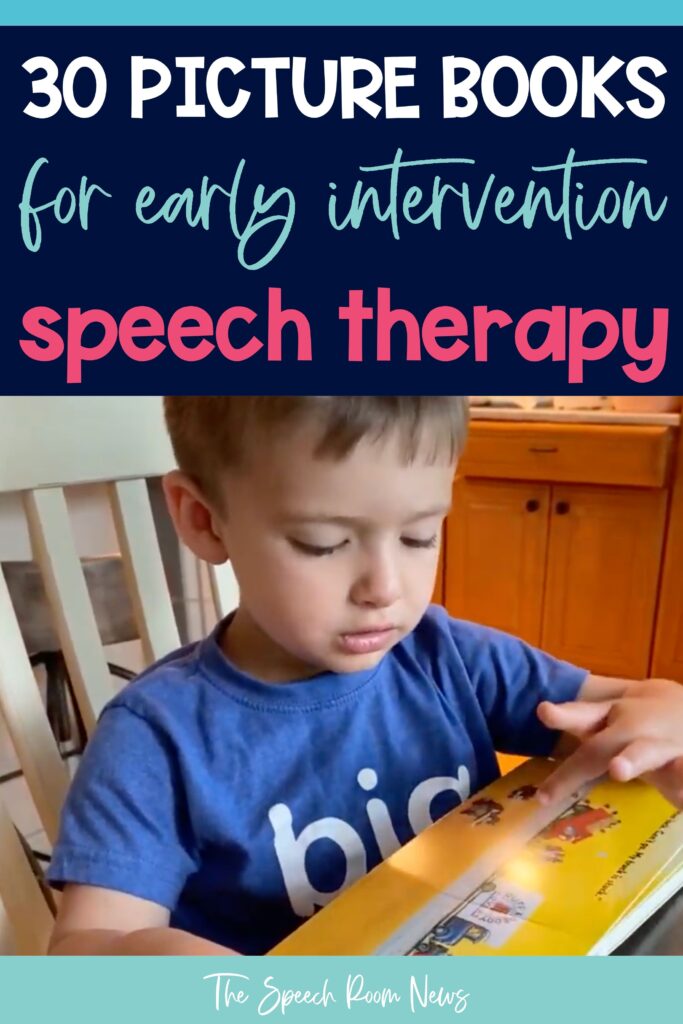
Durable Books: Given the age range of early intervention, books that can withstand enthusiastic handling are essential. Durable books, often made with sturdy cardstock or tear-resistant materials, are perfect for this demographic. They provide robust pages that can endure repeated use, chewing, and accidental spills, allowing children to explore independently without fear of damage. This durability frees SLPs and caregivers to focus on the linguistic interaction rather than preserving the book. While lacking the explicit interactive elements of "interactive books," their resilience makes them suitable for repeated readings and hands-on exploration, which reinforces learning. Examples include robust storybooks with thick pages and high-quality binding that can be used over and over again in various settings.
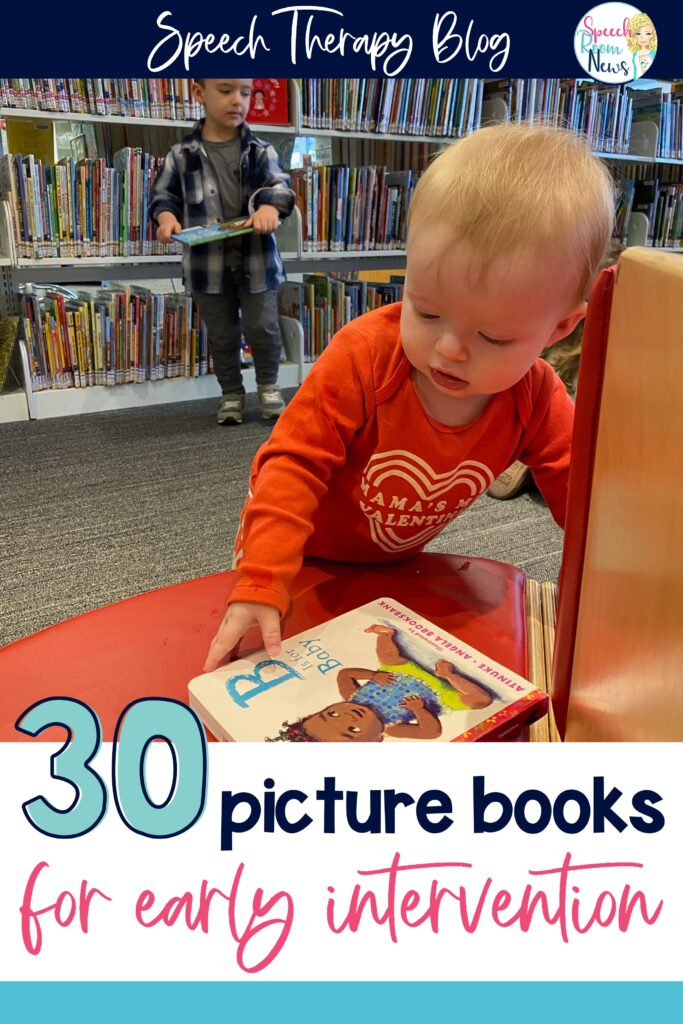
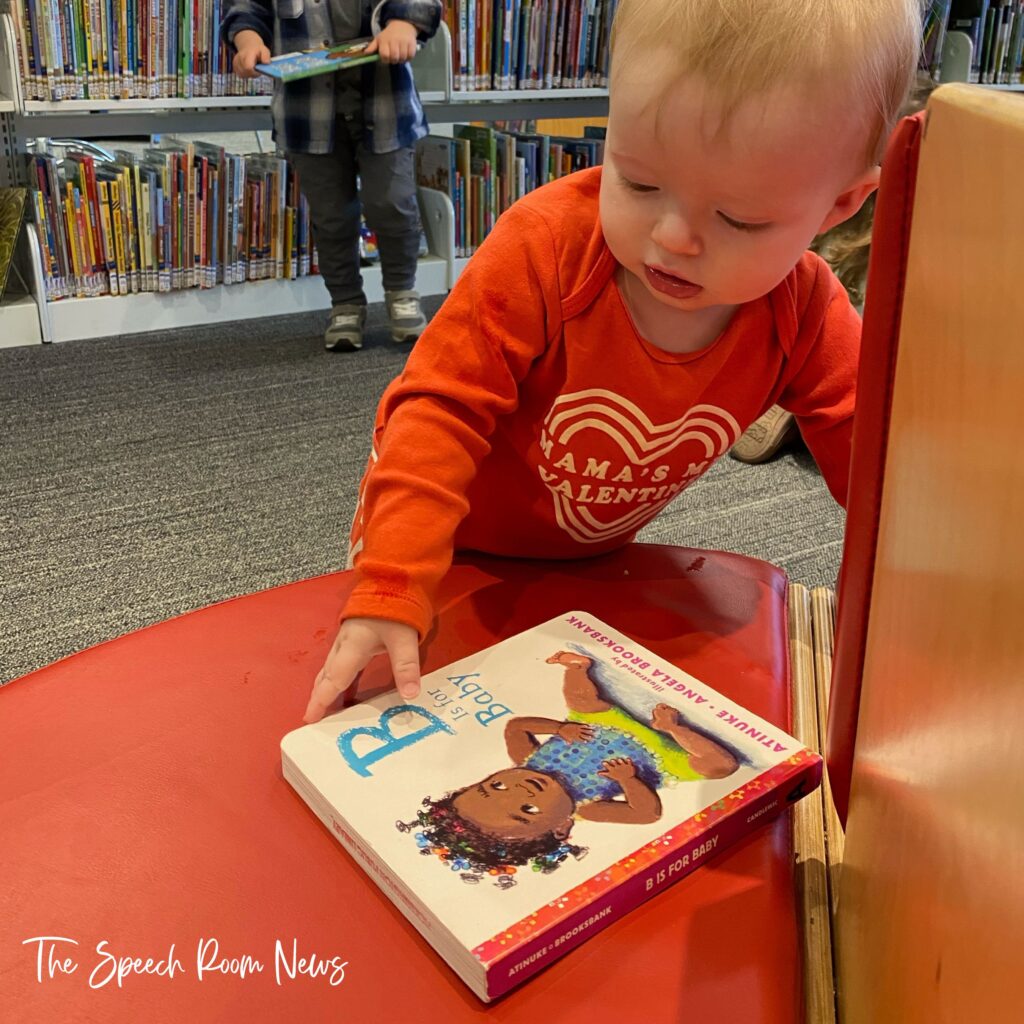
Board Books: A popular and highly effective choice in early intervention speech therapy, board books combine durability with features that are inherently beneficial for language acquisition. Their sturdy construction makes them ideal for young children. Key features include:
- Repetitive Text: The predictable and often rhythmic nature of board books aids in memory, anticipation, and the development of early literacy skills. Repetition allows children to predict words, participate in reading, and internalize linguistic patterns.
- Engaging Pictures: Bright, clear, and often simplified illustrations help children understand the story even before they can comprehend all the words. Pictures provide visual cues for vocabulary and concepts, making the abstract more concrete. They can be used for object labeling, action verbs, and describing attributes.
- Potential for Incorporating Songs: Many board books are designed around popular children’s songs or nursery rhymes, allowing for a seamless integration of music and rhythm into therapy. Singing enhances memory, pronunciation, and prosody (the rhythm, stress, and intonation of speech), adding another layer of sensory engagement to the language learning process.
- Simple Storylines: Board books often feature straightforward plots and clear character motivations, making them accessible for children with limited attention spans and emerging narrative comprehension. This simplicity allows SLPs to focus on core language concepts without overwhelming the child with complex narratives.
The Role of the Speech-Language Pathologist
The SLP’s expertise is paramount in maximizing the therapeutic potential of picture books. They do not merely read stories; they strategically leverage books to target specific speech and language goals. This involves:
- Goal-Oriented Selection: Choosing books that align with a child’s individualized education program (IEP) or treatment plan, focusing on areas like articulation, vocabulary, sentence structure, social pragmatic skills, or narrative abilities.
- Interactive Reading Techniques: Employing techniques such as "dialogic reading," where the SLP asks open-ended questions, prompts the child to elaborate, and provides positive reinforcement. They might pause strategically to encourage predictions or comments, model correct speech sounds, or expand on a child’s utterances.
- Adaptation and Scaffolding: Modifying the reading experience to suit the child’s current developmental level, providing scaffolding through visual aids, simplified language, or gestural cues, and gradually reducing support as the child progresses.
- Parent Coaching: Educating parents and caregivers on how to effectively use books at home to reinforce therapy goals, fostering a language-rich environment that extends beyond clinic sessions. This empowers families to become primary facilitators of their child’s communication development.
Broader Impact and Implications
The consistent use of picture books in early intervention speech therapy has far-reaching implications. Beyond the immediate gains in speech and language, it lays a robust foundation for lifelong learning. Children who develop strong early communication skills are better equipped for academic success, social integration, and emotional well-being. Early literacy experiences fostered by picture books are strong predictors of later reading proficiency, directly impacting educational attainment.
From a societal perspective, effective early intervention can reduce the need for more intensive and costly interventions later in a child’s life. It promotes inclusivity by enabling children with communication disorders to participate more fully in their communities and achieve their full potential. Continued research into the neuroscience of language acquisition and the efficacy of various therapeutic tools, including different types of literature, will further refine these practices. Policy initiatives that support access to early intervention services and promote literacy from infancy are crucial for maximizing these benefits across populations.
In conclusion, picture books are indispensable tools in early intervention speech therapy. By leveraging their capacity to promote language, vocabulary, storytelling, imagination, and social interaction, speech-language pathologists empower young children to overcome communication challenges. This foundational work, supported by durable, interactive, and engaging board books, creates a rich linguistic environment that fosters not just speech and language growth, but also a lifelong love of learning and reading.
