

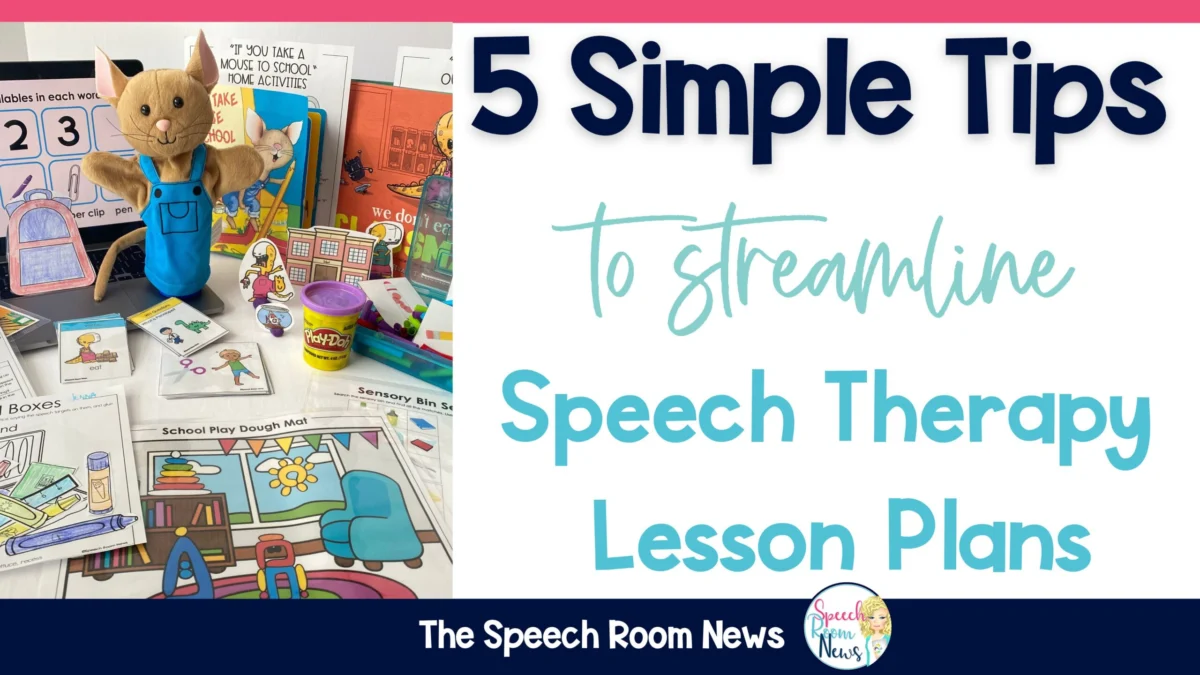
Speech-Language Pathologists (SLPs) operating within school systems across the nation are increasingly seeking and implementing streamlined strategies for lesson planning, a critical shift driven by burgeoning caseloads, diverse student needs, and the perennial demand for optimized therapeutic efficacy. Historically, the intensive, individualized planning required for each student’s unique Individualized Education Program (IEP) goals has often led to an overwhelming administrative burden, diverting valuable time away from direct student interaction and professional development. However, a growing consensus among leading experts and practitioners points towards the adoption of integrated, multi-purpose planning methodologies that promise to significantly reduce preparation time while simultaneously elevating the quality and impact of intervention.
The Evolving Landscape of School-Based Speech-Language Pathology
The role of a school-based SLP is multifaceted and demanding, encompassing assessment, diagnosis, intervention, consultation, and collaboration. Caseloads can range from 40 to 80 students, each presenting with a distinct profile of communication disorders, including articulation and phonological disorders, language impairments, fluency disorders, voice disorders, and pragmatic language deficits. Furthermore, these students often span a wide age range, from preschool to high school, necessitating a broad spectrum of age-appropriate materials and intervention techniques. The complexity is compounded by the legal requirements of IEPs, which mandate specific, measurable goals tailored to each student’s needs, alongside detailed documentation of progress.
In the initial years of practice, many SLPs report feeling overwhelmed by the sheer volume of planning required. A common scenario involves a new SLP inheriting a caseload of 60 or more students, each with multiple, distinct goals. Traditional approaches might dictate creating 50 or more individualized lesson plans per week, a time-intensive process that can consume several hours outside of direct therapy time. This not only contributes to professional burnout but also limits an SLP’s capacity for reflective practice, interdisciplinary collaboration, and continuous learning. Data from professional organizations like the American Speech-Language-Hearing Association (ASHA) frequently highlight workload management as a top concern for school-based SLPs, underscoring the urgent need for more efficient planning paradigms.
A Shift Towards Strategic Planning: Key Methodologies Emerge
The evolution of speech therapy practices has seen a gradual shift from purely individualized, deficit-based interventions to more holistic, integrated, and contextually relevant approaches. This transition is not merely about saving time; it’s rooted in evidence-based practice and a deeper understanding of how children learn and generalize communication skills. The traditional model, while thorough, often struggled with generalization of skills outside the therapy room and placed immense pressure on SLPs to constantly generate novel materials for each student.
The current trend advocates for strategies that allow SLPs to address multiple IEP goals simultaneously within a single, engaging activity or theme. This paradigm shift acknowledges that communication skills are interconnected and can often be targeted effectively through shared experiences, rich linguistic input, and play-based learning. This approach moves away from isolated skill drills towards functional communication within meaningful contexts, promoting greater carryover and real-world application of learned skills. This strategic evolution is supported by ongoing research in educational psychology and language acquisition, emphasizing the benefits of integrated learning experiences over fragmented instruction.
Pillars of Streamlined Intervention: Five Core Strategies
Professional bodies and experienced SLPs now champion several key strategies to streamline lesson planning, each offering distinct advantages for efficiency and therapeutic impact:
-
Thematic Therapy Plans: This approach involves selecting a central theme (e.g., "Under the Sea," "Farm Animals," "Space Exploration") for a week or month and then aligning all therapy materials and activities to that theme. The major benefit lies in its cohesion and reusability. Once a theme is established, SLPs can readily coordinate books, toys, worksheets, and crafts that complement it, making it easier to target diverse goals across multiple students in mixed groups. For instance, a "Farm Animals" theme could be used to target:
- Articulation: Practicing initial /f/ in "farm," /sh/ in "sheep," or /k/ in "cow."
- Language: Naming farm animals, describing their attributes (big, small, furry), identifying actions (eating, sleeping, running), practicing prepositions (on the barn, under the fence), and building vocabulary related to farm life.
- Social Skills: Turn-taking during farm-themed games, discussing farm roles, or retelling a farm story.
- Fluency: Practicing easy onset or light articulatory contact while describing farm animals.
Thematic plans also foster better alignment with general education curriculum topics, facilitating carryover and reinforcing classroom learning. Furthermore, these materials can be cataloged and reused year after year, forming a robust, ever-growing library of pre-planned interventions.
-
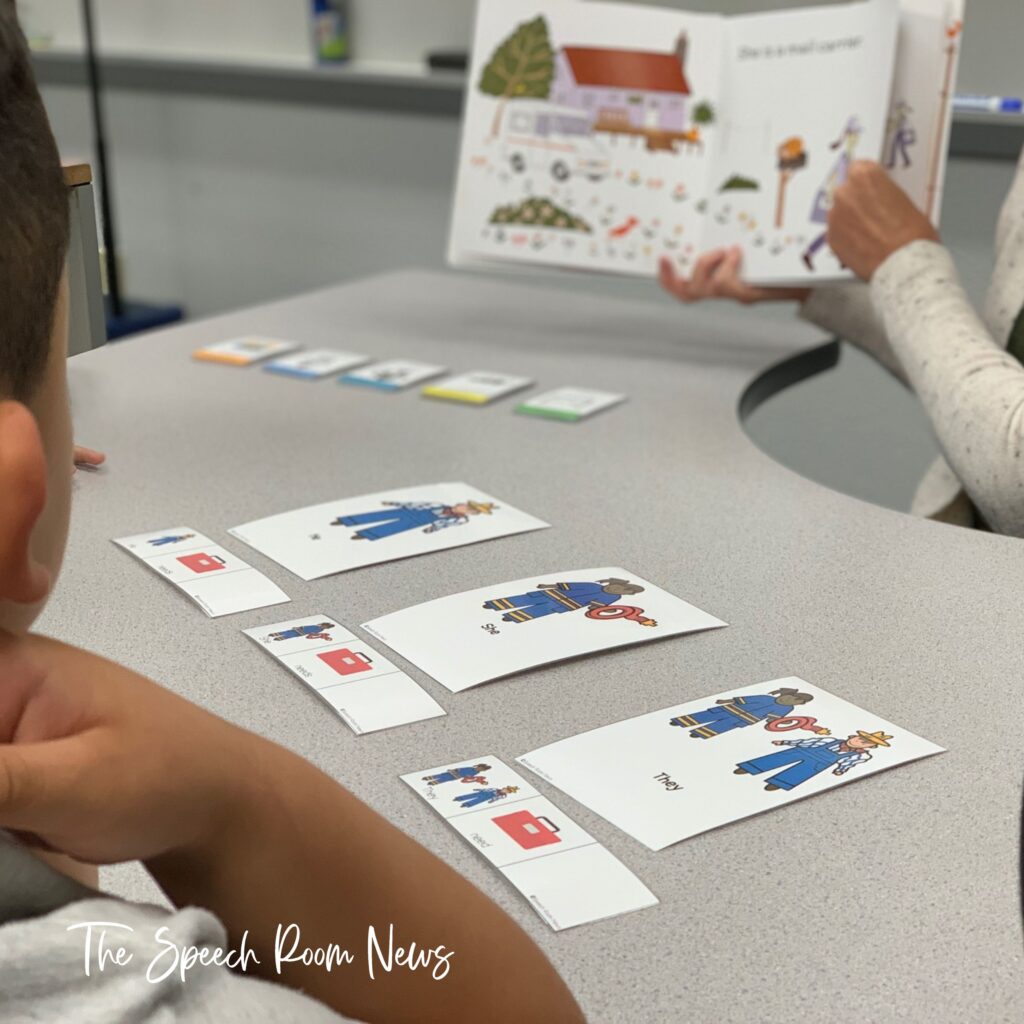
Literacy-Based Therapy: Integrating high-quality picture books into therapy sessions is widely recognized as an exceptionally efficient and effective planning method. This approach leverages the rich linguistic and narrative structures found in books to target a multitude of speech and language goals without requiring extensive material preparation. The framework typically includes:
- Pre-story Knowledge Activation: Engaging students in discussions about the topic, predicting events, or reviewing relevant vocabulary before reading.
- Shared Story Reading: Reading the book aloud, pausing for comprehension checks, clarifying vocabulary, and modeling language structures.
- Focused-Skill Activities: Designing activities directly related to the book’s content to target specific IEP goals (e.g., identifying story elements, inferencing, sequencing events, practicing target sounds from the text).
- Post-Story Comprehension Discussion: Reviewing the story, discussing themes, making connections to personal experiences, and summarizing key events.
Literacy-based therapy is particularly beneficial for mixed groups, as a single book can be adapted to address varying levels of articulation, language, and social communication goals. Its inherent alignment with classroom literacy curricula further enhances its value, promoting generalization and strengthening the bridge between therapy and academic success. Research consistently demonstrates that interventions embedded in meaningful literary contexts improve vocabulary, comprehension, and narrative skills.
-
Narrative Language Approach: While sharing similarities with literacy-based therapy, the narrative language approach distinctively focuses on teaching storytelling skills alongside other speech and language targets. This method typically involves presenting multiple, often similar, stories over several sessions, with a strong emphasis on story retell and story generation tasks. Key components include:
- Story Grammar Instruction: Explicitly teaching students the essential elements of a story (characters, setting, initiating event, internal response, plan, attempt, consequence, resolution). Visual aids like story grammar icons are frequently employed.
- Complex Syntax and Vocabulary Development: Analyzing and practicing advanced sentence structures and rich vocabulary within narrative contexts.
- Story Retelling and Generation: Guiding students to retell stories they have heard and to create their own coherent narratives.
The narrative language approach is highly critical for curriculum success, as strong narrative skills are foundational for reading comprehension, written expression, and academic discourse across all subjects. By integrating IEP goals within this framework, SLPs can ensure that targeted speech and language skills are not only practiced but also applied in a context that directly supports academic and social competence. This approach fosters higher-order thinking and meta-linguistic awareness, which are vital for long-term communication development.
-
Single Toy/Game Multi-Goal Integration: This strategy exemplifies "low-prep, high-impact" planning, requiring minimal material preparation while maximizing therapeutic engagement. The core idea is to select one versatile toy or game and adapt its use to target a wide array of speech and language goals for an entire group or even multiple groups.
- Candyland: This classic board game can be transformed into a dynamic therapy tool. Custom cards can be created to target articulation sounds, vocabulary categories, descriptive language, asking/answering questions, or practicing social greetings. The simple game mechanics allow the focus to remain on the communication task rather than complex rules.
- Play-Doh: A staple in many therapy rooms, Play-Doh facilitates fine motor skills alongside language development. "Dough and Data" sets, for example, allow students to create shapes or objects while practicing target sounds, vocabulary, or following directions, providing a no-prep method for progress monitoring. The tactile nature of Play-Doh is highly engaging for young learners.
- Mini Objects: Small, manipulable objects are incredibly versatile. They can be used for articulation practice (e.g., finding objects with a target sound), vocabulary building (naming, describing, categorizing), prepositional phrases (put the car under the table), sequencing, or story creation. Their portability and ease of storage make them a favorite among SLPs.
- Thematic Toys (e.g., Crocodile Dentist, Ice Cream Shop): Toys like the "Crocodile Dentist" game can be integrated into themes (e.g., dental health week) to practice articulation, vocabulary, and turn-taking. A "Melissa & Doug Ice Cream Shop" facilitates pretend play, which is excellent for targeting verbs, prepositions, descriptive language (e.g., "scoop the chocolate ice cream on top of the cone"), social scripts, and even early math concepts. Play-based learning is particularly effective for preschoolers, as it provides naturalistic contexts for skill acquisition and generalization. This approach also encourages spontaneous communication and problem-solving, key elements for functional language use.
-
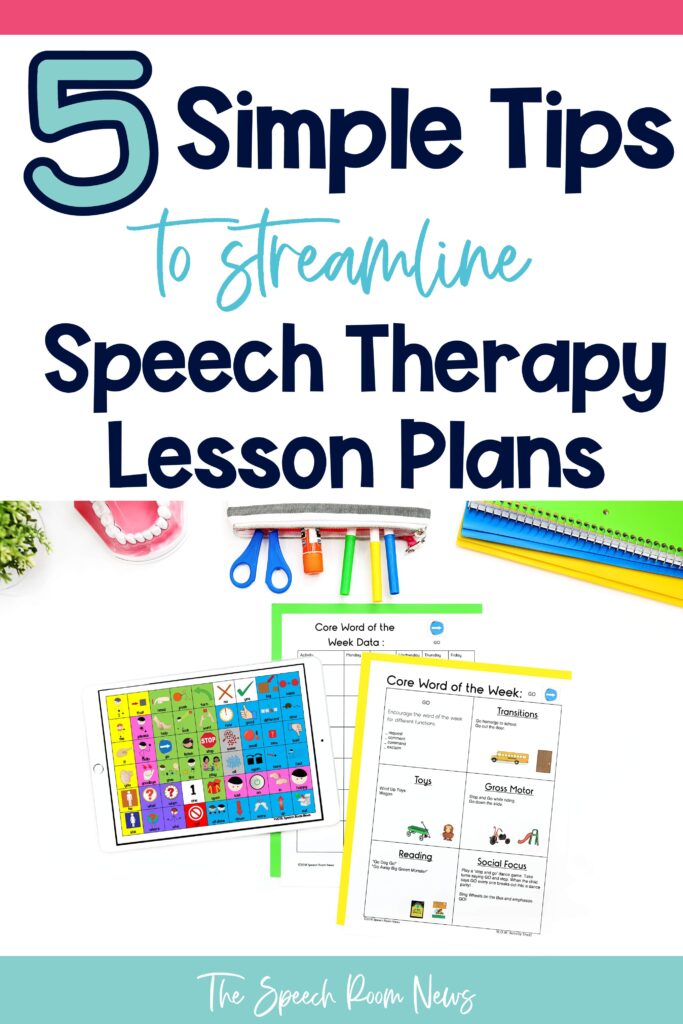
AAC Core Word of the Week (WOW) Programs: For students utilizing Augmentative and Alternative Communication (AAC) systems, structured "Core Word of the Week" (WOW) programs offer an invaluable framework for consistent and comprehensive instruction. Core words are the high-frequency words that make up the majority of daily communication (e.g., "go," "want," "more," "stop," "in," "out").
- Systematic Instruction: WOW lessons provide a routine-based structure for teaching a small set of core words (e.g., 4 words per week) across various contexts.
- Team Collaboration: These programs are designed to be shared with the entire IEP team—teachers, paraprofessionals, and parents—ensuring consistent modeling and opportunities for practice throughout the student’s day. Materials often include door signs, classroom visuals, and parent letters.
- Generalization: By focusing on core words, students gain access to foundational vocabulary that can be combined to express a vast range of messages, promoting communicative independence and generalization across all environments.
- Reduced Planning Burden: The pre-designed lessons significantly reduce the SLP’s planning time, allowing them to focus on adapting the activities to individual student needs and monitoring progress. Examples of core words targeted include "Go, In, Different, Help," "Want, Me, More, Stop," "Turn, New, You, No," "Push, Look, On, Open," and others, providing a robust foundation for functional communication.
Beyond the Core: Essential "Grab and Go" Resources
Even with the most meticulously planned thematic or literacy-based units, unexpected situations arise. Having a curated collection of "Grab and Go" materials is a strategic necessity for any SLP. These pre-prepped resources serve as invaluable fillers, backup activities, or essential tools for a substitute SLP. They ensure that therapy time remains productive, even when initial plans are disrupted or when a student presents with an unforeseen need.
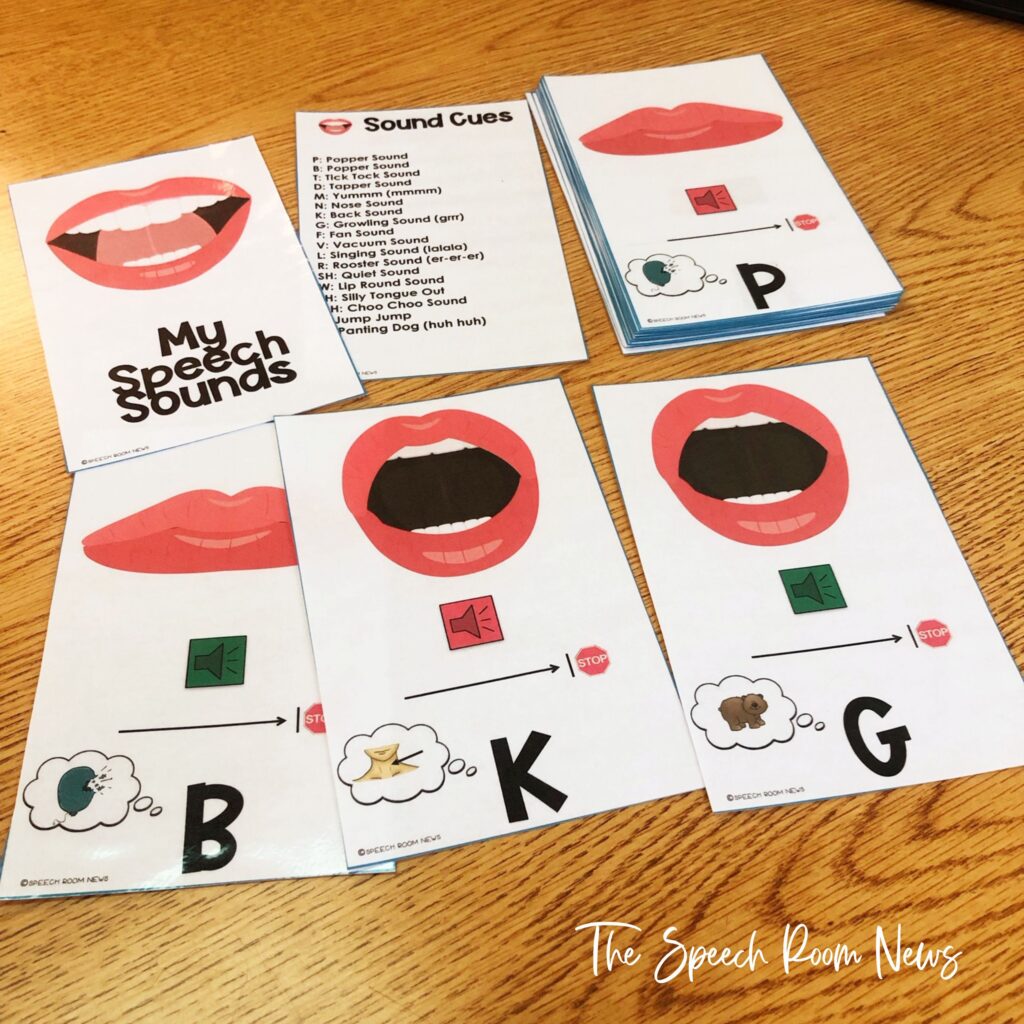
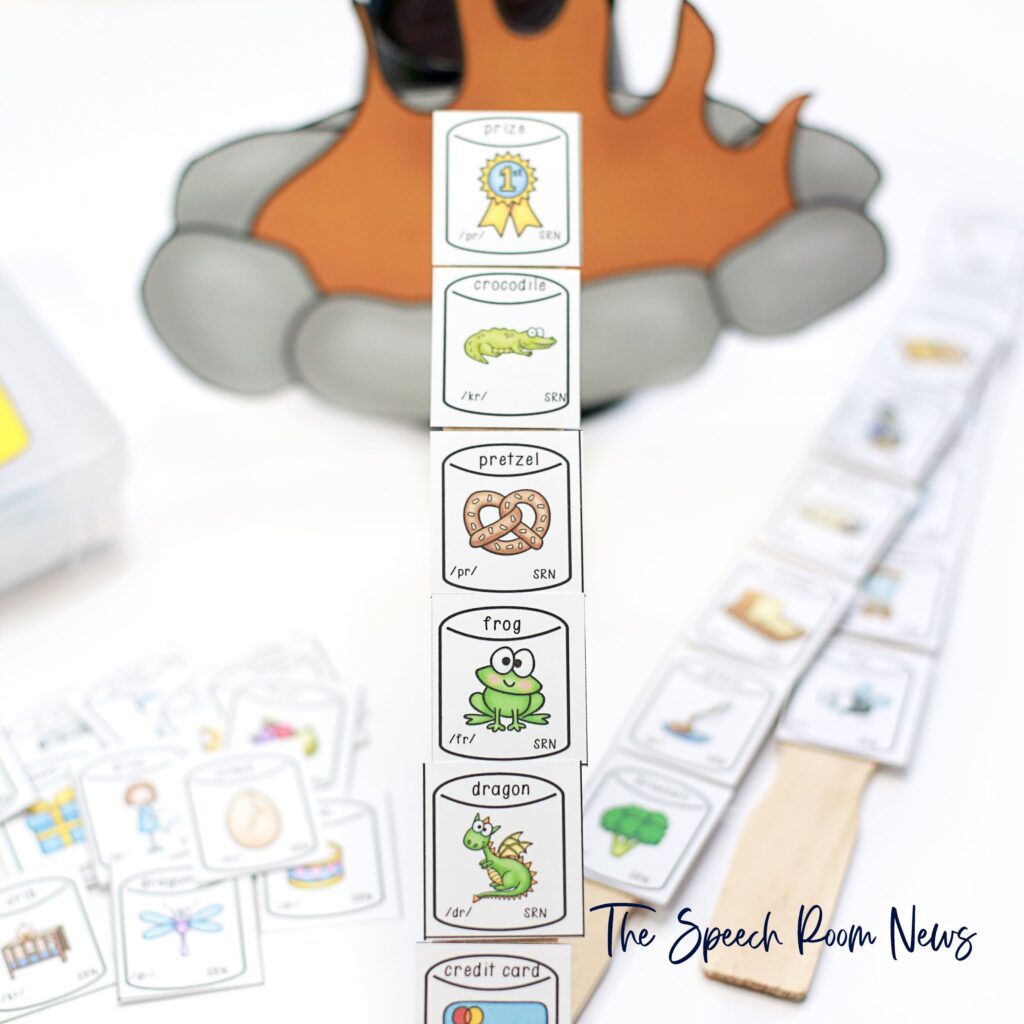
- Articulation Cards: Ready-to-use cards targeting various speech sounds in different word positions (initial, medial, final) are fundamental. Visual cues on these cards can further support students in producing target sounds.
- Speech Sound Posters: Visual reminders of articulatory placements for different sounds are excellent for quick reference during sessions and for display in the therapy room.
- Behavior Supports: Visual schedules, first/then boards, token boards, and other behavior management tools are crucial for creating a structured and predictable therapy environment, particularly for students with behavioral or attention challenges.
- Print & Go Articulation and Phonology Home Packets: These pre-designed packets offer easy-to-send homework assignments, promoting practice and generalization of skills in the home environment. They empower parents to be active participants in their child’s therapy journey.
These materials are not merely supplementary; they are integral to maintaining continuity of care, supporting student independence, and ensuring that therapy sessions are consistently engaging and goal-directed.
The Broader Impact: Enhancing Student Progress and SLP Well-being
The widespread adoption of these streamlined planning strategies carries significant implications for both student outcomes and the professional well-being of SLPs.
- Enhanced Student Outcomes: By freeing up SLP time from exhaustive planning, more energy can be dedicated to direct student interaction, individualized coaching, and creative adaptation of activities. The integrated nature of these approaches promotes deeper learning, better generalization of skills to real-world contexts, and increased engagement due to relevant and varied activities. Students benefit from consistent, high-quality instruction that is often better aligned with their classroom curriculum.
- SLP Professionalism and Well-being: Reducing the administrative burden of lesson planning directly addresses a major contributor to SLP burnout. When SLPs feel less overwhelmed by preparation, they experience greater job satisfaction, reduced stress, and more time for professional development, collaboration with colleagues, and personal reflection. This leads to a more sustainable and fulfilling career in speech-language pathology.
- Systemic Benefits: For school districts, streamlined planning means optimized resource utilization. SLPs can see more students, conduct more focused interventions, and contribute more effectively to multidisciplinary teams. Improved collaboration between SLPs and general education teachers, fostered by curriculum-aligned and thematic planning, strengthens the overall educational support system for students with communication disorders. Furthermore, these systematic approaches can facilitate more consistent data collection, leading to more accurate progress monitoring and better-informed IEP decisions.
Expert Consensus and Future Outlook
The shift towards strategic, integrated lesson planning represents a critical advancement in school-based speech-language pathology. Leading experts within the field, alongside professional organizations such as ASHA, consistently advocate for these efficient, evidence-based practices. They emphasize that effective therapy does not equate to endless preparation, but rather intelligent design and adaptable execution. As educational demands continue to evolve, the embrace of streamlined planning methodologies will remain paramount, ensuring that SLPs can continue to deliver high-quality, impactful interventions that empower students to achieve their full communication potential, while simultaneously fostering a sustainable and rewarding professional environment for therapists. The future of speech therapy planning is undoubtedly one of strategic integration, collaborative effort, and continuous innovation, all aimed at maximizing student success and professional efficacy.
