

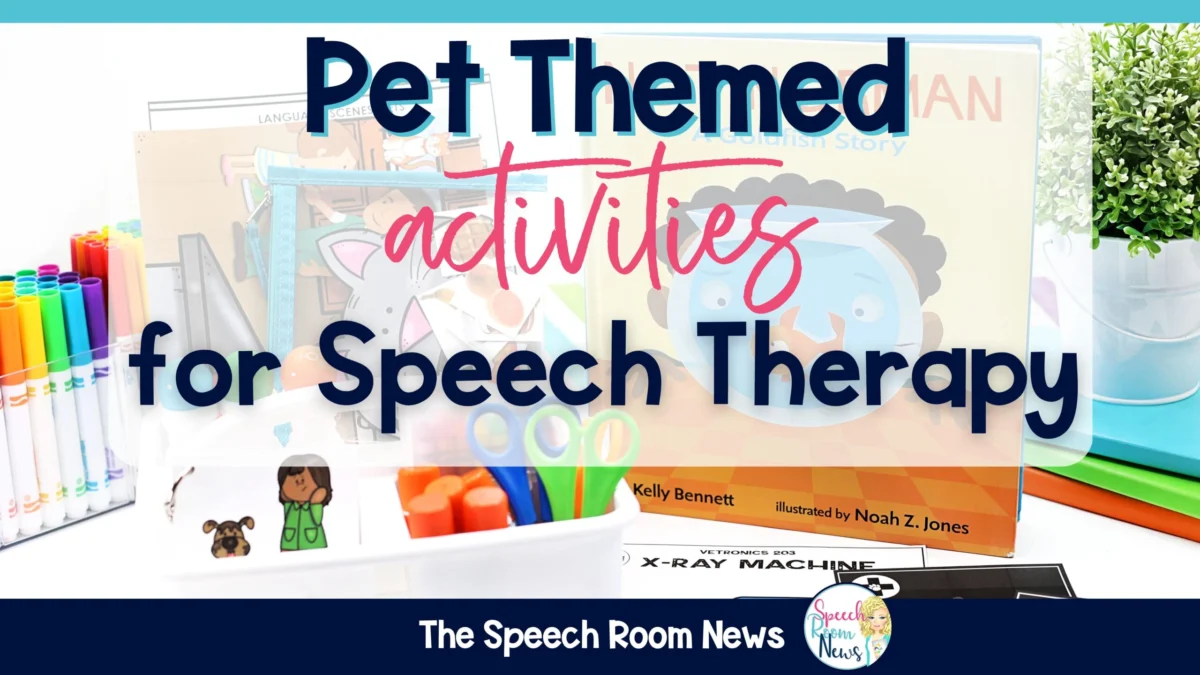
The landscape of pediatric speech and language therapy is undergoing a significant transformation, with a growing emphasis on thematic, engaging, and play-based interventions designed to maximize student engagement and therapeutic outcomes. This shift reflects a broader understanding of child development and learning, moving away from rigid, decontextualized drills towards integrated, meaningful experiences. Among the most versatile and beloved thematic units adopted by Speech-Language Pathologists (SLPs) are those centered around everyday concepts, with "pets" emerging as a particularly effective and enduring choice. These year-round themes offer substantial benefits, including enhanced student motivation, improved skill generalization, and considerable time and cost efficiencies for therapists.
The Evolution of Pediatric Speech and Language Interventions
Historically, speech and language therapy often relied on highly structured, repetitive exercises aimed at targeting specific phonological or grammatical deficits. While effective for some, this approach could sometimes lead to decreased student engagement, particularly among younger children, and challenges in generalizing newly acquired skills to natural communication contexts. Over the past few decades, however, the field has increasingly embraced child-centered and play-based methodologies, recognizing that children learn most effectively when they are actively involved, motivated, and interacting with meaningful content.

This paradigm shift aligns with contemporary educational psychology, which underscores the importance of intrinsic motivation and contextualized learning. By embedding therapeutic goals within captivating themes, SLPs can create a rich, immersive environment that naturally encourages communication, social interaction, and cognitive development. Thematic units provide a framework for integrating various therapeutic targets—from articulation and phonology to vocabulary, syntax, narrative skills, and social pragmatics—within a cohesive and relatable context. This approach not only makes therapy more enjoyable for children but also facilitates deeper learning and better transfer of skills to real-world situations.
Pedagogical Rationale for Thematic Units in SLP
The effectiveness of thematic units in speech and language therapy is rooted in several key pedagogical principles. Firstly, themes provide a strong organizational structure for learning. When all activities revolve around a central topic, children can build a robust schema, or mental framework, of related concepts and vocabulary. This interconnectedness aids in information retention and retrieval. For instance, a "pet" theme naturally introduces vocabulary related to animals, their habitats, care routines, sounds, and associated actions, fostering a dense network of semantic connections.
Secondly, thematic instruction promotes active engagement. Children are inherently curious and often have personal connections to common themes like animals. This natural interest translates into increased motivation to participate in therapeutic activities, reducing resistance and improving attentiveness. When children are genuinely interested, they are more likely to take risks with language, ask questions, and engage in extended conversations, all of which are crucial for language development.

Thirdly, themes facilitate skill generalization. By presenting target skills in multiple contexts within the same theme (e.g., practicing "s" blends while talking about a "snake" in a book, singing about a "super" dog, and playing a "vet" game), therapists help children understand how to use these skills flexibly across different situations. This contrasts with isolated drills, where generalization can be a significant challenge.
Finally, the non-holiday specific nature of many themes, such as pets, offers unparalleled flexibility and reusability. Unlike holiday-themed materials that can only be used for a limited period, year-round themes can be revisited multiple times throughout the academic year. This multi-use capability significantly reduces the need for constant material preparation, saving SLPs valuable time and financial resources—a critical consideration in often under-resourced therapeutic settings. Therapists report that having a robust library of evergreen thematic kits allows them to cycle through engaging content without repetitive, labor-intensive planning.
Implementing a Comprehensive "Pets Theme" in Therapy
A "pets theme" lends itself exceptionally well to a wide array of speech and language goals, making it a cornerstone for many SLPs. The typical implementation of such a theme often spans several weeks, ensuring thorough coverage of various linguistic and communicative objectives.

1. Literature Integration:
Central to any thematic unit is the strategic selection of literature. Books not only introduce new vocabulary and concepts but also provide a natural context for developing narrative skills, comprehension, and critical thinking. For a pet theme, popular choices include:
- "Not Norman" by Kelly Bennett: This humorous tale about a boy’s initial disappointment with his pet goldfish offers rich opportunities for discussing emotions, character perspectives, problem-solving, and understanding unexpected joys. SLPs can target descriptive language (e.g., "boring," "playful"), inferencing (e.g., why he wanted a different pet), and retelling the story sequence.
- "Some Pets" by Angela DiTerlizzi: With its vibrant illustrations and diverse portrayal of children and their animal companions, this book is excellent for expanding vocabulary related to different types of pets and the responsibilities of pet ownership. It fosters discussions about categorization, attributes (e.g., "fluffy," "scaly"), and comparing/contrasting various animals.
- "Lola Gets a Cat" by Anna McQuinn: This story delves into the realities of pet ownership, highlighting the responsibilities involved. It’s ideal for targeting sequencing events, cause-and-effect relationships, and discussing routines. It also allows for imaginative play related to pet care.
- Interactive Vocabulary Books: Specialized interactive books, such as those focusing on "Pets," provide a structured way to introduce and reinforce core vocabulary through repetitive exposure and hands-on manipulation, often linking directly to other activities like pretend play vet clinics.
2. Auditory Engagement through Music:
Songs are powerful tools for early language development, offering rhythmic input, repetitive phrases, and a fun way to practice new words and sounds. Pet-themed songs are particularly effective for targeting animal sounds, action verbs, and basic vocabulary. Examples include:
- "I Have a Pet"
- "Do You Have a Pet?"
- "I Love Dogs"
- "Wag Your Tail"
These songs facilitate the practice of articulation, auditory discrimination, following simple commands, and expanding expressive language through imitation and participation.
3. Gamified Therapy for Skill Reinforcement:
Incorporating games into therapy sessions significantly boosts engagement and provides a playful context for practicing target skills.
- "Color and Play Pets Bingo": This versatile game can be adapted to target multiple goals, including categorization (e.g., "pets that fly," "pets that swim"), descriptive attributes (e.g., "a striped cat," "a fuzzy dog"), and turn-taking. Therapists can use it to reinforce vocabulary, practice articulation sounds embedded in pet names, or work on following multi-step directions.
- "Feed the Dog Articulation Boom Cards": Leveraging technology, these interactive digital cards provide an engaging platform for articulation practice. Students "feed" the dog their target speech sounds, often accompanied by auditory feedback (like a crunching sound), which provides immediate reinforcement and maintains high levels of motivation. This format makes practicing repetitive sounds less monotonous and more like a game.
4. Tactile and Imaginative Play:
Hands-on play is crucial for developing functional language, social skills, and cognitive flexibility. Pet-themed toys offer rich opportunities for imaginative scenarios.

- "Critter Clinic Toy Vet Set": This highly engaging toy, often featuring small doors, locks, and veterinary tools, fosters role-playing as a veterinarian. Children can practice requesting items (e.g., "Give me the stethoscope"), describing symptoms (e.g., "My dog has a owie"), following multi-step instructions (e.g., "Open the cage, give the shot, then bandage the paw"), and using various grammatical structures in a simulated context. Therapists report this toy is excellent for eliciting spontaneous language and addressing social pragmatic goals.
- "Hape Family Pet Houses": These miniature sets with small animal figures provide a context for developing prepositions (e.g., "The cat is under the bed"), spatial concepts, descriptive language, and creating simple narratives. Children can engage in parallel play or cooperative play, building their social interaction skills.
5. Creative Expression through Crafts:
Craft activities enhance fine motor skills, foster creativity, and provide another avenue for language practice.
- "Clifford the Big Red Dog" Craft: Inspired by the beloved character, a paper plate Clifford craft from resources like Crafty Morning allows children to follow instructions, use descriptive language (e.g., "big," "red," "floppy ears"), and retell stories related to Clifford. It provides a tangible outcome that reinforces the theme.
6. Sensory Play for Multi-Sensory Learning:
Sensory bins offer a multi-sensory experience that can be highly calming and engaging, promoting language development in a relaxed setting.
- Pet-Themed Sensory Bin: A bin filled with rice, beans, or shredded paper, along with small plastic animals, toy vet tools, and miniature food bowls, creates an immersive experience. SLPs can use this for targeting descriptive language (e.g., "I feel something bumpy," "I see a smooth tail"), spatial concepts, and requesting. Encouraging children to describe parts of hidden pets (e.g., "I see a pointy black ear") hones their observational and expressive skills.
Broader Impact and Implications for Speech Therapy
The widespread adoption of thematic approaches, particularly engaging ones like the "pets theme," has several significant implications for the field of speech and language pathology:

1. Enhanced Therapeutic Efficacy: Research consistently supports the effectiveness of play-based and highly engaging interventions in early childhood education and special education. By tapping into children’s natural curiosity and embedding learning within meaningful contexts, thematic units improve motivation, leading to more consistent participation and better generalization of skills. SLPs observe children making faster progress and demonstrating greater confidence in using new communication strategies.
2. Professional Development and Resource Creation: The demand for high-quality, pre-planned thematic materials has spurred the creation of comprehensive resources like the "Pet Themed Speech Therapy Kit." Such kits, often developed by experienced SLPs, provide a structured curriculum spanning multiple weeks, including therapy printables, interactive play resources, circle time lessons, parent handouts, crafts, and book companions. These resources save therapists countless hours of planning and preparation, allowing them to focus more on direct student interaction and individualized intervention. This trend reflects a move towards greater standardization of high-quality, engaging therapy resources within the profession.
3. Accessibility and Inclusivity: Non-holiday specific themes like "pets" are inherently more inclusive, as they resonate across diverse cultural and religious backgrounds. This ensures that all children can relate to the content, fostering a more equitable and welcoming therapeutic environment. Furthermore, the universal appeal of animals can often bridge communication gaps, making these themes particularly useful for children with varied linguistic backgrounds or those who may be less responsive to more abstract topics.
4. Promotion of Home-School Connection: Thematic units provide a clear and concrete framework for parents to extend learning at home. When parents understand the current theme and the types of activities being used in therapy, they can easily integrate similar language-rich experiences into daily routines. For example, discussing family pets, visiting a pet store, or reading pet-themed books at home reinforces therapeutic gains and promotes consistent language exposure. Resources like parent handouts included in thematic kits further facilitate this crucial home-school collaboration.

5. Economic Efficiency: For individual therapists and educational institutions, the reusability of year-round thematic materials represents a significant economic advantage. Investing in a robust thematic kit that can be utilized multiple times per year, for various age groups and diverse therapeutic goals, is far more cost-effective than continually purchasing or creating new, single-use materials. This efficiency allows for better allocation of budgets towards other critical resources or professional development.
In conclusion, the integration of innovative thematic approaches, exemplified by the highly effective "pets theme," marks a progressive step in pediatric speech and language therapy. By prioritizing engagement, contextualized learning, and resource efficiency, these methodologies not only enhance the therapeutic journey for students but also empower Speech-Language Pathologists with versatile, impactful tools. As the field continues to evolve, the adoption of well-structured, thematic units is poised to remain a cornerstone of effective and child-centered intervention, fostering communication growth in a way that is both academically sound and deeply enjoyable for the children it serves.
