

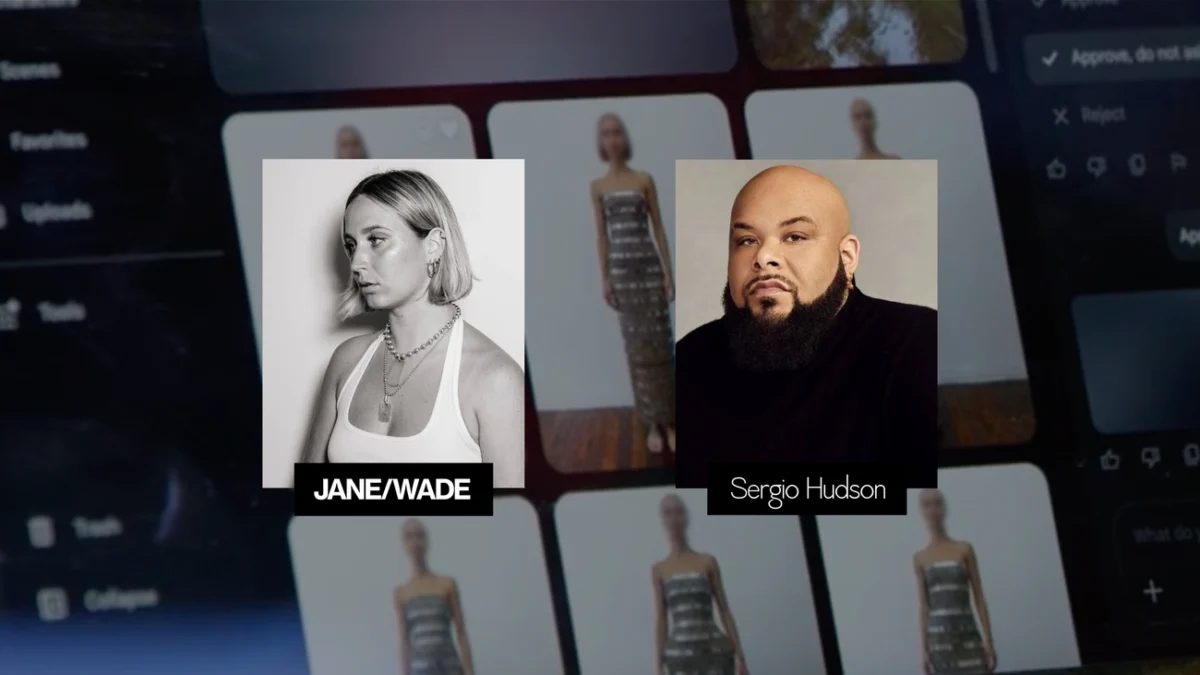
The landscape of New York Fashion Week (NYFW) has long been defined by the frantic energy of backstage fittings, the logistical complexity of runway staging, and the high-stakes pressure of presenting a cohesive seasonal vision. However, a recent collaboration between Google’s Envisioning Studio and two prominent independent designers, Jane Wade and Sergio Hudson, has introduced a significant shift in how these creative visions are realized. By leveraging Google Flow, an AI-powered creative studio, these designers have successfully integrated bespoke digital tools into their workflows, addressing chronic inefficiencies that have historically plagued the fashion industry. This partnership marks a pivotal transition for artificial intelligence in fashion, moving the technology from experimental pilot programs into the practical, high-pressure environment of the global fashion stage.
The Administrative Burden of Independent Design
To understand the impact of Google’s intervention, one must first examine the reality of modern independent fashion design. While the public perception of the industry focuses on the glamour of the runway, the day-to-day operations for designers like Wade and Hudson are dominated by administrative and logistical friction. Independent designers frequently report that the actual act of "designing" constitutes only a small fraction of their time. The majority of their resources are consumed by factory logistics, vendor coordination, textile procurement, and the management of complex supply chains.
Ahead of a major event like NYFW, these pressures are magnified. The transition from a conceptual sketch to a physical garment involves a series of resource-heavy steps, including the creation of multiple physical samples, multi-day casting sessions, and expensive 3D renderings for set design. For independent brands operating on tight margins, the cost of error is high. Google’s Envisioning Studio, with the technical backing of Google Labs, identified this "creative friction" as a primary area where generative AI could provide immediate, tangible value.
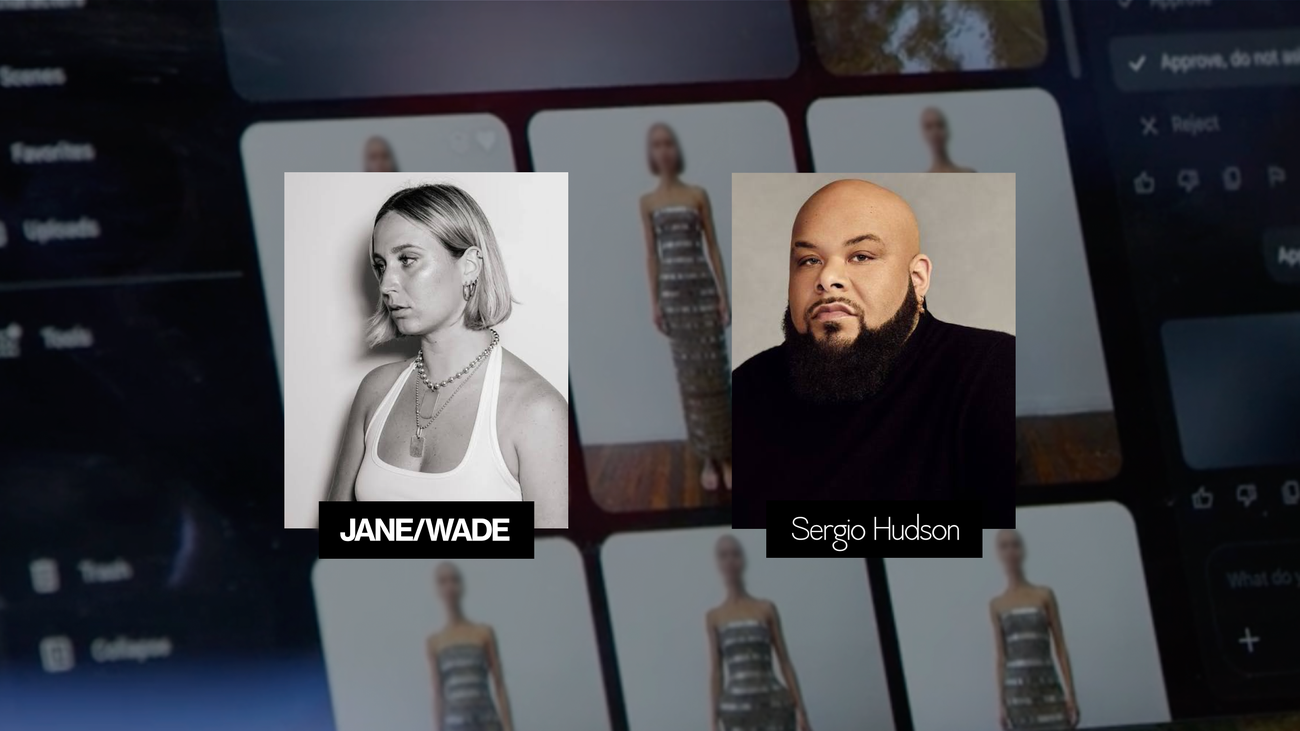
Google Flow: A No-Code Revolution in Creative Tooling
At the heart of this collaboration is Google Flow, an AI creative studio designed to allow users to build specialized tools using natural language. Unlike traditional software development, which requires extensive coding knowledge and long lead times, Google Flow enables creators to describe a workflow or a specific challenge in plain English, which the AI then translates into a functional digital tool.
For the fashion industry, this represents a democratization of high-end production technology. Traditionally, only the largest luxury conglomerates had the capital to invest in custom software for supply chain management or virtual reality staging. By utilizing Google Flow, Wade and Hudson were able to co-create tools that were specifically tailored to their unique aesthetic and operational needs without the overhead of a dedicated software engineering team.
Case Study: Jane Wade and the Virtual Styling Suite
Jane Wade, known for her utilitarian yet avant-garde approach to office wear, faced a common industry bottleneck: the fitting process. In-person casting and styling sessions typically require three full days of coordination between models, stylists, hair and makeup artists, and the design team. Furthermore, the decision to add or alter a garment often necessitates the production of additional physical samples, which is both time-consuming and environmentally taxing.
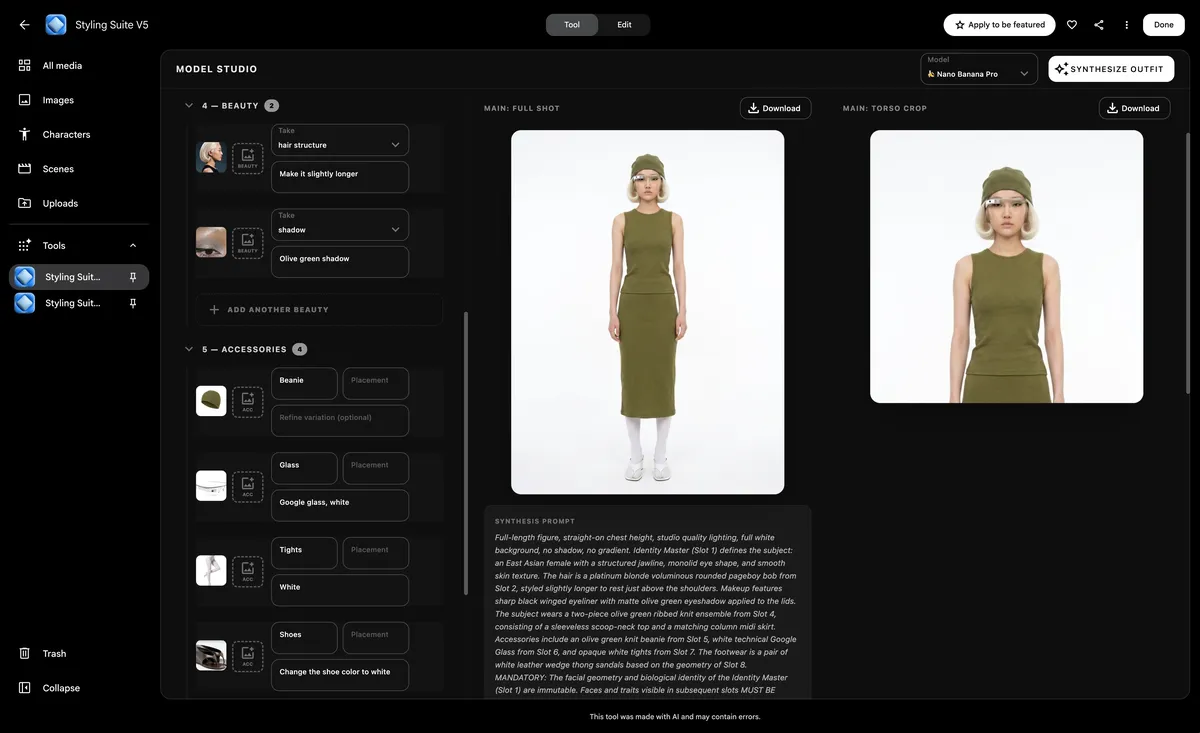
The "Styling Suite" tool, co-developed by Wade and Google engineers, allowed the designer to map every facet of her runway looks digitally. By applying hair, makeup, accessories, and garments to digital models, Wade could visualize head-to-toe looks before a single needle touched fabric. This virtual sandbox allowed her to identify "missing" elements in the collection—such as a specific accessory needed to balance a silhouette—allowing her to curate the collection with surgical precision. The result was a significant reduction in physical waste and a streamlined transition from the studio to the runway.

Case Study: Sergio Hudson and Runway Visualization
While Wade focused on the garments, Sergio Hudson—a designer celebrated for his high-glamour, tailored silhouettes—utilized Google Flow to solve a different set of challenges: set design and budget management. Staging a runway show at NYFW is an astronomical expense, often costing hundreds of thousands of dollars for a 15-minute presentation. One of the most significant hidden costs is the iteration of the set design. Traditionally, every time a designer wants to change the lighting, the placement of a prop, or the path of the models, a new 3D rendering must be commissioned, adding both time and cost to the production.
Hudson’s bespoke tool, "Runway Visualization," acted as a real-time simulator for his venue. It allowed him to adjust lighting schemes and swap props virtually, ensuring that the creative vision stayed within the constraints of a studio budget. Perhaps more importantly, the tool allowed Hudson to simulate the paths the models would walk. By refining these movements in a digital environment, he was able to harmonize the model’s pace with the music and the audience’s line of sight, creating a more immersive and professional experience without the need for expensive, repetitive 3D mockups.
Chronology of a Tech-Fashion Collaboration
The integration of Google Flow into the NYFW workflow followed a structured timeline that emphasized co-creation over top-down implementation:
- Needs Assessment (Pre-Season): Google’s Envisioning Studio engaged in deep-dive sessions with Wade and Hudson to identify specific "friction points" in their creative processes.
- Tool Prototyping (Mid-Season): Using natural language prompts in Google Flow, engineers and designers built initial versions of the Styling Suite and Runway Visualization tools.
- Iteration and Refinement: The tools were tested against the designers’ existing archives and upcoming seasonal sketches to ensure the AI outputs aligned with their specific brand identities.
- Live Implementation (NYFW Prep): In the weeks leading up to the show, the tools were used to make final decisions on styling and set logistics.
- Runway Presentation: The final results were showcased during the designers’ respective NYFW slots, where the efficiency gains allowed for more polished and cohesive presentations.
Industry Data and the Shift to Practical AI
The success of these tools reflects a broader trend in the global fashion market. According to recent industry reports, the market for AI in fashion is expected to reach a valuation of over $4.4 billion by 2027, growing at a compound annual growth rate (CAGR) of nearly 40%. However, much of this growth has historically been concentrated in consumer-facing applications, such as recommendation engines and chatbots.
The Google-Wade-Hudson collaboration highlights a shift toward "back-end" generative AI. By focusing on the production and staging side of the industry, Google is addressing a sector where efficiency gains can have a massive impact on a brand’s bottom line. For instance, reducing the number of physical samples produced by just 20% can save an independent designer thousands of dollars in material costs and shipping fees per season.
Broader Implications for the Global Fashion Calendar
The implications of this technology extend far beyond the runways of Manhattan. As the fashion industry faces increasing pressure to become more sustainable and economically resilient, the ability to "fail fast" in a virtual environment is invaluable.
Professional analysts suggest that the "no-code" nature of Google Flow is its most significant feature. By removing the barrier of technical expertise, the fashion industry can ensure that designers remain "in the driver’s seat." This prevents the "homogenization" of design that some critics fear will happen with the rise of AI; rather than the AI designing the clothes, it is providing the infrastructure for the human designer to work more effectively.
Furthermore, this collaboration sets a new standard for how tech companies interact with the creative arts. Rather than offering a finished, one-size-fits-all product, Google provided a platform for co-creation. This approach ensures that the resulting tools are grounded in the real-world constraints of the industry—such as budgets, fabric behavior, and the physical limitations of a runway venue.
Future Outlook: From Pilot to Standard Practice
As New York Fashion Week concludes, the results of the Google Flow experiment remain visible in the success of Jane Wade and Sergio Hudson’s collections. The partnership has demonstrated that AI is most effective when it is invisible—acting as a lubricant for the creative process rather than a replacement for it.
The next phase for Google Envisioning Studio and Google Labs will likely involve expanding access to these tools. By allowing any designer to describe their workflow and build a bespoke solution, Google is positioning itself as a foundational utility for the creative economy. In an industry where time is the most precious commodity, the ability to automate the mundane and visualize the impossible may be the most important trend to emerge from the current season.
For the fashion world, the message is clear: the future of the runway is digital, but the heart of the design remains human. The success of Wade and Hudson proves that when technology is tailored to the specific needs of the creator, it doesn’t just change how clothes are made—it changes how we experience the art of fashion itself.
