

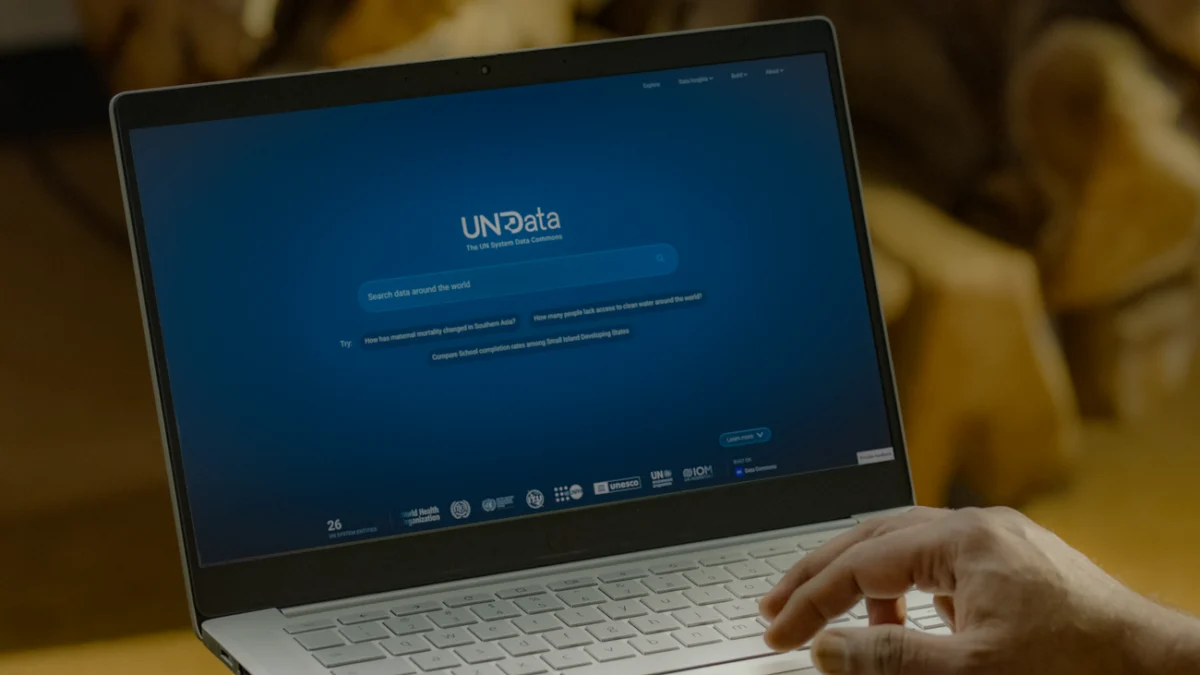
The United Nations, in a landmark collaboration with Google.org and the UN Foundation, has officially launched the UN System Data Commons, an ambitious open-source platform designed to centralize and harmonize the vast, often fragmented landscape of global statistics. This digital infrastructure represents a significant leap forward in the UN’s digital transformation strategy, moving away from isolated data silos toward an integrated, AI-ready knowledge graph that allows for real-time tracking of global progress across multiple sectors. By unifying disparate datasets from various UN agencies into a single, searchable resource, the initiative aims to provide researchers, policymakers, and the general public with unprecedented access to high-integrity data.
For decades, the United Nations system has been the world’s premier collector of data regarding human development, public health, environmental shifts, and economic stability. However, the utility of this information has historically been hampered by organizational fragmentation. Data collected by the World Health Organization (WHO) might exist in a format entirely incompatible with datasets managed by the Food and Agriculture Organization (FAO) or the United Nations Children’s Fund (UNICEF). This lack of interoperability meant that data analysts often spent months on "data cleaning"—the painstaking process of manually reformatting and aligning spreadsheets—before any substantive analysis could begin. The UN System Data Commons addresses this inefficiency by creating a "common language" for global statistics, ensuring that metrics, timelines, and geographic boundaries are automatically synchronized.
The Evolution of Global Data Integration
The launch of the UN System Data Commons is the culmination of years of advocacy for a "Data Revolution" within the international community. In 2014, the UN Secretary-General’s Independent Expert Advisory Group on a Data Revolution for Sustainable Development first called for more transparent and accessible data to monitor the Sustainable Development Goals (SDGs). While individual agencies made strides in digitizing their records, the lack of a centralized "knowledge graph" remained a bottleneck for cross-disciplinary research.
The current project, led by Prem Ramaswami, Head of Data Commons, leverages the existing Data Commons architecture developed by Google. This technology treats data as a web of interconnected entities rather than a collection of independent tables. By mapping diverse datasets to a common schema, the platform allows for complex queries that span different domains. For instance, a researcher can now more easily analyze the correlation between child vaccination rates in a specific region and local changes in GDP or educational outcomes, drawing from three different UN entities simultaneously without manual integration.
Technical Infrastructure and the AI-Ready Knowledge Graph
At the heart of the UN System Data Commons is the concept of an "AI-ready knowledge graph." Unlike traditional databases, a knowledge graph organizes information by describing the relationships between different entities—such as countries, cities, indicators, and time periods. This structure is particularly well-suited for Large Language Models (LLMs) and other artificial intelligence applications, which require structured, grounded data to provide accurate outputs.
A key technical highlight of this launch is the integration of the Model Context Protocol (MCP). This open standard allows AI agents to autonomously fetch authoritative figures directly from the UN System Data Commons. This "agentic" capability means that AI assistants can serve as research partners, capable of fetching verified data points, connecting dots across different domains, and generating visualizations like charts and infographics in seconds. This reduces the risk of "hallucinations"—a common issue where AI generates false information—by ensuring that the AI’s responses are grounded in the UN’s validated, official statistics.
Democratizing Data Through Natural Language Processing
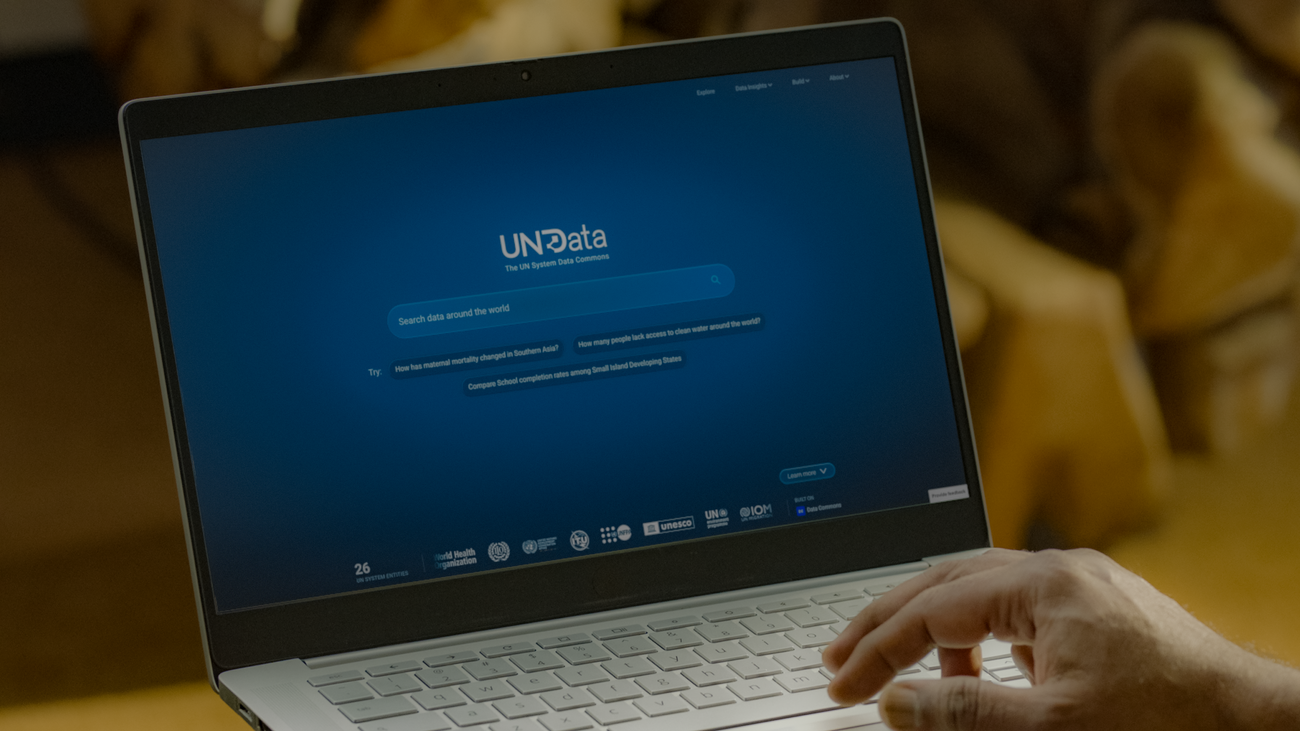
One of the most transformative features of the new platform is its use of natural language search. Traditionally, accessing UN statistics required a high degree of technical literacy, including knowledge of specific database queries and statistical nomenclature. The UN System Data Commons removes these barriers, allowing users to ask questions in plain English.
Journalists, nonprofit managers, and students can now query the platform with questions such as "How has child poverty changed in Southeast Asia over the last decade?" or "What is the correlation between carbon emissions and life expectancy in developing nations?" The platform’s AI interprets these queries, identifies the relevant datasets from the knowledge graph, and presents the user with interactive visualizations and ready-to-read reports. This democratization of data ensures that high-level insights are no longer the exclusive province of data scientists, but are available to any stakeholder involved in global advocacy or policy-making.
Strategic Partnerships and Institutional Support
The development of the UN System Data Commons was made possible through a strategic partnership between the public and private sectors. Google.org provided critical funding and technical expertise to the UN Foundation, which acted as the bridge between the technology sector and the international diplomatic community. This collaboration highlights a growing trend of "tech-for-good" initiatives where private sector innovations in data processing and AI are repurposed to address humanitarian and developmental challenges.
The UN Foundation has emphasized that while the technology is provided by Google, the data remains under the stewardship of the UN system. Every dataset hosted on the platform is validated by UN statisticians and technical experts. This ensures that the platform maintains the "gold standard" of integrity that the international community expects from the United Nations. The project also aligns with the UN Secretary-General’s "Our Common Agenda," which calls for a more "digitally savvy" United Nations capable of navigating the complexities of the 21st century.
Timeline for Implementation and Future Goals
The launch of the platform marks the beginning of a multi-year rollout. Currently, the UN System Data Commons includes a significant portion of the data from major entities such as UNICEF and the World Bank. However, the roadmap for the project is ambitious:
- 2024 (Current): Launch of the core platform with natural language search, AI assistant capabilities, and the initial knowledge graph of major UN datasets.
- 2025-2026: Continued onboarding of smaller UN entities and specialized agencies. This phase will focus on integrating more granular data related to climate change, maritime statistics, and telecommunications.
- 2027: The target date for including 80% of all UN system statistical datasets. By this point, the UN aims for the Data Commons to be the primary interface for all global development inquiries.
Implications for Global Policy and Research
The implications of a unified, AI-ready data resource are profound. For international policy analysts, the platform provides a tool for "evidence-based" decision-making that is grounded in real-time or near-real-time data. In the context of a global crisis—such as a pandemic or a rapid-onset environmental disaster—the ability to quickly correlate health data with economic and logistical information can save lives.
Furthermore, the platform’s ability to generate "ready-to-read" reports, as seen in the UN System Data Commons blog, allows for better communication of complex trends to the public. For example, recent reports using UNICEF data have already begun to shed light on which specific interventions are most effective in reducing child poverty across different geographic regions. By making these insights easily digestible, the UN can better mobilize public support and political will for its various initiatives.
Addressing the Challenges of Data Grounding
While the integration of AI offers immense benefits, the UN and Google have been careful to emphasize the necessity of human oversight. The platform includes warnings and citations for every data point, encouraging researchers to "review the underlying sources before citing critical figures." This cautious approach acknowledges that while AI can package and present data efficiently, the final interpretation and application of that data must remain a human responsibility.
The "grounding" of AI in trusted, official facts is perhaps the most significant contribution of the Data Commons to the broader AI landscape. As the internet becomes increasingly saturated with unverified or synthetic content, having a "source of truth" like the UN System Data Commons becomes essential for maintaining the integrity of global discourse.
Conclusion: A New Era for International Cooperation
The UN System Data Commons is more than just a technological upgrade; it is a fundamental shift in how the international community interacts with information. By breaking down the silos that have long isolated different branches of global knowledge, the UN is fostering a more holistic understanding of the challenges facing humanity.
As the platform continues to expand toward its 2027 goal of 80% data integration, it will likely become the foundational layer for a new generation of digital tools aimed at achieving the Sustainable Development Goals. In an era defined by "polycrisis"—where climate change, economic instability, and public health threats are deeply intertwined—the ability to see the "big picture" through connected data is no longer a luxury, but a necessity for global survival and progress. Individuals can now begin exploring this vast repository of knowledge at data.un.org, marking a new chapter in the transparency and accessibility of the United Nations.
