

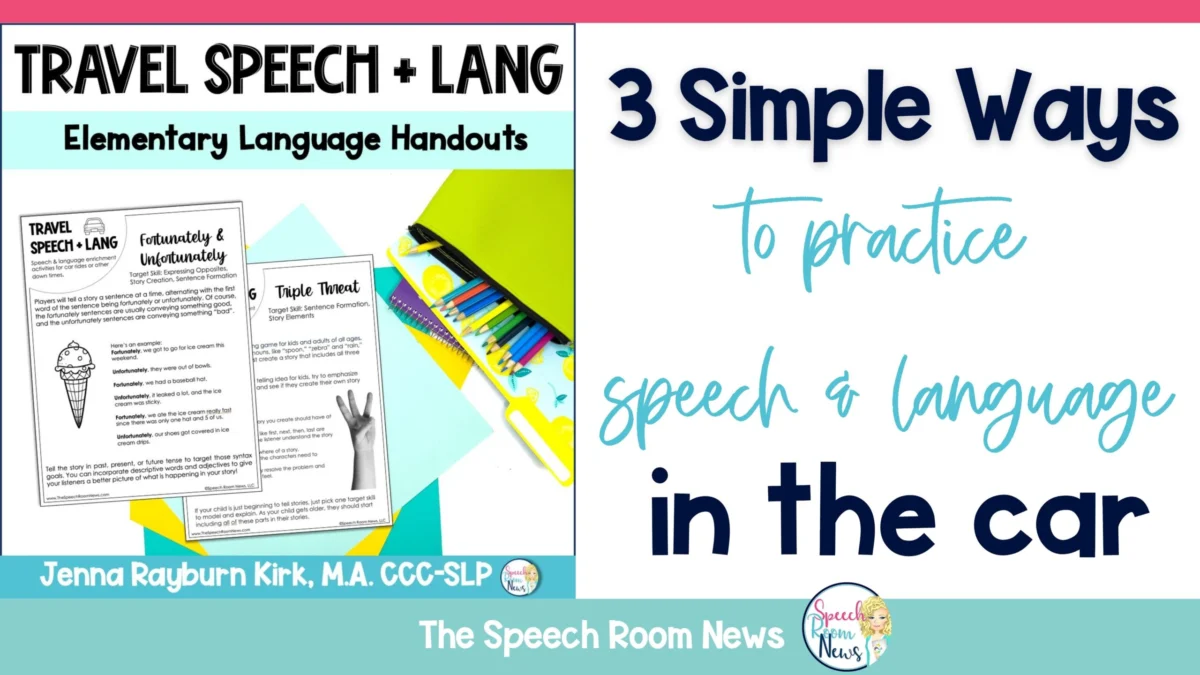
In an increasingly fast-paced world where dedicated time for childhood developmental support often competes with myriad demands, the seemingly mundane daily commute has emerged as an unexpectedly potent environment for fostering speech and language skills. For parents navigating the challenges of busy schedules, particularly those whose children are working to overcome speech or language delays, the car provides a unique, largely distraction-free setting to engage in targeted, yet naturalistic, communication practice. This approach capitalizes on otherwise passive travel time, transforming it into an active learning experience with significant benefits for a child’s linguistic and cognitive growth.
The recognition of car rides as a valuable therapeutic adjunct reflects a broader shift in speech-language pathology towards integrating intervention strategies into natural contexts and everyday routines. This paradigm emphasizes that consistent, embedded practice by primary caregivers can significantly augment formal therapy sessions, leading to more robust and generalized skill acquisition. Rather than viewing speech and language practice as an isolated task requiring specific tools or settings, this perspective champions the utilization of inherent daily opportunities to build foundational communication abilities.
The Unrivaled Benefits of the Automotive Environment for Language Acquisition
The car’s interior, by its very nature, offers several inherent advantages for concentrated speech and language work. Unlike a home environment often bustling with toys, screens, and competing attention from siblings or household chores, the car typically presents a more contained and less stimulating space. This reduction in external distractions allows for a heightened focus on auditory input and verbal interaction, which are critical for language processing and production. Children are more likely to tune into conversations and respond when there are fewer visual or tactile diversions.
Furthermore, the car ride naturally fosters a back-and-forth conversational rhythm. The confined space encourages direct eye contact (when safe for the driver to briefly glance) and sustained dialogue, mirroring the ideal conditions for developing pragmatic language skills such as turn-taking, initiating conversation, maintaining topics, and responding appropriately. This organic conversational flow is essential for building social communication competence, which is often as crucial as articulation or vocabulary in overall language development.
Beyond direct interaction, the passing scenery offers a rich, ever-changing tableau for vocabulary expansion and conceptual understanding. Road signs introduce new words and symbols, while landscapes, buildings, and vehicles provide concrete examples for describing attributes, categorizing items, and discussing spatial relationships. This natural context for learning vocabulary differs significantly from rote memorization, embedding new words within meaningful, real-world scenarios. For instance, observing a construction site can prompt discussions about verbs (digging, building), nouns (crane, truck, worker), and concepts (tall, strong, dangerous). This incidental learning, where language is acquired through observation and interaction rather than explicit instruction, is particularly effective for young learners.
Addressing the Prevalence of Speech and Language Delays
Speech and language disorders are among the most common developmental challenges affecting children. According to the Centers for Disease Control and Prevention (CDC), approximately 1 in 12 (7.7%) U.S. children aged 3-17 years have had a disorder of speech, voice, language, or swallowing in the past 12 months. The American Speech-Language-Hearing Association (ASHA) further reports that nearly 1 in 5 children experience communication disorders. These statistics underscore the widespread need for effective and accessible intervention strategies. Early identification and consistent intervention are paramount, as research consistently demonstrates that delays in communication skills can significantly impact literacy development, academic achievement, social-emotional well-being, and long-term life outcomes. Children who struggle with language often face difficulties in reading comprehension, written expression, and social interactions, which can compound over time without adequate support.
The integration of parent-led activities during daily routines like car rides is a direct response to the need for continuous support outside of clinical settings. Speech-language pathologists (SLPs) universally advocate for active parent involvement, recognizing caregivers as the primary facilitators of a child’s communicative environment. Equipping parents with practical, easy-to-implement strategies empowers them to become effective co-therapists, reinforcing skills learned in therapy and providing invaluable real-world practice.
Evolution of Therapeutic Approaches: Embracing Naturalistic Intervention
The field of speech-language pathology has seen an evolution in its therapeutic approaches over the past few decades. Historically, intervention often focused on highly structured, clinic-based drills. While these methods remain valuable for specific skill acquisition, there has been a growing emphasis on naturalistic intervention models. These models prioritize embedding therapy goals into everyday activities and routines, recognizing that generalization of skills to real-world contexts is often more successful when learning occurs in those very contexts.
This shift is supported by research into child development and learning, which highlights the efficacy of play-based and routine-based interventions. For instance, studies on parent-implemented interventions have shown significant positive outcomes for children with various communication disorders. The car ride exemplifies an ideal naturalistic setting: it’s a routine, often predictable part of the day, with a captive audience and a rich array of sensory input that can be leveraged for language stimulation.
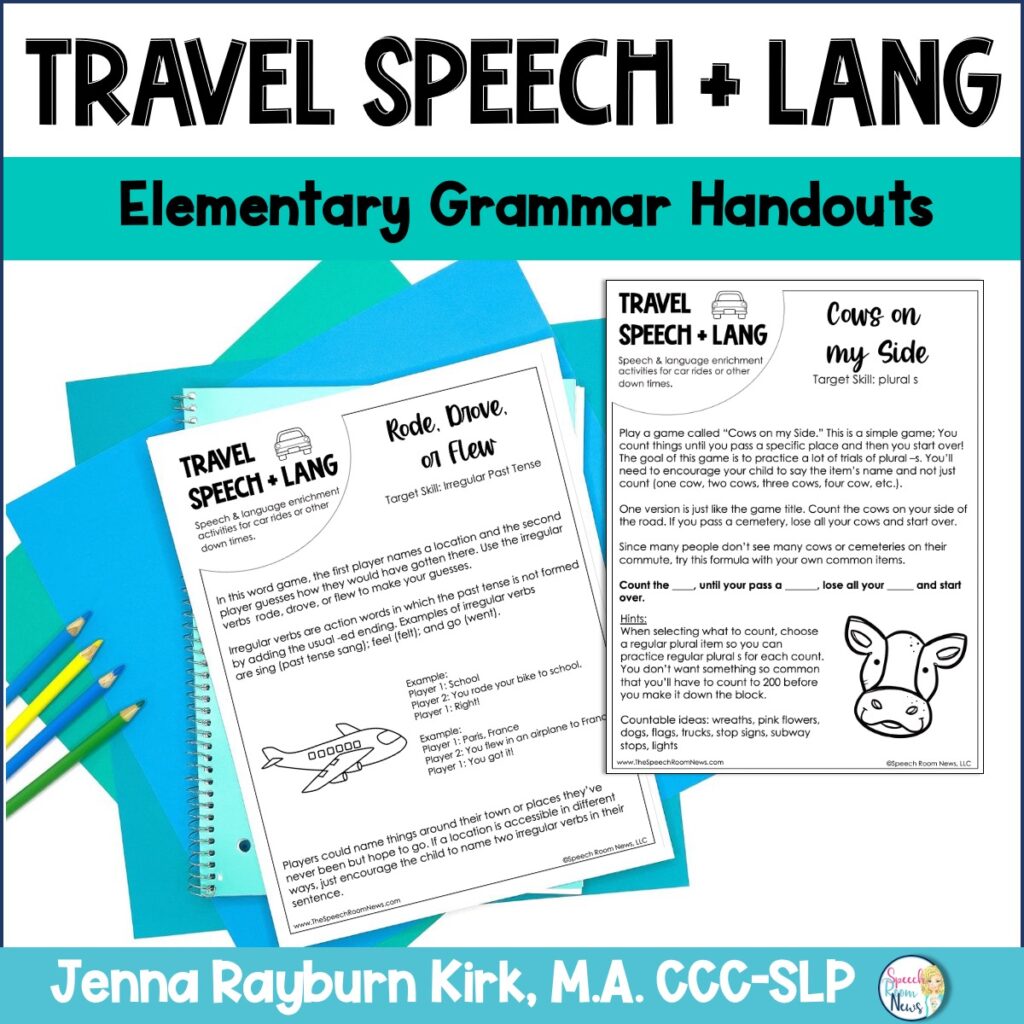
Practical Strategies for In-Car Speech and Language Practice
The effectiveness of car-based interventions lies in their simplicity and adaptability. Parents do not need specialized equipment or extensive training to implement beneficial activities. Three exemplary strategies demonstrate how common car rides can be transformed into dynamic learning sessions, targeting diverse speech and language goals:
-
The Grocery Game: Cultivating Question Formation and Semantic Skills
This activity is designed to enhance a child’s ability to formulate questions, a critical grammatical and cognitive skill. One player thinks of an item typically found in a grocery store, keeping it secret. Other players then ask yes/no questions to deduce the item. For example, "Is it in the produce aisle?" "Is it a fruit?" "Do you eat it for breakfast?"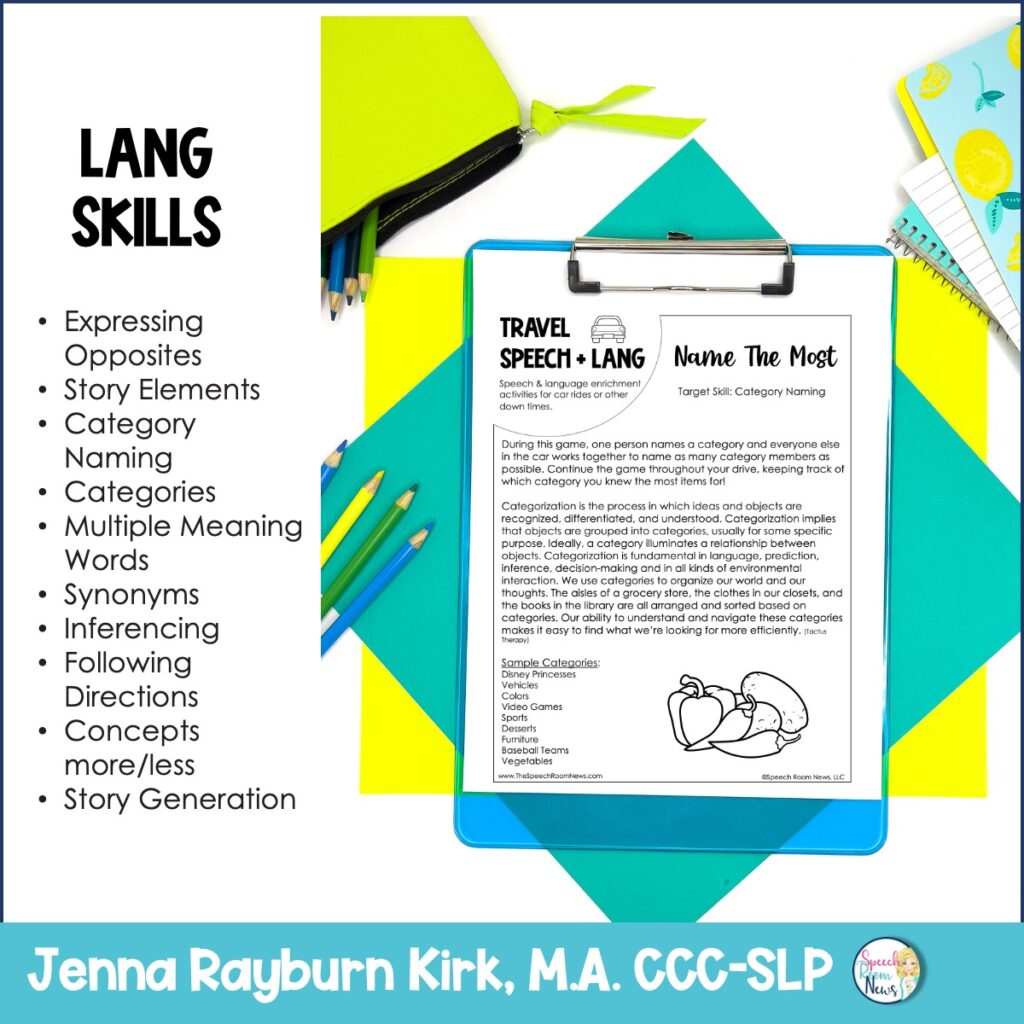
This game provides a natural, low-pressure environment to practice complex sentence structures involved in question formation, particularly auxiliary verb inversions (e.g., "Do you…", "Is it…"). Beyond grammar, it simultaneously targets a wide range of semantic skills:
- Functions: "Does it melt?" (understanding purpose and properties).
- Actions: "Do you bite it?" (associating verbs with nouns).
- Categories: "Is it a vegetable?" (developing classification skills).
- Associates: "Is it something that goes on bread?" (building connections between items).
- Attributes: "Is it green?" (describing characteristics).
By actively engaging in this guessing game, children not only improve their linguistic output but also sharpen their inferential reasoning and problem-solving abilities as they piece together clues. Parents can subtly scaffold the activity by modeling correct question structures and providing cues if a child struggles, making it adaptable for various developmental levels.
-
Red Light Race: Enhancing Articulation and Phonological Awareness
Articulation is the clear production of speech sounds, while phonological awareness involves understanding the sound structure of words. The "Red Light Race" game leverages momentary stops in traffic to focus on these crucial skills. When the car stops at a red light, players take turns naming as many items as possible within a chosen category that also contain a specific target sound (e.g., /s/, /r/, /sh/). One person names, the other counts.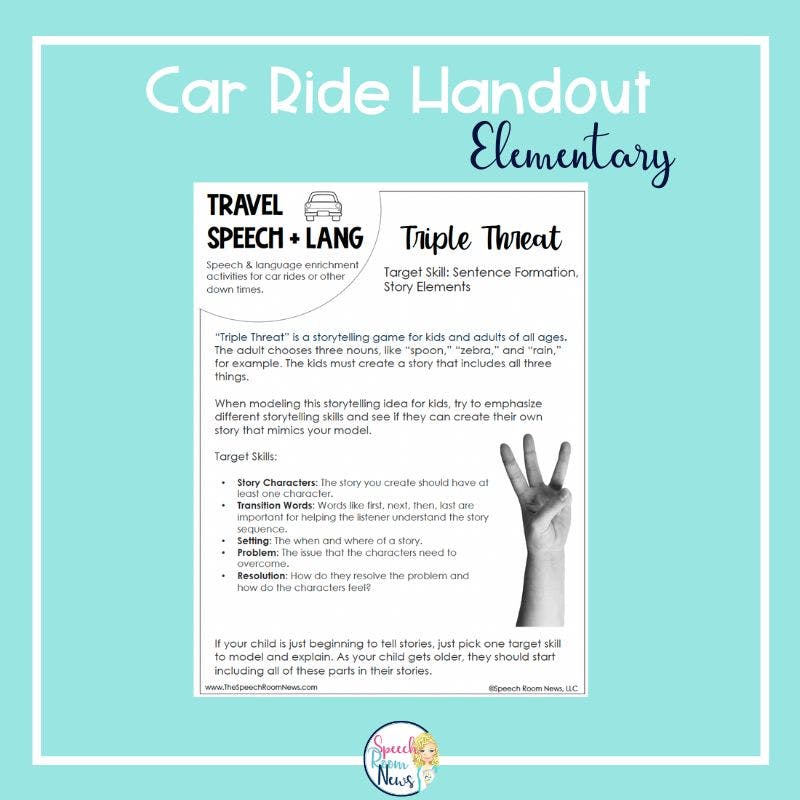
For a child working on the /s/ sound, for instance, categories like "animals" could yield "snake," "seal," "spider," "squirrel," "stars." For the /r/ sound, "things we wear" might include "ring," "dress," "shirt," "trousers."
The adult’s role in this game is critical for modeling. Repeatedly articulating the target sound correctly provides "auditory bombardment," a therapeutic technique where a child is exposed to numerous correct productions of a sound. This helps children develop a clearer auditory image of the target sound, improving their ability to discriminate it from other sounds and eventually produce it themselves. This activity reinforces phonetic production in a fun, time-bound challenge, making practice engaging rather than monotonous. It also subtly builds executive function skills like rapid retrieval and categorization. -
Triple Threat: Fostering Narrative Skills and Sentence Complexity
Narrative skills, including the ability to tell a coherent story, are fundamental for academic success and social interaction. "Triple Threat" encourages imaginative story creation and complex sentence formation. The adult provides three unrelated nouns (e.g., "dog," "milk," "bike"). The child’s task is to weave these three words into a single, cohesive, albeit often silly, story.This open-ended activity targets several advanced language skills:
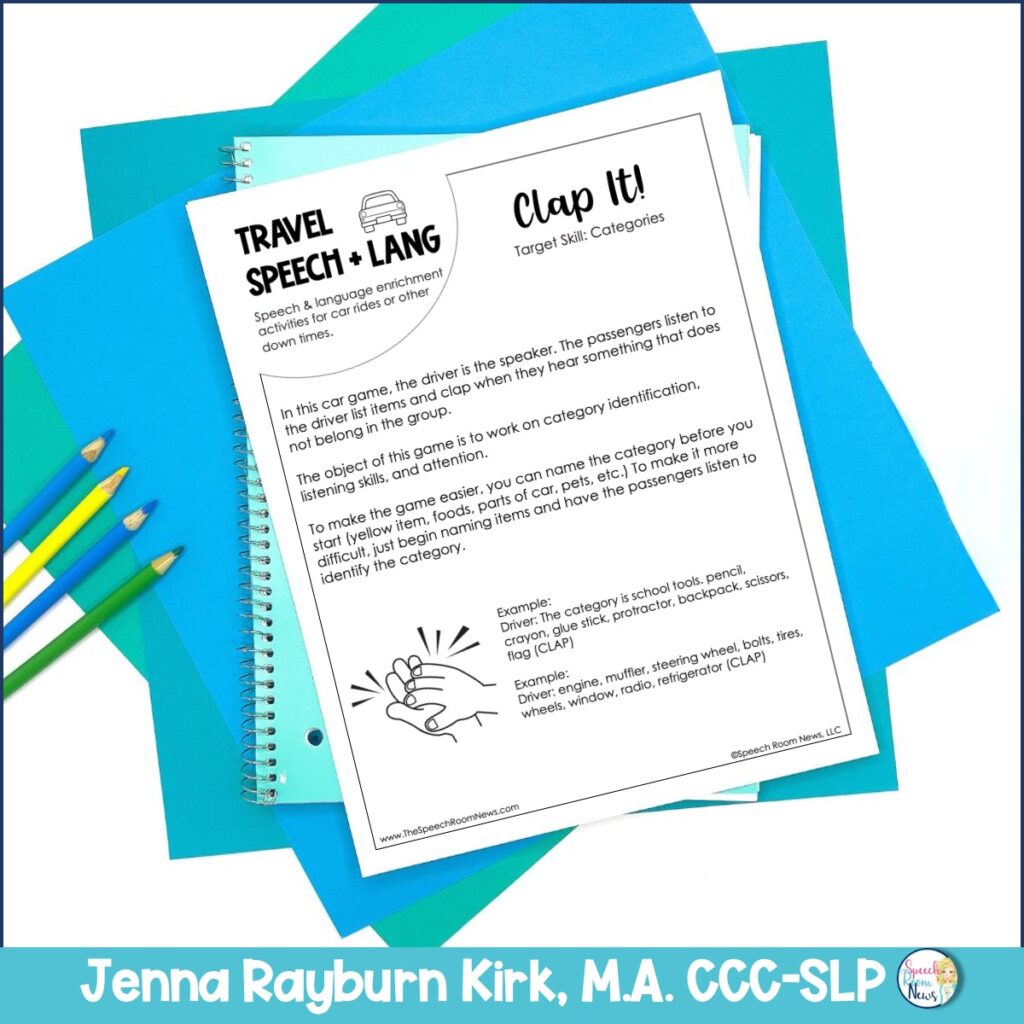
- Sentence Formation: Children must construct grammatically correct sentences to connect disparate ideas.
- Story Retell and Sequencing: Even simple narratives require a logical sequence of events, helping children understand story structure (beginning, middle, end).
- Describing: Children naturally add descriptive adjectives and adverbs to make their stories more engaging.
- Inferencing: Creating a plausible (or comically implausible) connection between nouns requires a degree of creative inferencing.
- Problem-Solving: The challenge of integrating seemingly unrelated items stimulates creative thinking and linguistic flexibility.
The inherent silliness of the resulting stories often reduces performance anxiety, making it an enjoyable way to practice sophisticated language skills. This activity directly supports the development of critical literacy precursors, as strong oral narrative skills are closely linked to reading comprehension and written composition.
The Broader Implications: Beyond the Car Ride
The consistent implementation of such simple, engaging activities during car rides extends far beyond the immediate gains in speech and language. It cultivates a home environment where communication is valued, encouraged, and naturally integrated into daily life. This sustained engagement by parents has profound long-term implications for a child’s overall development:
- Enhanced Academic Performance: Strong speech and language skills are the bedrock of literacy and academic success across all subjects. Children with robust communication abilities are better equipped to understand instructions, participate in classroom discussions, and express their knowledge.
- Improved Social-Emotional Well-being: The ability to communicate effectively is vital for forming friendships, expressing emotions, and navigating social situations. Children who can articulate their thoughts and feelings tend to have higher self-esteem and fewer behavioral challenges.
- Strengthened Parent-Child Bonds: Engaging in these interactive games creates positive shared experiences, fostering a deeper connection between parents and children. These moments of focused interaction build trust and rapport, making children more receptive to learning.
- Reduced Screen Time: Offering engaging verbal games provides an alternative to passive screen consumption, promoting active cognitive engagement and interaction.
In conclusion, the modern commute, often viewed as lost time, presents a powerful, untapped resource for nurturing childhood speech and language development. By adopting intentional, playful strategies like "The Grocery Game," "Red Light Race," and "Triple Threat," parents can transform routine car journeys into invaluable opportunities for linguistic growth. This approach not only maximizes valuable time but also aligns with contemporary therapeutic principles emphasizing naturalistic, parent-implemented interventions. For the countless children facing communication challenges, and for all children learning to navigate the complexities of language, these simple in-car activities offer a crucial pathway to clearer communication, stronger connections, and a brighter future.
