

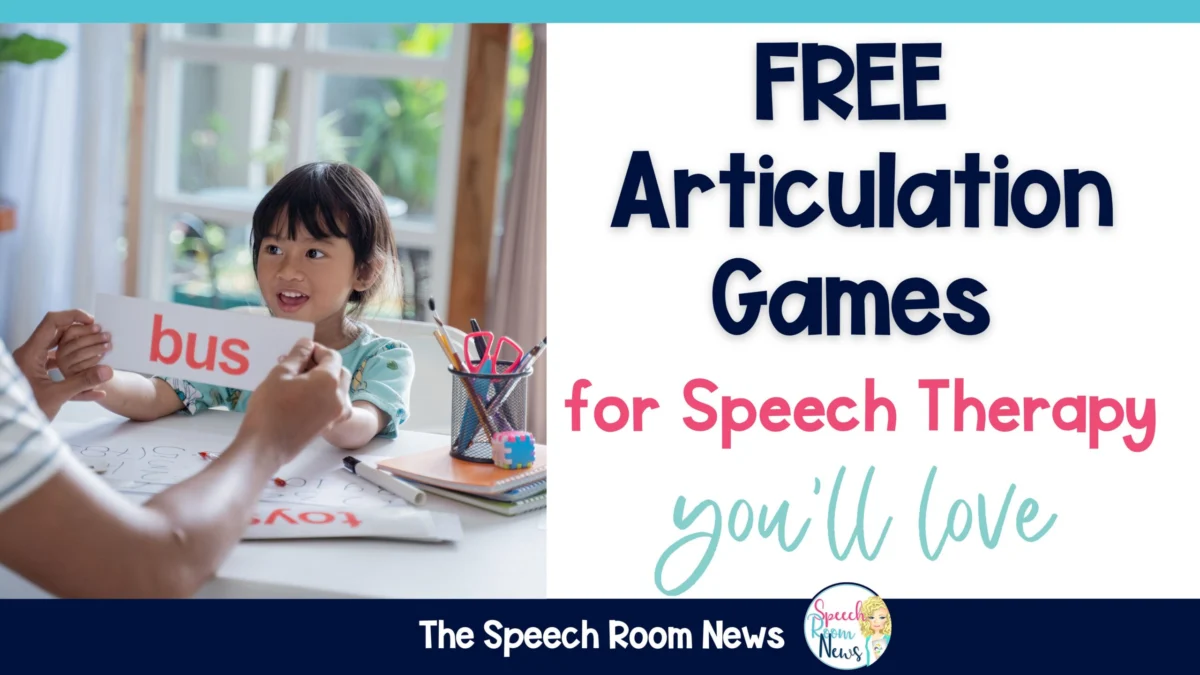
The landscape of pediatric speech therapy is undergoing a significant transformation, driven by an increasing recognition of play-based learning and the burgeoning availability of free, high-quality resources. Speech sound disorders (SSDs), affecting an estimated 8% to 9% of young children, present unique challenges for development and communication. Articulation therapy, a cornerstone of intervention for SSDs, traditionally relies on structured drills. However, a growing consensus among speech-language pathologists (SLPs) and developmental experts underscores the profound benefits of integrating play into therapy sessions, not only to boost engagement and make learning memorable but also to facilitate the generalization of newly acquired speech sounds into everyday communication. This shift towards gamified and accessible resources is democratizing effective therapy practices, offering invaluable support to clinicians, educators, and families alike, irrespective of their financial capacity or geographical location.
Articulation therapy is a specialized intervention designed to help children who have difficulty producing specific sounds or sound patterns correctly. These difficulties can range from simple substitutions, such as saying "wabbit" for "rabbit," to more complex phonological processes that impact intelligibility. Untreated SSDs can lead to academic struggles, social isolation, and reduced self-esteem, highlighting the critical importance of timely and effective intervention. The conventional approach often involves repetitive exercises, which, while effective, can become monotonous and disengaging for children, particularly younger learners who thrive in interactive environments. This is where the integration of play becomes a game-changer. By embedding articulation practice within fun, motivating activities, children are more likely to participate actively, retain information, and transfer their learned skills to spontaneous speech.
The pedagogical underpinnings of play-based therapy are well-established in child development research. Play is not merely a leisure activity; it is a fundamental mechanism through which children explore, learn, and make sense of their world. In a therapeutic context, play reduces performance anxiety, fosters intrinsic motivation, and creates a naturalistic environment for practicing target sounds. When children are engaged in a game, their focus shifts from the explicit "work" of articulation to the enjoyment of the activity itself, allowing for more relaxed and spontaneous sound production. This naturalistic approach helps bridge the gap between structured therapy sessions and real-world communication, a critical step in achieving functional speech improvement. The efficacy of play-based interventions has been supported by various studies indicating improved attentional engagement, increased trial counts, and better generalization of target sounds compared to traditional drill-based methods alone.
The proliferation of digital technologies and the ingenuity of the speech-language pathology community have led to an explosion of free articulation games and resources, catering to diverse learning styles and therapeutic settings. Whether sessions are conducted virtually, in-person, or within a hybrid model, SLPs now have an unprecedented array of tools at their disposal, all without incurring additional costs. This is particularly vital for school-based SLPs often working with limited budgets, as well as for families seeking supplementary practice materials for home use. The accessibility of these free resources plays a crucial role in promoting equity in healthcare and education, ensuring that children from all socioeconomic backgrounds have opportunities to benefit from engaging and effective speech therapy.
The Digital Revolution: Online Interactive Games for Articulation
Interactive online games have emerged as a powerful medium for enhancing articulation skills, transforming what might otherwise be perceived as tedious practice into an enjoyable experience. These platforms leverage gamification elements such as immediate feedback, reward systems, and engaging visuals to keep students motivated. The digital format also offers versatility, allowing for use on various devices and in different settings, from clinic rooms to home environments.

One notable example is ABCya’s “Alphabet BINGO,” a resource primarily designed for younger students to practice letter sounds. While not exclusively an articulation tool, it can be adapted by SLPs to target initial phonemes, reinforcing phonemic awareness and sound production in a familiar game format. Its intuitive interface and colorful design make it highly appealing to preschoolers and early elementary students.
The Articulation Station App (Lite Version), available for download on various app stores, represents a dedicated articulation tool that offers a selection of sound options and interactive games. Even its free version provides significant utility, allowing students to practice target sounds in isolation, syllables, words, phrases, and sentences. The app’s visual cues and auditory models provide clear guidance, while its tracking features can help SLPs monitor progress over time. The convenience of having a comprehensive practice tool on a tablet or smartphone makes it an invaluable resource for both in-session and home practice.
Language Playroom stands out as a website offering a growing collection of free online games specifically focused on articulation, with plans to expand into fluency, language, and social communication activities. The site’s commitment to continually adding new content ensures a fresh and varied experience for users, preventing boredom and maintaining interest. Such platforms are crucial as they are often developed by SLPs who understand the specific therapeutic needs and pedagogical principles.
Phoneme Pop is another engaging online game where children can "pop" bubbles containing words with their target sounds. This game combines visual and auditory discrimination with motor action, creating a multi-sensory learning experience that reinforces sound recognition and production. The interactive nature of popping bubbles can be highly motivating, making repetitive practice feel less like a chore.
Boom Cards, a digital interactive platform, has become a cornerstone for many SLPs. While many decks are paid, a vast array of free Boom Card decks are available for various articulation sounds on platforms like Teachers Pay Teachers and Boom Learning. These digital task cards offer self-checking features, immediate feedback, and a gamified approach to articulation drills. SLPs can assign specific decks to students for independent practice, track their performance, and customize activities to individual goals. The versatility of Boom Cards means they can be used for initial sound production, medial sounds, final sounds, and even sound blends, catering to a wide spectrum of articulation targets. The interactive nature, often incorporating drag-and-drop elements or multiple-choice questions, keeps students actively involved.
Tangible Practice: Printable Games for Hands-On Articulation Therapy
For those who prefer or require hands-on activities, printable games remain an essential component of articulation therapy. These resources offer a tactile learning experience, can be easily customized, and serve as excellent take-home materials for reinforcing skills between sessions. They also require minimal technology, making them accessible in environments with limited internet access or device availability.

The “Whack-a Sound /S/ Self-Checking Articulation Freebie” is an exemplary printable game, particularly effective for preschool through second-grade students. This activity helps children identify the position of a target sound (initial, medial, or final) within words, a critical skill for phonological awareness. The "whack-a" format adds an element of playful competition and immediate feedback, making the learning process dynamic and enjoyable.
Articulation Worksheets from Super Duper Publications provide a range of free printable activities. Super Duper is a well-known publisher in the speech therapy world, and their free offerings, even if limited, often maintain a high standard of quality and therapeutic relevance. These worksheets can include coloring activities, mazes, cut-and-paste exercises, or simple drill sheets that encourage repetitive practice in a visually appealing format.
The “Hot Chocolate Articulation Board Game” is a thematic printable that offers flexibility in its application. Ideal for the winter months, this game can be adapted for various articulation goals by pairing it with flashcards containing target words. The act of rolling a dice and moving spaces introduces an element of chance and reinforces turn-taking skills, while the requirement to articulate a word before moving ensures consistent practice. This type of game encourages repeated trials in a natural, conversational context.
“100 Trial Challenges” by Peachie Speechie are highly effective for maximizing the number of articulation trials in a session. These sheets, often themed around holidays or seasonal events, make it easy to integrate therapy goals with broader educational or cultural contexts. The visual tracking of 100 trials can be motivating for students, providing a clear sense of accomplishment as they fill up their sheets. This method is particularly useful for students who need a high volume of practice to solidify new sound productions.
“Color & Play Ocean Articulation Bingo” provides a classic game format for group or one-on-one practice. These bingo cards feature target words, allowing students to mark off words as they correctly articulate them. Bingo is excellent for auditory discrimination, target sound production, and vocabulary expansion, all within a familiar and enjoyable game structure. The "color & play" aspect adds another layer of engagement, allowing children to personalize their game cards.
Therapy On-The-Go: Free Articulation Games with No Materials Needed
One of the most versatile and accessible categories of articulation practice involves games that require no physical materials, making them perfect for spontaneous practice in diverse environments, such as during car rides, waiting rooms, or even daily routines. These material-free games emphasize the generalization of speech sounds into conversational contexts and real-world situations, a crucial step in achieving functional communication.

“I Spy” can be easily modified to focus on specific target sounds. Instead of simply identifying objects, the SLP or parent can prompt the child to find items that start with a particular sound (e.g., "I spy with my little eye something that starts with /s/"). This encourages auditory processing, visual scanning, and accurate sound production in a natural, observational setting.
“20 Questions” is an excellent game for encouraging descriptive language and question-asking, while simultaneously targeting articulation goals. Children must articulate their questions clearly and use descriptive words that contain their target sounds. This game fosters higher-level language skills alongside precise sound production, making it a comprehensive therapeutic activity.
“Rhyme Time” is a simple yet effective game where participants take turns saying words that rhyme with a target word. This activity not only reinforces phonological awareness but also requires careful articulation of each rhyming word. It can be adapted to focus on specific vowel and consonant sounds, making it a flexible tool for various articulation targets.
“The Alphabet Game” involves going through the alphabet and having the child say a word that starts with each letter, with an emphasis on their articulation targets. For example, if the child is working on /r/, they might say "rabbit" for "R," focusing on the correct /r/ sound. This game builds vocabulary, reinforces letter-sound correspondence, and provides numerous opportunities for practicing target sounds in initial positions.
Broader Implications and the Future of Speech Therapy
The widespread availability of free articulation games carries significant implications for the field of speech-language pathology. Firstly, it enhances the accessibility and equity of therapeutic services. For families facing financial constraints, these resources provide a vital bridge, enabling continued practice outside of formal therapy sessions without incurring prohibitive costs. This is particularly important in underserved communities where access to specialized services may be limited.
Secondly, these resources empower parents and caregivers, transforming them into active participants in their child’s therapeutic journey. By providing engaging and easy-to-use tools, parents can confidently reinforce target sounds at home, integrating practice into daily routines and making therapy feel less like a chore and more like family fun. This collaborative approach between SLPs and families is crucial for achieving optimal outcomes.

Thirdly, for speech-language pathologists, free games offer invaluable support, especially for those working with large caseloads or limited budgets. They reduce the burden of constantly creating new materials, allowing SLPs to dedicate more time to direct therapy and individualized planning. The diversity of resources also means SLPs can easily differentiate instruction, tailoring activities to the unique needs and interests of each child. This adaptability is critical for maintaining high levels of engagement and progress.
However, the proliferation of free resources also necessitates a critical approach. SLPs must ensure the quality and therapeutic relevance of any material used, regardless of its cost. Professional oversight remains paramount to selecting appropriate games that align with a child’s specific articulation goals and developmental stage. Additionally, while digital games offer numerous benefits, SLPs and parents must be mindful of screen time management and ensure a balanced approach that includes traditional hands-on activities and real-world communication practice.
The trend towards integrating play and leveraging free, accessible tools is not merely a passing fad but a testament to an evolving understanding of effective pedagogical practices in speech therapy. As technology continues to advance and the speech-language pathology community continues to innovate, the array of engaging and free articulation resources is only likely to grow. This future promises a more inclusive, effective, and enjoyable therapeutic experience for children struggling with speech sound disorders, ultimately fostering clearer communication and greater confidence. By embracing these innovative approaches, the field of speech therapy continues to underscore its commitment to enhancing the lives of children globally, one articulated sound at a time.
