

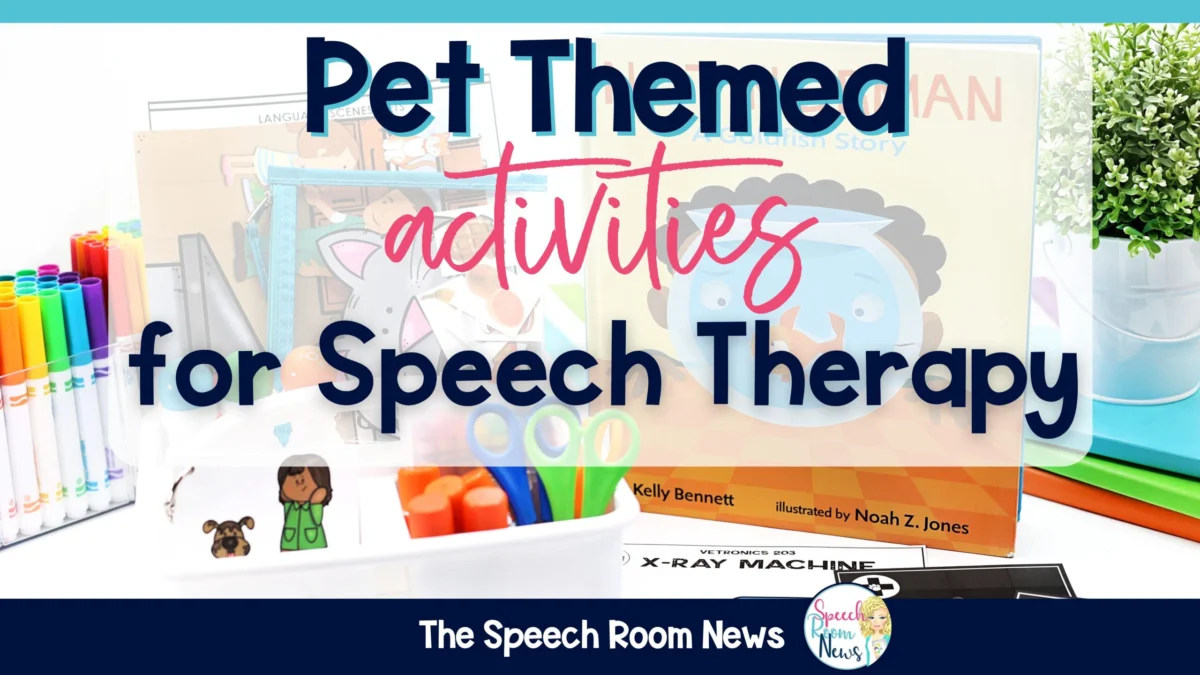
Speech-language pathologists (SLPs) are increasingly adopting thematic instructional approaches to enhance engagement and efficacy in therapy sessions, a trend underscored by the growing popularity of comprehensive, year-round themed resource kits. Among these, a newly highlighted "Pets Theme Kit" is proving particularly effective for preschool speech and language activities, offering a structured yet playful framework that significantly boosts student participation and optimizes therapist preparation time. This strategic shift towards thematic teaching is not merely a pedagogical preference but a response to the documented benefits of contextual learning and the persistent challenges faced by SLPs in maintaining dynamic, impactful interventions.
The Strategic Shift Towards Thematic Learning in SLP
The field of speech-language pathology continuously evolves, seeking innovative methods to address communication disorders in young children. Historically, therapy often involved repetitive drills, which, while foundational, could sometimes struggle to maintain the attention and intrinsic motivation of preschool-aged children. The integration of thematic units represents a significant methodological advancement, transforming therapy from isolated exercises into immersive, interconnected learning experiences. This approach leverages a child’s natural curiosity and provides a rich, cohesive context for acquiring new vocabulary, developing narrative skills, and practicing social communication.

Research in early childhood education consistently demonstrates that children learn most effectively when information is presented within a meaningful and engaging framework. Thematic units, such as a "pets" theme, provide a natural backdrop for introducing new concepts and vocabulary related to animals, their care, and associated actions (e.g., feeding, petting, barking, meowing). This contextual learning facilitates deeper understanding and better retention compared to decontextualized instruction. Furthermore, thematic units naturally encourage multi-modal learning, incorporating visual aids, auditory stimuli (animal sounds, songs), tactile experiences (sensory bins, toys), and kinesthetic activities (acting out animal movements), all of which are crucial for diverse learning styles and developmental stages.
Speech-language pathologists often face substantial professional demands, including managing heavy caseloads, developing individualized treatment plans, and preparing a diverse array of engaging materials for multiple sessions daily. The time required for lesson planning and material creation can be overwhelming, potentially detracting from direct client interaction. Pre-designed, thematic kits address these challenges directly by providing ready-to-use resources that are both therapeutically sound and highly engaging, thereby streamlining workflow and allowing SLPs to focus more on clinical delivery and less on administrative burdens.
A Deep Dive into the "Pets Theme Kit" Components
The comprehensive "Pets Theme Kit" is designed to provide an entire month (four weeks) of structured lessons and activities, meticulously crafted to target a wide range of speech and language goals within a captivating pet-centric narrative. The kit’s robust contents include therapy printables, interactive play resources, four detailed circle time lessons, parent handouts for home practice, creative crafts, and carefully selected book companions. Each component is strategically chosen to maximize therapeutic impact and student engagement.

Literacy and Language Development Through Book Companions:
Central to the kit are several thoughtfully chosen picture books, each serving as a springboard for extensive language exploration.
- "Not Norman by: Kelly Bennett" offers a humorous narrative about a boy’s initial disappointment with a goldfish, only to discover the unique joys of pet ownership. This story is invaluable for targeting emotional vocabulary, understanding character perspectives, sequencing events, and discussing problem-solving. SLPs can use it to prompt discussions on expectations vs. reality, the responsibilities of pet care, and the concept of appreciating what one has.
- "Some Pets by: Angela DiTerlizzi" features vibrant illustrations and a diverse cast of children and their various animal companions. It’s an excellent resource for expanding vocabulary related to different types of pets (dogs, cats, birds, bunnies) and their characteristics. The book also promotes inferencing skills by observing the interactions between children and their pets, fostering discussions on similarities and differences, and encouraging descriptive language.
- "Lola Gets a Cat by: Anna McQuinn" delves into Lola’s daydreams about owning a cat versus the practical realities and responsibilities involved. This narrative is ideal for exploring cause-and-effect relationships, understanding sequences of events, and developing a sense of responsibility. It can also be used to target verbs associated with pet care (feed, brush, play) and adjectives describing pet behaviors.
- An "Interactive Vocabulary Book about Pets" within the kit specifically focuses on core pet-related vocabulary, making it a foundational tool for early learners. It works synergistically with interactive toys like the "Critter Clinic," allowing for direct application and reinforcement of new words in a hands-on context. This multi-modal approach to vocabulary acquisition is critical for solidifying semantic understanding.
Musical Engagement for Foundational Skills:
Songs are a powerful tool in speech therapy, particularly for young children, as they naturally facilitate auditory processing, rhythm, and repetition. The kit includes access to several pet-themed songs designed for ease of use and maximum impact:
- "I Have a Pet" and "Do You Have a Pet?" utilize repeated words and simple sentence structures, making them perfect for practicing early vocabulary, increasing expressive language, and developing phonological awareness. They also encourage participation through call-and-response or simple actions.
- "I Love Dogs" and "Wag Your Tail" focus on action words and animal sounds, which are vital for developing verb vocabulary, imitating sounds, and understanding body language. These songs also promote prosody and intonation, critical components of natural speech.
Interactive Games for Targeted Practice:
Gamified learning significantly boosts motivation and provides a structured environment for practicing specific speech and language goals.
- "Color and Play Pets Bingo" offers a versatile platform for targeting multiple objectives. SLPs can use it to practice articulation by having students say target words before marking their spaces, reinforce vocabulary by identifying pet-related items, or develop social communication skills through turn-taking and requesting. The act of coloring also provides fine motor skill practice.
- The digital "Feed the Dog Articulation Boom Cards" leverages technology to create an engaging, interactive experience. Students "feed" the virtual dog images representing their target articulation sounds. The immediate auditory feedback (a "crunch" sound) reinforces correct productions, making the practice highly motivating and effective for addressing a wide range of articulation targets across different phonetic contexts.
Tactile and Imaginative Play with Themed Toys:
Play-based therapy is a cornerstone of early intervention, allowing children to learn and practice skills in a natural, low-pressure environment.

- The "Critter Clinic Toy Vet Set" has proven to be an invaluable resource. With its lockable doors, two stuffed animals, and five veterinary tools, it transforms into a miniature veterinary hospital. This toy facilitates extensive opportunities for developing descriptive language (e.g., "The puppy has a sore paw"), practicing narrative skills (creating stories about sick pets), understanding positional concepts (e.g., "The cat is in the cage"), and engaging in rich pretend play that builds social scripts and problem-solving abilities. Children naturally expand their vocabulary related to health, care, and emotions within this imaginative context.
- The "Hape Family Pet Houses" set, with its small pieces and various animal figures, is excellent for targeting prepositional concepts (e.g., "The dog is under the table," "The bird is on the perch"), spatial awareness, and developing elaborate narrative play. Children can arrange the houses and pets, creating intricate stories and practicing multi-word utterances, turn-taking, and joint attention. This set also refines fine motor skills through manipulation of the small components.
Creative Expression Through Crafts:
Craft activities integrate fine motor skills with language learning and provide a tangible product that reinforces concepts.
- The "Clifford the Big Red Dog" craft (inspired by Crafty Morning) pairs perfectly with reading Clifford books. This activity encourages following multi-step directions, discussing colors and shapes, and reinforcing the concept of pets while developing fine motor coordination. The finished craft serves as a visual reminder of the theme and a prompt for continued discussion.
Sensory Integration for Descriptive Language:
Sensory bins offer a multi-sensory experience that is inherently engaging and conducive to language development.
- A pet-themed sensory bin can be created using materials like brown rice (representing pet food or dirt), small plastic pet animals, scoops, and small bowls. This setup is ideal for targeting descriptive language ("I see a fluffy dog," "The rice feels gritty"), practicing requesting (e.g., "Can I have more rice?"), and identifying attributes (e.g., "Find the pet with pointy ears"). The tactile exploration fosters curiosity and provides natural opportunities for communication.
Expert Perspectives and Practitioner Endorsements
Leading speech-language pathologists and educational consultants consistently emphasize the critical role of well-structured, engaging resources in effective therapy. "The demand for high-quality, pre-planned therapy materials has never been greater," states a prominent SLP specializing in early childhood intervention. "Our caseloads are often heavy, and the time available for individual lesson planning is limited. Kits like the Pets Theme Kit are invaluable because they provide a complete, evidence-based framework that allows us to focus our energy on delivering therapy rather than creating materials from scratch."

Practitioners report that using themed kits significantly reduces the cognitive load associated with session preparation, enabling them to be more present and responsive during therapy. The inherent fun factor of a pet theme naturally lowers anxiety in young learners, making them more receptive to instruction and more willing to participate in challenging tasks. Parents also appreciate the consistency and clarity provided by themed resources, especially when accompanied by handouts that facilitate carryover activities at home, thereby extending the therapeutic impact beyond the clinic or classroom. This collaborative approach between therapist and family is crucial for reinforcing learned skills in diverse environments.
The Broader Impact: Enhancing Learning Outcomes and Professional Efficacy
The implications of adopting comprehensive thematic kits extend far beyond individual therapy sessions. For students, the consistent exposure to a theme across various activities fosters deeper comprehension and better generalization of newly acquired speech and language skills. When children encounter the same vocabulary and concepts in books, songs, games, and play, these skills become more robust and transferable to real-world contexts. This integrated approach also makes therapy less intimidating and more enjoyable, reducing resistance and increasing sustained engagement—factors that are paramount for positive learning outcomes in early intervention.
For speech-language pathologists, these resources represent a significant stride towards professional efficacy and burnout prevention. By minimizing the burden of material creation, SLPs can allocate more time to clinical analysis, progress monitoring, and individualized adaptations, ultimately leading to higher quality care. Furthermore, the economic benefit of reusable, non-holiday specific themes cannot be overstated. Unlike holiday-specific materials that are relevant only for a short period, year-round themes like "pets" can be revisited multiple times throughout the academic year, offering exceptional long-term value and reducing the need for constant material acquisition. These kits also contribute to a certain level of standardization in quality therapy, ensuring that even busy practitioners can deliver comprehensive and engaging interventions while still allowing for the necessary flexibility to tailor activities to individual student needs.

Looking Ahead: The Future of Thematic Speech Therapy
The success of the "Pets Theme Kit" exemplifies a broader movement within speech-language pathology towards more holistic, engaging, and resource-efficient therapeutic models. As the field continues to emphasize evidence-based practices and student-centered approaches, the development and adoption of similar thematic resources are likely to expand. Other popular themes that effectively support speech and language development include "Farm," "Community Helpers," "Construction," "Ocean," "Weather," "Bugs," "Food," "Colors," "Shapes," "Animals," "All About Me," "Space," "Transportation," "Seasons," and "Fairy Tales." Each offers unique opportunities to build vocabulary, narrative skills, and social communication within a relevant and exciting context.
Ultimately, well-designed thematic kits are proving to be a cornerstone for effective and enjoyable speech and language intervention. By bridging the gap between clinical objectives and child-friendly engagement, these resources empower SLPs to deliver impactful therapy that not only addresses communication challenges but also fosters a lifelong love of learning in young children. The ongoing innovation in creating such accessible and comprehensive tools promises a brighter, more engaging future for speech and language development.
