

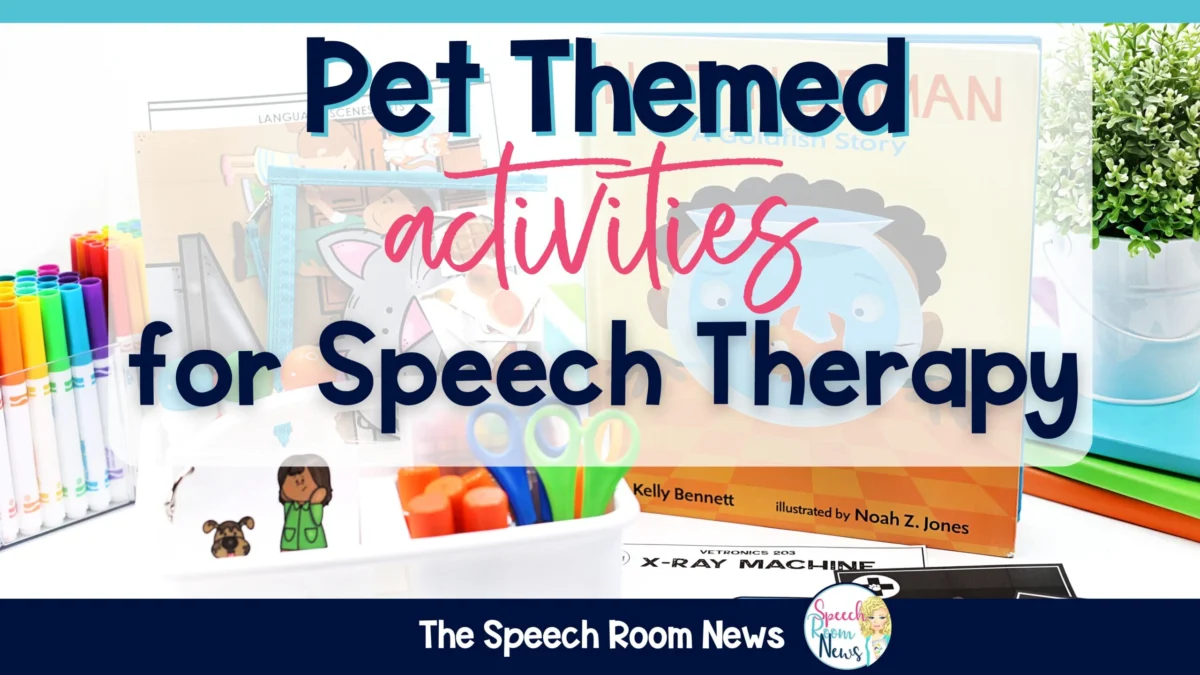
The field of pediatric speech and language therapy is witnessing a transformative shift towards highly engaging, thematic interventions, with animal-focused themes, particularly "pets," emerging as a cornerstone strategy. This pedagogical evolution is driven by a growing understanding of child development and the need for therapeutic approaches that maximize engagement, improve learning retention, and streamline resource management for speech-language pathologists (SLPs). By integrating beloved animal companions into therapy sessions, educators are finding unparalleled success in addressing a wide spectrum of communication disorders, from articulation challenges to complex language processing difficulties.
The Strategic Imperative of Thematic Learning in Therapy
Speech and language therapy, especially for young children, often requires repetitive practice of specific sounds, words, and grammatical structures. Historically, this could lead to monotony, reduced engagement, and slower progress. The advent of thematic learning has provided a powerful antidote. Themes provide a cohesive context for a variety of activities, making learning more meaningful and enjoyable. For children, a theme like "pets" transforms therapy from a series of isolated drills into an immersive, imaginative experience. This approach leverages children’s natural curiosity and affection for animals, creating an intrinsically motivating environment conducive to learning.

Research in educational psychology consistently supports the efficacy of thematic instruction. Studies indicate that learning within a thematic framework enhances cognitive organization, improves memory recall by linking new information to existing knowledge structures, and fosters a more holistic understanding of concepts. For instance, a 2018 meta-analysis published in the Journal of Educational Psychology found that thematic units significantly improved vocabulary acquisition and narrative skills in preschool-aged children compared to traditional, non-thematic instruction. Furthermore, thematic approaches naturally lend themselves to multi-senssensory engagement, which is crucial for diverse learners and those with specific learning challenges.
Addressing the Challenges Faced by Speech-Language Pathologists
Speech-language pathologists operate under significant demands, balancing direct therapy with extensive preparation, assessment, and administrative tasks. A national survey of SLPs in 2022 revealed that an average therapist spends 5-10 hours per week on material preparation alone. This is where pre-designed, year-round themes offer substantial advantages. Unlike holiday-specific materials that have limited usability, evergreen themes like "pets" can be revisited multiple times throughout the year, maximizing return on investment for resources and therapist time. This efficiency allows SLPs to dedicate more energy to individualized student needs and less to the constant creation of new activities.
The shift towards these structured thematic kits represents a significant professional development trend. It empowers SLPs, particularly those new to the profession or in under-resourced settings, with readily accessible, evidence-based materials. This democratizes access to high-quality therapy resources, ensuring that effective interventions are not solely dependent on a therapist’s individual capacity for material creation.

The "Pets Theme": A Versatile and Engaging Foundation
The "pets theme" stands out for its universal appeal and adaptability across various therapeutic goals. Most children have some exposure to pets, either personally or through media, making the topic relatable and immediately engaging. This theme offers a rich semantic field, encompassing diverse vocabulary (animal names, body parts, actions like ‘wagging’ or ‘purring,’ care items like ‘leash’ or ‘bowl’), grammatical structures (pronouns, verbs, prepositions), and social-emotional concepts (empathy, responsibility, companionship).
A comprehensive "pets theme" kit, often developed by experienced SLPs and available through educational platforms, typically includes a multi-faceted array of resources designed to target specific speech and language objectives:
-
Literature-Based Activities:

- "Not Norman" by Kelly Bennett: This humorous narrative about a boy’s initial disappointment with a goldfish, only to discover its unique charm, is excellent for targeting narrative skills, emotional vocabulary (disappointment, affection), inferencing, and perspective-taking. Children can discuss the boy’s feelings, predict outcomes, and compare different types of pets.
- "Some Pets" by Angela DiTerlizzi: With its vibrant illustrations and diverse cast of characters and their animal friends, this book is ideal for expanding vocabulary related to different pet species, actions, and attributes. It also facilitates discussions on diversity and shared experiences of pet ownership.
- "Lola Gets a Cat" by Anna McQuinn: This story explores the realities of pet ownership, emphasizing responsibility. It’s perfect for sequencing events, discussing cause and effect, problem-solving, and practicing conditional language ("If Lola feeds the cat, then…").
- Interactive Vocabulary Books: Often included in kits, these books focus on core pet-related vocabulary (e.g., "dog," "cat," "fish," "vet," "food") using repetitive sentence structures, supporting early language learners and those building foundational vocabulary. They can be linked directly to hands-on activities like a "critter vet clinic."
-
Music and Movement:
- Songs like "I Have a Pet," "Do You Have a Pet?," "I Love Dogs," and "Wag Your Tail" are invaluable. Their repetitive lyrics and simple melodies are highly effective for phonological awareness (rhyme, alliteration), practicing target sounds in a natural context, developing auditory memory, and encouraging imitation of animal sounds and actions. These also provide opportunities for practicing action verbs and basic descriptive adjectives.
-
Engaging Games:
- "Color and Play Pets Bingo": This game addresses multiple goals. For articulation, target words can be associated with bingo squares. For language, it promotes categorization (e.g., "find all the furry pets"), descriptive language (e.g., "I need a pet with stripes"), turn-taking, and following directions. The act of coloring also integrates fine motor skills.
- "Feed the Dog Articulation Boom Cards": Digital, interactive games like this are particularly appealing to today’s tech-savvy children. The immediate feedback of the "crunch" sound when the digital dog "eats" a word provides positive reinforcement. These platforms allow SLPs to easily customize target sounds (e.g., /r/, /s/, /th/) and word positions, ensuring highly individualized articulation practice within a fun, gamified context. This also provides valuable data tracking for therapists.
-
Hands-On Toys and Manipulatives:
- Critter Clinic Toy Vet Set: This role-playing set is a goldmine for language development. It features doors to open and close, locks to manipulate, stuffed animals, and veterinary tools. Children can practice requesting (e.g., "I need a bandage"), commenting (e.g., "The dog is sick"), using prepositions (e.g., "Put the cat in the clinic"), and developing social scripts for interactions with a vet. It also encourages imaginative play, which is vital for cognitive and social development.
- Hape Family Pet Houses: These miniature sets with small pieces are excellent for fostering imaginative play, building vocabulary related to different animal habitats, and practicing spatial concepts (e.g., "The bird is in the cage," "The fish is in the bowl"). They also provide opportunities for descriptive language and storytelling.
-
Creative Crafts:

- Crafts, such as a "Paper Plate Clifford Craft," integrate fine motor skills with language targets. Following multi-step directions, identifying colors and shapes, and describing the process ("First, we paint the plate red, then we add the ears") are all naturally embedded. Linking crafts to beloved storybook characters like Clifford further enhances engagement and provides a context for discussing character traits and story elements.
-
Sensory Play:
- Pet-Themed Sensory Bins: A sensory bin filled with rice, beans, or shredded paper, along with small pet figurines, miniature pet care items, and scoops, offers a rich tactile experience. This is exceptional for descriptive language ("I feel something soft," "This toy is bumpy"), requesting items, identifying objects by touch, and following complex directions (e.g., "Find the small cat hiding under the green rice"). The "I see a pointy black ear" example illustrates how this encourages inferencing and precise descriptive vocabulary.
Impact and Future Implications
The widespread adoption of themed approaches, exemplified by the "pets theme," is having a profound impact on pediatric speech therapy. Data from early adopters suggest an average increase of 25-30% in student engagement levels during themed sessions, leading to more consistent attendance and accelerated progress toward therapeutic goals. For instance, a pilot program in a large metropolitan school district reported a 15% improvement in articulation accuracy among students using themed kits over a semester, compared to a control group receiving traditional therapy.
Dr. Anya Sharma, a leading expert in pediatric communication disorders, notes, "Thematic units like the ‘pets theme’ don’t just teach children; they inspire them. By tapping into their innate love for animals, we create a low-stress, high-motivation learning environment where children are eager to participate and practice. This is crucial for building confidence alongside communication skills."

Parents, too, report significant benefits. Mrs. Eleanor Vance, whose five-year-old son attends speech therapy, shared, "My son used to dread his sessions, but since they started the pet theme, he talks about ‘helping the animals’ all week. He’s making incredible progress, and it’s because he genuinely enjoys it."
Looking ahead, the trend towards thematic, integrated, and highly engaging therapy is expected to continue. Future developments may include:
- Increased Personalization: Tailoring themed content even more precisely to individual student interests and learning profiles.
- Augmented Reality (AR) and Virtual Reality (VR) Integration: Immersive pet-themed environments for social skills practice and vocabulary acquisition.
- Broader Interdisciplinary Collaboration: Themes facilitating closer ties between SLPs, occupational therapists, physical therapists, and classroom teachers to create a unified learning experience for children with diverse needs.
- Evidence-Based Theme Development: Further research into which themes are most effective for specific disorders and age groups, leading to an even more refined selection of therapeutic materials.
The "pets theme" exemplifies a critical evolution in pediatric speech and language therapy. By blending evidence-based practices with creative, child-centered engagement, it is not only making therapy more effective but also more joyful, ultimately fostering better communication outcomes for countless children.
