

The demanding landscape of school-based speech-language pathology (SLP) has long presented practitioners with the formidable challenge of crafting individualized lesson plans for diverse caseloads, often numbering 50 or more students, each with unique goals and needs. This intensive planning requirement, traditionally involving the development of dozens of distinct lessons weekly, has been a significant contributor to professional burnout and a barrier to optimal service delivery. However, a growing movement within the SLP community is championing strategic planning methodologies designed to drastically reduce preparation time while simultaneously enhancing therapeutic efficacy and student engagement. This shift emphasizes integrated, multi-purpose approaches that leverage themes, literacy, narrative structures, play-based learning, and Augmentative and Alternative Communication (AAC) core vocabulary to create streamlined, impactful interventions.
The role of a school-based Speech-Language Pathologist is multifaceted, encompassing assessment, diagnosis, intervention, consultation, and collaboration with educators and families. Unlike many classroom teachers who plan for a single group or curriculum, SLPs typically manage a caseload of students with a wide spectrum of communication disorders, including articulation, phonology, language delays, fluency disorders, voice disorders, social communication deficits, and challenges related to AAC use. Each student’s Individualized Education Program (IEP) mandates specific, measurable goals, necessitating tailored therapeutic interventions. The sheer volume and diversity of these goals for a typical caseload often translate into an overwhelming amount of planning and material preparation. Early career SLPs, in particular, often grapple with the initial burden of developing an extensive repertoire of materials and lesson structures from scratch. A common anecdote involves days spent in limbo awaiting licensure, primarily dedicated to copying and organizing worksheets for dozens of students, underscoring the initial, often inefficient, approach to planning.
The Evolving Landscape of School-Based Speech Therapy
The professional standards set by organizations like the American Speech-Language-Hearing Association (ASHA) provide guidelines for optimal caseload sizes, often suggesting numbers significantly lower than what many SLPs experience in practice. For instance, ASHA’s 2018 workload calculator and position statements advocate for caseloads that allow for comprehensive service delivery, including direct therapy, consultation, evaluation, and planning. Yet, real-world scenarios frequently see SLPs managing caseloads far exceeding these recommendations, placing immense pressure on their time and resources. This discrepancy necessitates innovative strategies to maintain quality of care without succumbing to unsustainable workloads.
Historically, speech therapy planning often involved creating highly specific activities for each individual student or small group, targeting one or two goals in isolation. While effective for individualized attention, this method proved incredibly time-consuming when scaled across an entire caseload. The modern educational environment further emphasizes curriculum alignment and generalization of skills, pushing SLPs to integrate therapy goals more seamlessly into academic contexts. This evolution has spurred the adoption of more holistic and integrative planning models.
Strategic Approaches to Enhance Planning Efficiency
Recognizing the need for a more sustainable and effective planning paradigm, experienced SLPs have refined several key strategies that allow for comprehensive goal targeting within a reduced preparation footprint. These approaches not only save time but also foster deeper learning and skill generalization by creating cohesive, engaging therapeutic environments.
Thematic Therapy: A Foundation for Consistency
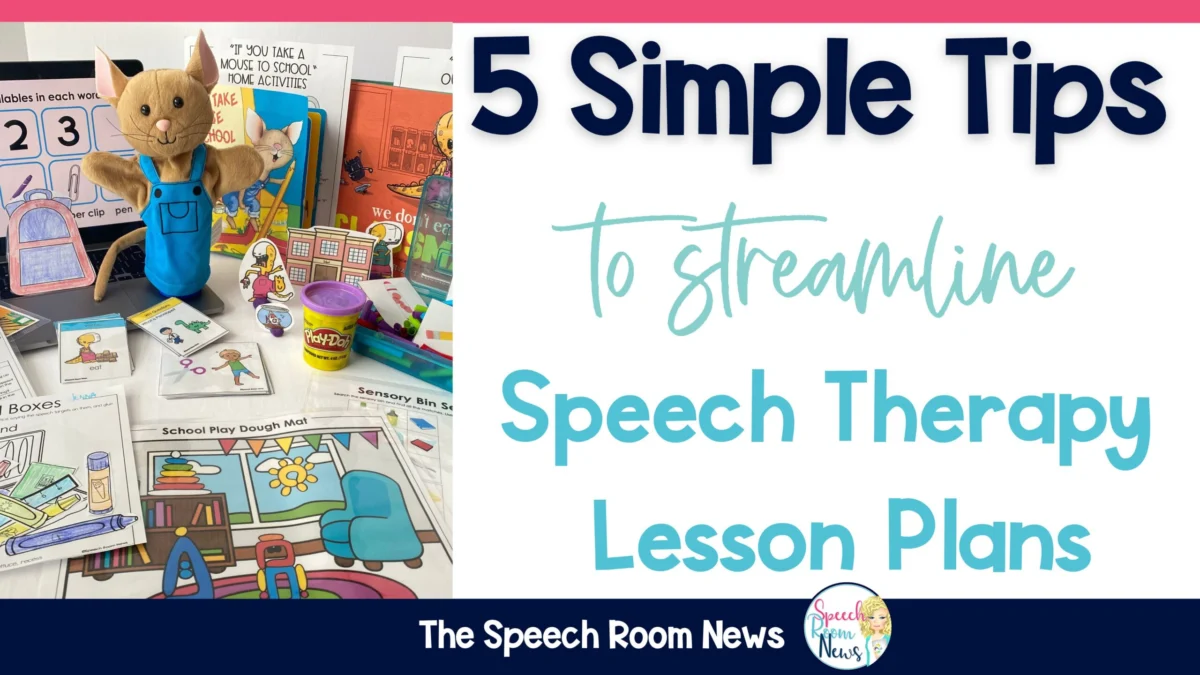
One of the most impactful strategies for streamlining lesson plans is the adoption of a thematic therapy approach. Instead of designing discrete lessons for each student, an SLP selects a central theme for a week or month (e.g., "Fall Harvest," "Under the Sea," "Community Helpers"). All therapy materials, activities, and discussions are then coordinated around this single theme. This allows for significant overlap in resource preparation; a book, a set of toys, worksheets, or a craft project related to the theme can be adapted to address a multitude of speech and language goals across various students and groups.
For example, a "Farm Animals" theme could involve reading a book about farm life (targeting vocabulary, story comprehension), playing with farm animal figurines (targeting articulation, prepositions, descriptive language), creating a farm animal craft (targeting sequencing, following directions), and discussing farm chores (targeting verb tenses, social inferencing). This approach inherently promotes reusability; once a theme kit is developed, it can be easily adapted and expanded upon year after year, building a robust library of pre-made, organized materials. Moreover, thematic planning naturally aligns with classroom curricula, fostering a more integrated educational experience for students and facilitating carryover of skills into the academic setting. The consistent exposure to related vocabulary and concepts within a theme can also enhance semantic networks and overall language development.
Literacy-Based Intervention: Bridging Books and Language
Another highly effective method centers on using picture books as the core of therapy sessions, known as literacy-based therapy. This approach capitalizes on the rich linguistic content and narrative structure inherent in children’s literature to target a broad spectrum of speech and language goals. A single well-chosen book can serve as a springboard for addressing articulation targets (e.g., practicing specific sounds found in the text), language comprehension (e.g., answering "wh-" questions, identifying main ideas), vocabulary development (e.g., defining new words), inferencing, sequencing, and even social communication skills (e.g., discussing character emotions, predicting outcomes).
The framework for literacy-based intervention typically includes several stages:
- Pre-story knowledge activation: Students discuss what they already know about the book’s topic, building background knowledge and predicting content.
- Shared story reading: The book is read aloud, with strategic pauses for discussion, questioning, and targeting specific goals.
- Focused-skill activities: Activities directly related to the book are used to target specific IEP goals (e.g., creating a story map, identifying synonyms/antonyms from the text, practicing target sounds with words from the story).
- Post-story comprehension discussion: A review of the story’s events, themes, and characters reinforces comprehension and allows for generalization of learned skills.
A significant benefit of this approach is the minimal material preparation required, as the book itself is the primary resource. Many commercially available or free supplementary materials exist for popular children’s books, further reducing SLP prep time. Furthermore, aligning book choices with classroom curricula strengthens the link between speech therapy and academic learning, making therapy more relevant and meaningful for students, particularly as they progress into secondary grades where reading comprehension becomes paramount.
Narrative Language Approach: Fostering Storytelling Skills
Closely related to literacy-based therapy, the narrative language approach focuses explicitly on developing storytelling abilities alongside other speech and language skills. This method recognizes the critical role of narrative competence in academic success, social interaction, and overall communication. While literacy-based therapy often uses one book over multiple sessions, the narrative approach might involve presenting several similar stories across sessions, with a strong emphasis on story retelling and story generation tasks.
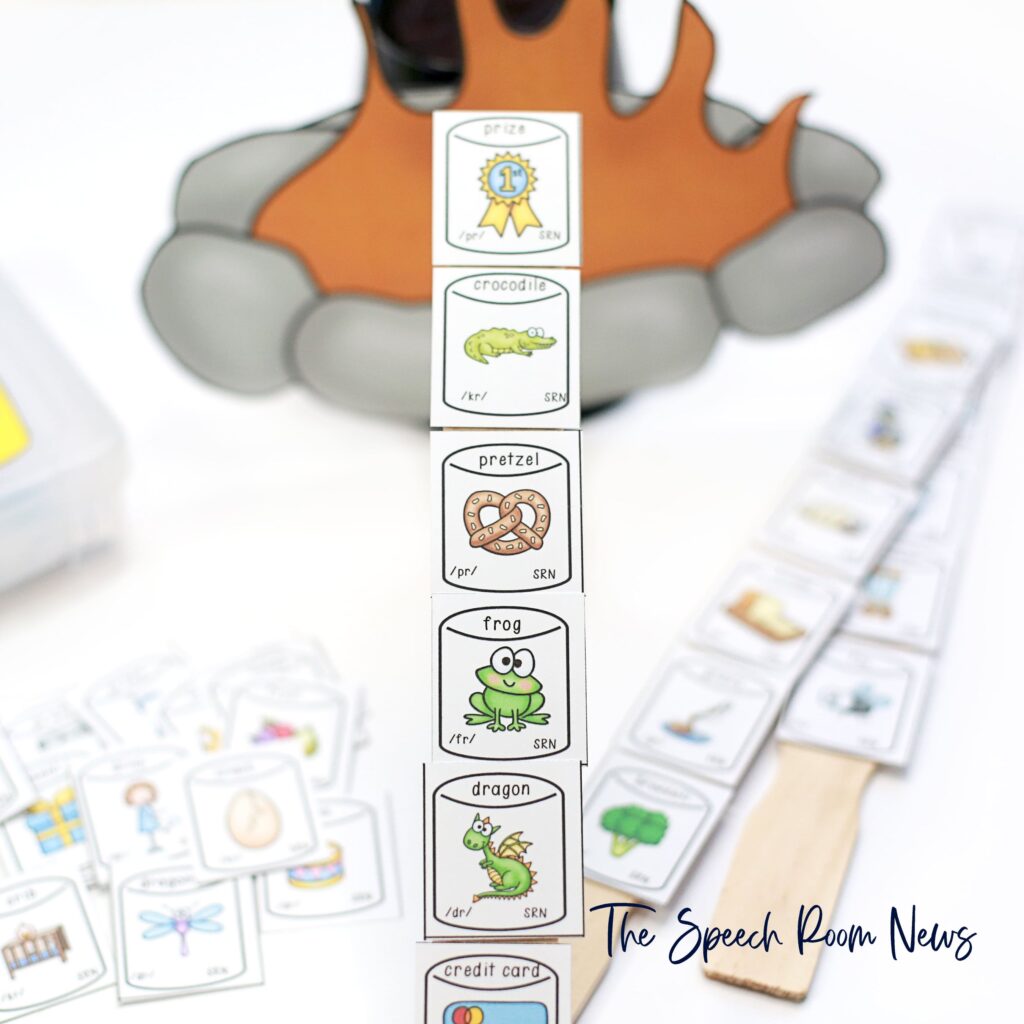
Key components of narrative language intervention include explicit instruction in story grammar (e.g., characters, setting, initiating event, rising action, climax, falling action, resolution), complex syntax (e.g., using conjunctions, relative clauses), and advanced vocabulary. SLPs guide students to analyze story structures, identify key elements, and then apply these understandings to create their own coherent narratives. Visual aids, such as story grammar icons, are often employed to help students internalize story components. The profound benefit of this approach lies in its direct impact on academic performance; students with strong narrative skills are better equipped to comprehend texts, write essays, and engage in classroom discussions. It also promotes the generalization of speech and language skills by embedding them within a functional, communicative context that is highly relevant to daily life and learning.
Play-Based Learning: Maximizing Engagement with Minimal Prep
For many SLPs, particularly those working with younger children or students with diverse learning styles, utilizing a single therapy toy or game to target multiple goals represents the epitome of streamlined planning. This approach minimizes preparation time to an almost negligible degree, focusing instead on the SLP’s ability to creatively adapt a single resource to various therapeutic objectives. The inherent engagement factor of toys and games also enhances student motivation and participation.
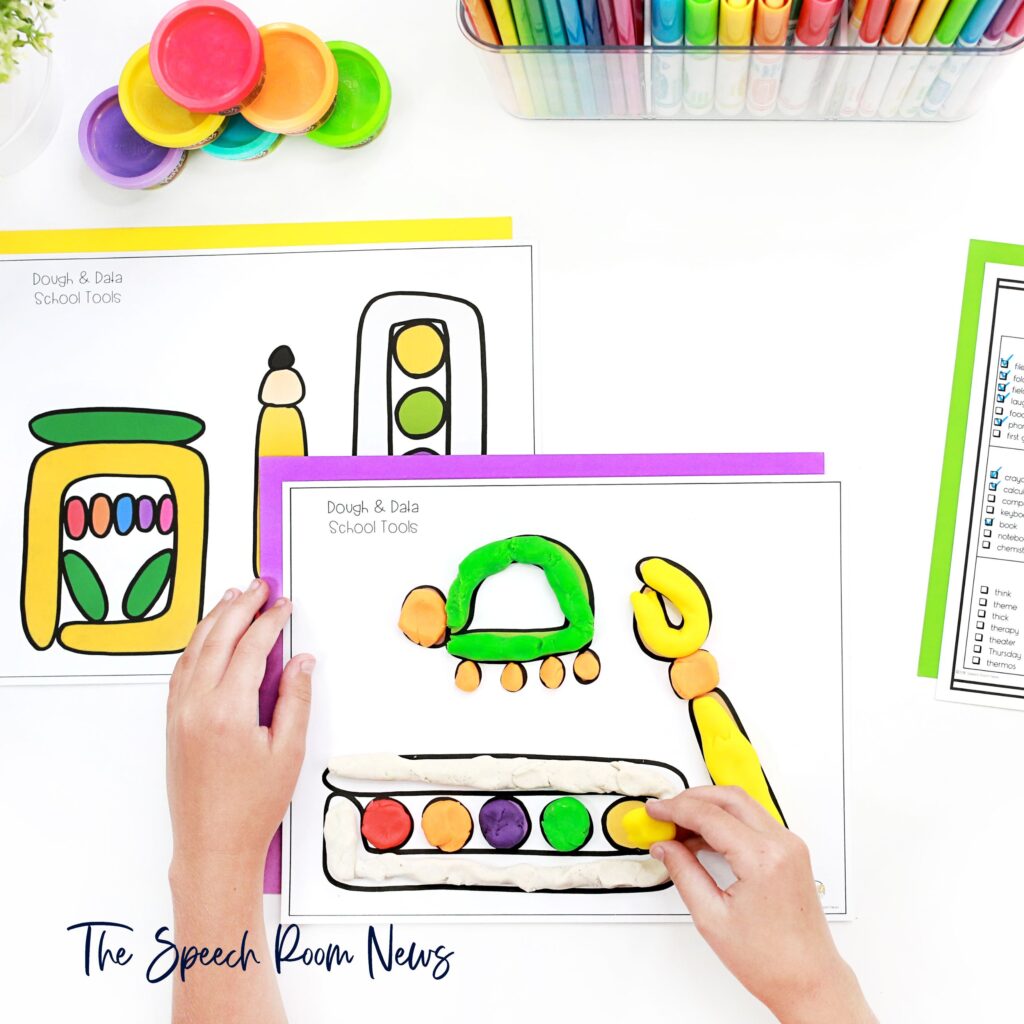
Consider the classic board game Candyland. Beyond its primary function, an SLP can create or adapt cards to target specific articulation sounds (e.g., "Say ‘car’ three times to move"), language goals (e.g., "Describe the candy cane"), social skills (e.g., turn-taking, asking for help), and even executive functioning (e.g., following rules, managing frustration). Similarly, a simple material like play dough can become a versatile tool. Specialized "Dough and Data" sets allow students to create shapes while simultaneously practicing target sounds or vocabulary, enabling no-prep progress monitoring. The tactile and creative nature of play dough naturally engages fine motor skills while providing a context for language production.
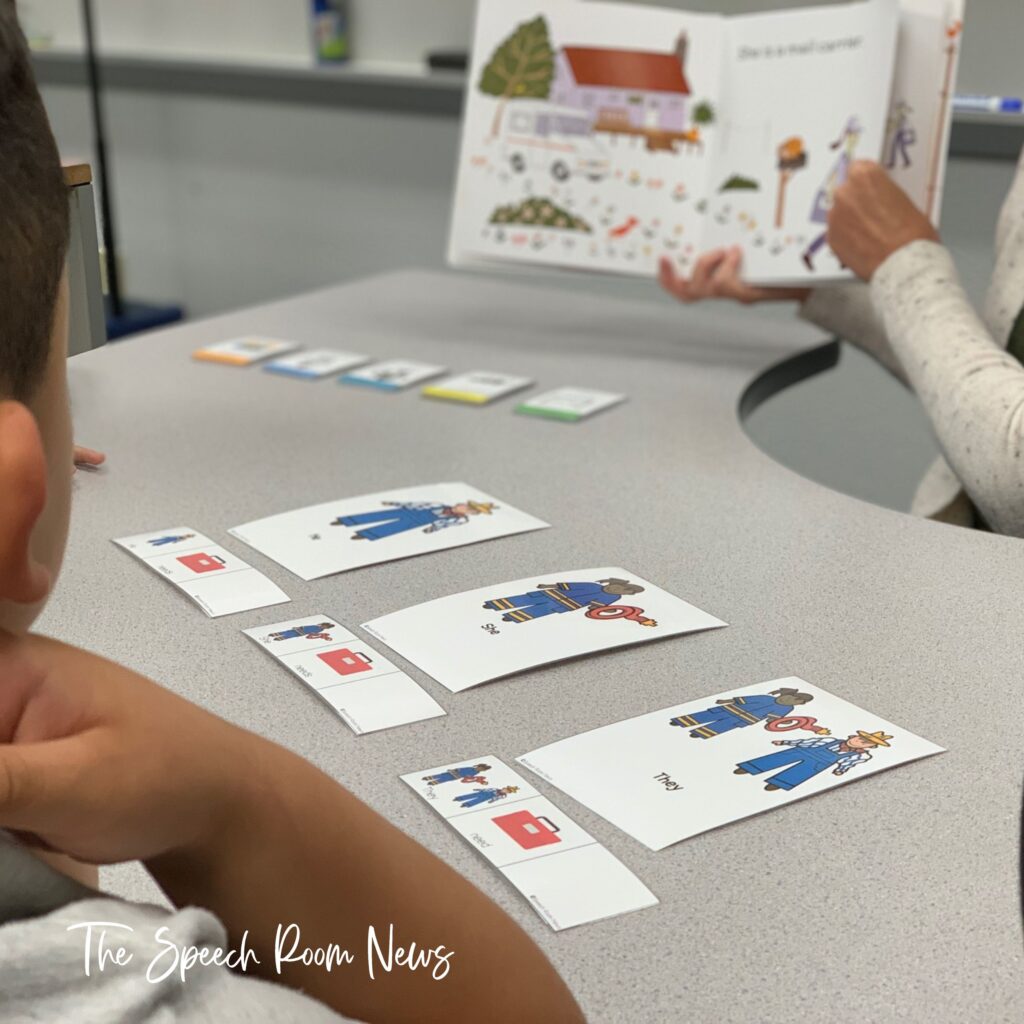
Mini objects—small, realistic figurines—offer another rich avenue for play-based therapy. They are highly motivating, easily portable, and can be used to target a vast array of goals: vocabulary identification, categorization, articulation practice, sentence formulation, following directions (e.g., "Put the dog under the table"), and even social narratives. The flexibility of mini objects allows SLPs to pair them with various activities or themes, making them an indispensable "grab-and-go" resource.
Even specialized toys, such as a "Chomping Crocodile" game or a Melissa & Doug "Ice Cream Shop," can be leveraged for multiple goals. The crocodile game, for example, can be used to discuss dental health, practice initial /k/ sounds, or work on requesting and turn-taking. The ice cream shop fosters imaginative play, vocabulary expansion (flavors, toppings), prepositional concepts (e.g., "on top of," "next to"), descriptive language, and social scripts (e.g., ordering, polite requests). These versatile toys are particularly valuable for preschool evaluations, offering rich opportunities to observe spontaneous language and interaction in a naturalistic setting.
Empowering AAC Users: The Core Word of the Week Initiative
For students who rely on Augmentative and Alternative Communication (AAC) systems, consistent and structured exposure to core vocabulary is paramount. The "AAC Core Word of the Week (WOW)" lesson approach provides a clear, replicable framework for integrating AAC instruction across the school environment. Core words are high-frequency words that constitute a significant portion of everyday communication (e.g., "go," "want," "more," "stop," "in," "out").
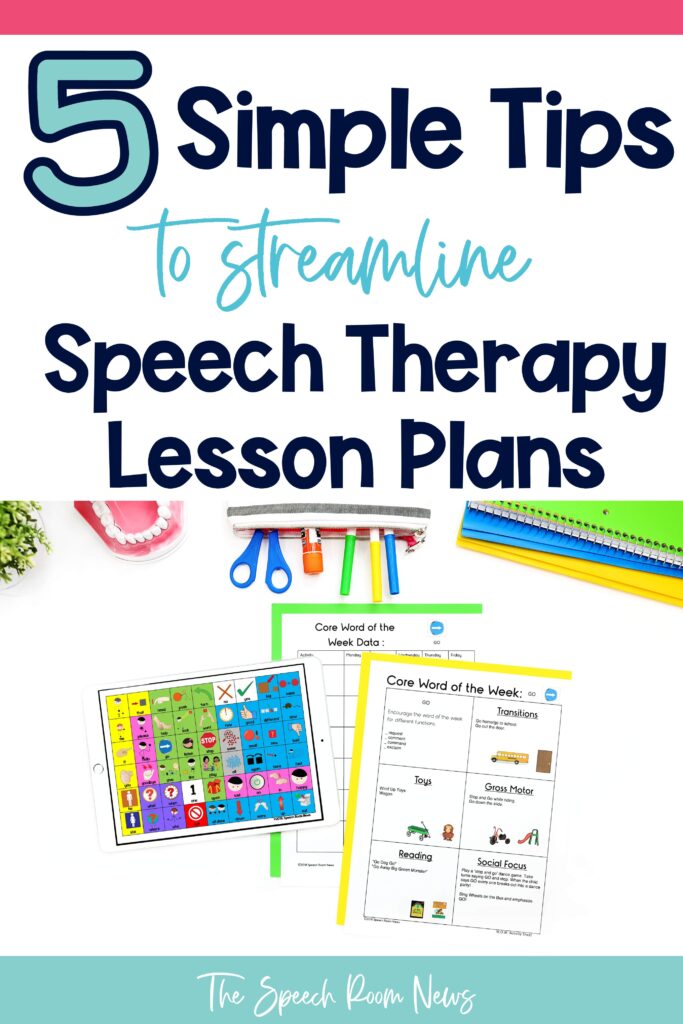
A WOW lesson typically targets 3-4 core words over a week or month, providing a cohesive unit of instruction. The framework ensures that all members of the student’s IEP team—SLPs, teachers, paraprofessionals, and even parents—are aware of the target words and how to model and prompt their use. This structured routine fosters a consistent communication environment, crucial for AAC learners to develop fluency and generalization. The comprehensive nature of WOW lessons often includes printable materials for classrooms and homes, signs for therapy rooms, and parent letters, making it easy to disseminate information and encourage team-wide participation. This collaborative approach not only streamlines the SLP’s planning but also creates a robust, supportive communication ecosystem for the student, significantly enhancing their communicative competence and integration into daily activities.
The Role of ‘Grab-and-Go’ Resources
Beyond these structured planning methodologies, maintaining a curated collection of "must-have" grab-and-go materials is a bonus tip that experienced SLPs swear by. These pre-prepped, versatile resources serve as invaluable backups for unexpected schedule changes, last-minute lesson needs, or substitute SLP coverage. They ensure that therapy sessions can proceed smoothly even when primary planning efforts are disrupted. Essential items often include:
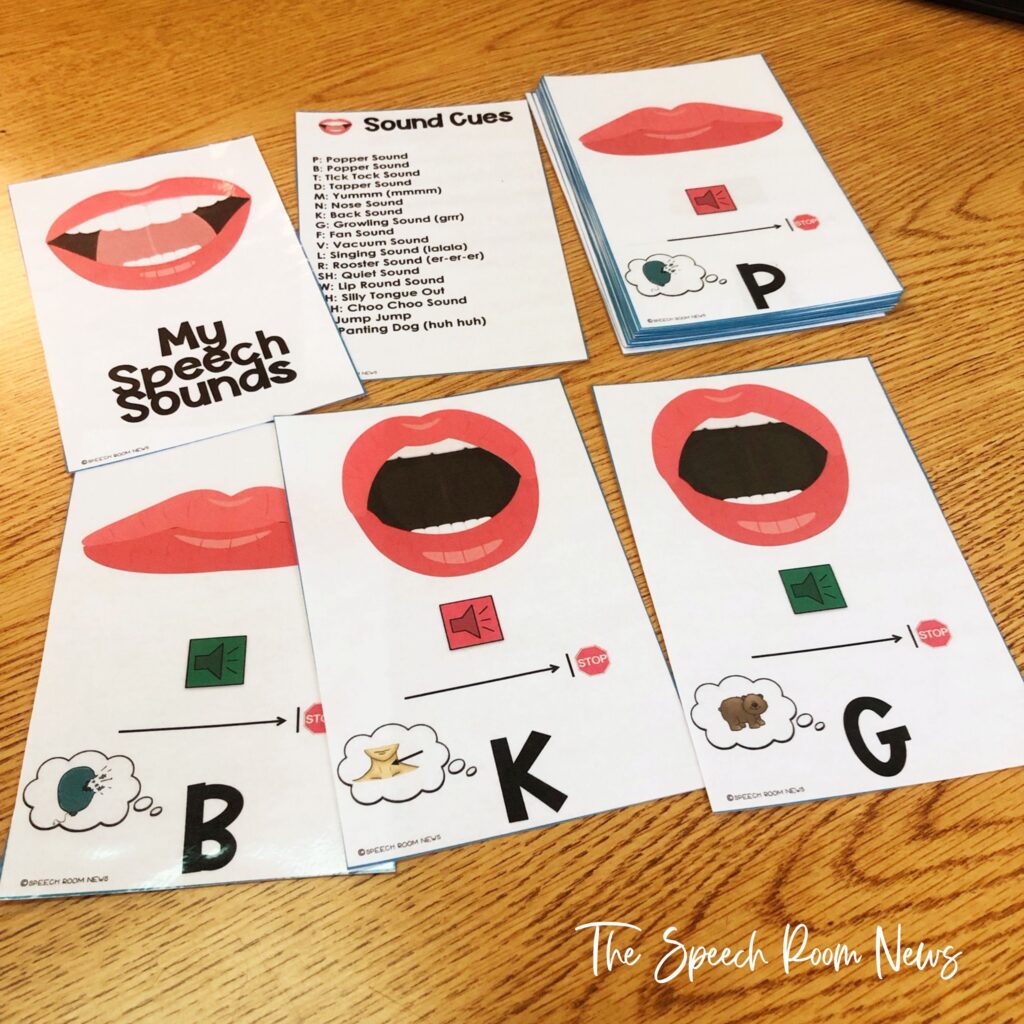
- Speech Helpers: Mini-books or posters illustrating articulators and their movements, useful for direct articulation instruction.
- Behavior Supports: Visual schedules, first/then boards, or token boards to manage behavior and provide structure.
- Articulation Cards: Sets of cards targeting specific speech sounds in various word positions, easily adaptable for drills, games, or homework.
- Speech Sound Articulation Posters: Visual reminders of sound production, beneficial for a therapy room environment.
- Print & Go Articulation and Phonology Home Packets: Ready-to-send materials for home practice, facilitating carryover and parent involvement.
These readily available resources minimize decision fatigue and ensure that valuable therapy time is spent on direct intervention rather than searching for or preparing materials.
Broader Implications for SLP Practice and Student Success
The strategic shift towards streamlined lesson planning carries significant implications for both SLP professional practice and student outcomes. For SLPs, these methods offer a tangible pathway to reducing workload, mitigating burnout, and enhancing job satisfaction. By focusing on multi-purpose materials and integrated approaches, SLPs can allocate more time to direct student interaction, data collection, consultation, and professional development, rather than exhaustive preparation. This efficiency allows for a more sustainable career trajectory in a profession known for its high demands.
For students, these planning strategies often translate into more engaging, cohesive, and contextually relevant therapy experiences. Thematic and literacy-based approaches, in particular, promote deeper learning and generalization by connecting therapy goals to broader academic and real-world contexts. Play-based learning fosters intrinsic motivation and provides naturalistic opportunities for skill practice. AAC core word instruction ensures consistent and comprehensive support for students with complex communication needs. Ultimately, these streamlined methods contribute to more effective interventions, leading to improved communication skills, enhanced academic performance, and greater social participation for students receiving speech therapy services.
As the educational landscape continues to evolve, the adoption of efficient, evidence-based planning strategies will be crucial for the continued success of school-based speech-language pathologists and the students they serve. By embracing innovative approaches that maximize resource utility and minimize preparatory burden, the SLP community can ensure high-quality service delivery while fostering a more sustainable and rewarding professional practice.
